Toothbrushing Without a Fight: 7 Tricks That Actually Work (Even for Sensory-Sensitive Kids)
If toothbrushing is a nightly battle, the problem usually isn't motivation — it's sensory overload, transition friction, or both. Seven practical fixes ranked from easiest to hardest, including what to do when your dentist starts asking questions.
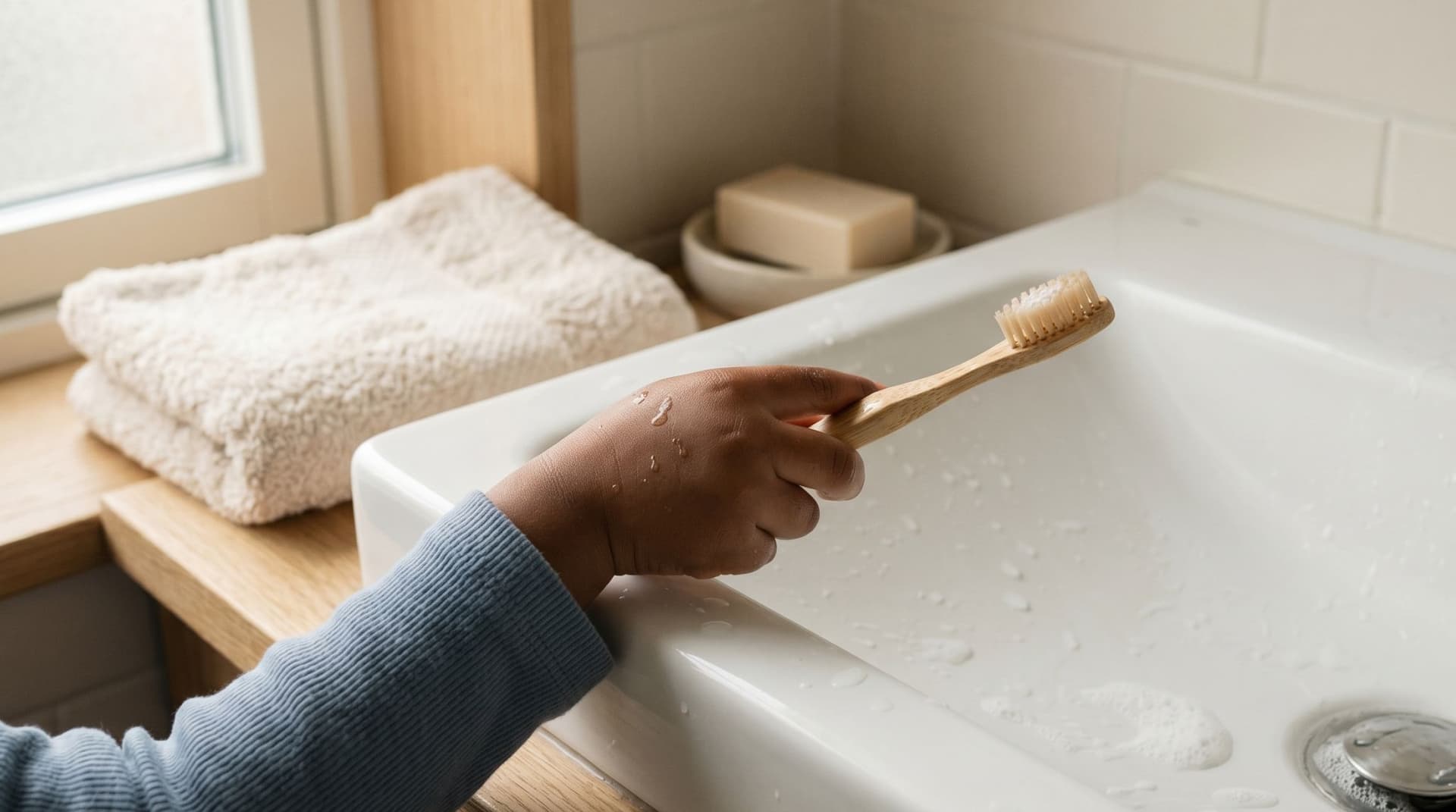
For some families, toothbrushing is a thirty-second non-event. For others, it's the worst part of the day. Tears, locked bathroom doors, the parent finally giving up and brushing while the child screams. Then guilt, because everyone knows skipping it isn't an option.
If this is your house, the problem usually isn't that your child is being difficult. It's almost always one of three things:
- Sensory overload — the brush, the foam, the mint, the vibration are physically intolerable.
- Transition friction — getting from "playing" to "in the bathroom" is the actual hard part.
- Lack of predictability — they don't know when it ends, so they fight the whole thing.
Each has different fixes. Here are seven, ranked from easiest to hardest.
1. Switch to a flavorless or kids' low-foam toothpaste
This is the single fix that changes the most outcomes. Mint, especially the adult-strength version, registers as physically painful to many children with sensory differences. The foam adds another sensation that can trigger gagging.
Try a child-formulated flavorless, mild fruit, or low-foam toothpaste. Some autistic children do best with no toothpaste at all for a few weeks — brushing with water is far better than not brushing.
Why it works: Removes the dominant sensory trigger.
2. Use a battery-powered brush — or the opposite
Most parents assume vibrating brushes are too intense for sensory-sensitive kids. For roughly half, they are. For the other half, the vibration is actually organizing — it gives the nervous system enough predictable input to tolerate the rest.
Try both, a week each, and let the child pick. The right brush is the one they'll actually let into their mouth.
3. Build it into a fixed visual sequence
Toothbrushing is rarely the real problem. The real problem is the transition into it. "It's time to brush" is the trigger, not the brush itself.
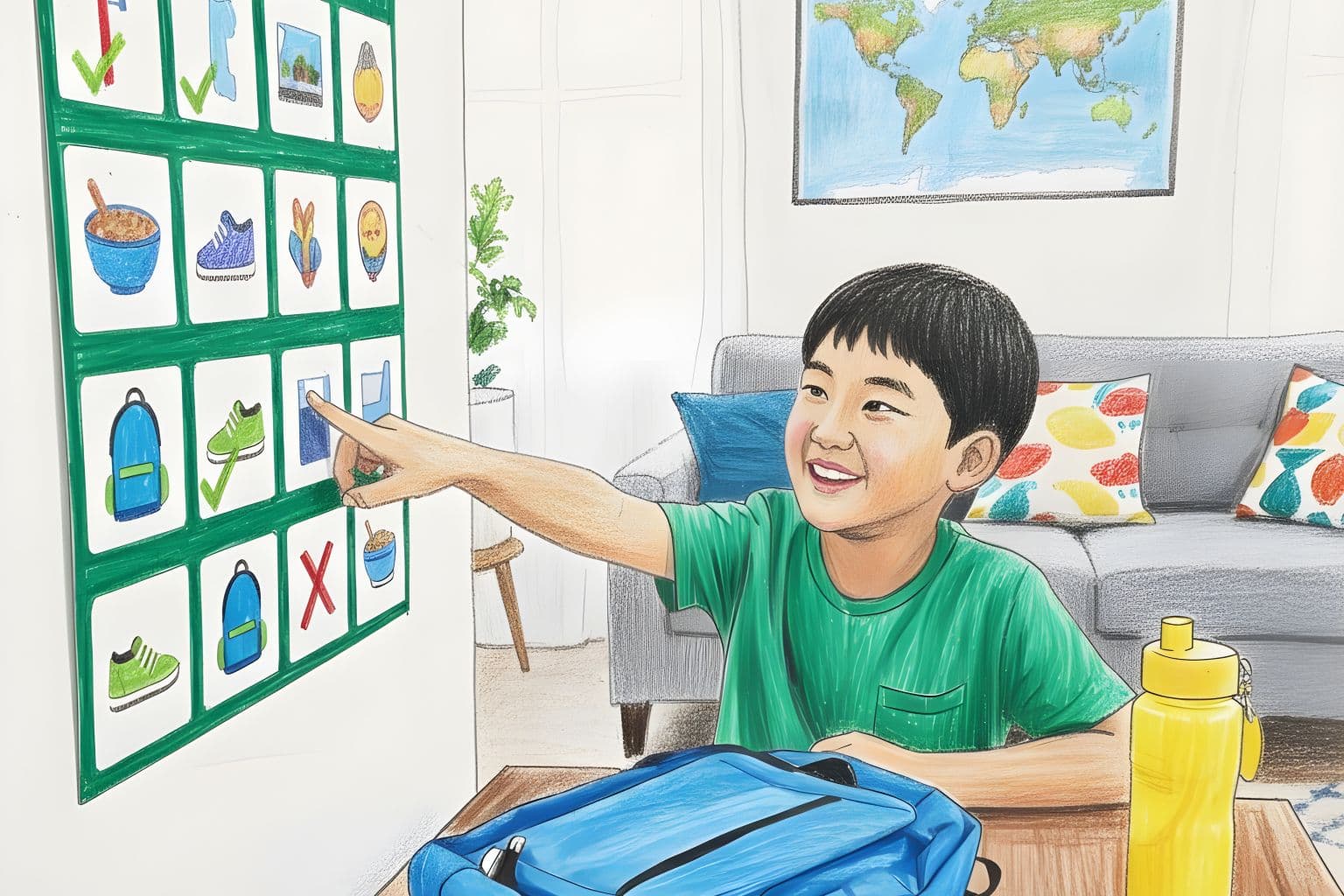
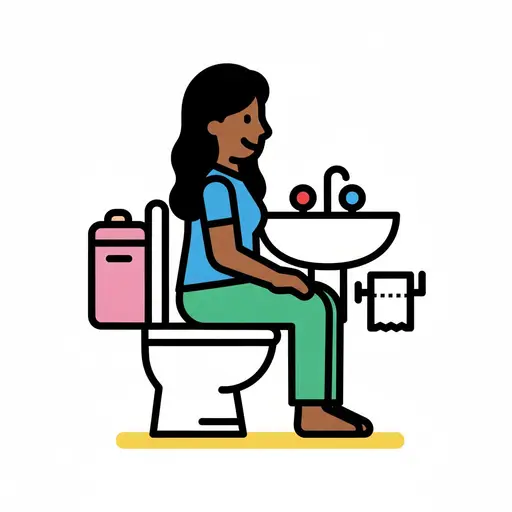
Embed toothbrushing as step 3 or 4 in a short, fixed evening sequence: pajamas → toilet → toothbrushing → story → lights out. The child sees the whole sequence and knows what comes next. Toothbrushing becomes "step 3," not "an interruption."
Visual schedules work especially well here. A picture of a toothbrush in a row of four icons is a fact, not a demand. The child can see they're four-fifths of the way to the story they actually want.
4. Use a visible 2-minute timer
"Until I say stop" is intolerable for many children. They have no idea how long this will last. Anxiety builds with every second.
A visible 2-minute timer — sand timer, phone timer, the timer built into a routine app — changes the experience completely. The child can see the end. Many children who fight a 30-second "good enough" brush will tolerate a full 2-minute brush if they can see the time counting down.
5. Pair it with a reward, not a punishment
The dental establishment is right that toothbrushing is non-negotiable. But coercion creates a child who associates oral care with conflict — and that habit lasts a lifetime.
Reward systems for toothbrushing work best when:
- The reward is small and immediate (a sticker, two minutes of choosing the bedtime story, screen time at a fixed minute count).
- It's tied to completion, not effort. Did the timer run out? Reward.
- It fades naturally once the habit is in place (usually 3–6 weeks).
In Routined, you can attach a screen-time or custom reward directly to the toothbrushing step. The reward triggers when the timer completes, so the link is immediate and unambiguous.
6. Let them brush yours first
For children with autism in particular, having their teeth brushed feels like a loss of control. Reversing the script — they brush a parent's teeth first, then their own — often unlocks the whole routine.
This sounds silly. It works because it gives the child a sense of agency in a moment that otherwise feels deeply imposed. After a week or two, most kids drop the role-reversal step on their own.
7. The "tiny brush" reset
For severe resistance, restart from zero. For one week:
- Tooth wipes only, no brushing.
- Then a finger brush for a week.
- Then a tiny silicone brush for a week.
- Then a regular brush.
This isn't a permanent solution — it's a reset for when the fight has become so entrenched that the idea of a toothbrush is the trigger. Most pediatric dentists will support this approach for a defined period. Ask yours first.
When to bring in the dentist
If you've tried the basics and brushing is still impossible, talk to a pediatric dentist with sensory-aware experience. Two things they can help with:
- A desensitization plan. Structured exposure to the brush over weeks.
- Fluoride varnishes. Higher-concentration varnishes applied at the office can buy real protection while you work on the home routine.
Don't wait for cavities to appear. The conversation is easier when there's no acute problem.
Toothbrushing isn't a willpower problem. For most kids who fight it, it's a sensory or predictability problem with a clear solution. The fix isn't to push harder. It's to lower the sensory load, raise the predictability, and let the child see the end coming.
Frequently asked questions
What if they bite the brush?
Switch to a silicone finger brush for a few weeks, then transition back to a regular brush. Biting usually signals sensory dysregulation, not defiance.
What about flossing?
Don't fight two battles at once. Get brushing stable for a month before introducing floss picks. Floss picks (not string floss) are dramatically easier for children to tolerate.
Mornings are fine but evenings are impossible. Why?
By evening, the sensory tank is full. Move the toothbrushing earlier in the wind-down sequence — right after dinner instead of right before bed — and many evening battles disappear.
Should I just brush them while they cry, since dental health matters?
Short-term, sometimes you have no other option. Long-term, this strategy creates lifelong oral-care avoidance and dental phobia. Work the seven steps above; the long game matters more than tonight.