Fair vs Equal Between Siblings: Treating Them as Individuals
Fair does not mean identical. Learn why treating siblings as individuals, meeting different needs openly, and answering that's not fair with confidence builds a calmer, more secure family.
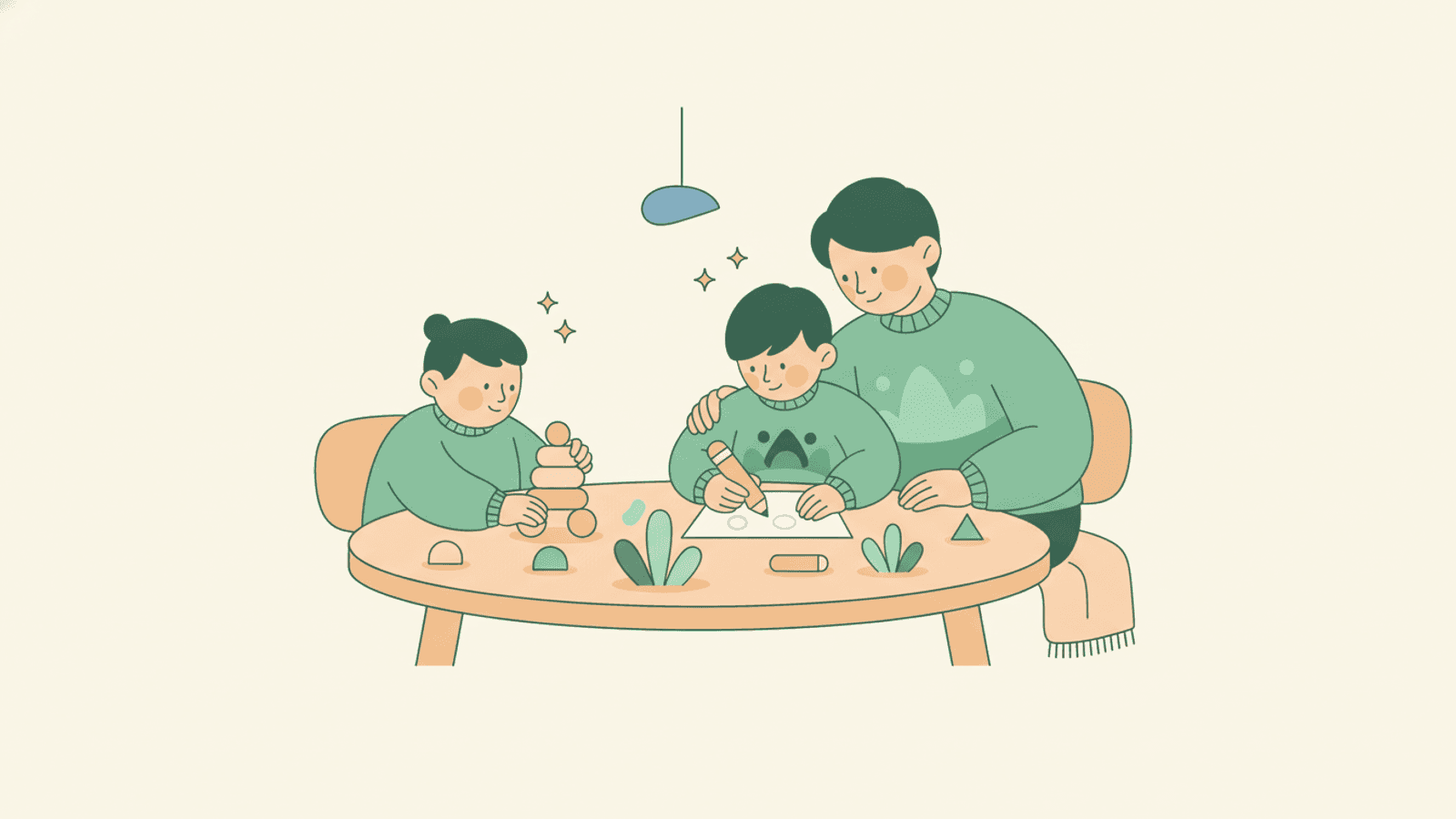
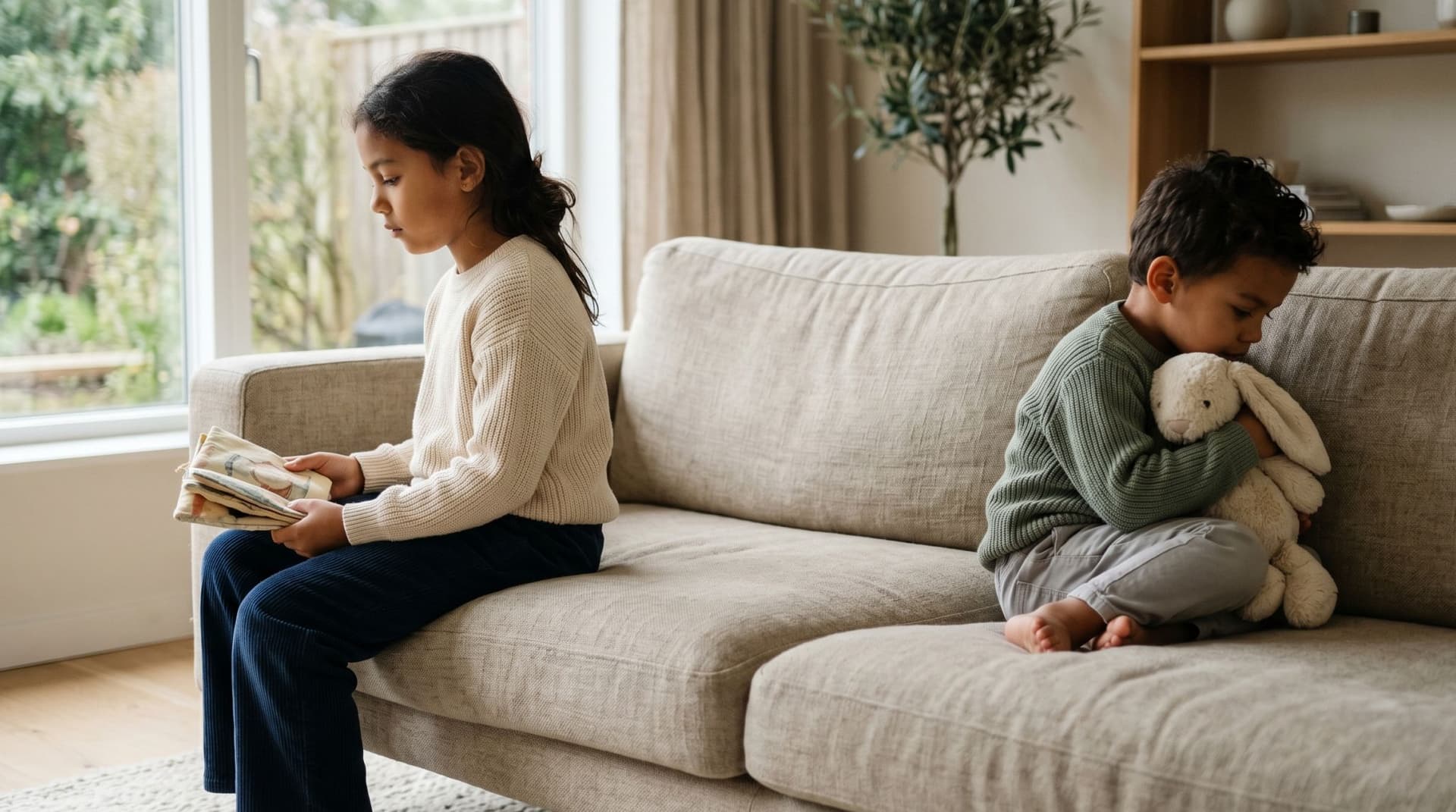
Fair vs equal between siblings is one of the most misunderstood ideas in family life. The short answer: fair means each child gets what they genuinely need, while equal means each child gets exactly the same. Those two things are rarely the same, and trying to force them to match usually leaves everyone feeling short-changed.
If you have ever split a biscuit down to the millimetre or bought two of everything just to keep the peace, this article is for you. Treating your children as individuals is not favouritism. It is one of the kindest, most respectful things a parent can do.
The trap of keeping everything identical
Many parents fall into what we might call the matching trap. Same portions, same bedtime, same number of presents, same amount of help with homework. It feels safe because it looks measurable and unarguable.
But children are not identical, so identical treatment quietly ignores who they actually are. A ten-year-old and a four-year-old do not need the same bedtime. A child who reads fluently and a child with dyslexia do not need the same amount of reading support. Keeping things the same on the surface often means being unfair underneath.
Fair vs equal between siblings: what fair really means
Fair means matching your response to the child in front of you. It is need-based, not quantity-based. One child might need more time to settle at night; another might need more encouragement to try new food. Meeting those needs differently is not unequal love. It is attentive love.
A useful phrase to keep in mind: everyone gets what they need to be okay. That is the standard, not everyone gets the same object at the same moment.
Why equal is impossible and often backfires
Perfect equality is a moving target you can never actually hit. Children are different ages, have different temperaments, different friends, different worries, and different bodies. The moment you equalise one thing, another gap opens up.
Worse, chasing equality can teach children to become scorekeepers. If your child learns that fairness means identical amounts, they will start auditing every biscuit, every minute, and every gift. Ironically, the harder you try to make things equal, the more finely they will measure the differences.
- Equal ignores real differences in age, need and personality.
- It trains children to compare and compete instead of cooperate.
- It sets a standard no parent can consistently meet, which breeds resentment.
- It can mean under-supporting the child who genuinely needs more.
How to answer that is not fair
When a child protests that something is not fair, they are usually saying I am worried I matter less. That is the feeling to address first, before the logic.
Try a calm, warm version of: In this family, fair does not mean everyone gets the same thing. It means everyone gets what they need. Right now your brother needs more help with this, and when you need something extra, you will get it too.
You do not have to win the debate. You just have to be consistent and reassuring. Over time, children who are genuinely confident that their needs will be met stop keeping such a close tally.
A few phrases that help
- Different does not mean less. You are both fully loved.
- You will get what you need when you need it.
- It is my job to notice what each of you needs, and I do.
Meeting different needs openly
Secrecy breeds suspicion. If one child gets extra support and it is hidden or awkwardly denied, siblings sense the imbalance without understanding it, and they fill the gap with their own stories.
It is healthier to name differences matter-of-factly. Yes, your sister has a visual timer for getting dressed because mornings are tricky for her right now. You found your own rhythm ages ago. When needs are discussed openly and without drama, they stop feeling like secret privileges and start feeling like ordinary support.
Avoiding comparisons and labels
Comparisons feel efficient in the moment but corrode sibling relationships over time. Why can't you be tidy like your brother turns a sibling into a rival and a benchmark rather than an ally.
Fixed labels do similar damage. The sporty one, the sensitive one, the difficult one, the easy one. These tags shrink a child into a single trait and quietly tell the others what is not theirs to be. Describe behaviour in the moment instead, and let each child stay a whole, changing person.
- Swap you are so messy for let's get these clothes in the basket.
- Avoid ranking children against each other, even as a joke.
- Notice effort and specifics rather than assigning permanent roles.
Protected one-on-one time
One of the simplest antidotes to the fairness tug-of-war is individual attention. Ten unhurried minutes with one child, doing something they choose, does more for their sense of worth than any perfectly equal portion.
One-on-one time does not need to be equal in the stopwatch sense either. A toddler and a teenager connect in different ways and for different lengths. What matters is that each child regularly gets you to themselves, so their security does not depend on counting.
Teaching that needs genuinely differ
Children can grasp the idea of different needs earlier than we expect, especially with concrete examples. A child who wears glasses needs them; their sibling does not. Nobody calls that unfair. The same logic extends to more time, more reminders, or more support.
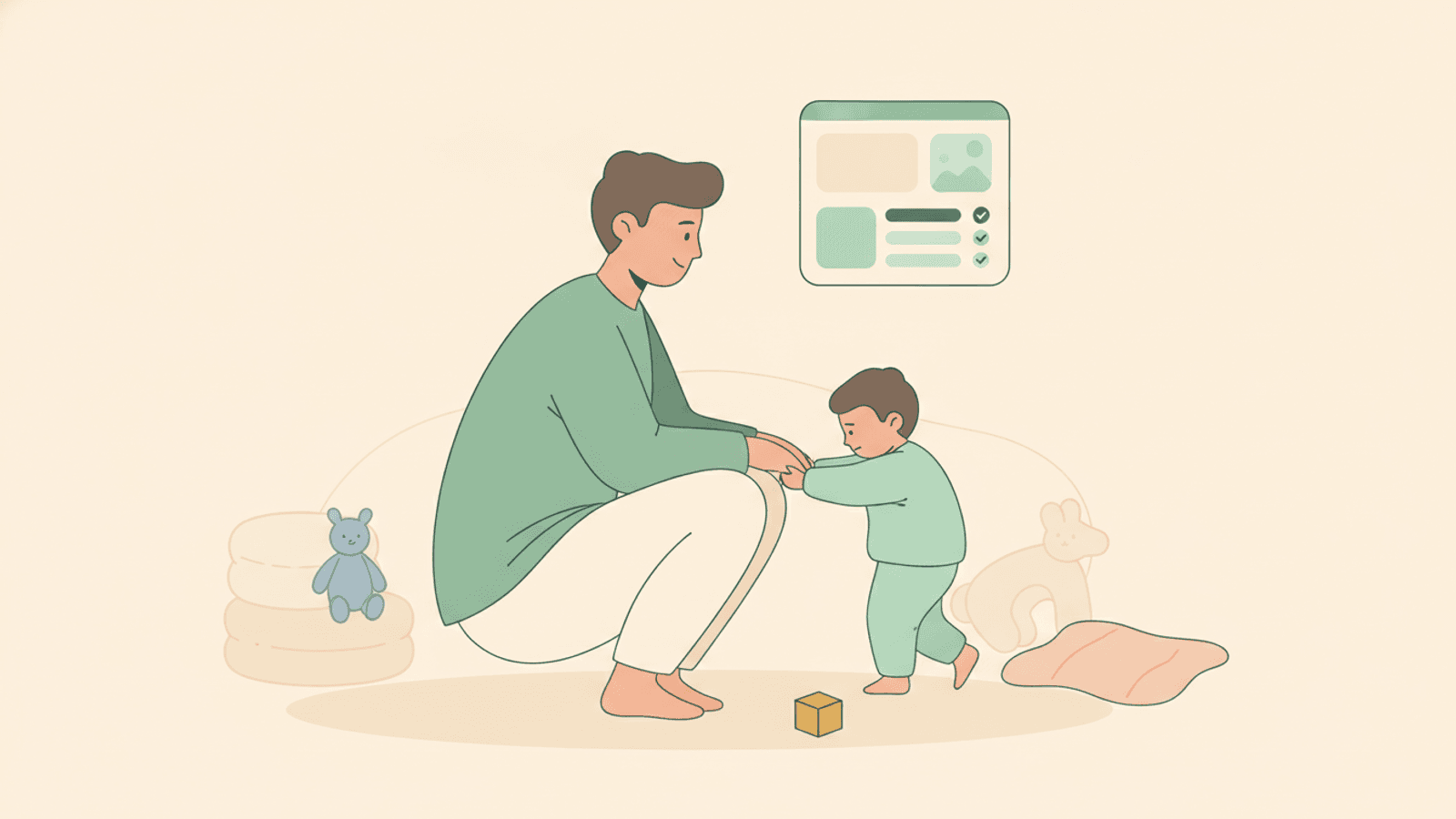
When you frame support as a tool rather than a treat, siblings are far less likely to envy it. A visual schedule or a timer is not a prize; it is a pair of glasses for the part of the day that is blurry.
When one child needs more support, and why naming it helps
In families where one child has ADHD, autism, or simply a harder season, the support can look very visible. A sibling may notice the extra patience, the special tools, or the smoother allowances made after a tough day.
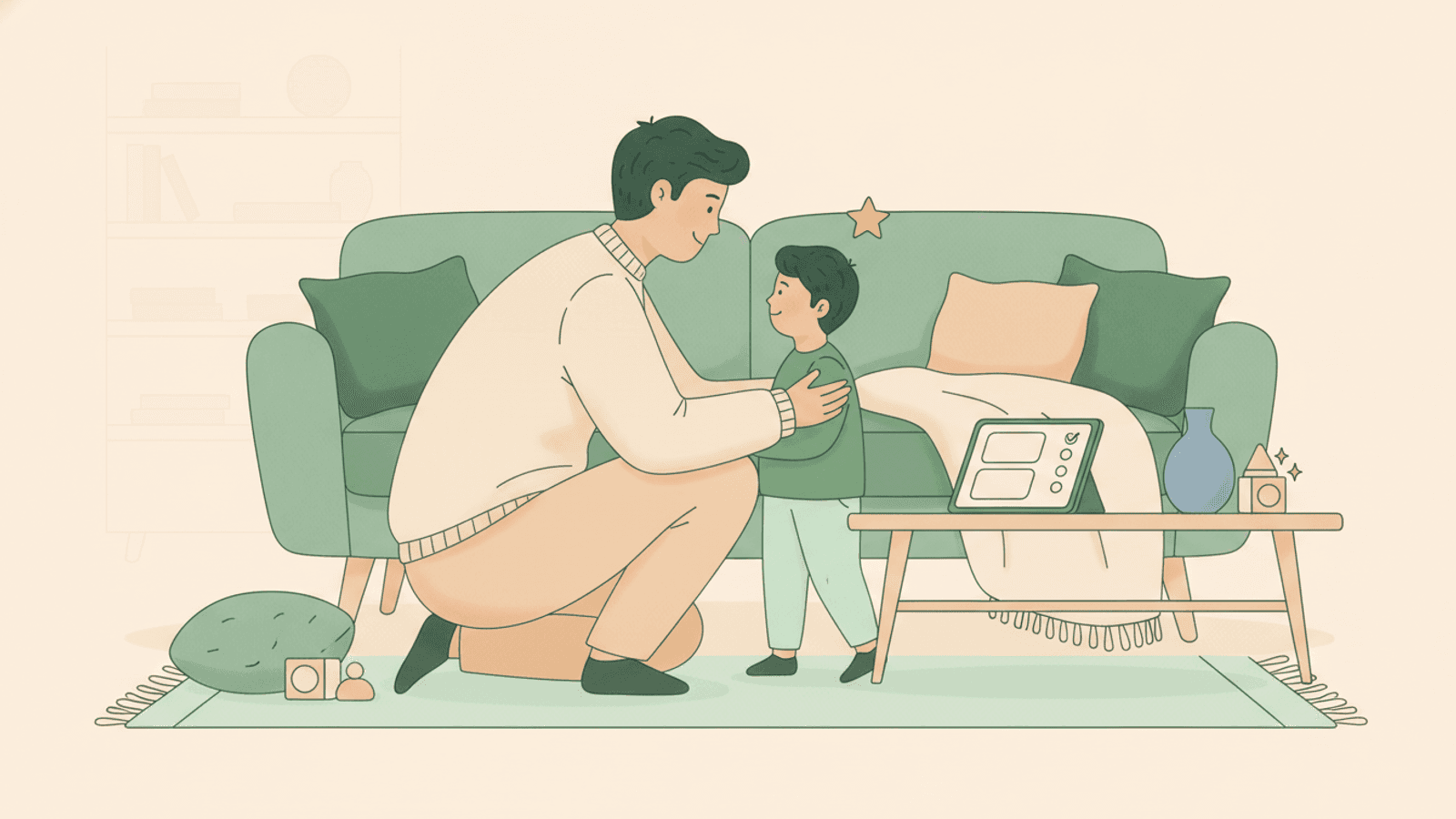
Silence tends to make this worse, not better. If you never acknowledge that one child needs more right now, the others draw their own conclusions, often unkind ones about themselves. Gentle honesty works better: Your brother's brain finds transitions really hard, so we use pictures and timers to help. If something is hard for you, we will find your tool too.
Naming it does three things: it removes the mystery, it models compassion, and it reassures every child that support is available to them when they need it. That reassurance is what finally loosens the grip of the scorekeeping.
How Routined helps
Routined lets you build routines that fit each child rather than one identical template. You can add visual support per step from a built-in picture library, AI images or your own photos, switch a child into Visual Support mode with big picture cards, and add an optional visual countdown timer or a voice recording that plays automatically when the child opens a step.
Because you can tailor rewards separately, as pocket-money currency, points shown as stars, screen-time minutes, or a custom reward, each child can work towards what motivates them. Different tools for different needs, all in one calm place, which is exactly the fair not equal principle in practice.
The takeaway
Fairness is not a spreadsheet. It is the ongoing, attentive work of noticing who each of your children is and giving them what they genuinely need. When you let go of identical and hold on to individual, you are not loving your children unequally. You are loving each of them precisely. That is the version of fair they will remember.
Read more
Frequently asked questions
What is the difference between fair and equal between siblings?
Equal means every child gets exactly the same thing. Fair means every child gets what they genuinely need, which will differ by age, temperament and circumstances. Fair is need-based; equal is quantity-based, and they rarely match.
How do I answer my child when they say that's not fair?
Address the feeling first, then the logic. Reassure them that in your family fair means everyone gets what they need, not the same thing, and that their needs will be met too when the time comes. Stay calm and consistent rather than trying to win the argument.
Is it favouritism to give one child more attention or support?
No. Responding to genuine differences in need is attentive parenting, not favouritism. Favouritism is consistently valuing one child over another. Meeting one child's higher need in a particular season, openly and without secrecy, treats them as individuals.
How do I keep siblings from feeling jealous when one child needs more help?
Name the difference openly and frame support as a tool rather than a treat, like glasses for a blurry part of the day. Reassure every child that help is available to them too, and protect regular one-on-one time so their sense of worth does not depend on counting.