Why Children Lie — and What Actually Helps
Catching your child in a lie can feel alarming — is this a character problem? Almost always, no. Lying is a normal part of development, and how we respond decides whether it fades or grows. Here is why children lie and what helps.
Catching your child in a clear lie can feel genuinely alarming — is this a sign of a character problem, of dishonesty taking root? Almost always, the answer is no. Lying is a normal part of childhood development, and how we respond to it largely decides whether it fades over time or quietly grows. Here is why children lie, and what actually helps you guide them toward honesty.
Lying is a normal milestone
Counter-intuitively, learning to lie is a cognitive achievement. To tell a lie, a child has to understand that you do not automatically know what they know — a real developmental leap called theory of mind. Most children start trying it out around three or four, and it peaks during the school years. A child who lies is not broken or bad; they are developing exactly as expected. The job is to guide them toward honesty, not to be horrified.
Why children lie (it changes with age)
Little ones blur fantasy and wish — “I didn’t eat it” with chocolate around their mouth is wishful thinking, not calculated deceit. Older children lie mostly to avoid getting into trouble, which is by far the biggest reason, but also to get something they want, to protect someone’s feelings, or to fit in and impress. Working out the why points straight at the fix, because most lying is really about avoiding a feared consequence.
The trap: harsh punishment makes lying worse
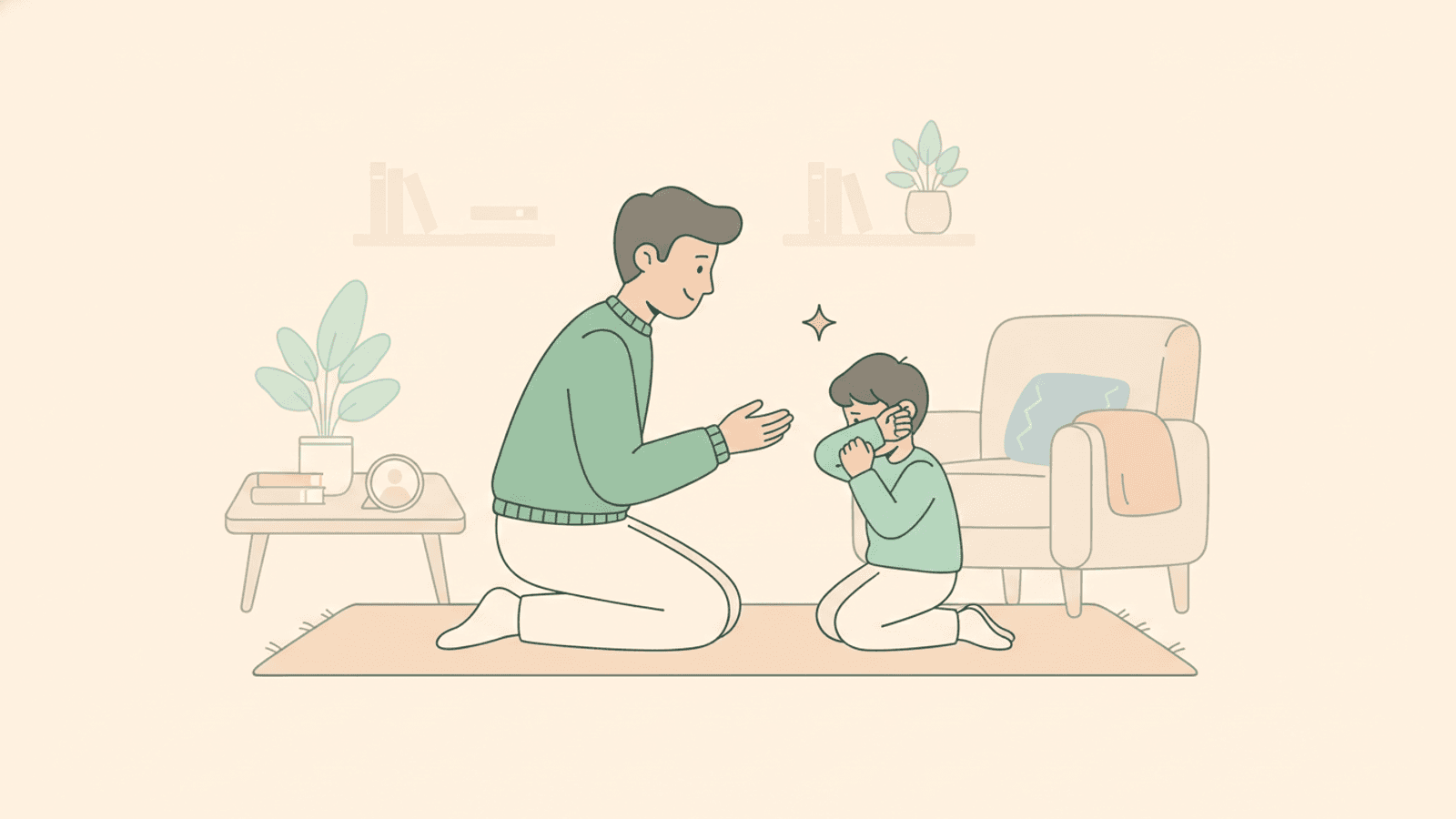
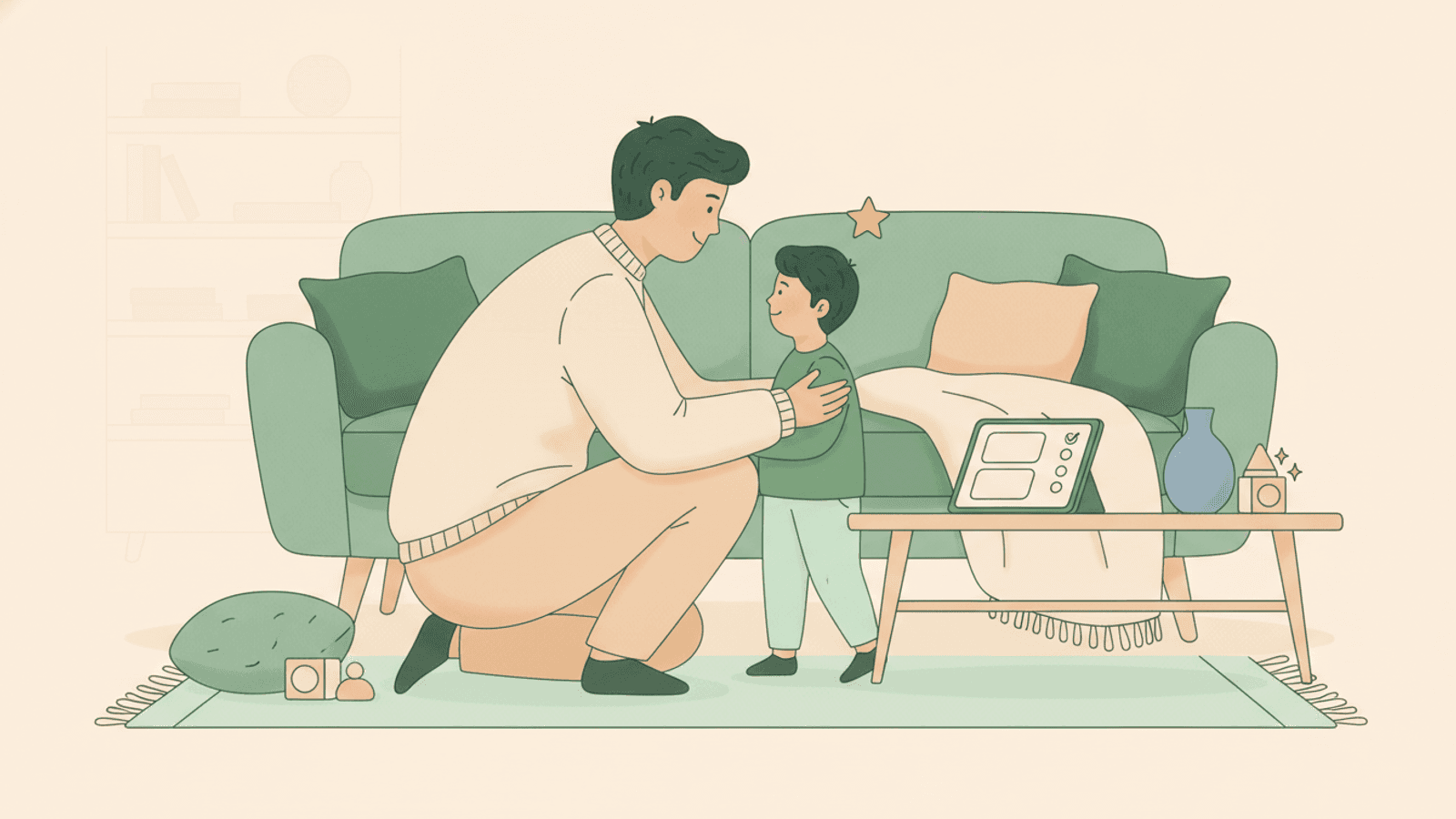
Here is the key insight. If telling the truth reliably leads to harsh punishment, then lying becomes the safer bet — and children lie more, and get better at it. Research consistently shows that children lie less when honesty is met calmly rather than with anger. So the single most effective thing you can do is make truth-telling feel safe: stay calm, and separate what they did from the fact that they told you about it.
Make honesty safe
- Respond calmly to the truth — “thank you for telling me” — even when you still need to address the deed itself.
- Praise honesty explicitly when it was hard — “that was really brave to tell me.”
- Do not set traps: if you already know they did it, do not ask “did you?” — which only invites a lie. State it kindly and move to solving it.
- Give a path back — “everyone makes mistakes, let’s fix it together” — so honesty does not feel like a dead end.
Address the deed, not just the lie
There can still be a consequence for what they actually did — a calm, natural one — but keep it separate from the honesty. “There is still a mess to clean up, and I am really glad you told me the truth.” Stacking a big punishment on top of the lie teaches a child that hiding is safer; a fair consequence for the deed, plus warmth for the truth, teaches them that honesty is worth it.
Model it and play the long game
Children copy us, so let them see you be honest, admit your own mistakes, and keep your small promises. Avoid calling your child “a liar,” because a label like that sticks and becomes part of how they see themselves — talk about the choice they made, not their character. Honesty grows over years, inside a relationship where telling the truth consistently feels safe.
When to look closer
Frequent, elaborate lying that does not improve with a calm approach, lying with no obvious reason, or lying alongside other worrying signs like stealing, aggression or real distress is worth discussing with a professional. And remember that for an anxious child, lying is often driven by fear of getting it wrong — reducing the fear usually helps far more than cracking down harder.
For children with ADHD or autism
Impulsive denials — “I didn’t!” before they have even thought about it — saying what they wish were true, or genuinely struggling to recall what happened are all common and not the same as calculated deceit. Stay calm, keep any consequence clear and connected to the deed, and try not to read malice into an impulsive fib. This article is general guidance, not medical advice.
Read more
Frequently asked questions
Is it normal for young children to lie?
Yes. Learning to lie is actually a normal cognitive milestone that shows a child understands others do not automatically share their knowledge. Most children start around three or four, and it peaks in the school years. It is developmentally expected, not a sign of a bad character.
Why does my child lie even about small things?
Most lying, even about trivial things, is about avoiding a feared consequence or getting something they want. Young children also blur wishing and reality. Looking at what they were trying to avoid or gain usually explains it, and points to making honesty feel safer.
How should I respond when my child lies?
Stay calm, thank them for any truth, and avoid setting traps by asking about things you already know. Address what they did with a fair, natural consequence, but keep warmth for the honesty. Calm responses lead to less lying over time, anger leads to more.
Should I punish my child for lying?
Harshly punishing the lie itself tends to backfire, teaching children that hiding is safer and making them lie more. Give a fair consequence for the deed, but respond to the honesty with calm and even praise. Making truth safe is far more effective than punishing the lie.
When should I worry about my child's lying?
Consider professional advice if lying is frequent and elaborate, does not improve with a calm approach, happens with no obvious reason, or comes alongside stealing, aggression or distress. For anxious children, lying is often fear-driven, and easing the fear helps more than punishment.