Get comfort items
Comfort animals do not belong in the toy pile. They are regulators – something the body leans on to find calm at bedtime. Fetching them is the first wind-down step, not the last bit of play. The steps are shown below.
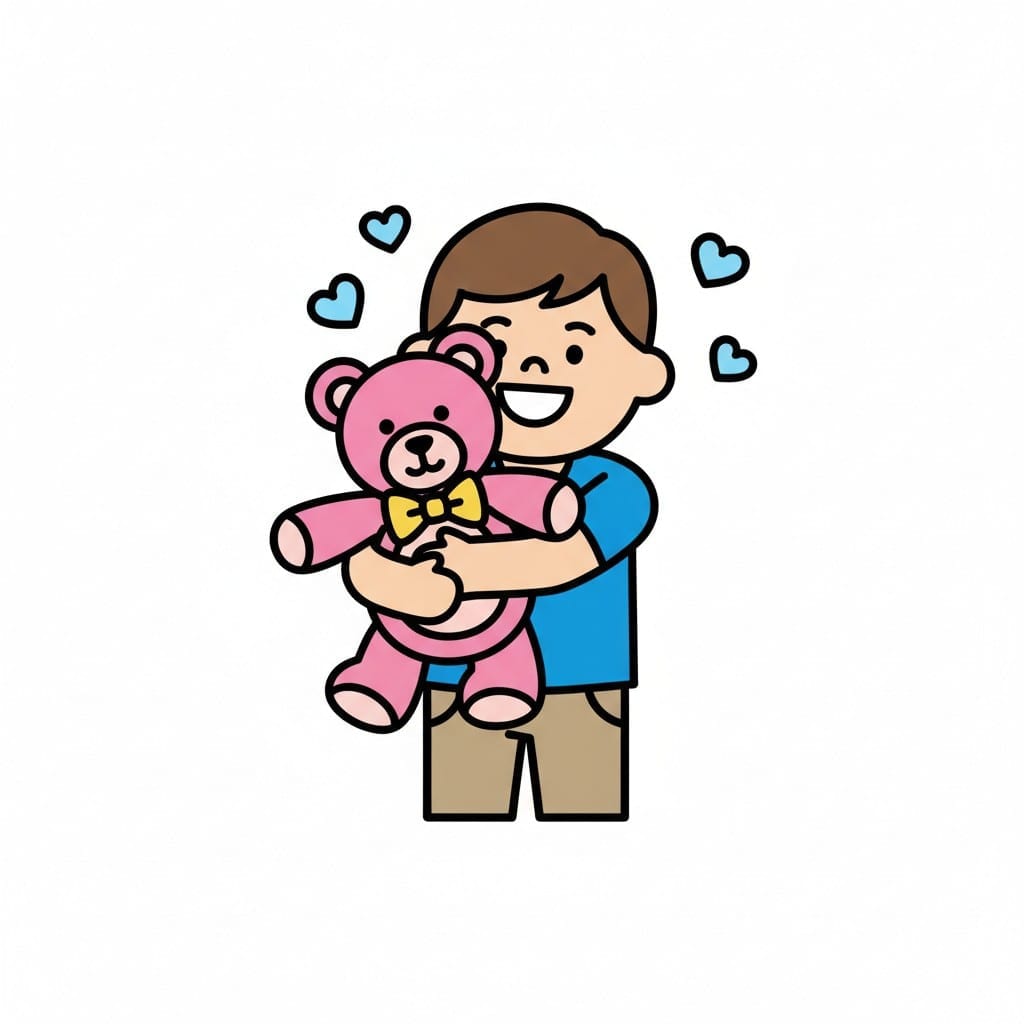 ♂
♂Boy hugging comfort item
A happy boy hugs a pink teddy bear. Small blue hearts float around him.
About this visual support
For many children, the comfort animal is part of the nervous system. Its smell, the weight in the crook of the arm and the familiar texture against the cheek send the body a quiet signal: we are letting go of the day now. If the animal is missing from the bed, winding down becomes much harder, which is why this small errand carries so much weight in the evening routine.
A visual schedule makes clear that the lovie has a daytime home – in a basket, on a shelf, on the windowsill – and an equally clear night-time spot in the bed. When the child sees the move as a defined step, it becomes a gentle transition, a signal to the brain that sleep is on its way. For children with autism or high baseline stress, pictures provide predictability that words alone cannot.
A concrete tip: pick one or two animals that travel to the bed and let the rest sleep on a shelf. Then the fetch becomes a quick, calm step instead of a sorting task. To weave this into the rest of the wind-down, Routined holds the bedtime steps together.
Use this image in a schedule
Build your own visual schedule with this image and download it as a print-ready PDF. Completely free.

More similar visual supports

Get blankie
A woman kneels and spreads out a striped blanket.

Bedtime routine
A person sits on the bed with books beside them, with a symbol showing the showe...
Get Into Bed
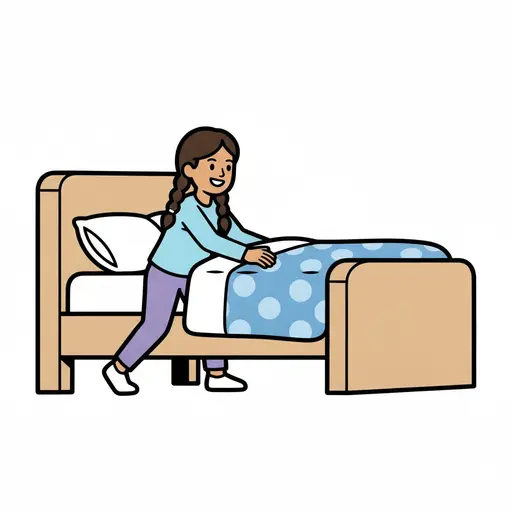
A girl gets into bed under a spotted duvet.
Get pacifier
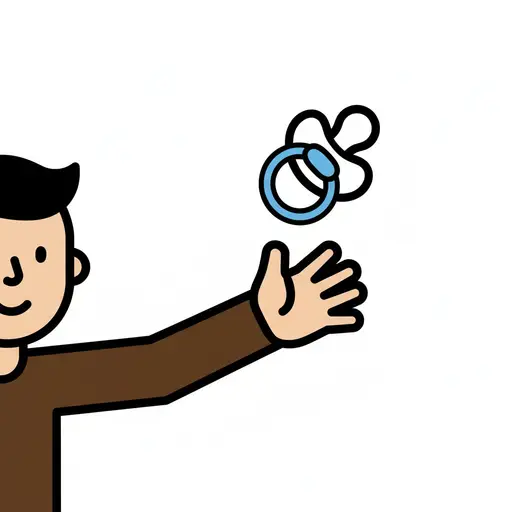
A person reaching for a pacifier.
Get ready for bed
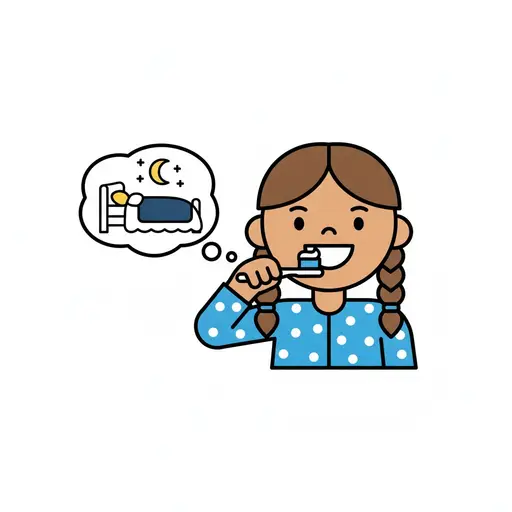
A girl in spotted pyjamas brushes her teeth while a thought bubble shows a bed u...
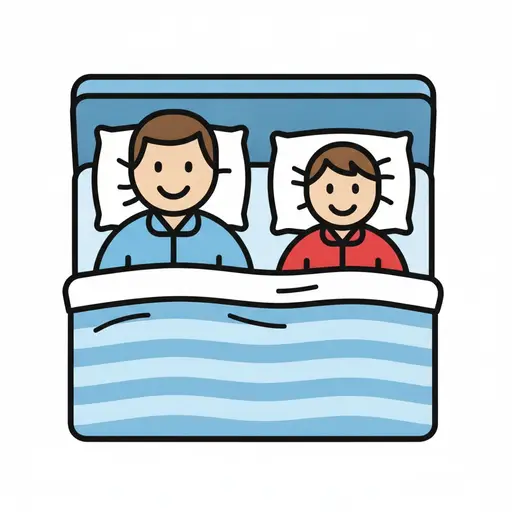
Go to bed with dad
Dad and a child lie next to each other in a bed with a duvet and pillows.
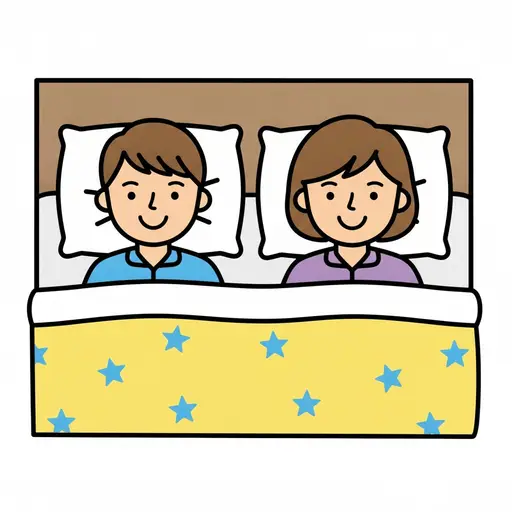
Go to bed with mom
A child and mom lie next to each other in a bed with a yellow duvet with stars.

Lie in bed
A boy lies resting in bed under a blue blanket.
Take the visual supports with you
In Routined you build schedules from these pictures, add timers and voice instructions, and your child follows the day on their own.


* 14-day free trial, then $2.39 a month or $20.99 a year (US pricing). Cancel anytime.