Turn off lights
Flicking the lamp off isn't a small move, it's the day's full stop. Many children aren't protesting sleep, they're protesting the switch from light to dark itself. When turning off shows up as an upcoming step, it stops being a surprise. The pictures below show the way there.
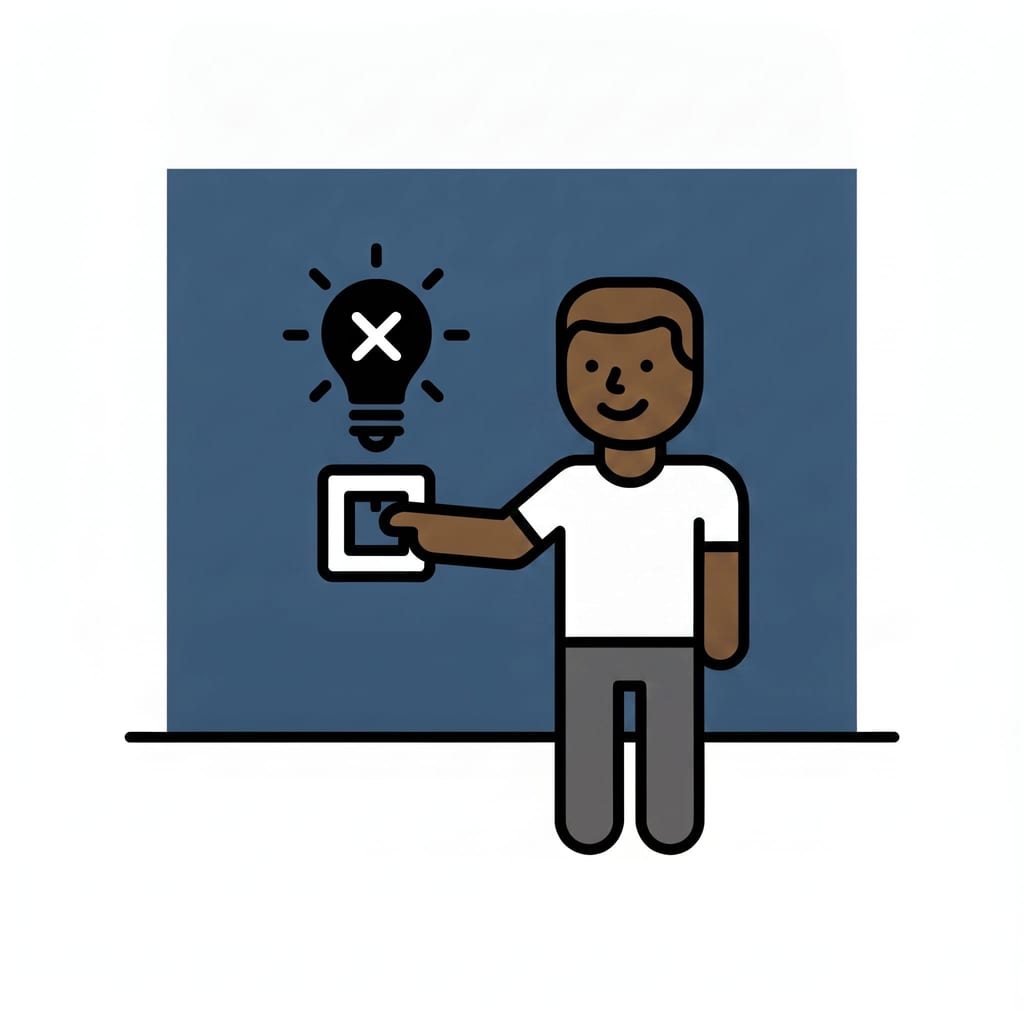 ♂
♂Turning off the light
A boy presses the switch in a dark room and the lamp goes out.
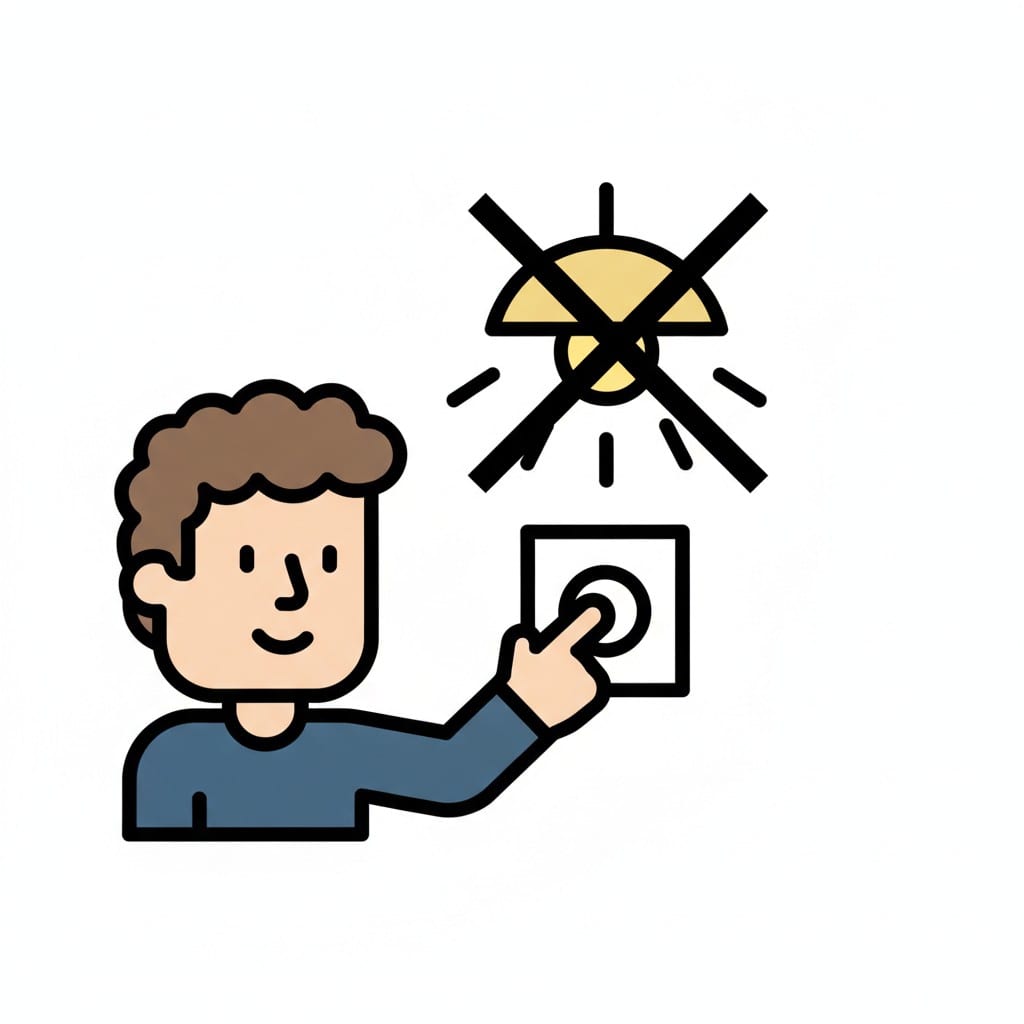 ♂
♂Pressing the light switch
A boy reaches out and presses a light switch while the ceiling lamp is crossed out.
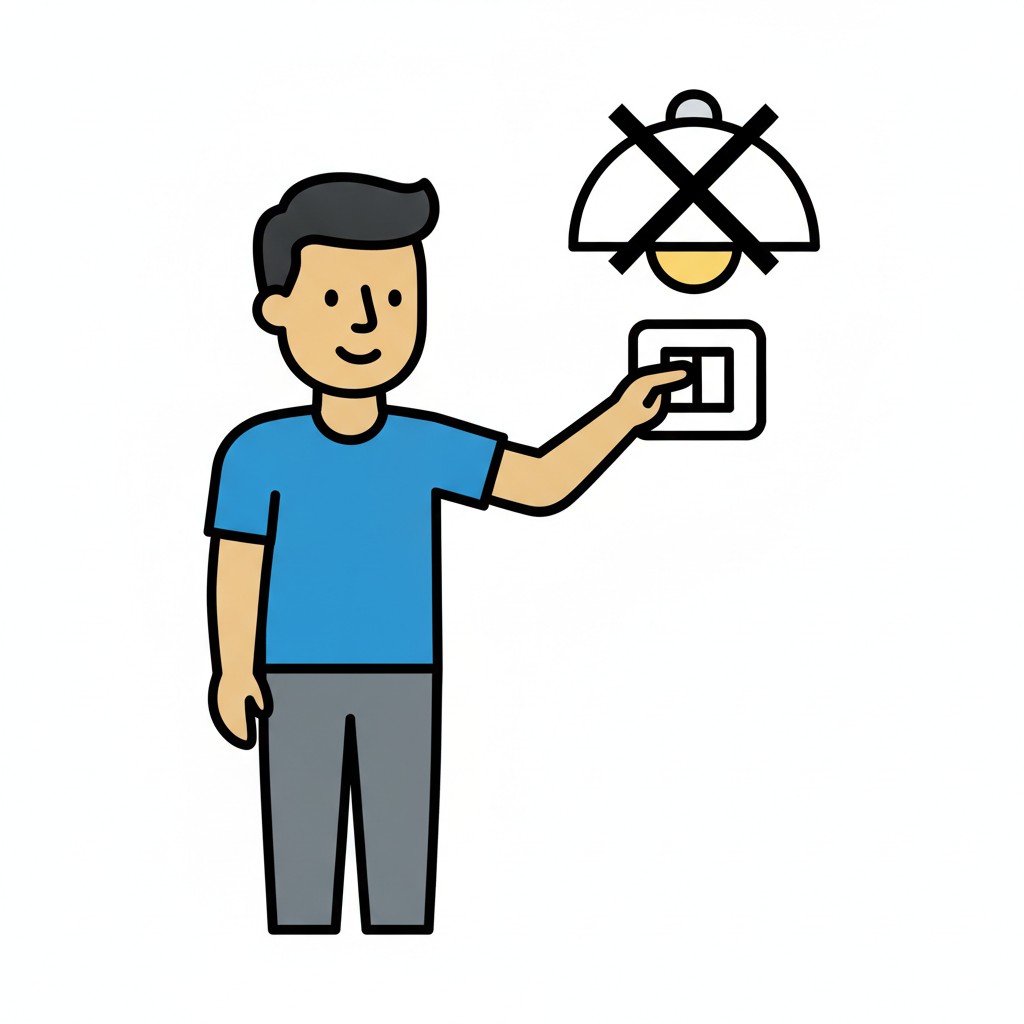 ♂
♂Turn off the light
A person presses a light switch with a crossed-out lamp symbol above.
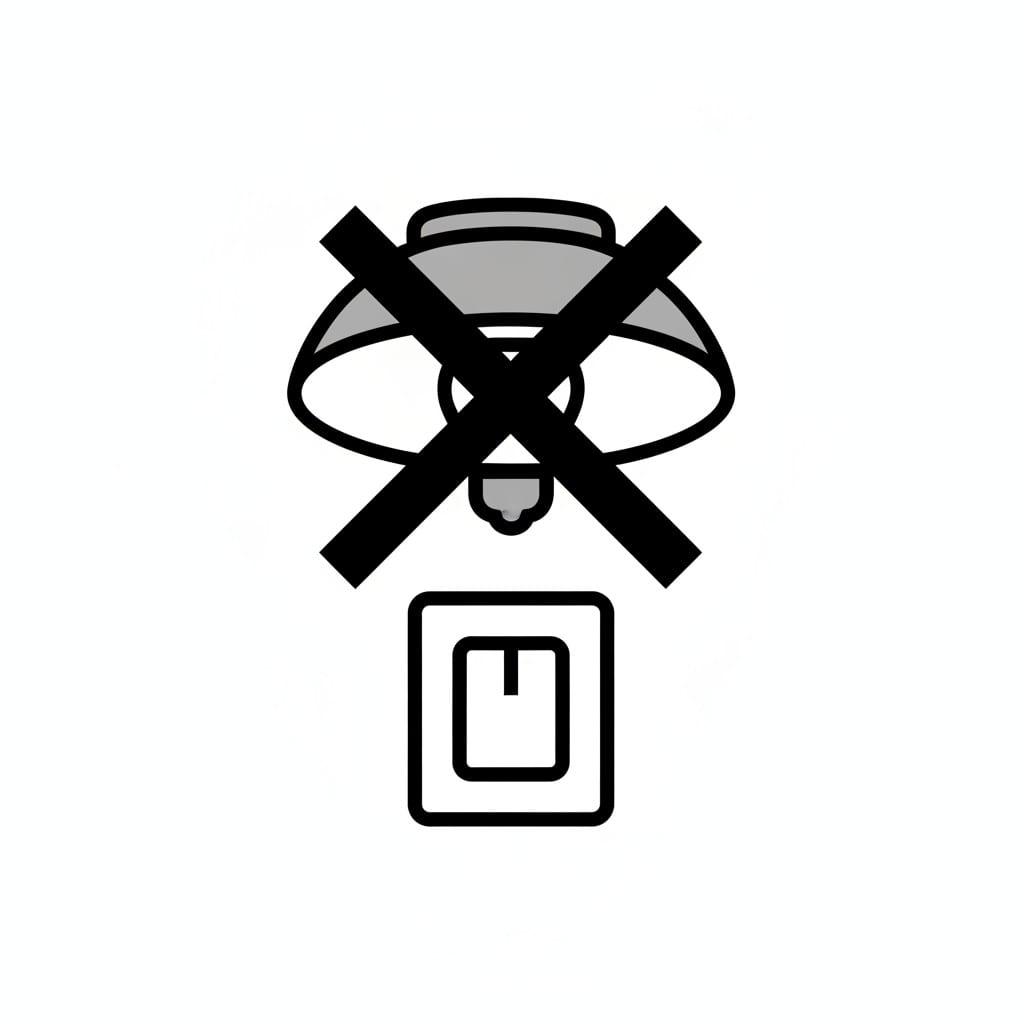
Lights off
An icon showing a light switch and a crossed-out lamp, indicating 'lights off'.
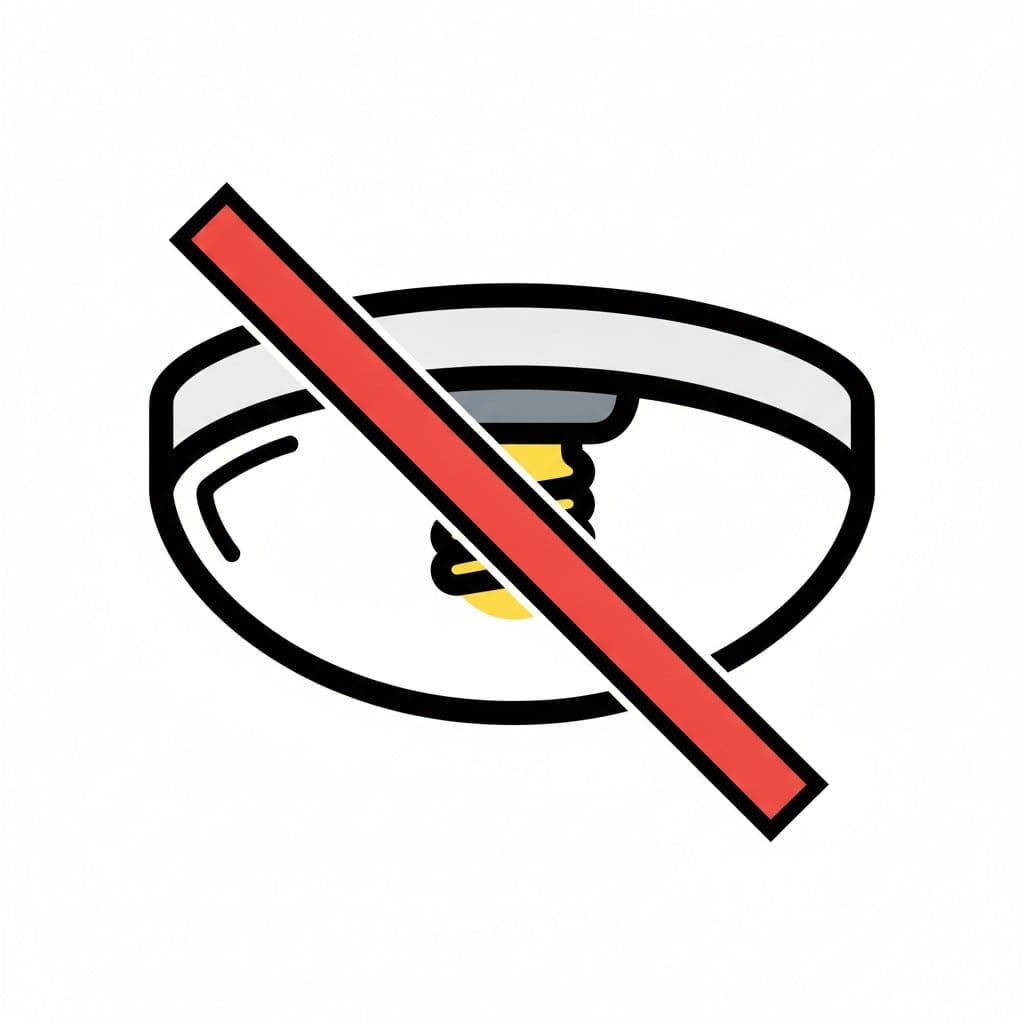
Ceiling lamp crossed out
A ceiling lamp with a bulb underneath, struck through by a bold red diagonal line.
About this visual support
Darkness never arrives on command. The second the lamp goes off, the whole room shifts: familiar shapes turn into grey outlines, sounds carry further, the body senses there is nothing left to look at. For a tired child still holding on to the day, the click can be the drop that tips protest over.
When turning off is built in as a visible step in the evening routine, it stops being a sudden ending. Pictures can show the ceiling light on, the light dimmed, a small night light, the main light off. Then the child sees the transition is planned and has a halfway stop, not one single leap from bright to black.
One practical tip: tie the actual switch-off to a tiny act the child gets to do themselves. Pressing the button, pulling the cord, blowing toward the lamp. That way the control stays on the child's side at the very moment the room changes. If you'd like the whole evening routine as a string of pictures on a phone, Routined is free to try for fourteen days.
This image is part of these ready-made schedules
Use this image in a schedule
Build your own visual schedule with this image and download it as a print-ready PDF. Completely free.

More similar visual supports
Bedroom
A bedroom scene with a made bed, a bedside table with a lamp, and a window showi...
Bedtime routine
A person sits on the bed with books beside them, with a symbol showing the showe...
Bedtime stories
An adult reads a bedtime story to a child in bed.
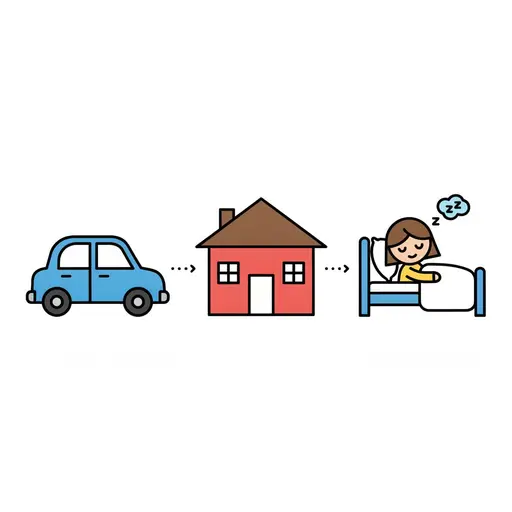
Car home and sleep
A sequence: a car, a house, and a child sleeping in bed.
Evening
A crescent moon and three stars in a dark blue night sky over rolling hills with...
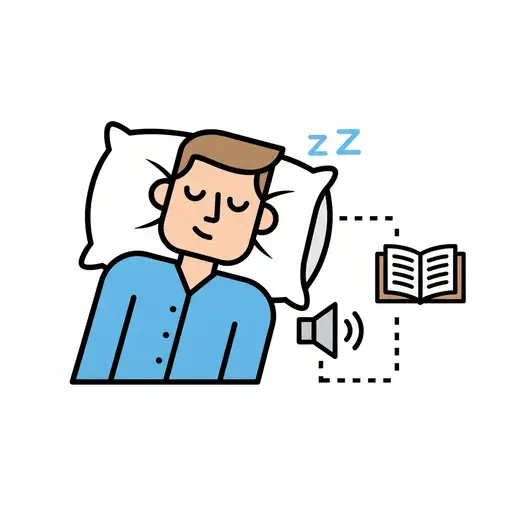
Fall asleep to an audiobook
A person lies on a pillow with closed eyes and listens to an audiobook.
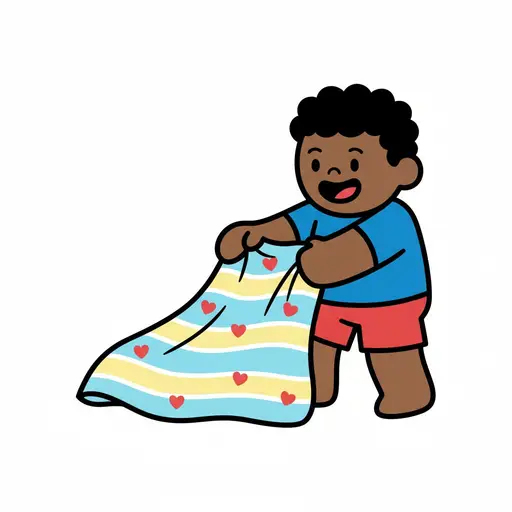
Get blankie
A boy holds a blue and yellow blankie with red hearts.
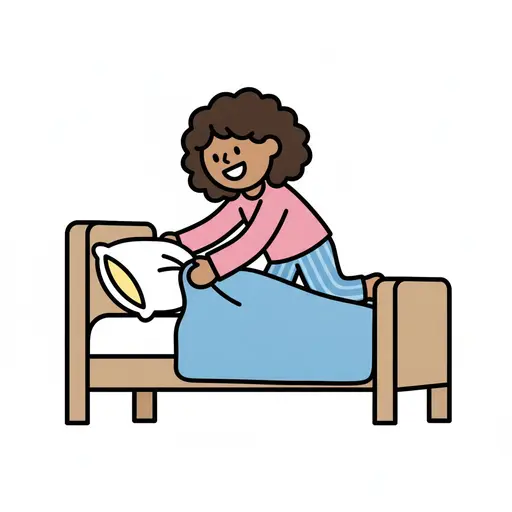
Get Into Bed
A child in pajamas climbs into bed and pulls up the blanket by the pillow.
Take the visual supports with you
In Routined you build schedules from these pictures, add timers and voice instructions, and your child follows the day on their own.


* 14-day free trial included for new users.