Pocket money
Pocket money is one of childhood's most abstract ideas: money you can't see, value you can't sense and a week that's supposed to connect to a number. The visual support below makes the thought tangible.
 ♂
♂Person holding up a banknote
A smiling person holds up a green banknote with a dollar sign above their head, surrounded by yellow coins.
 ♂
♂Pocket money in wallet
A boy holds banknotes in one hand and a wallet in the other.
 ♂
♂Getting pocket money
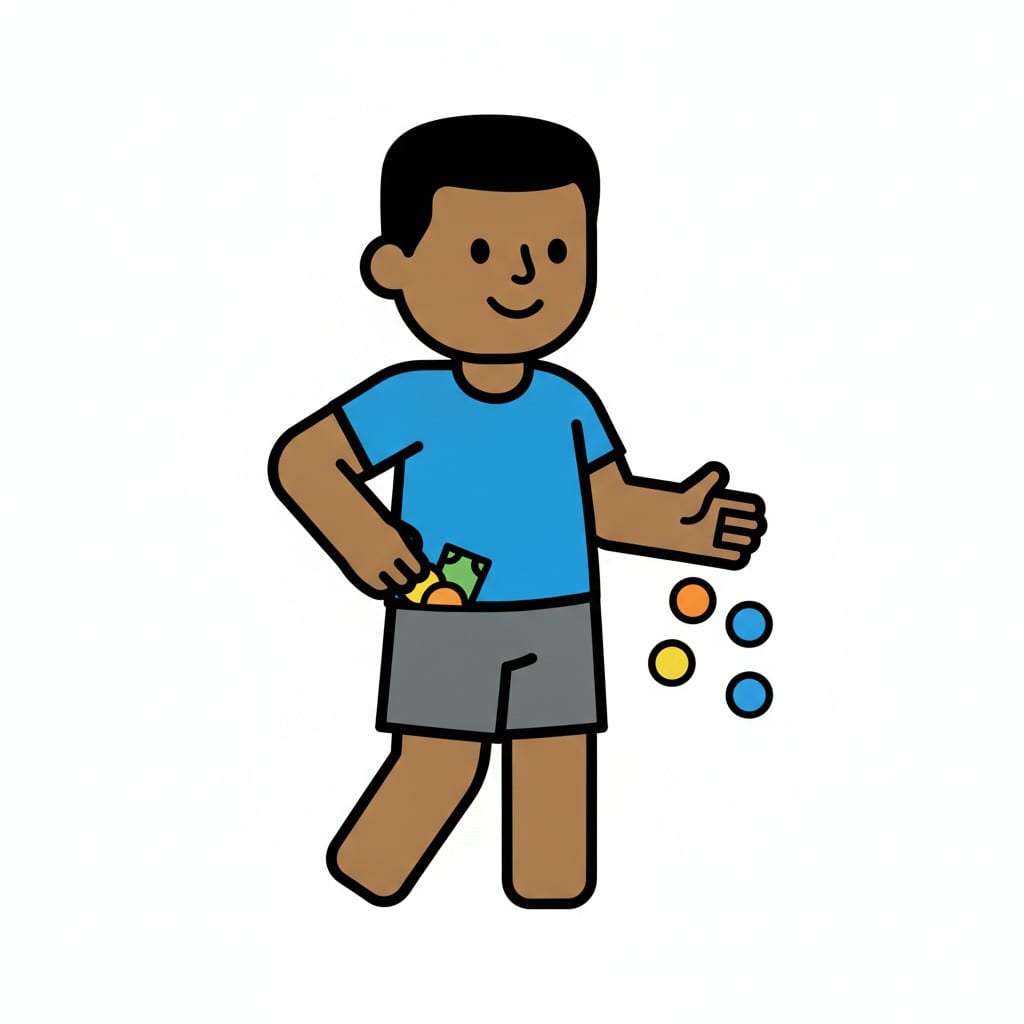
A boy holds out his hand with coins and has a banknote in his pocket.
 ♂
♂Putting pocket money in a pocket
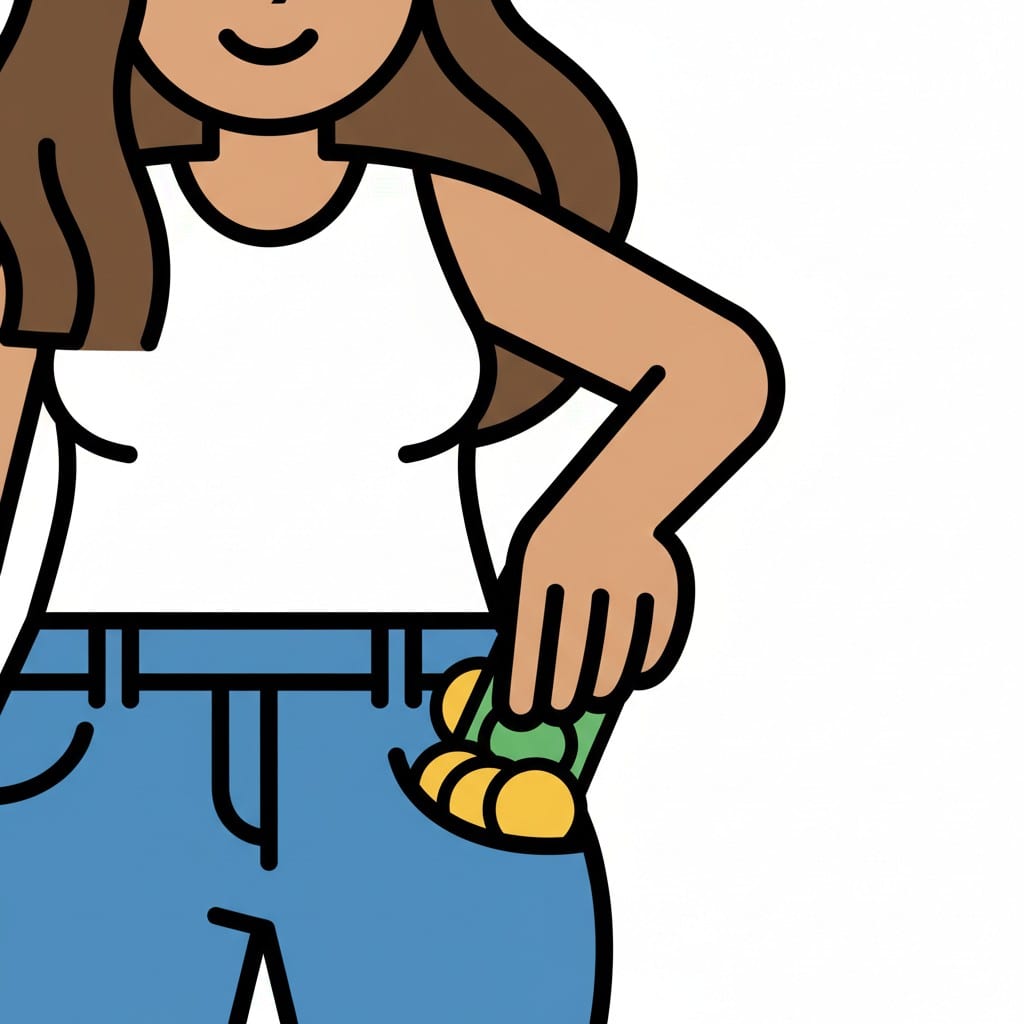
A boy in a blue T-shirt tucks a banknote and some coins into his trouser pocket.
 ♀
♀Putting pocket money in pocket
A person puts coins and banknotes into a pants pocket.
 ♀
♀Taking money out of the pocket
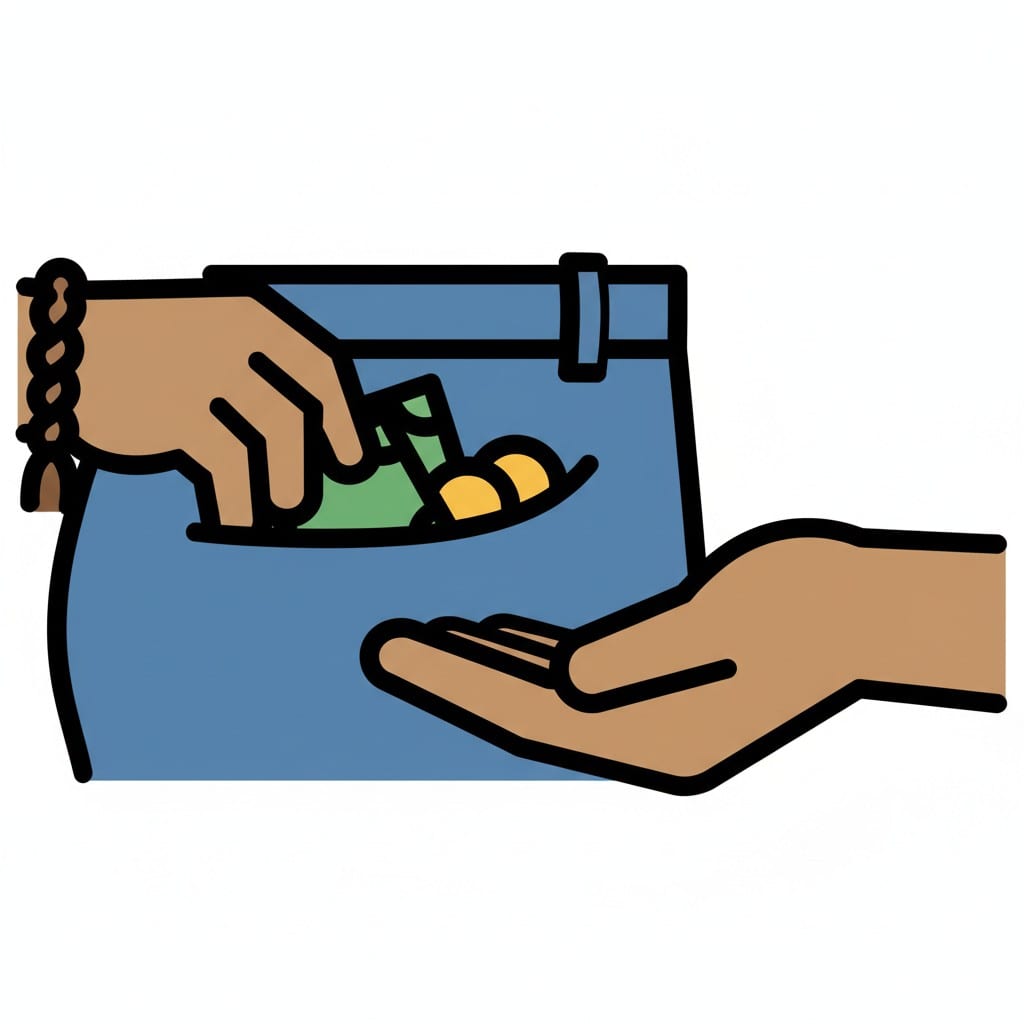
One hand lifts a banknote and coins out of a trouser pocket above an open palm.
 ♀
♀Money tucked into a jeans pocket
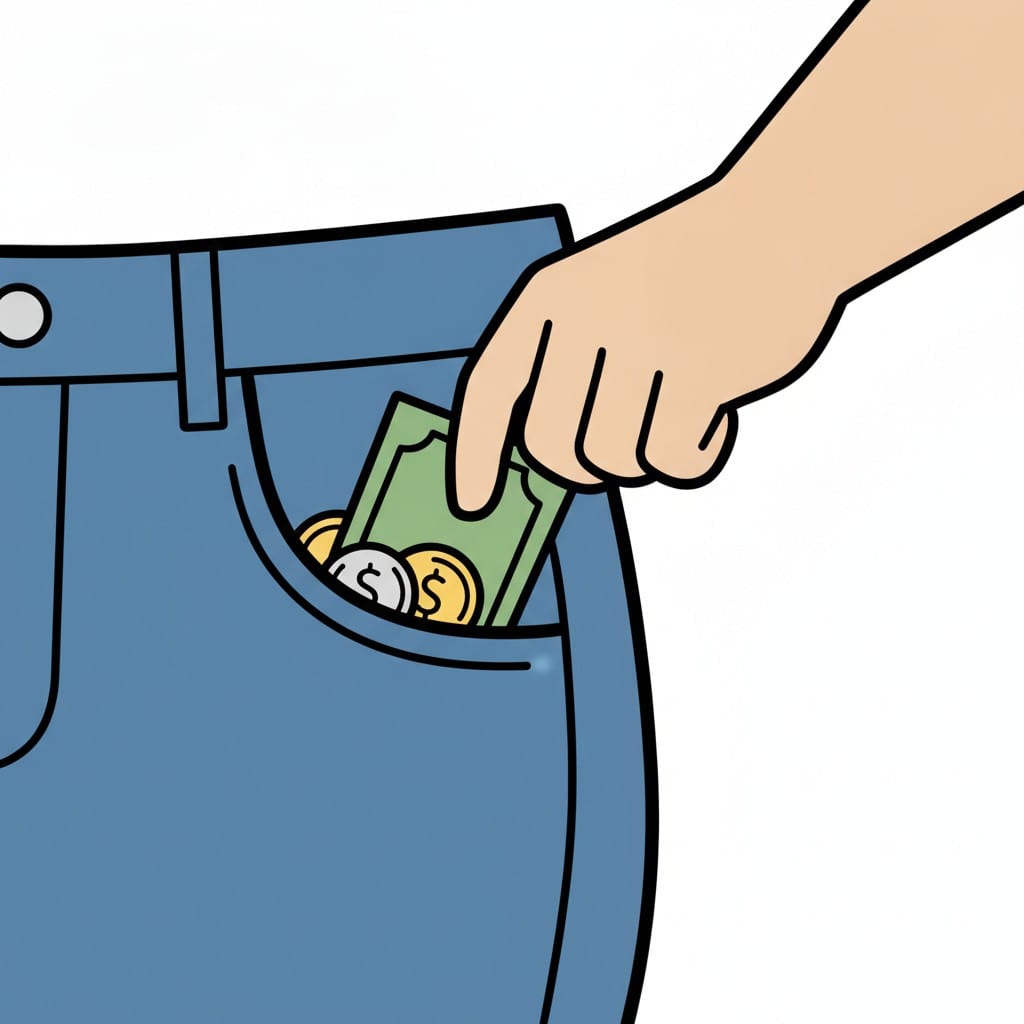
A hand slips a banknote in among coins in the front pocket of a pair of jeans.
 ♀
♀Person with coins in their pocket
A laughing person tucks coins into a trouser pocket and holds a dark wallet with a coin in the other hand.

Stack of banknotes and gold coins
A stack of green banknotes with a dollar sign beside piles of yellow coins with stars.
 ♀
♀Person holding a wallet and a coin
A smiling person holds up a brown wallet with banknotes and a large gold coin, beside a table with a laptop showing a rising chart.
About this visual support
Think about what pocket money actually is for a child. Something appears on Saturday, but nothing lands in their hand to hold. Five pounds is a sound, not a feeling. And a week is still a word whose length depends on how dull the walk to school felt.
That's why visual support matters here. By showing the seven days of the week next to a picture of pocket-money day, plus a picture of what the money can be used for – saving in a jar, buying a snack, putting aside for the toy on the wishlist – the child gets something to lean their thinking against. The link between time and amount becomes visible rather than explained.
One concrete tip: use three clear jars labelled save, spend now and share. When the child receives pocket money, the coins are distributed visually into the jars before anything else happens. The abstraction turns physical. Routined can connect weekdays and small money routines with pictures during a 14-day trial.
Use this image in a schedule
Build your own visual schedule with this image and download it as a print-ready PDF. Completely free.
More similar visual supports
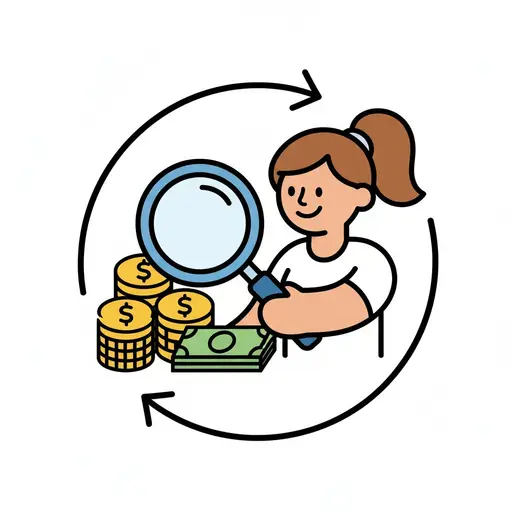
Review allowance
A girl looks through a magnifying glass at stacks of coins and bills to review h...
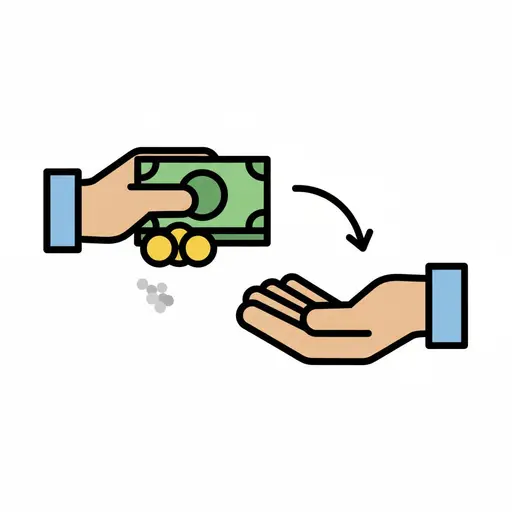
Allowance
One hand passes a banknote and coins to another open hand.

Allowance included
A hand receives a banknote and a coin from a wallet, with an arrow indicating mo...
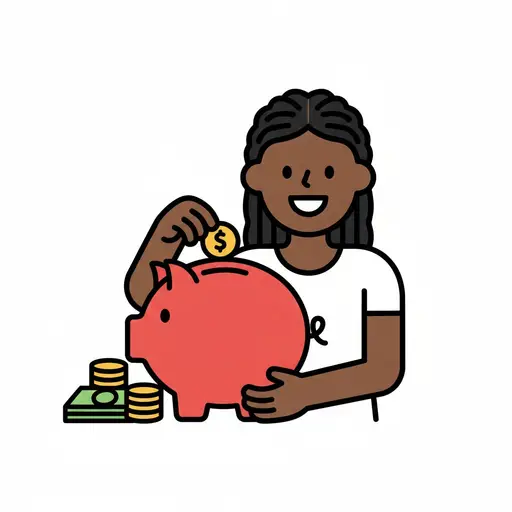
Save money
A girl puts a coin into a red piggy bank next to coins and banknotes.
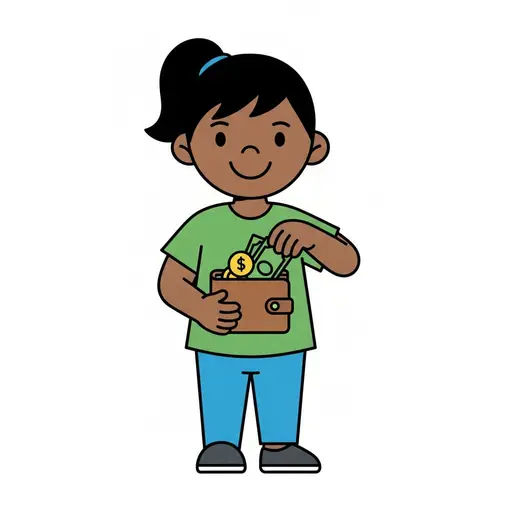
Get pocket money
A child holds an open wallet with a coin and notes.
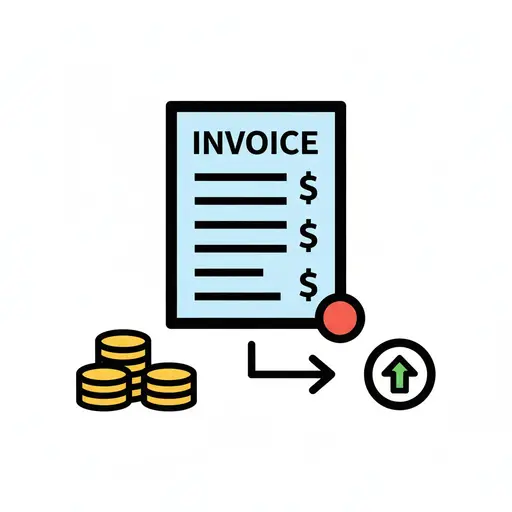
Invoice
An invoice with three amounts, beside two stacks of coins and an arrow pointing ...
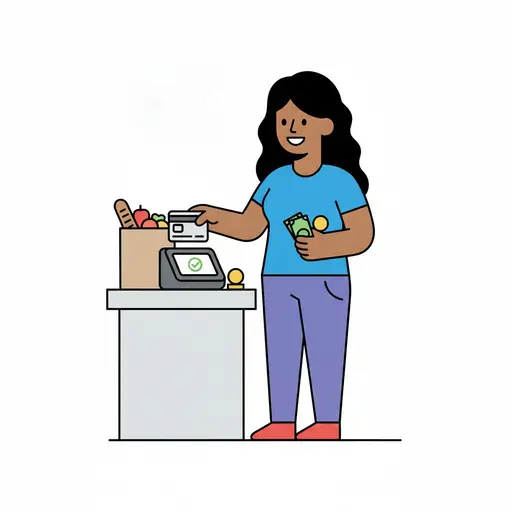
Pay
A person pays with a card at a card reader while holding banknotes, with a bag o...
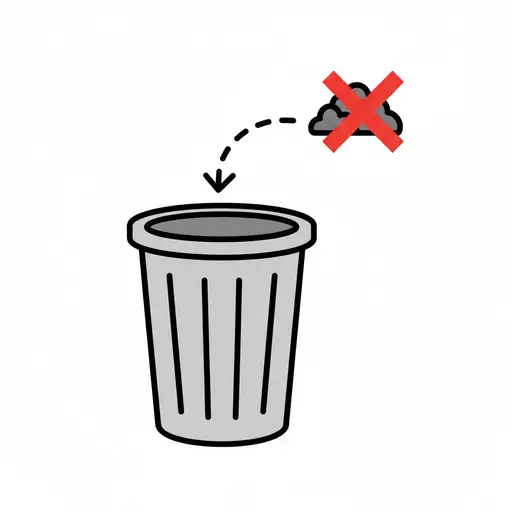
Empty the wastebasket
An empty wastebasket with an arrow from a crossed-out rubbish cloud.
This visual support in other languages
Take the visual supports with you
In Routined you build schedules from these pictures, add timers and voice instructions, and your child follows the day on their own.


* 14-day free trial, then $2.39 a month or $20.99 a year (US pricing). Cancel anytime.