Reminder
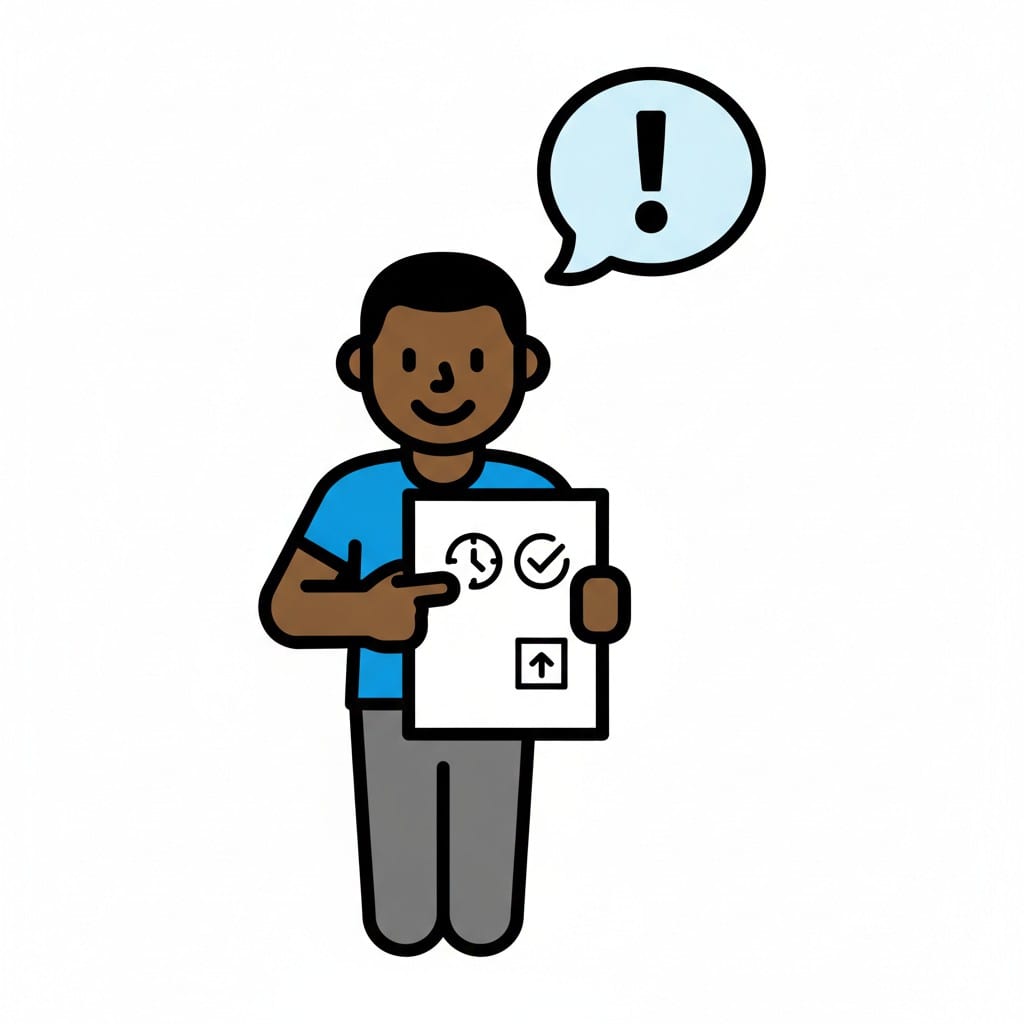
What cannot be seen gets forgotten, especially when the head is already full of other things. A reminder picture gives the important thing somewhere to stand, and the picture below shows a boy holding up his note with a clock and a tick.
 ♂
♂Reminder
A boy holds up a sheet with a clock and a tick and points at it, with a speech bubble containing an exclamation mark.
About this visual support
Forgetting almost always happens at the same moment: at the door, at the dinner table, just as something more fun takes over. Your child meant to bring the PE bag, call grandma or take the medicine, but the thought did not stay put. It is rarely carelessness. Working memory holds only a few things at a time, and the first one to be pushed out is usually the one that cannot be seen.
A reminder picture moves the task from the head to the wall. The picture shows a boy holding up a sheet with a clock and a tick and pointing at it, with a speech bubble containing an exclamation mark above him. It works as a general signal that something important needs doing, and can sit next to the picture of the task itself. Together they say both that and what.
A practical tip is to put the reminder where the forgetting usually happens, not where the task is done. If the PE bag is forgotten in the hall, the reminder belongs by the front door, not in your child's room. Remove the picture once the task is done, so the next reminder still feels important. In Routined, reminders can be linked to times in your child's schedule, and the app can be tried for 14 days at no cost.
Use this image in a schedule
Build your own visual schedule with this image and download it as a print-ready PDF. Completely free.
More similar visual supports
Finish up
An adult with a mop holds up a hand beside a clock and a finish flag, with toys ...
Get note
A simple illustration of a person holding out a white note.
Important task
A man holds a key and points to a stack of papers or tasks with an exclamation m...
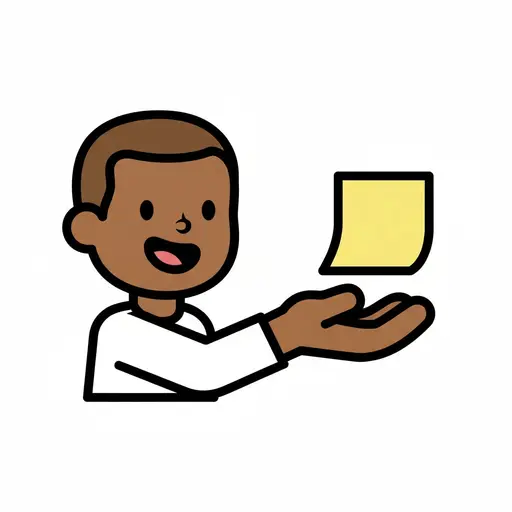
Take yellow note
A person is holding a yellow sticky note in their open palm.
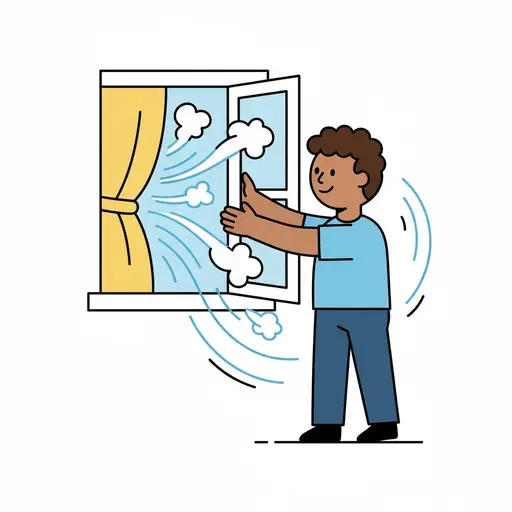
Air out
A boy opens a window to air out the room.
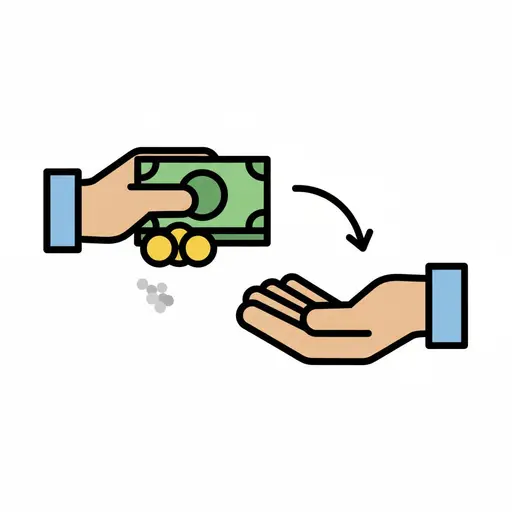
Allowance
One hand passes a banknote and coins to another open hand.

Allowance included
A hand receives a banknote and a coin from a wallet, with an arrow indicating mo...
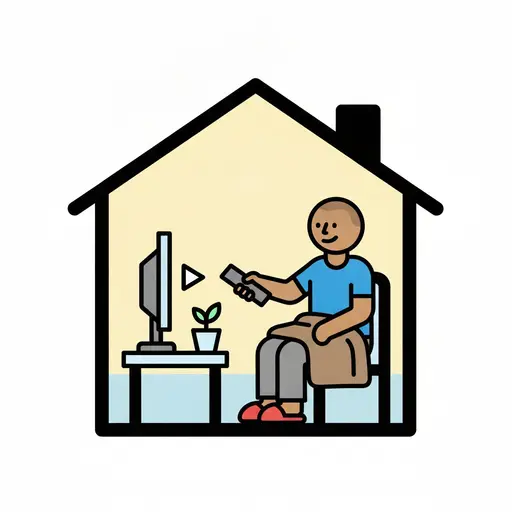
At home
A person sits in a chair inside a house watching TV with the remote in hand.
Take the visual supports with you
In Routined you build schedules from these pictures, add timers and voice instructions, and your child follows the day on their own.


* 14-day free trial, then $2.39 a month or $20.99 a year (US pricing). Cancel anytime.