Shop groceries
Holding a list, comparing prices, finding the right aisle and queuing – an adult juggles it, a child's brain stalls in too many parallel tracks. The visual support below stacks the tracks one after the other instead of on top of each other.
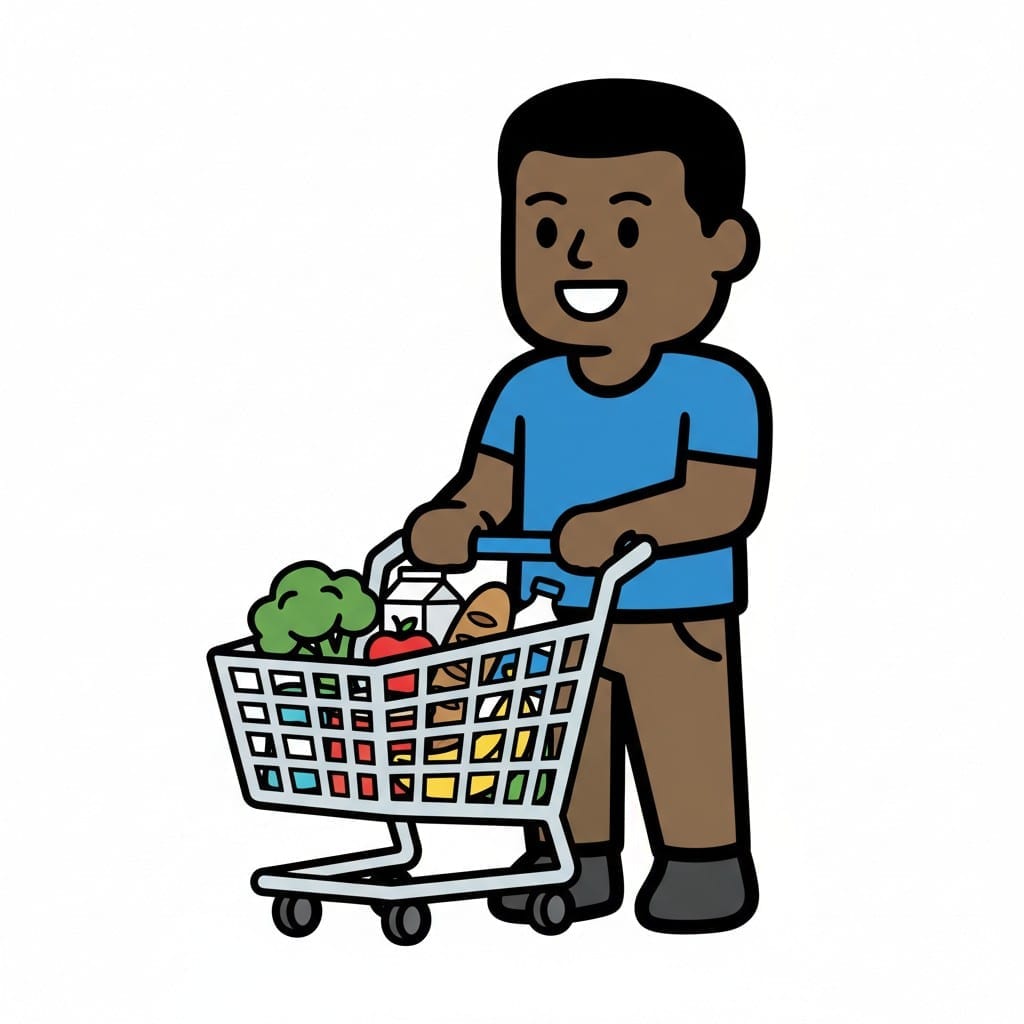 ♂
♂Shop groceries
A person pushing a shopping cart filled with groceries.
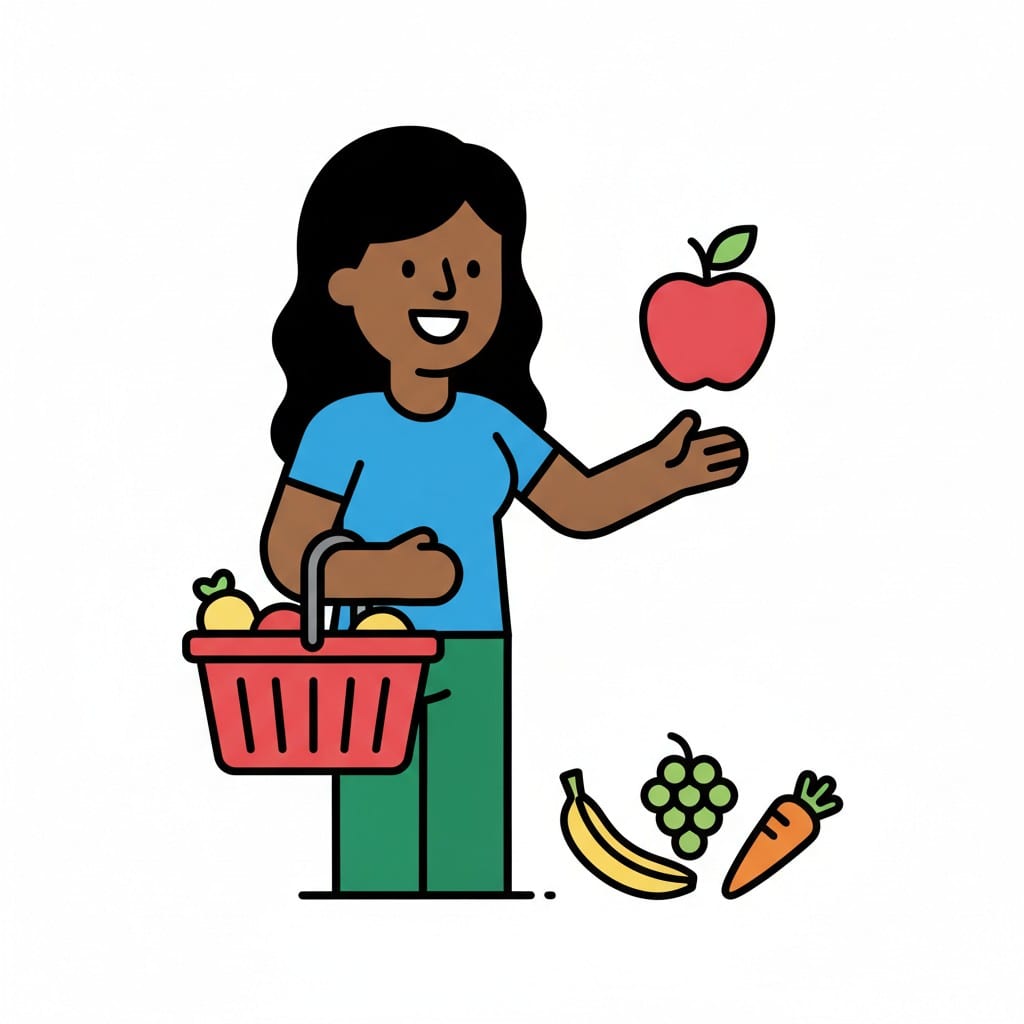 ♀
♀Helping with food
A woman with a basket points at an apple, with fruit and vegetables below.
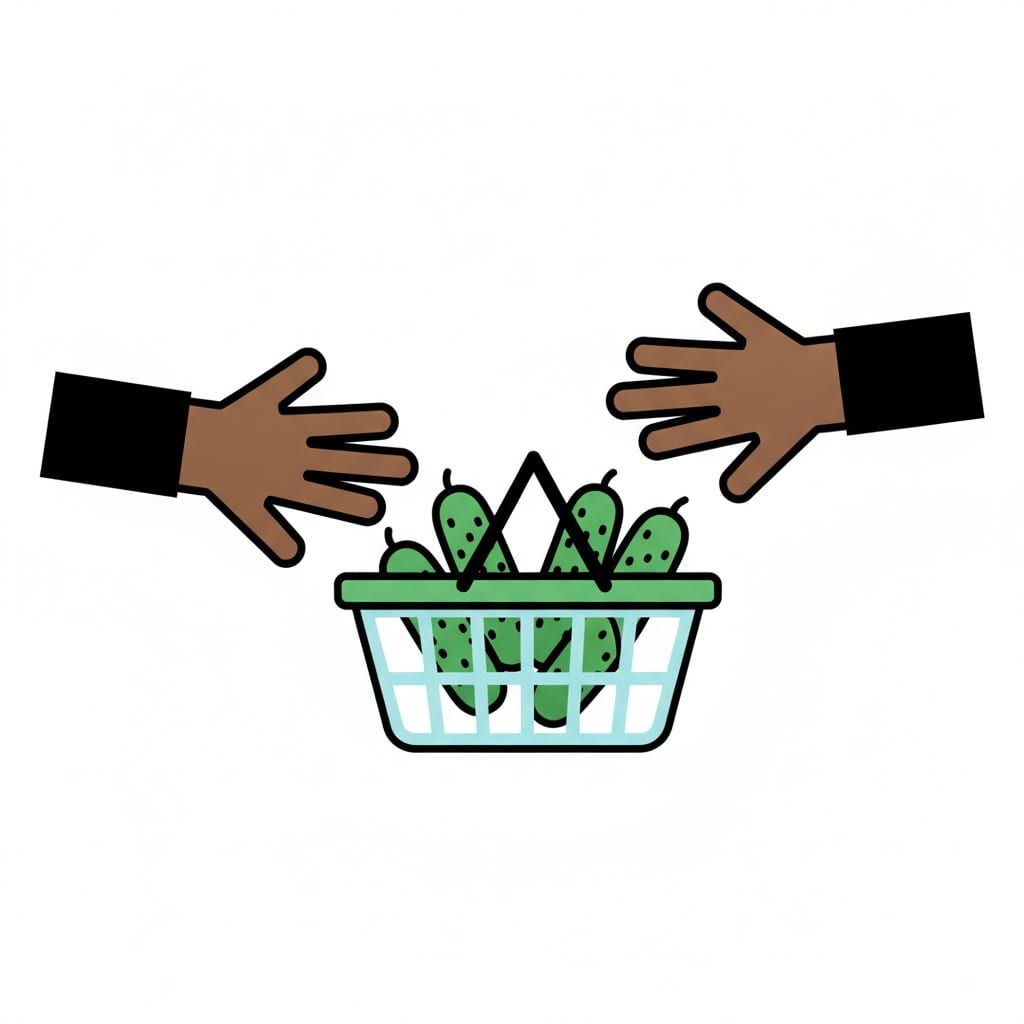 ⚲
⚲Getting cucumbers
Two hands reach for a basket of cucumbers.
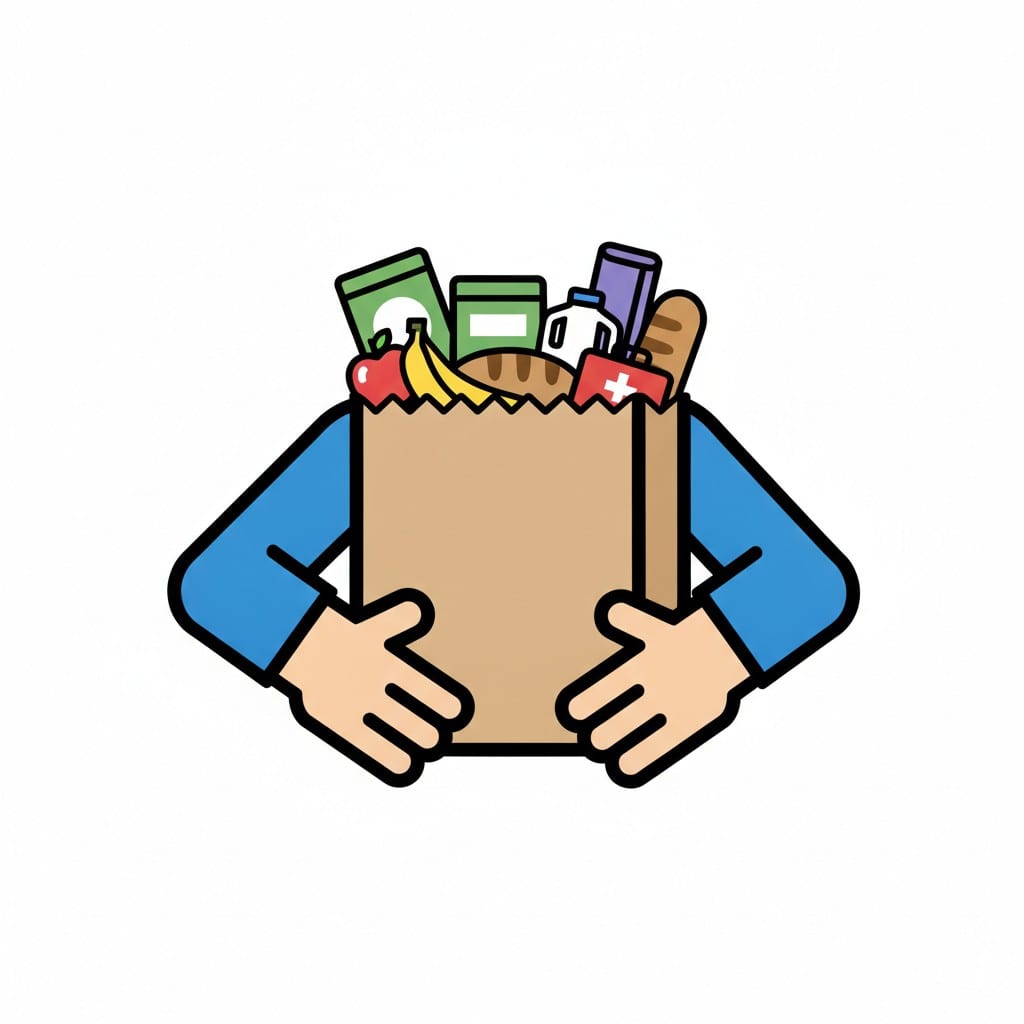 ⚲
⚲Getting the essentials
Arms carry a paper bag full of groceries.
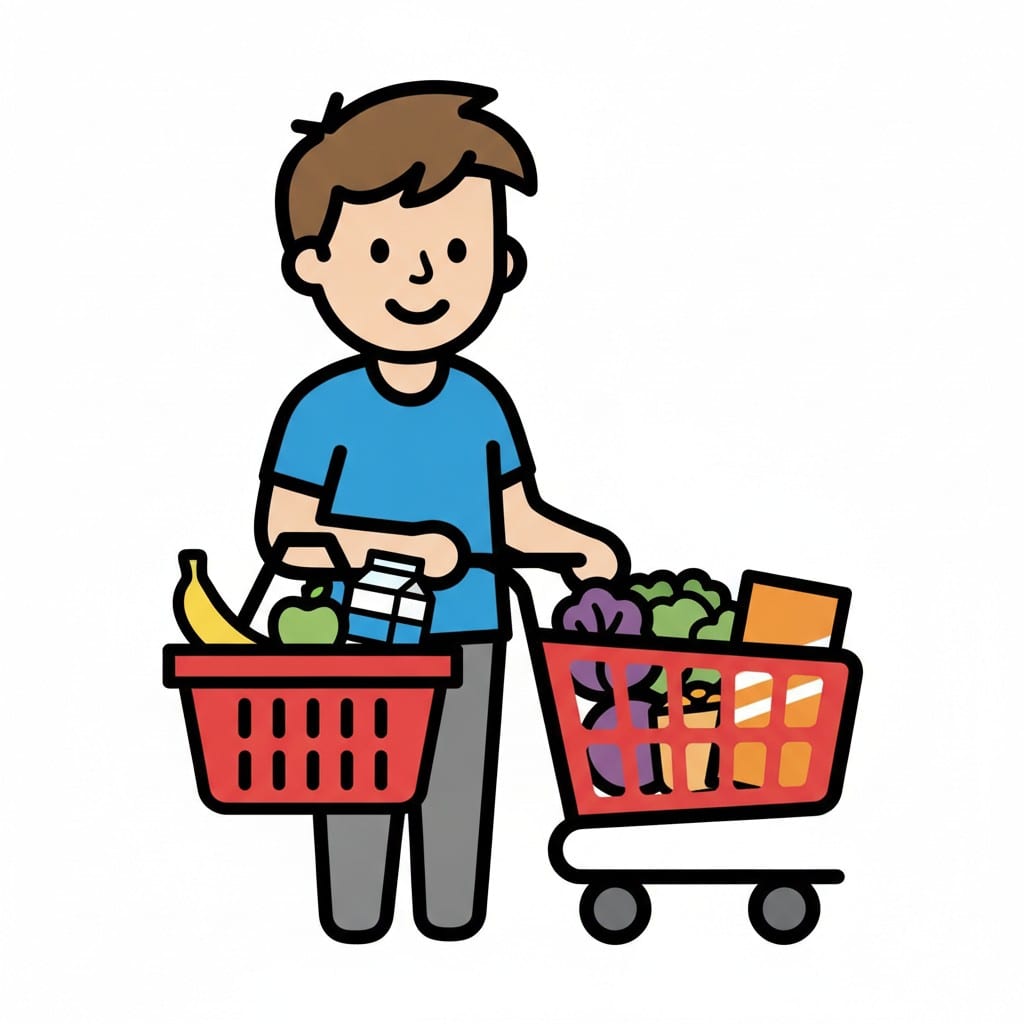 ⚲
⚲Grocery shopping
A smiling man holds a red basket with bananas and milk and pushes a trolley full of vegetables.
About this visual support
Grocery shopping looks like a single task from the outside, but inside it splits into four or five running at once. What is on the list, which aisle we are in, which price is better, how long the queue is and whether patience will last. For a child who has not yet automated those parallel tracks, every small choice drains energy from the next.
With the cards out, nothing has to live only in the head. The list becomes a small stack, the aisle order becomes a chain, and the till gets its own place at the end. The child can stay in one spot at a time without losing the others. Cooperation often starts to flow here – not because the child pulled themself together, but because the task shrank to one thing at a time.
A concrete tip: give the child a personal mini-list of three pictures. You walk the full route together, but they tick off their own three. It hands over ownership without the whole load. Routined can pair the list with a timer so the queue at the till also sits inside the plan.
Use this image in a schedule
Build your own visual schedule with this image and download it as a print-ready PDF. Completely free.
More similar visual supports
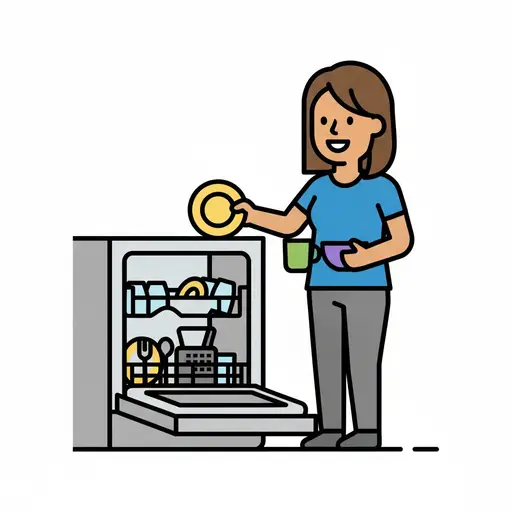
Load the dishes
A woman puts plates and cups into the dishwasher.
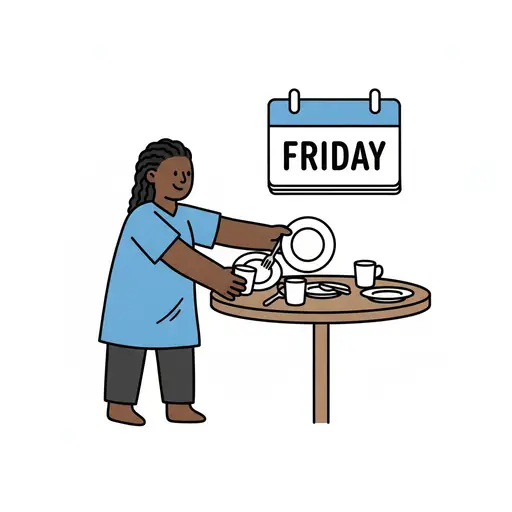
Clear the table on Friday
A woman gathers plates and mugs from a round table next to a calendar showing Fr...
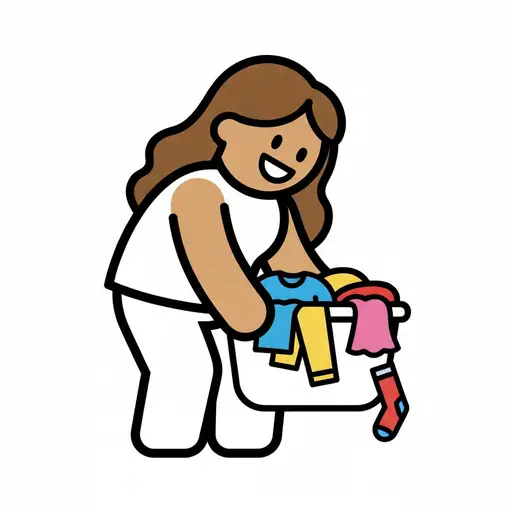
Fetch the laundry
A woman bends down and puts clothes into a laundry basket.
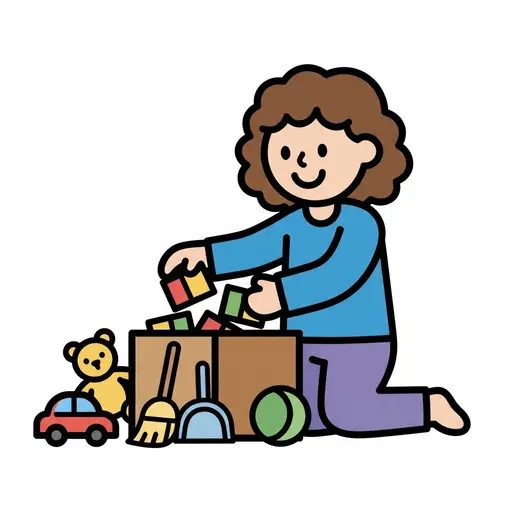
Tidy up the room
A girl with curly brown hair kneeling on the floor, placing colourful building b...
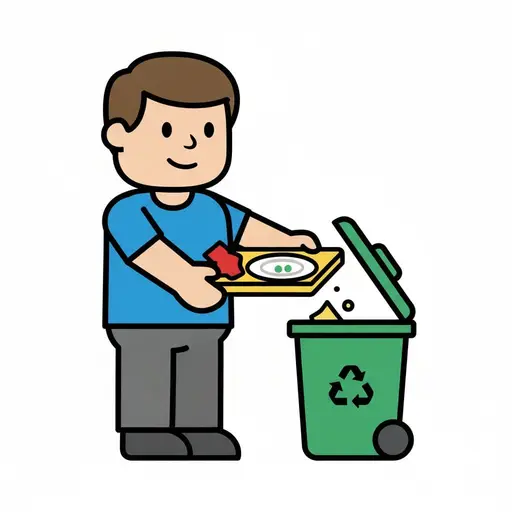
Lunch cleanup
A boy scrapes a lunch tray into a green bin.
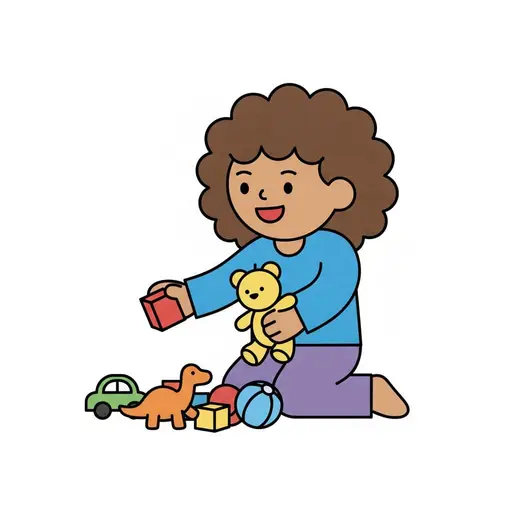
Put away toys
A child kneels holding a yellow teddy and a red block, with toys on the floor.
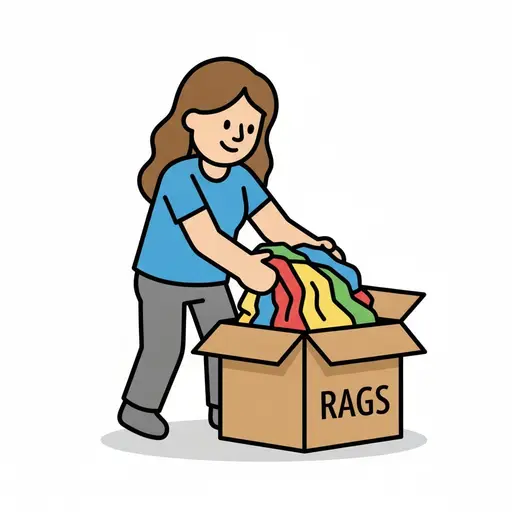
Pack the cloths
An adult puts colourful cloths into a cardboard box.

Important task
A man holds a key and points to a stack of papers or tasks with an exclamation m...
This visual support in other languages
Take the visual supports with you
In Routined you build schedules from these pictures, add timers and voice instructions, and your child follows the day on their own.


* 14-day free trial, then $2.39 a month or $20.99 a year (US pricing). Cancel anytime.