Rinse mouth
Rinsing the mouth sounds small, but for the child it means loose water sliding around, a lingering toothpaste burn and a spit aim that has to hit the middle of the sink. The pictures below walk through it calmly.
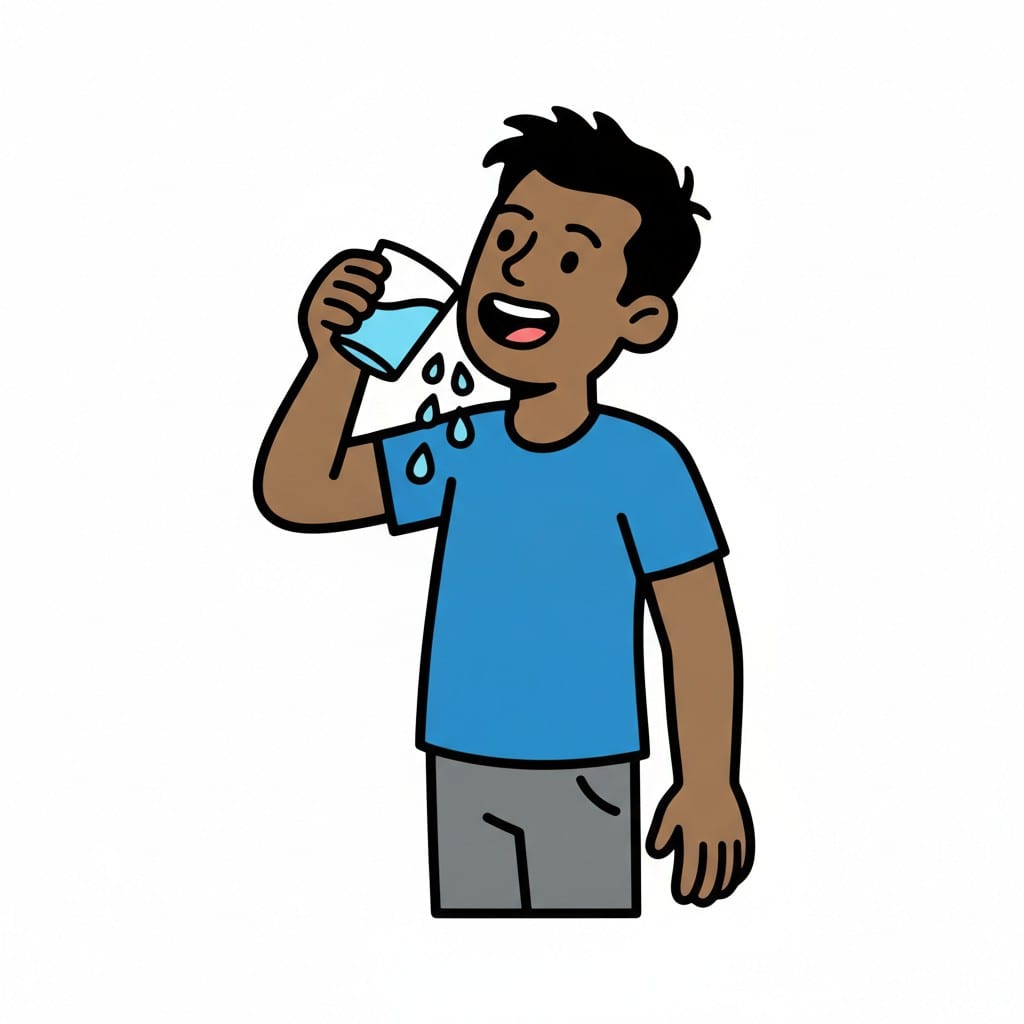 ♂
♂Rinse mouth
A person tips water from a cup into their mouth as drops fall.
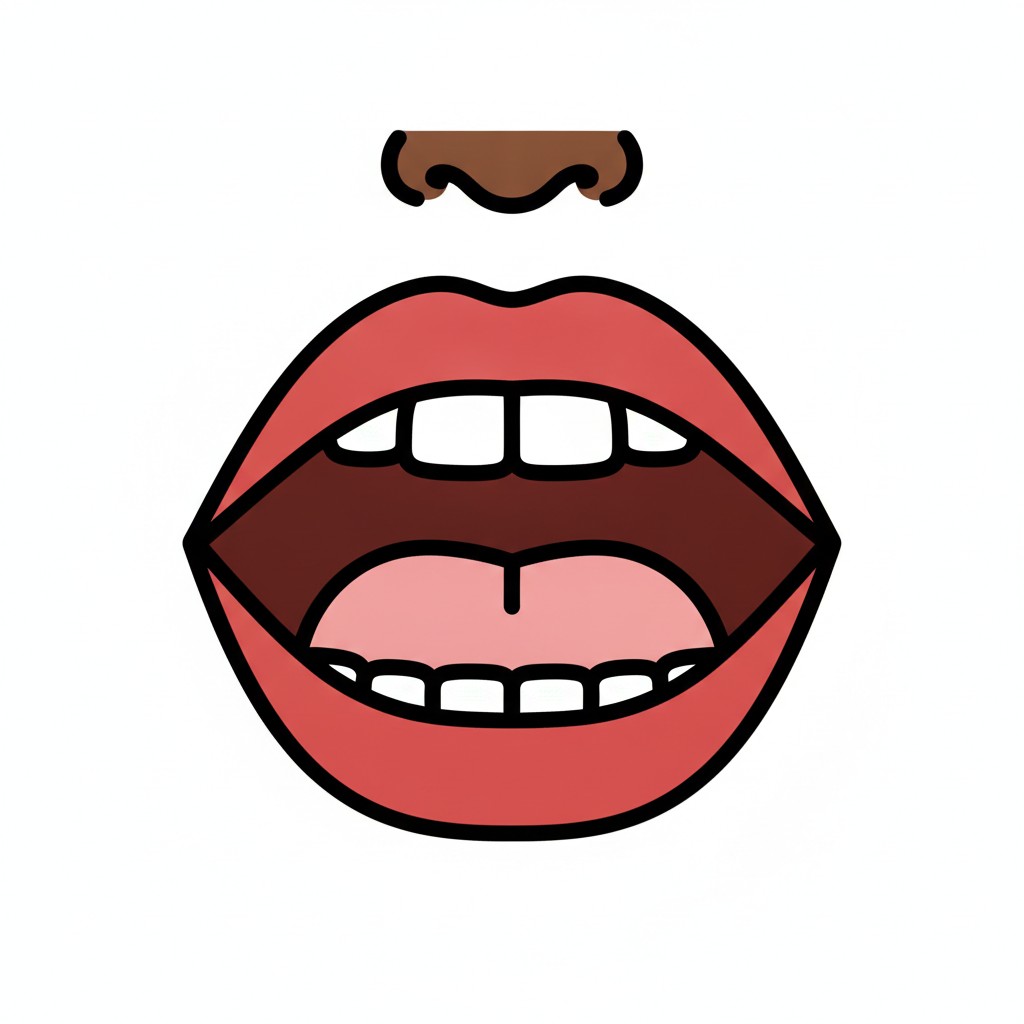
The mouth
A close-up of an open mouth with teeth and tongue.
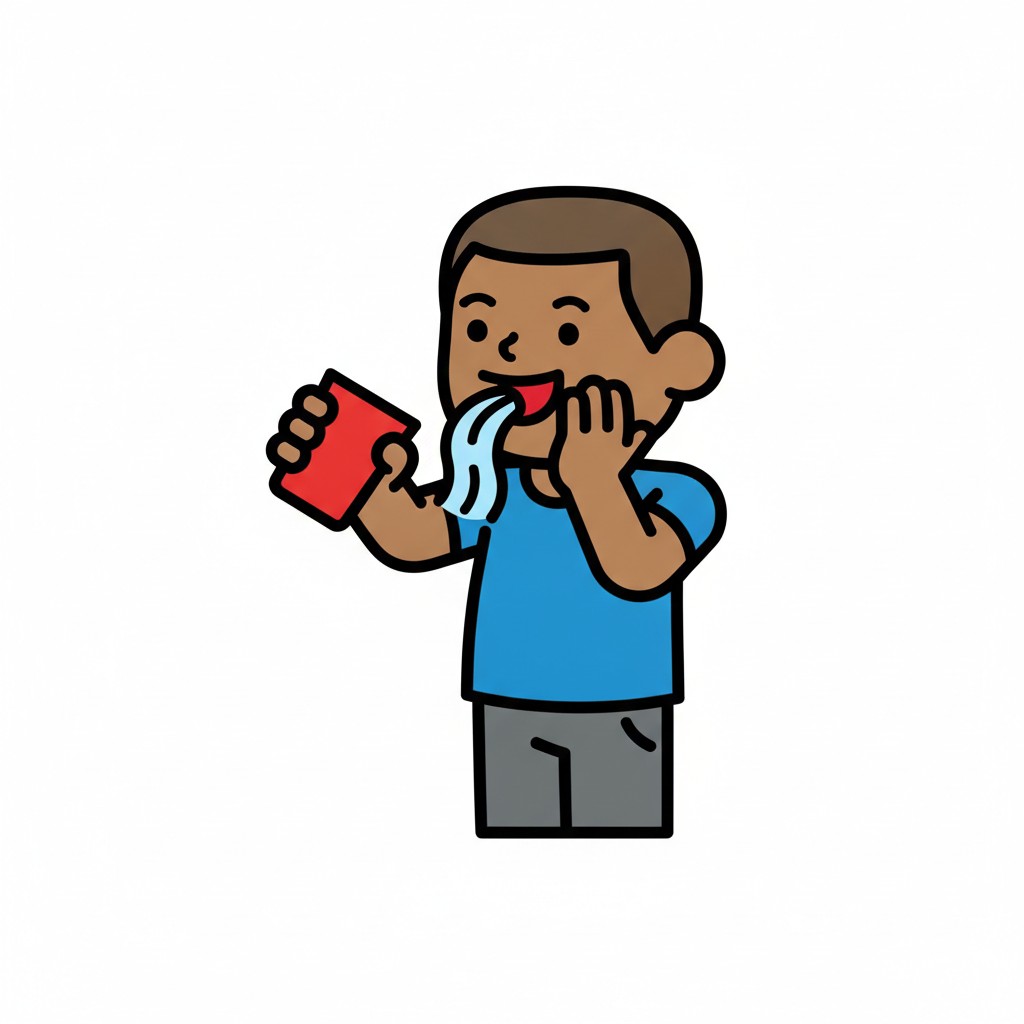 ♂
♂Rinse and wipe
A person holds a red cup and wipes their mouth with a towel.
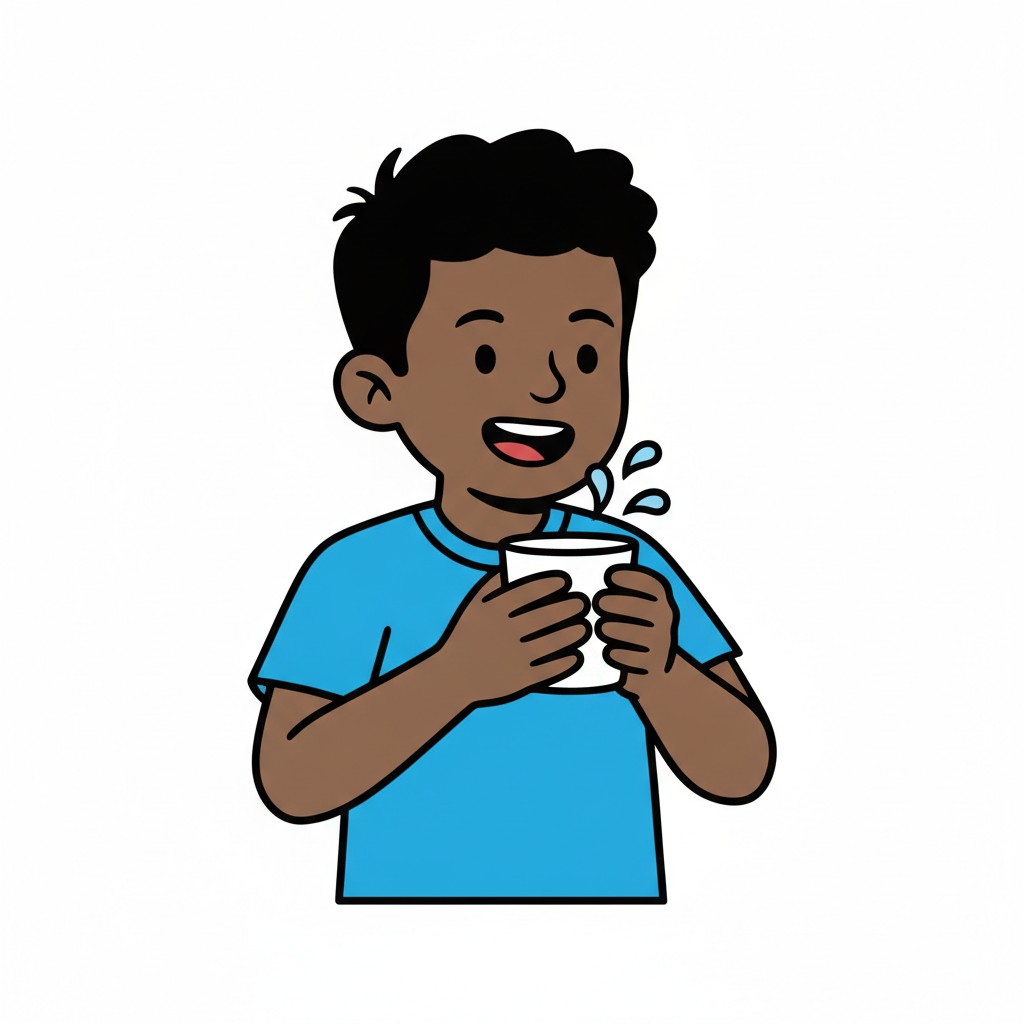 ♂
♂Spit out the water
A person spits out water while holding a glass.
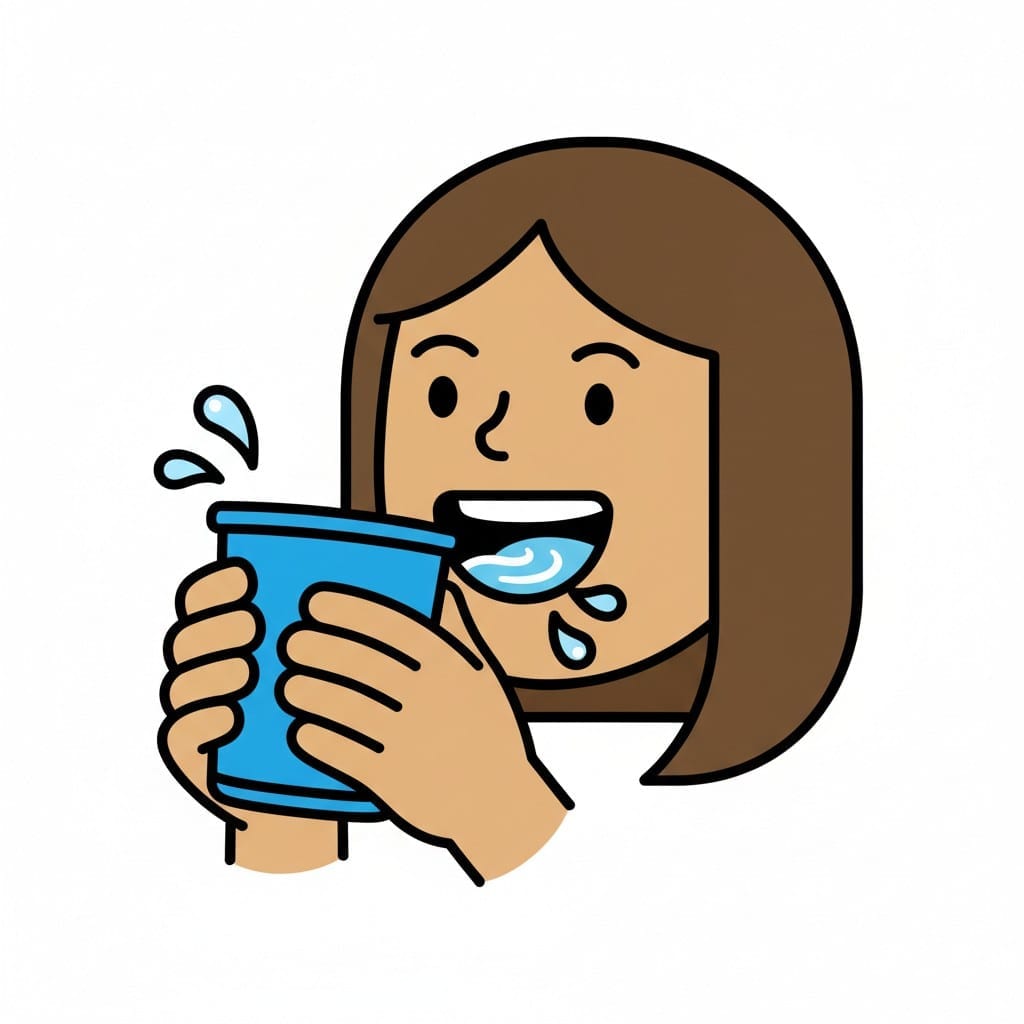 ♀
♀Rinse mouth
A close-up of a person rinsing their mouth with water from a blue cup.
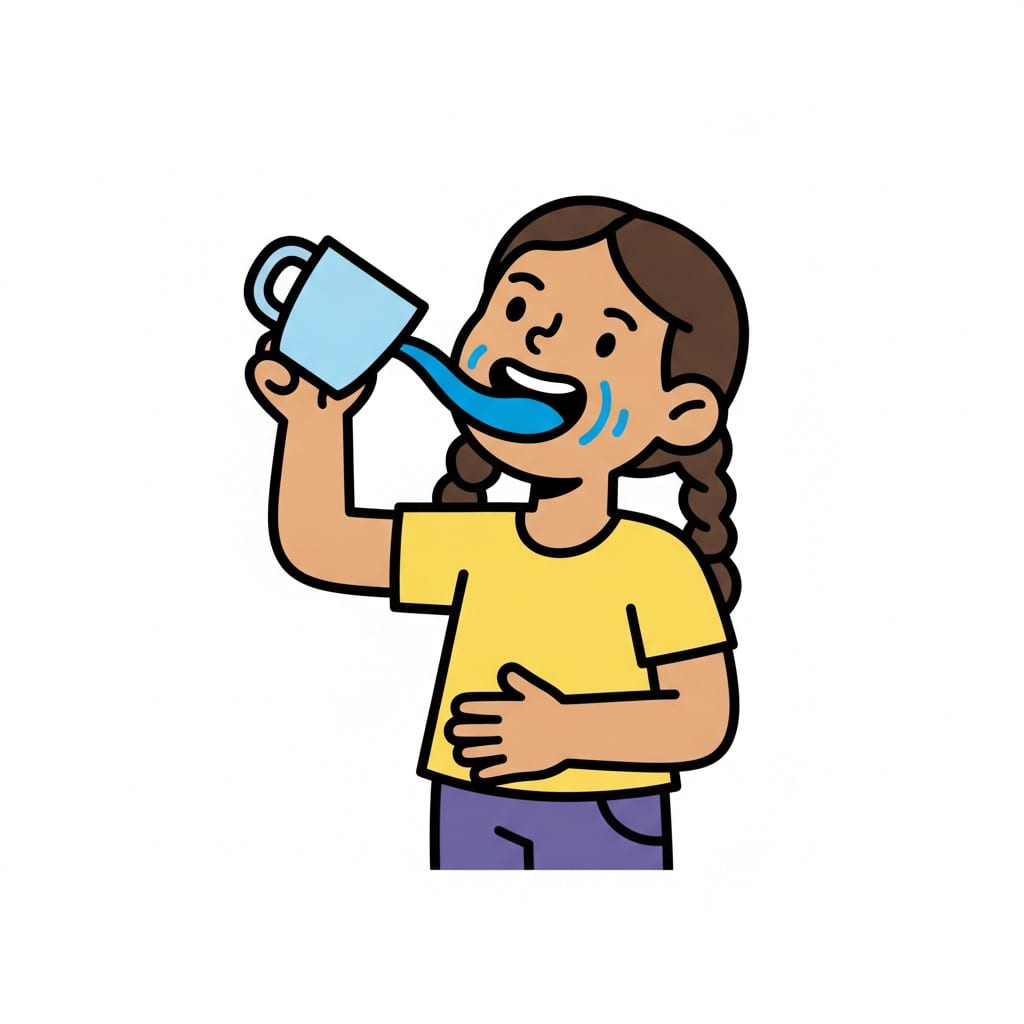 ♀
♀Rinsing mouth
A girl rinses her mouth with water from a cup.
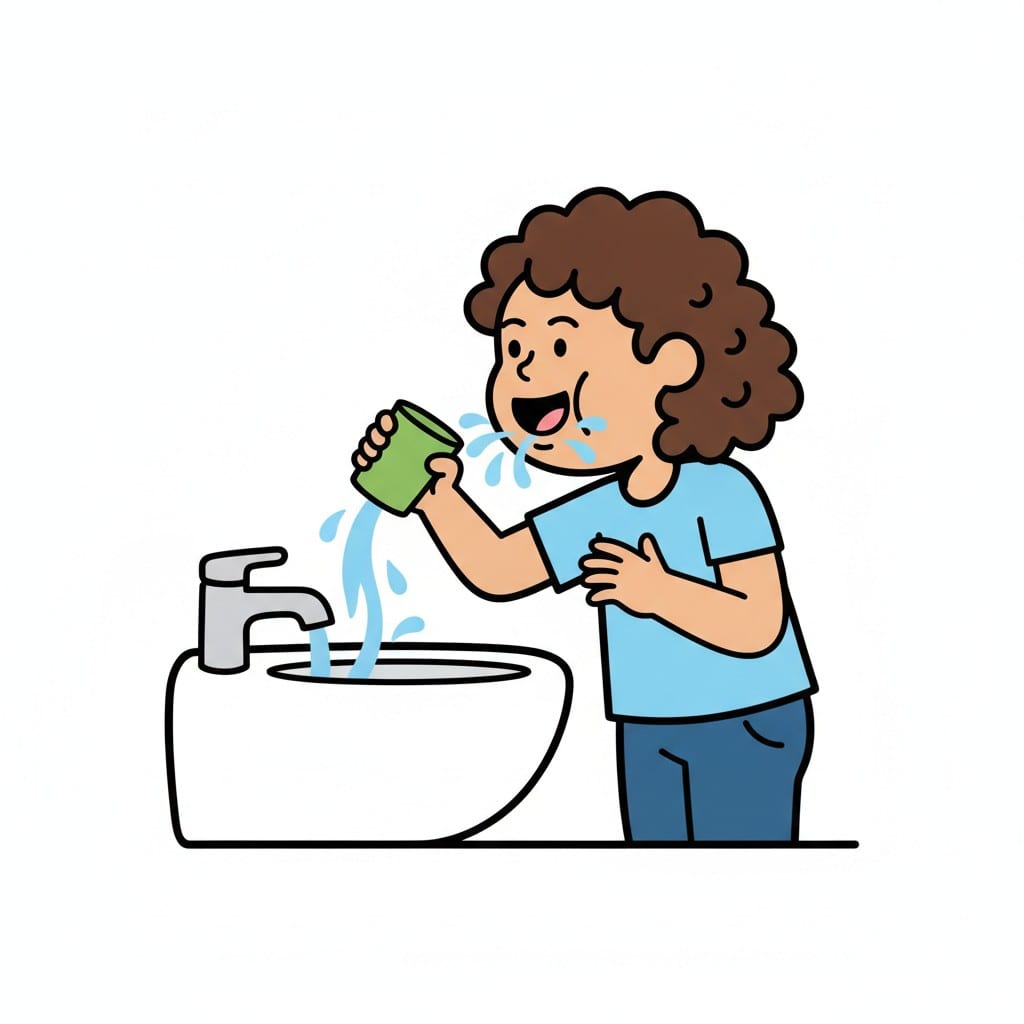 ♀
♀Rinsing the mouth
A girl with curly hair holds a green cup and spits water into the sink.
About this visual support
For a child, rinsing the mouth is three tasks rolled into one. First the water has to stay behind the lips without dribbling down the chin. Then the tongue and cheeks move it around, which can feel ticklish or uncomfortable if the toothpaste is still tingling. Finally the whole lot has to be aimed and released, ideally into the sink rather than the shirt or the mirror.
When the steps live on picture cards, one for taking in water, one for swirling, one for leaning over the sink and one for spitting, each moment becomes its own contained job. The visual schedule removes the guesswork and lets a sensitive mouth focus on one sensation at a time instead of all of them. That is often when you notice resistance was not laziness, it was overload.
A specific tip: use a small plastic cup with a line marked halfway up so the amount of water is always the same and predictable. In the Routined app you can place the rinse as its own step after toothbrushing, so the child sees that they are two separate jobs.
This image is part of these ready-made schedules
Use this image in a schedule
Build your own visual schedule with this image and download it as a print-ready PDF. Completely free.
More similar visual supports
Mouthwash
A bottle of mouthwash and a cup of mouthwash.
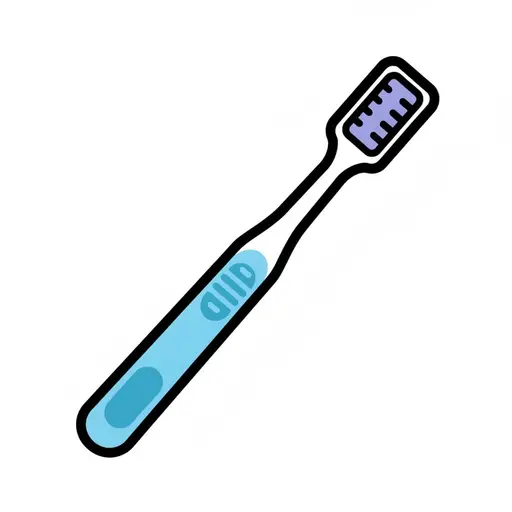
Toothbrush
A light blue toothbrush with purple bristles.
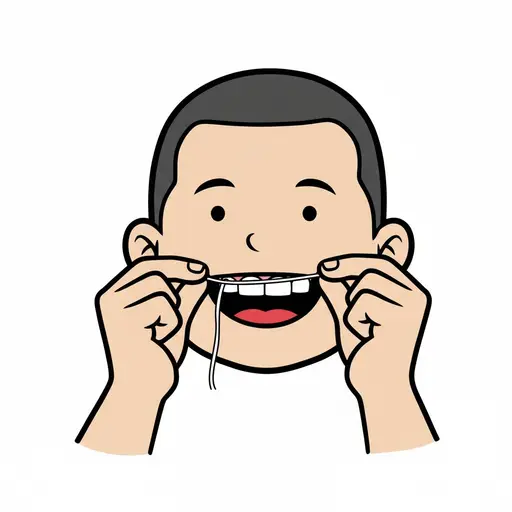
Use floss
A person uses floss to clean their teeth.
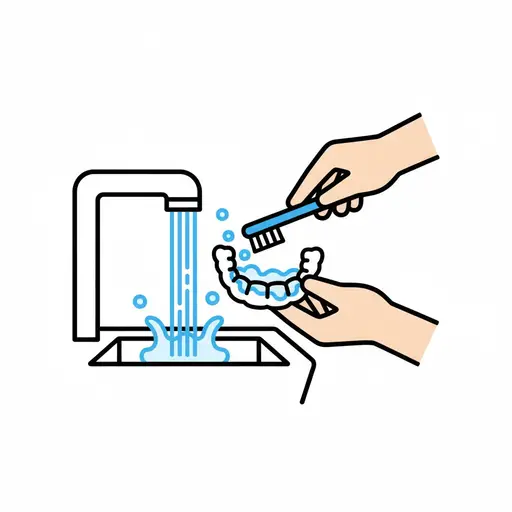
Clean the retainer
Two hands hold a clear retainer and a toothbrush at a sink with the water runnin...
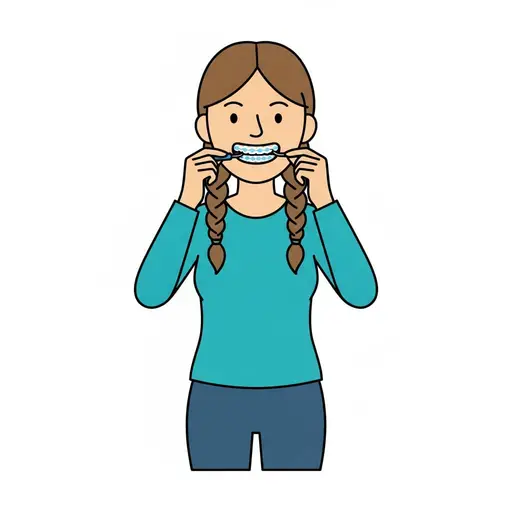
Braces
A girl with braids shows her braces and touches them with her fingers.
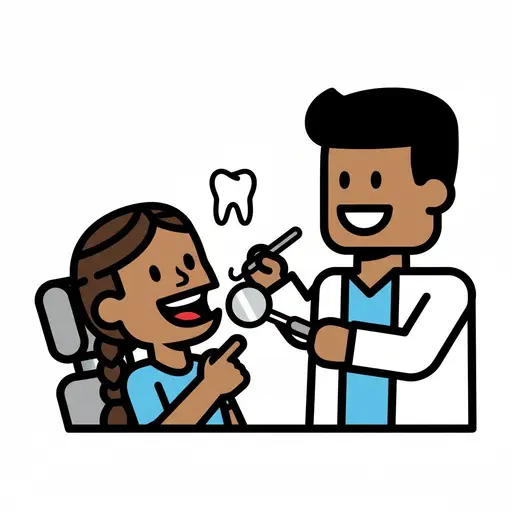
Visit dentist
A child sits in a dentist's chair with an open mouth, pointing to their teeth. A...
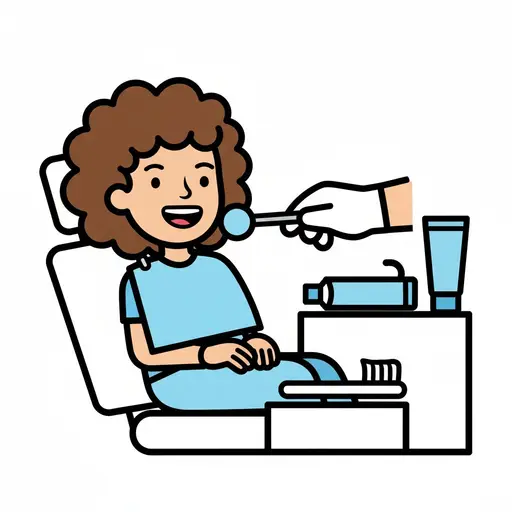
Dentist visit
A person sits in a dentist's chair with an open mouth. A hand with a dental mirr...
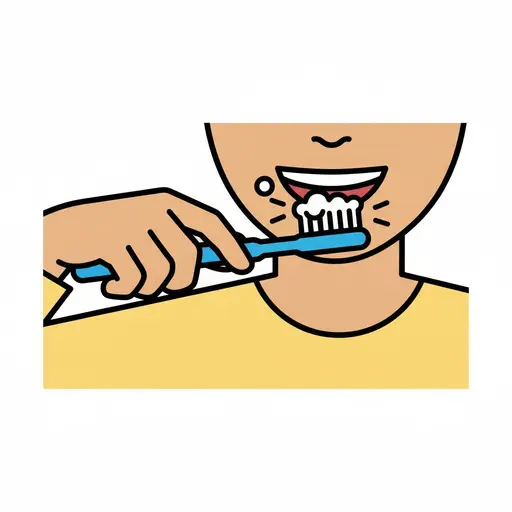
Brush teeth
Close-up of a mouth with toothpaste foam while the teeth are brushed.
This visual support in other languages
Take the visual supports with you
In Routined you build schedules from these pictures, add timers and voice instructions, and your child follows the day on their own.


* 14-day free trial, then $2.39 a month or $20.99 a year (US pricing). Cancel anytime.