Rub it in
Cold lotion on a warm arm is a strong signal, and then the hand keeps rubbing long after a child thinks it is enough. The pictures below make the waiting understandable by showing how many spots are left.
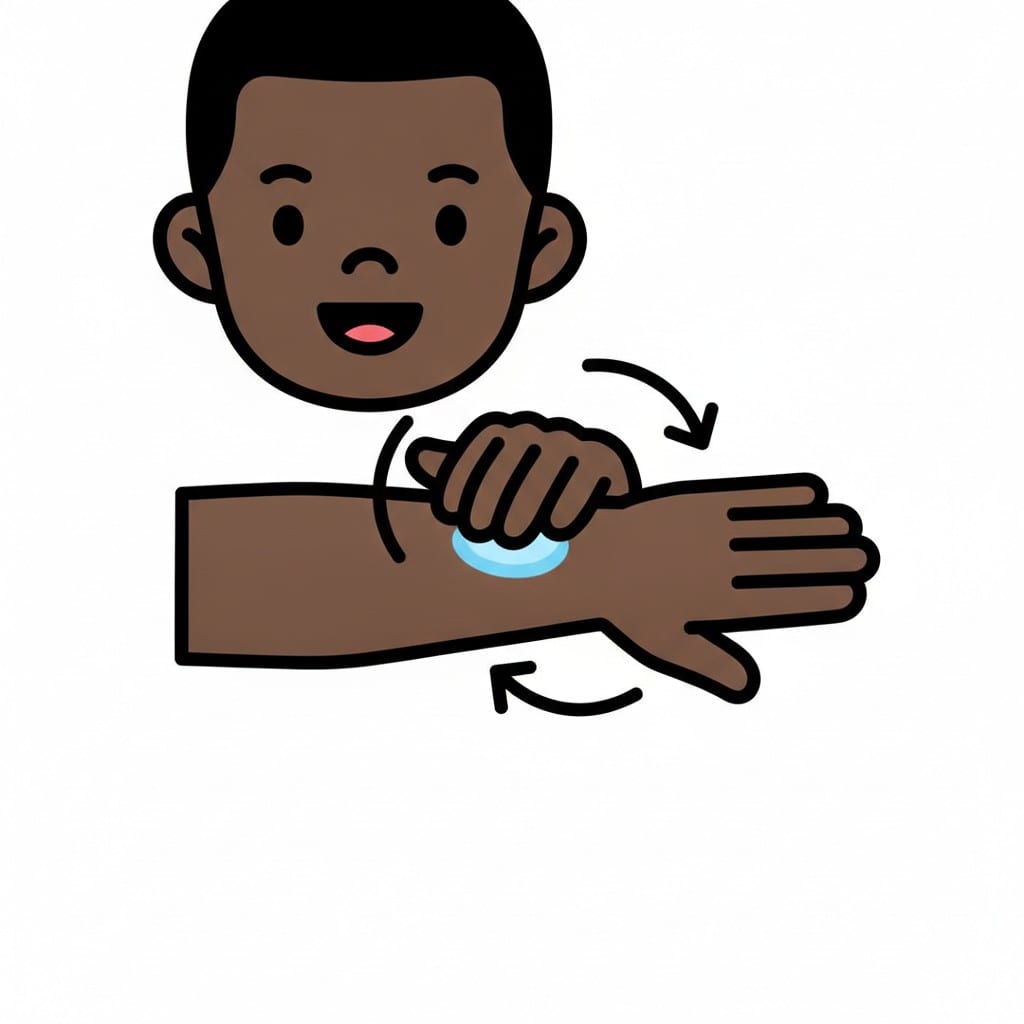 ♂
♂Boy rubbing cream into his forearm
A smiling boy rubs a blob of blue cream into his forearm, with curved arrows showing the circular motion.
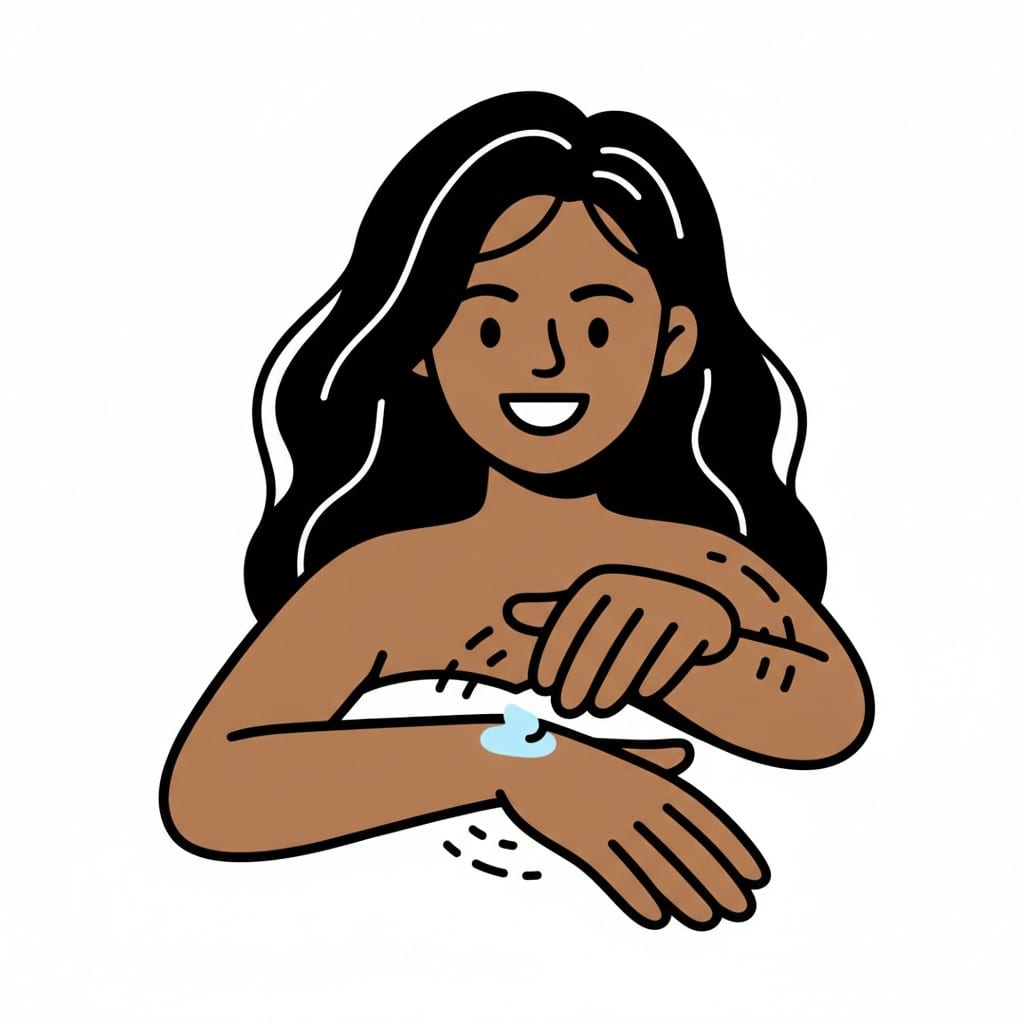 ♀
♀Rub it in
A person rubs a blob of lotion into the forearm.
About this visual support
First the lotion is cold, then it feels sticky, and only after that does the skin feel soft. For a child who notices touch strongly, those are three separate experiences in a row, and it is the middle one that makes rubbing in stop halfway. The blob on the arm is no longer visible, but the sense that something is still sitting there remains, and that is the moment an arm gets pulled away.
Pictures help because they turn the body into an order rather than a negotiation. One card per area, arms, legs, tummy, face, lets a child see how much is left and say which order it should happen in. For a child with autism, that predictability can be the difference between resistance and taking part. A tip that fits this particular step: warm the lotion between your hands for a few seconds before it meets the skin, and let your child do the last stroke on each area, so the touch ends on their terms.
The visual support is free to download and can be kept where the lotion lives. If you want the order on a screen, Routined can be tested for fourteen days at no cost, with rubbing in placed inside the evening routine.
Use this image in a schedule
Build your own visual schedule with this image and download it as a print-ready PDF. Completely free.
More similar visual supports
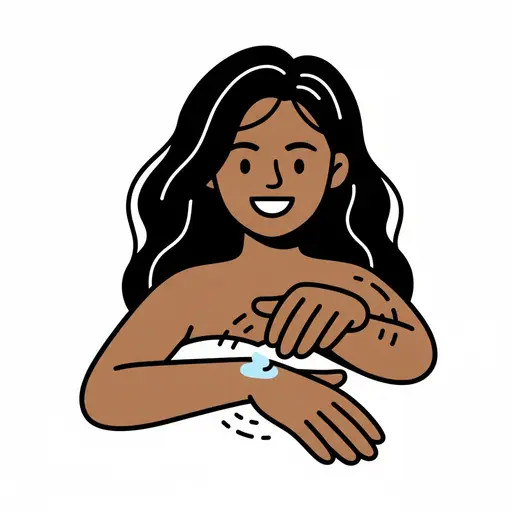
Put on lotion
One hand holds a pump bottle while the other rubs the cream into the skin of the...
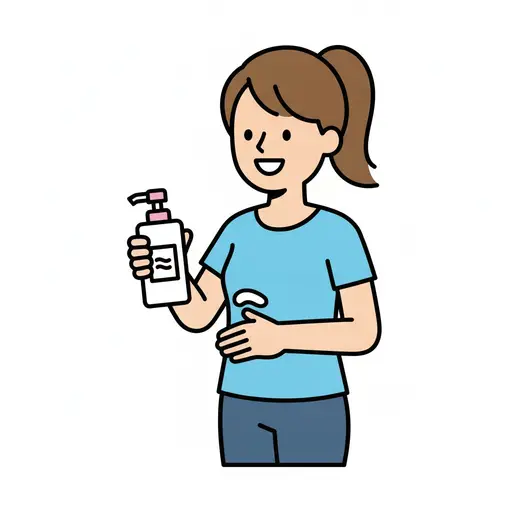
Apply body cream
A woman holds a pump bottle and rubs lotion onto her stomach.
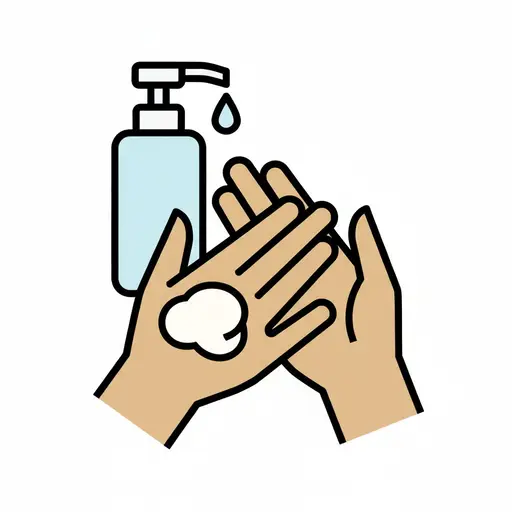
Put cream on your hands
Two hands rub a blob of cream together while a pump bottle stands beside them.
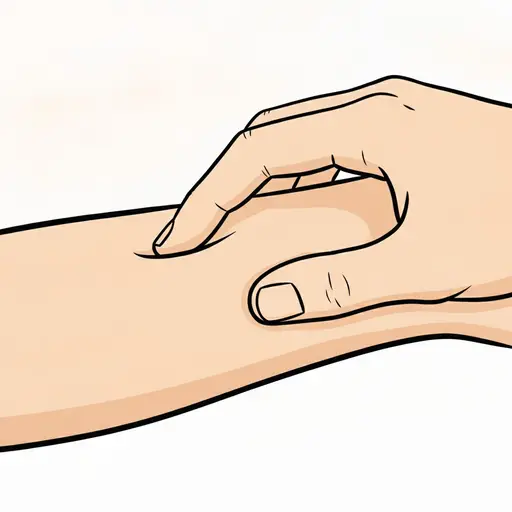
Skin
A hand touching the skin of a forearm
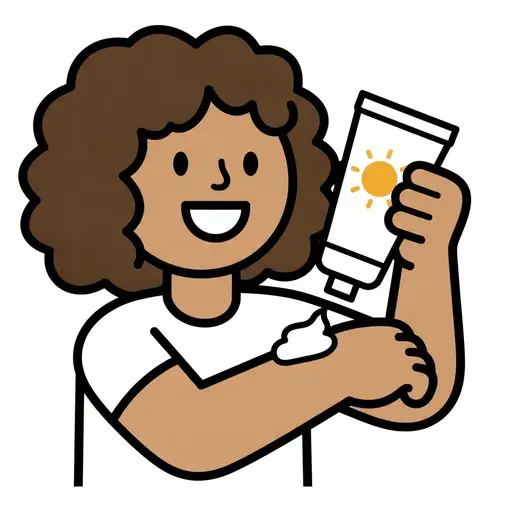
Sunscreen
A smiling girl holds a sunscreen tube marked with a sun and has a dab of white c...

Apply sunscreen
A girl applies sunscreen to her cheek with her hand, holding a blob of sunscreen...
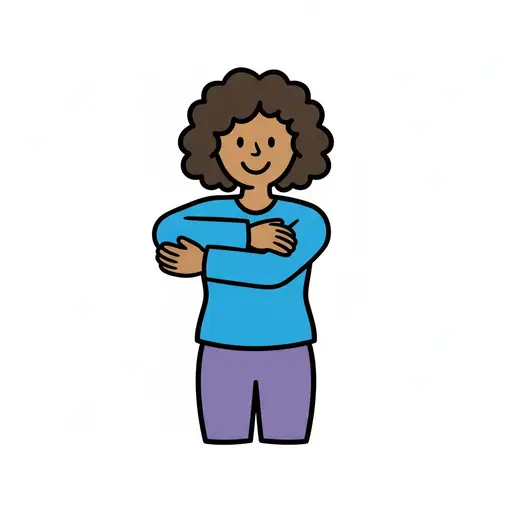
Apply lotion
A woman rubs her crossed arms.
Lotion body
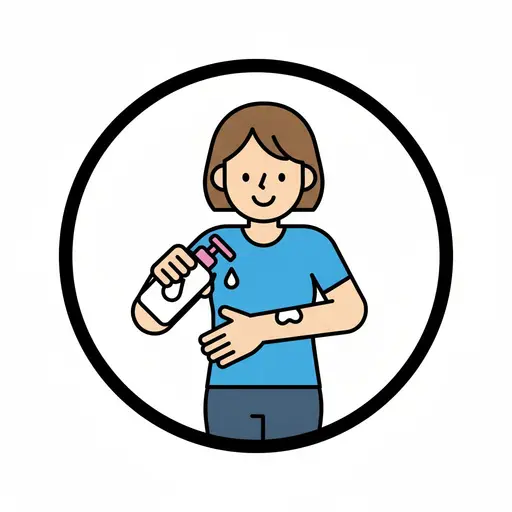
A woman pumps lotion from a bottle and rubs it into her arm.
This visual support in other languages
Take the visual supports with you
In Routined you build schedules from these pictures, add timers and voice instructions, and your child follows the day on their own.


* 14-day free trial, then $2.39 a month or $20.99 a year (US pricing). Cancel anytime.