Cats
Two cats can look the same out of the corner of your eye but have completely different personalities. One wants food first, the other hides if you move wrong. The visual support below helps your child tell them apart and remember what each one needs.
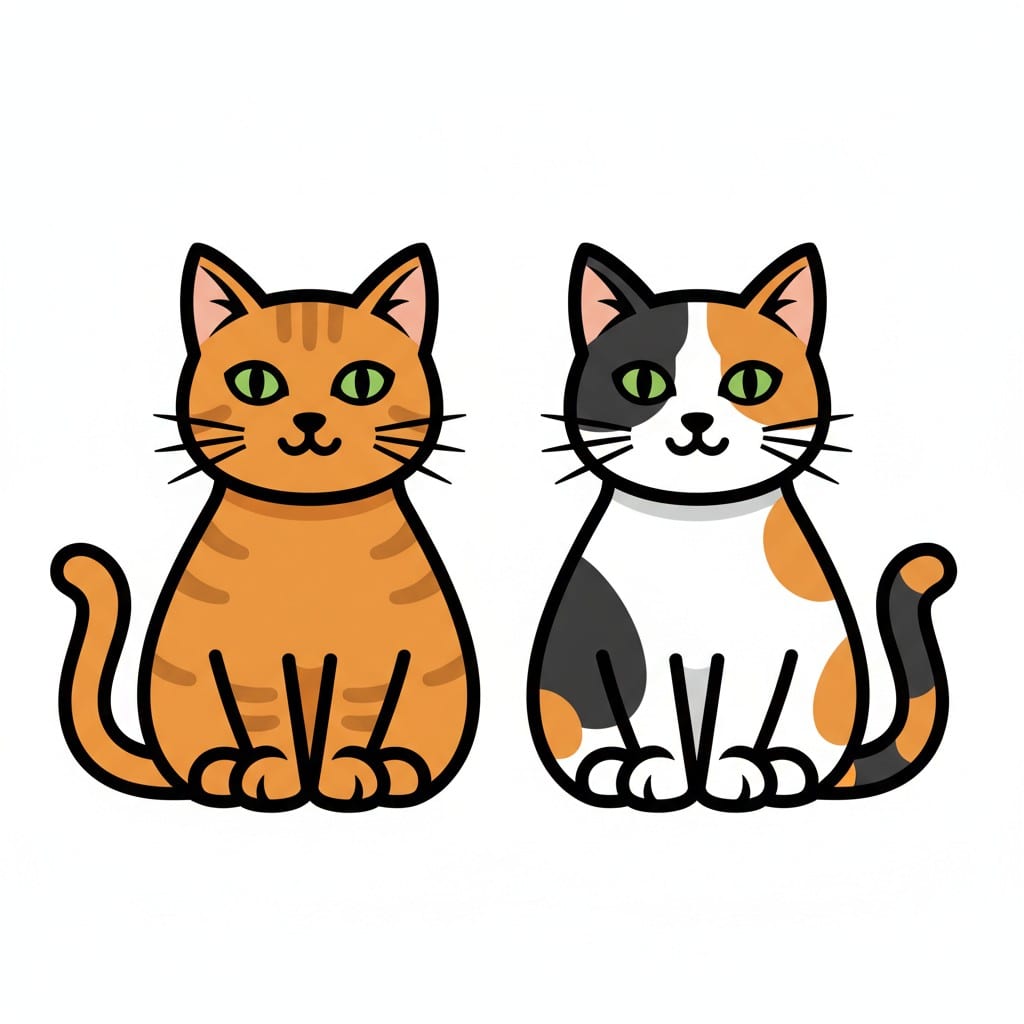
Two cats
An orange tabby cat and a calico cat sit side by side.
About this visual support
Several cats in one home are not just one cat times two. Each cat has its own spot at the bowl, its own reaction to being picked up, its own favourite places to be stroked. A child who wants to do the right thing can easily mix them up and give the wrong cat the wrong thing, which upsets the cats and makes the child unsure.
With pictures it becomes possible to lay out the day per cat, not per task. One row of pictures for one cat, another row for the other. The child sees what is done and what is left, even when the cats are circling everyone's feet at the same time. Patterns start to show too: maybe the shy one always eats last, maybe one gets stroked three times a day and the other none.
A practical tip: give every cat a clear photo or drawing with a detail the child recognises, like collar colour, so name and picture stick together. Drop today's cat routines into Routined so the child can follow each cat's little row on their own when they want to practise taking responsibility.
Use this image in a schedule
Build your own visual schedule with this image and download it as a print-ready PDF. Completely free.

More similar visual supports

Cat
A grey cartoon cat with a cream chest sits upright with its tail curled in front...
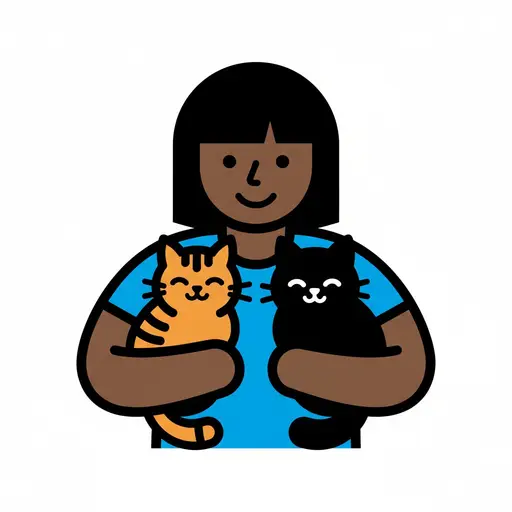
Cuddle cats
A girl holding two cats, one orange and one black.
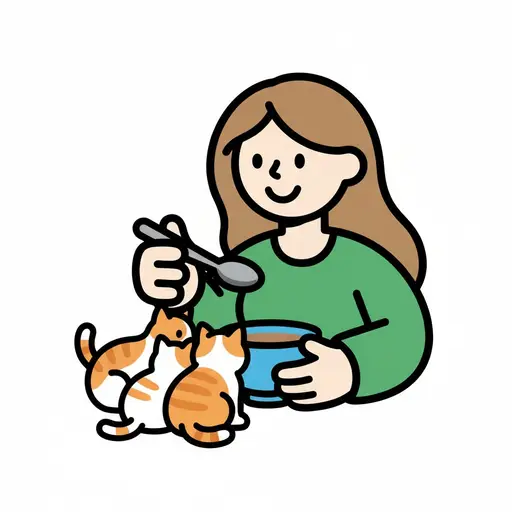
Feed kittens
A woman feeding two small kittens with a spoon from a bowl.
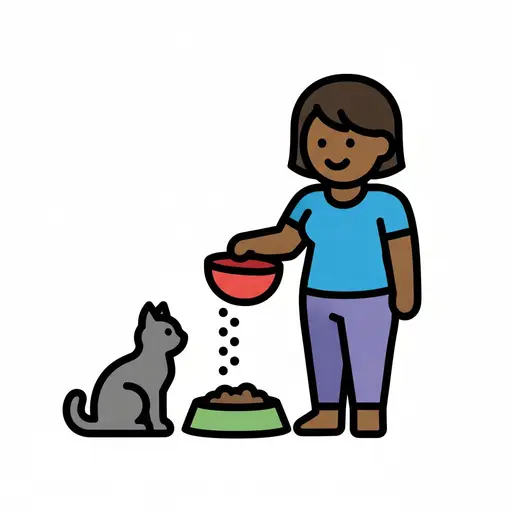
Feed the cat
A smiling person pours dry food from a red bowl into a green feeding dish while ...

Hollie dog
A friendly cartoon dog sitting with a green collar and bone tag.
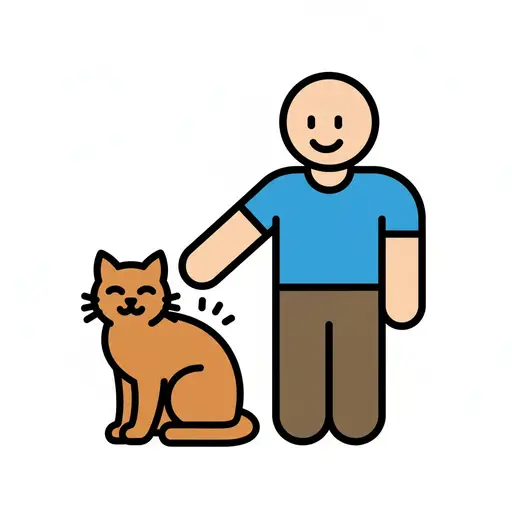
Pet cat
A person petting a cat.
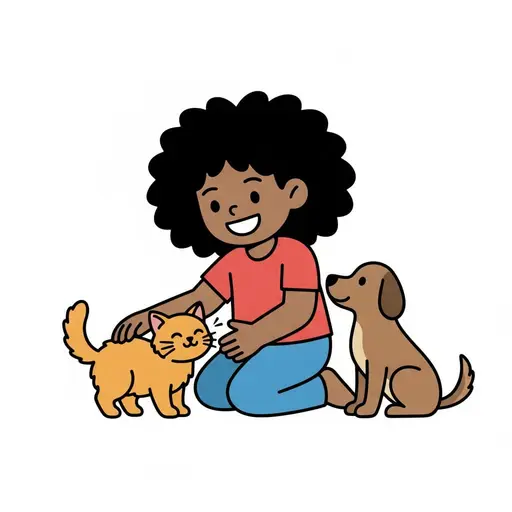
Pet the animal
A girl kneels and strokes an orange cat while a dog stands beside her.
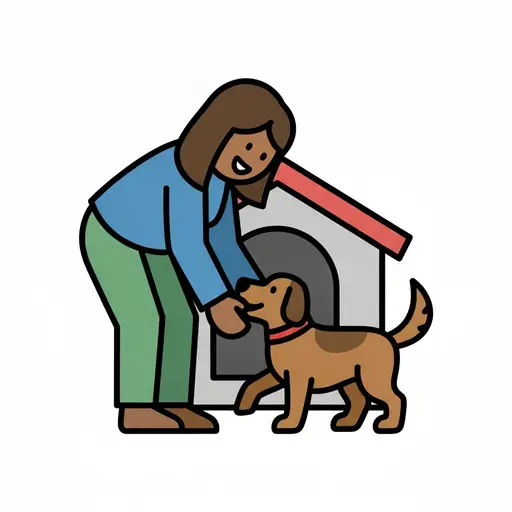
Pet the dog
A woman pats a dog in front of a dog house.
Take the visual supports with you
In Routined you build schedules from these pictures, add timers and voice instructions, and your child follows the day on their own.


* 14-day free trial, then $2.39 a month or $20.99 a year (US pricing). Cancel anytime.