Gaming
Games are built so there is always one more goal. It is not the child being stubborn, it is the game refusing to let go. The cards below put an outer structure around it.
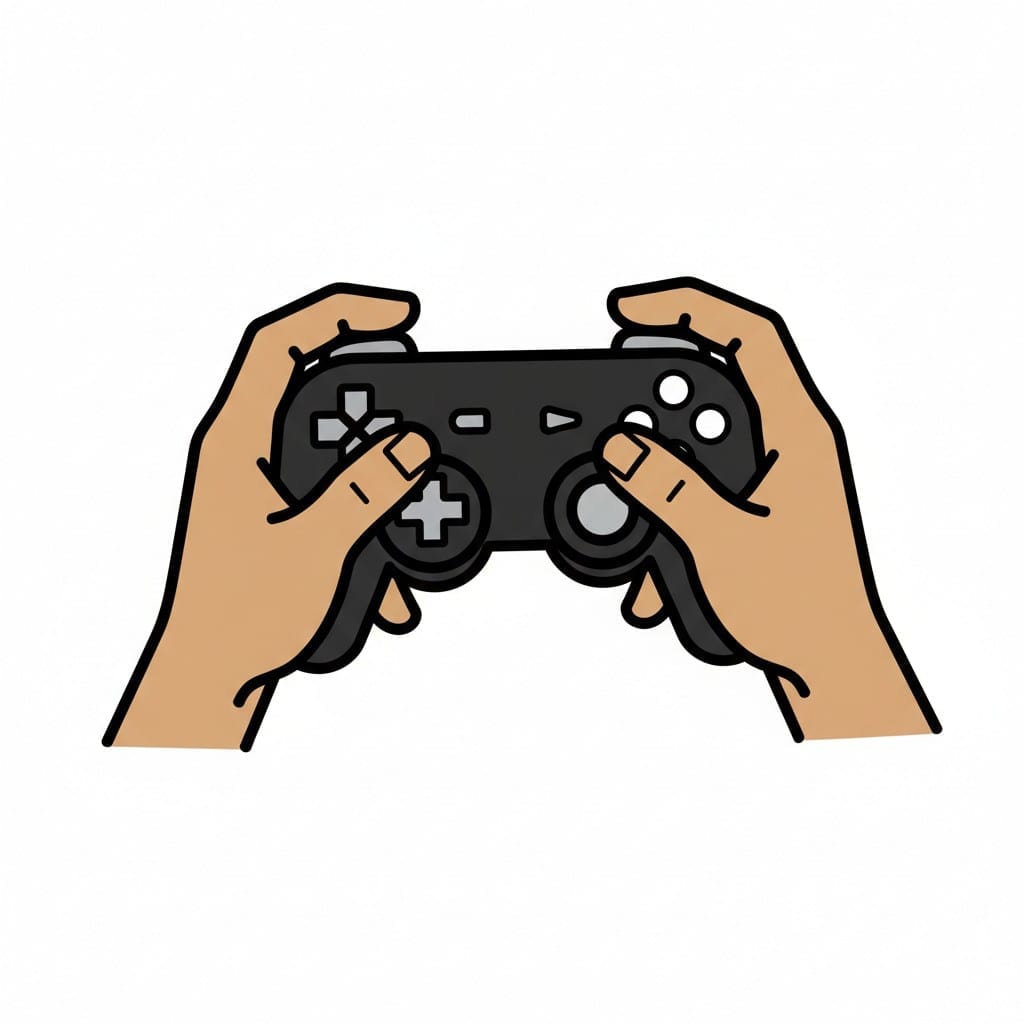
Game controller
Hands holding a black game controller.
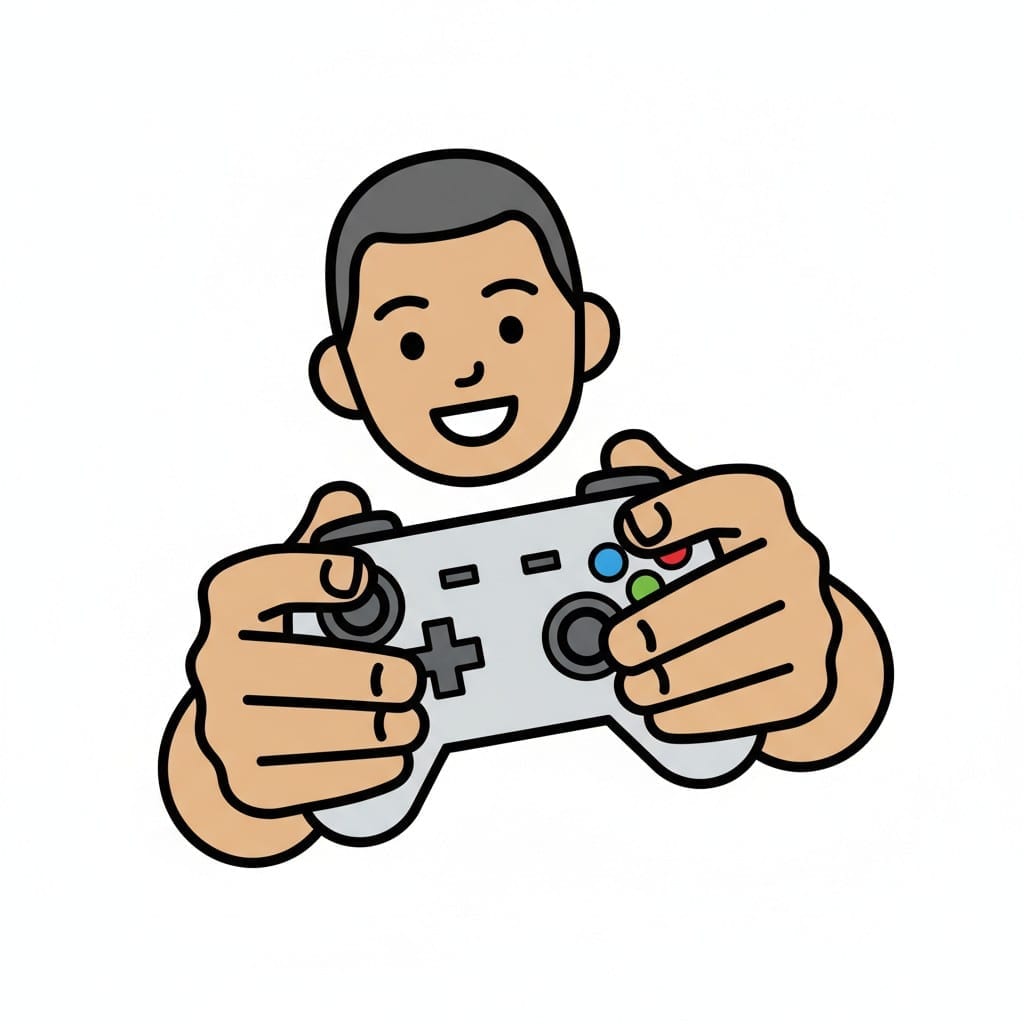 ♂
♂Playing video games
A happy child plays video games with a controller.
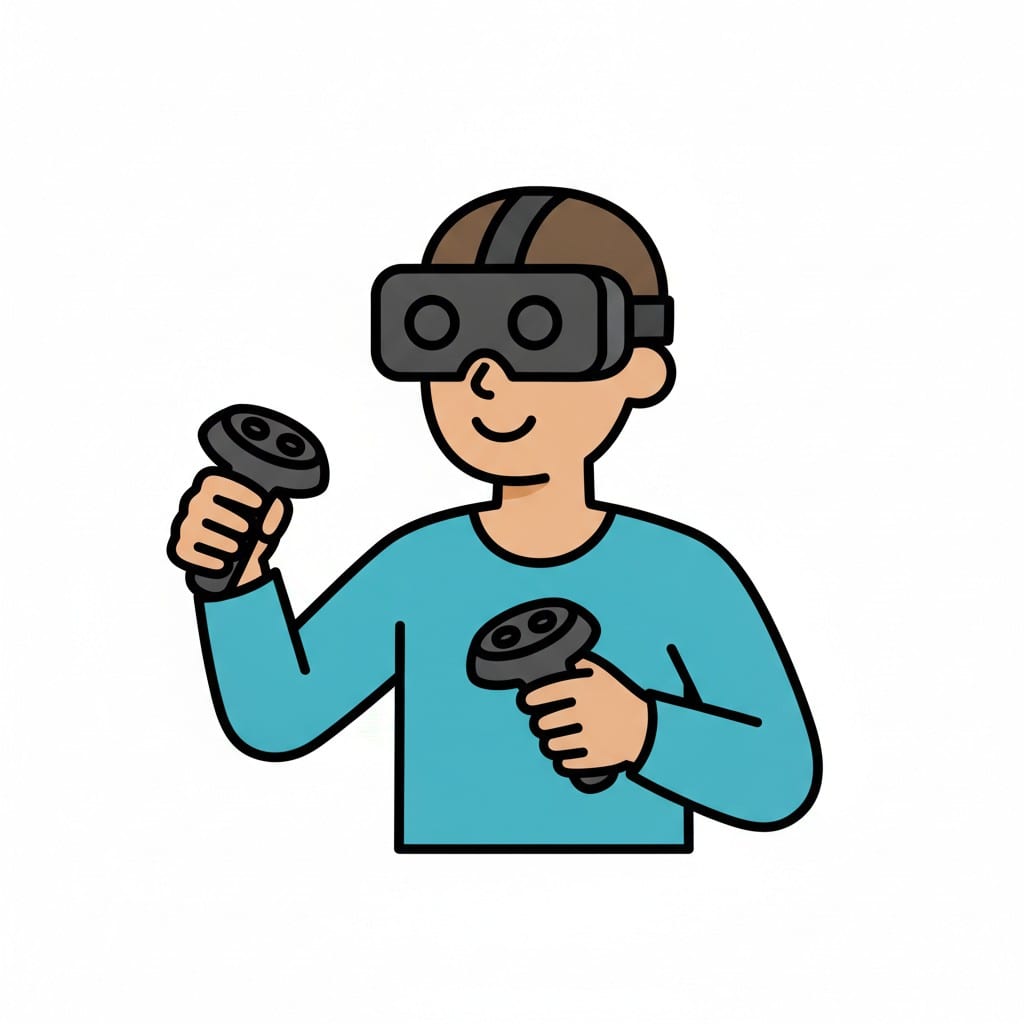 ⚲
⚲Playing VR
A person wearing a VR headset holds two controllers.
About this visual support
It is easy to think a child who will not stop gaming is just being unwilling. The game logic says otherwise: it is designed never to reach satisfaction. Rewards drop right before the end, the next tier unlocks the second the current one clears, and an opponent is always waiting. The brain is not greedy, it is caught inside a structure built for exactly that.
With visual support, the decision of when it ends moves out of the game logic and into an outer, visible frame. Cards for start, continue, pause and done sit beside the screen and hold a parallel timeline that is not the game's own. It stops being a battle against the game and becomes scaffolding around it.
A tip that often makes the difference: when you say ten minutes left, lay out the pause card right then, so it is physically visible through the countdown. The transition becomes something the child can see approaching, not a sudden voice in the room. Build the whole session in Routined and reuse the same frame every day. Try the app free for 14 days.
Use this image in a schedule
Build your own visual schedule with this image and download it as a print-ready PDF. Completely free.
More similar visual supports
Play video games
A boy sits cross-legged holding a game controller next to a screen showing a sta...
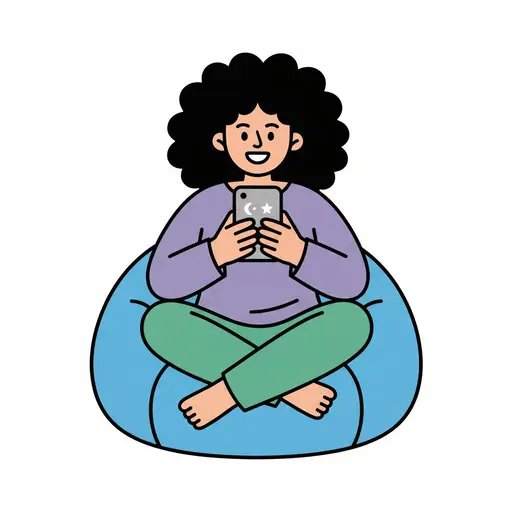
Phone time
A woman sits on a beanbag looking at her phone.
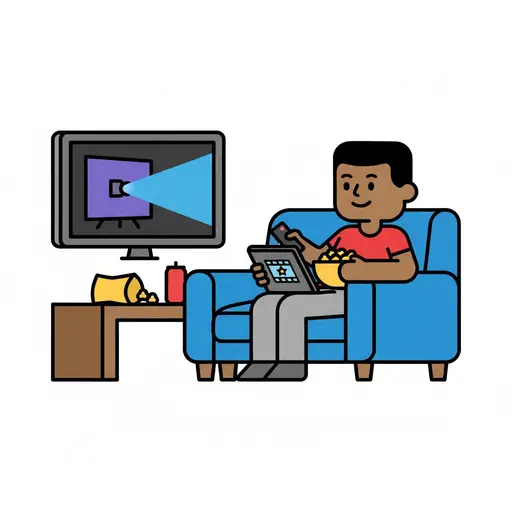
Relax with movie
A boy sits comfortably in a blue armchair, watching a movie on a television scre...
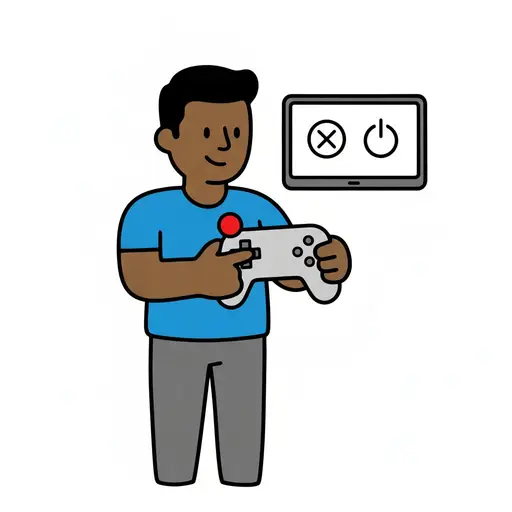
Turn off game
A man holds a controller in front of a screen with a power button.
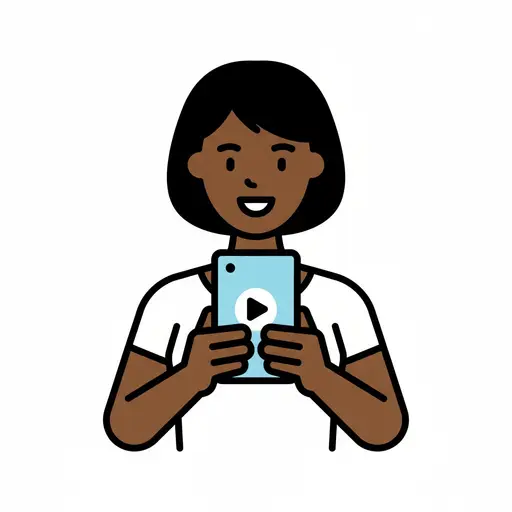
Watch mobile
A person with straight hair watching a mobile phone with a play button on the sc...
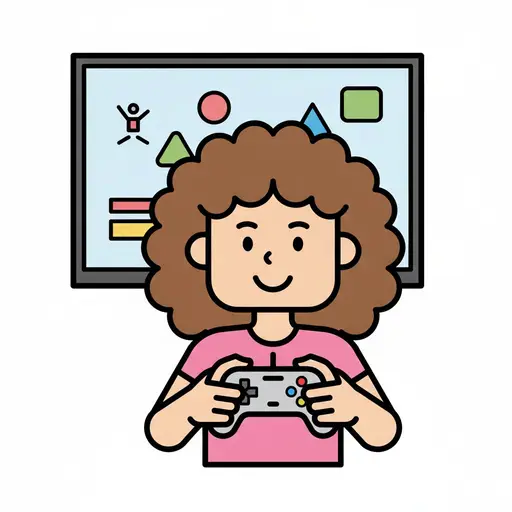
Play games
Holding a controller, a girl with curly hair plays in front of a television show...
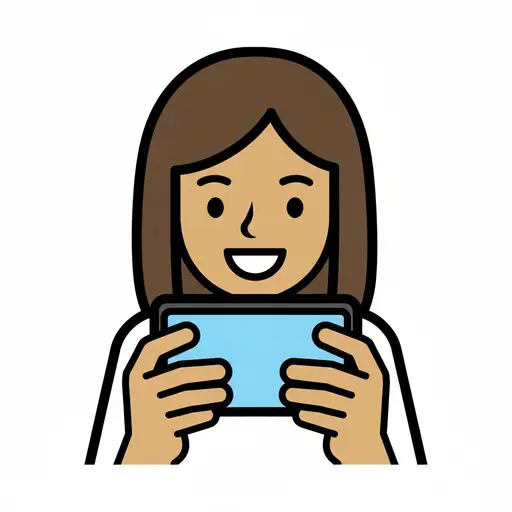
Watch phone
A woman holds a phone horizontally and watches the screen.

YouTube
The classic YouTube logo, a red rounded rectangle with a white play button trian...
This visual support in other languages
Take the visual supports with you
In Routined you build schedules from these pictures, add timers and voice instructions, and your child follows the day on their own.


* 14-day free trial, then $2.39 a month or $20.99 a year (US pricing). Cancel anytime.