Pool Swim
Swimming means arms and legs working together while breathing is controlled and the body stays afloat. That is a lot at once, and the visual support below breaks the movement into parts a child can practise separately.
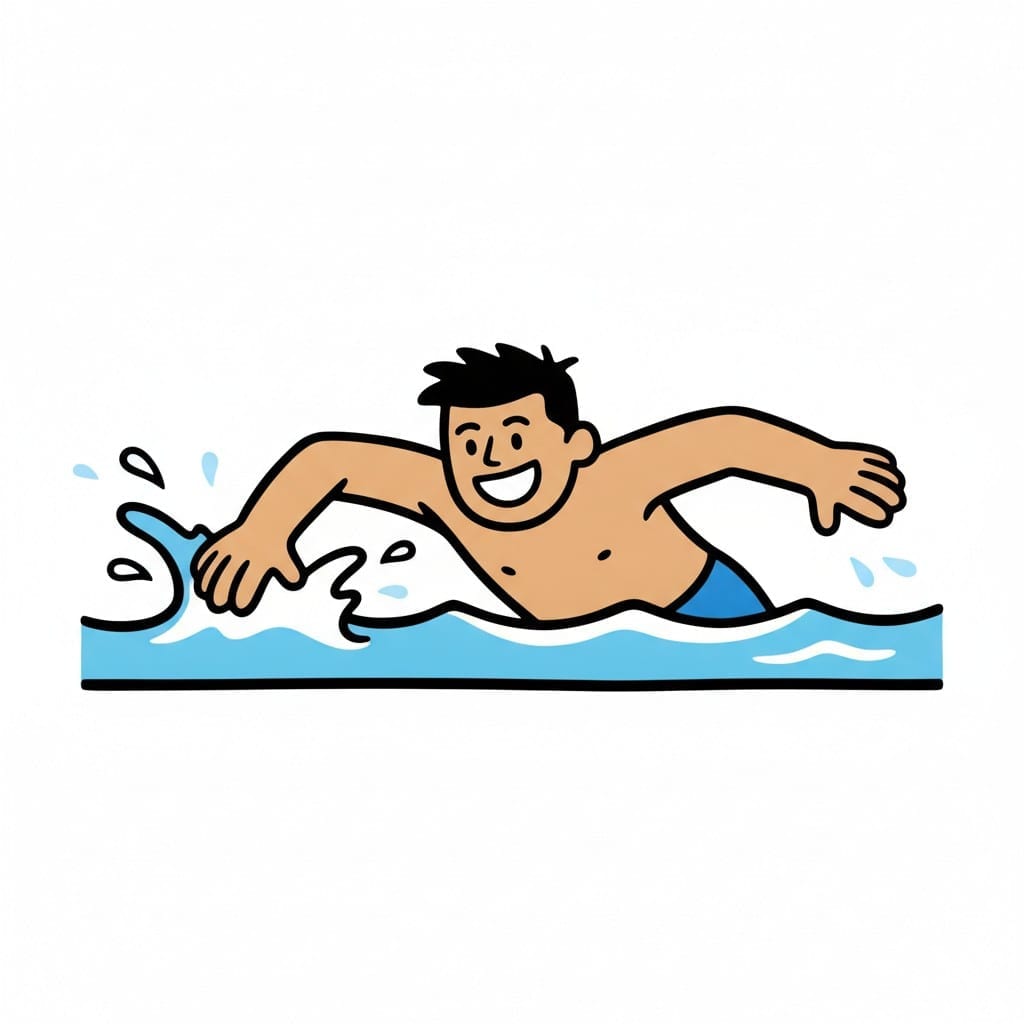 ♂
♂Swimming
A boy swims forward through blue water.
About this visual support
A swimming stroke asks for several things at once: the arms pull, the legs kick, the head turns to breathe and the body has to stay afloat all the while. For a child still learning, it becomes a coordination where one missed detail makes the movement fall apart and the water suddenly feels too deep.
Visual support makes the motor task manageable by showing one movement at a time. When the child sees the picture of leg kicks, then arm strokes, then breathing, the brain can assemble the parts at a calm pace instead of juggling everything together. The pictures work as a rehearsal on dry land, so the body recognises the sequence before it ever reaches the water.
A tip for swimming specifically: practise one element at a time at the edge, for example just leg kicks while the child holds the wall, before adding the arms. Show that isolated step on a card so it is clear what you are focusing on right now. You can gather the elements as a sequence in the Routined app and try the setup free for fourteen days.
Use this image in a schedule
Build your own visual schedule with this image and download it as a print-ready PDF. Completely free.

More similar visual supports
Go to the Pool
A happy child in swim trunks runs and jumps into a pool of water.
Swimming Day
A girl in a swimsuit swims happily in the water under a sun, with a calendar mar...
Swimming goggles
A pair of swim goggles with blue rims and a black strap.
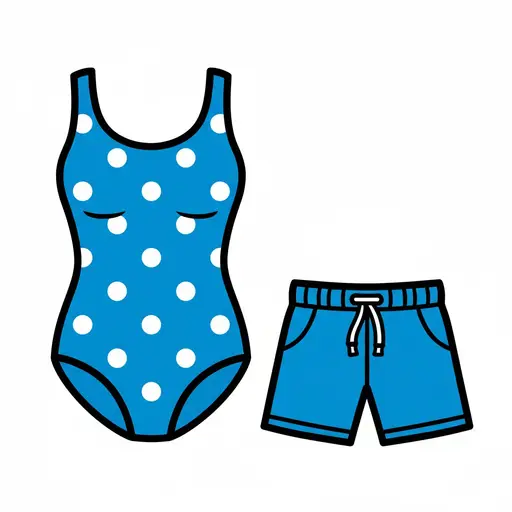
Swimsuit
A blue swimsuit with white dots beside a pair of blue swim shorts with a drawstr...
5000 Steps
A blue sneaker with the number 5000 and arrows showing movement.
Bike with friends
Three happy boys ride their bicycles side by side.
Dance
A girl dances with her arms raised and one leg lifted, with movement lines aroun...
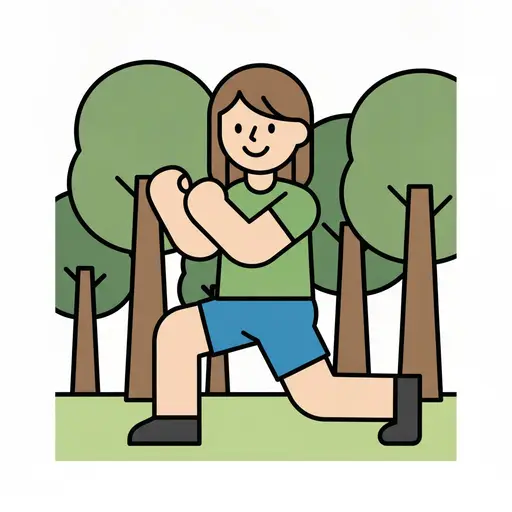
Exercise in the forest
A child does a lunge exercise among the trees in the forest.
Take the visual supports with you
In Routined you build schedules from these pictures, add timers and voice instructions, and your child follows the day on their own.


* 14-day free trial included for new users.