Unwind
Just relax now, the grown-up says. But how? For many children the word has no content at all. The visual support below gives a few concrete forms of rest the child can choose between.
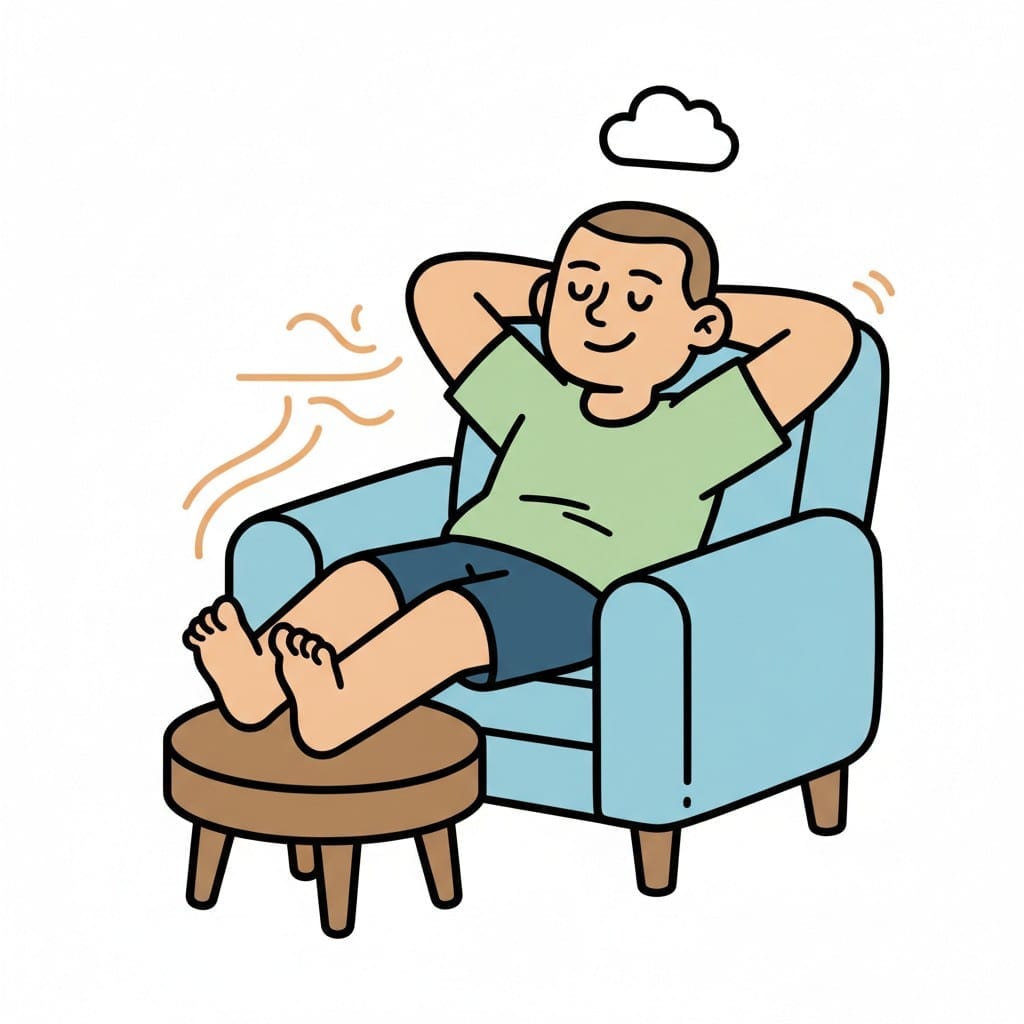 ♂
♂Man leaning back in armchair with feet up
A man in a green shirt leans back in a light blue armchair with his hands behind his head and his feet resting on a stool.
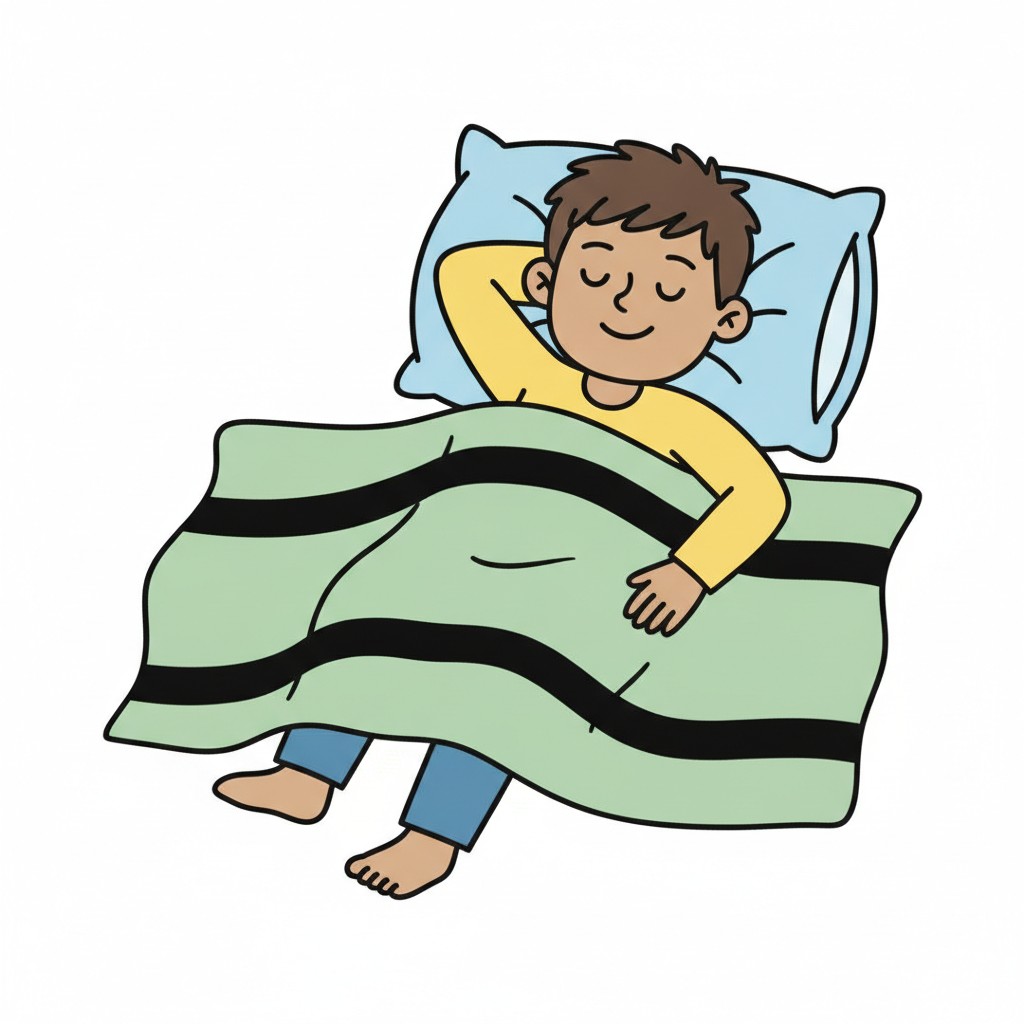 ♂
♂Rest for a while
A child lies on a pillow under a green blanket with closed eyes.
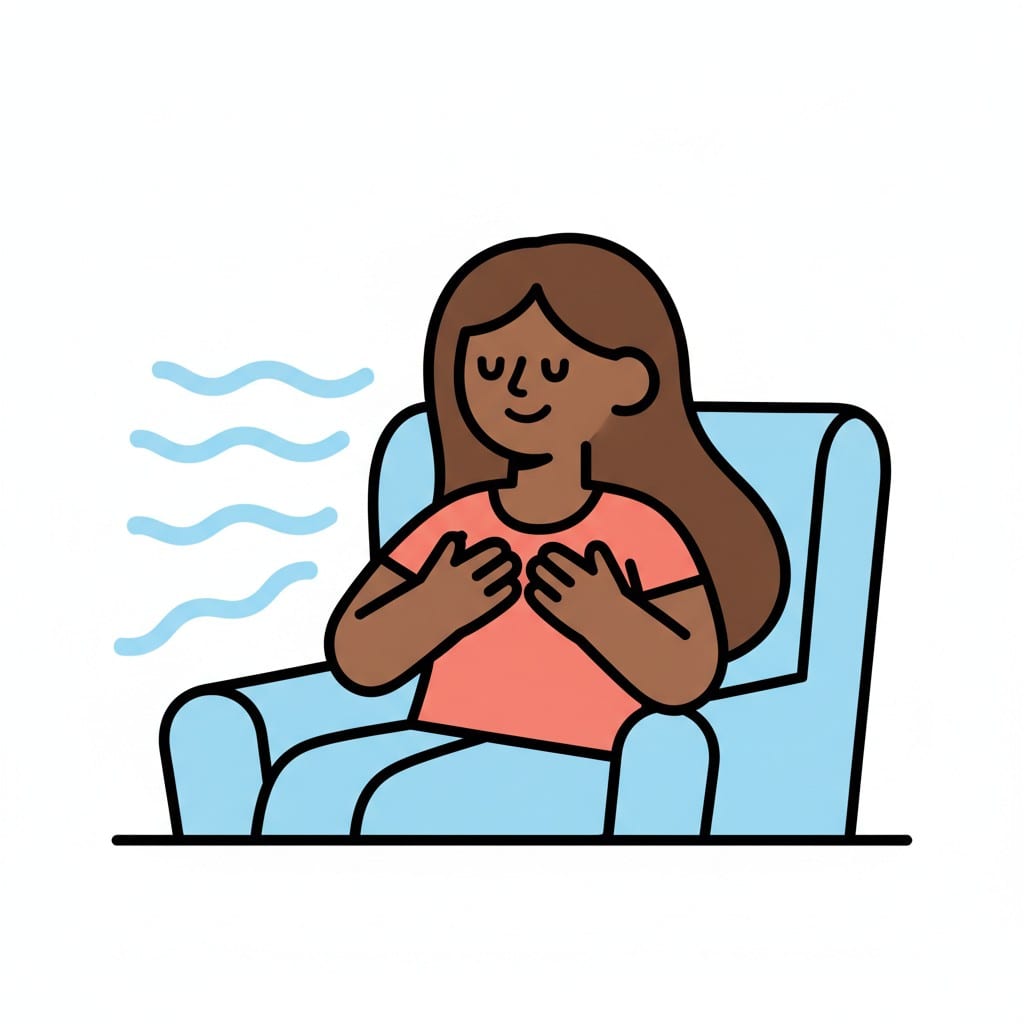 ♀
♀Relax
A person sits comfortably in an armchair with hands on their chest and eyes closed, with symbols indicating calm breathing or relaxation.
 ♀
♀Resting in a hammock
A woman with a braid lies in a striped hammock strung between two palm trees, resting with her eyes closed and a book in hand.
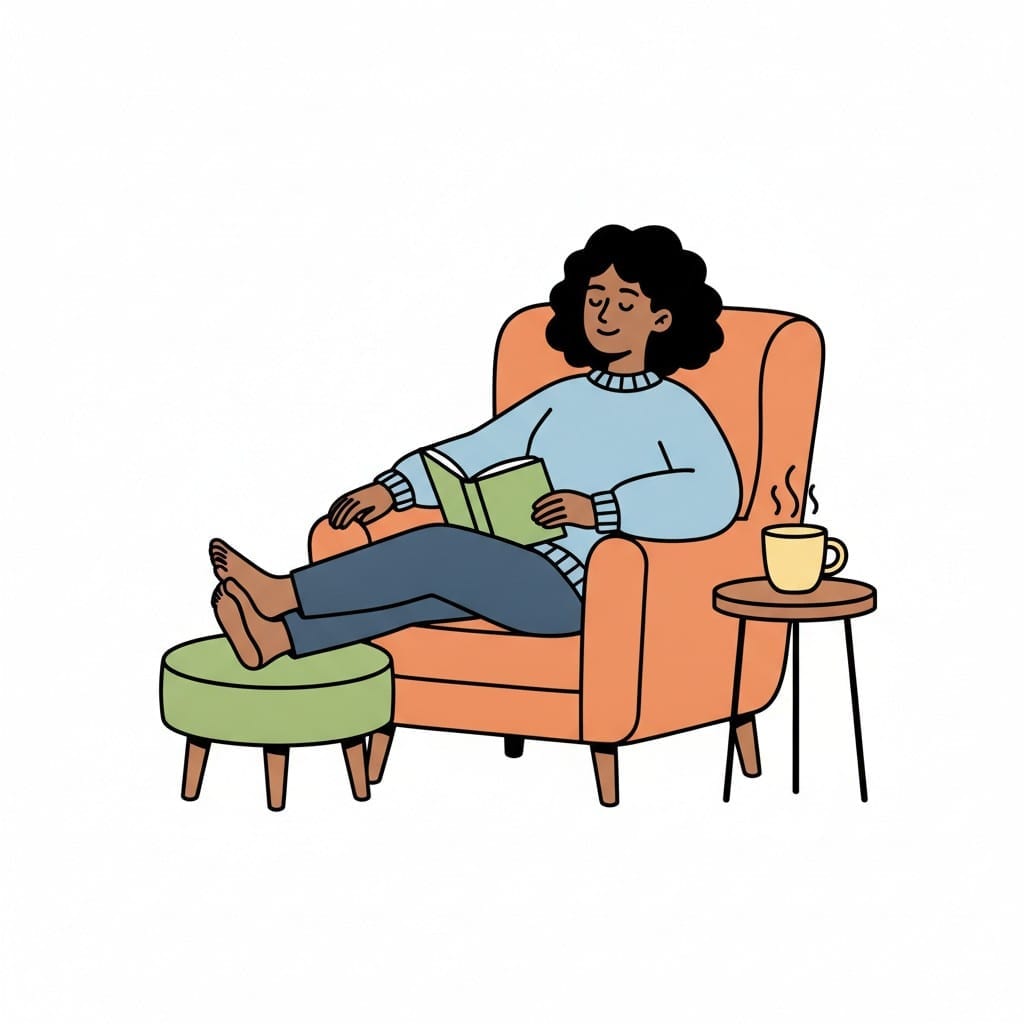 ♀
♀Person relaxing in an armchair
A person leans back in an orange armchair with their feet on a green stool reading a book, beside a small table with a steaming cup.
About this visual support
Relax is a word grown-ups use as if everyone already knew what it meant. But unwinding is not a single action, it is a category, and the category is invisible. A child hearing the instruction often just stands still, not knowing what the body should do next. The result is more restlessness, not less.
This is where visual support helps, by translating the concept into concrete options: lying on the back with eyes closed, breathing slowly with a hand on the belly, listening to a calm song, reading a short book, hugging a pillow. Now there is something to point at and choose, instead of an abstract instruction to interpret.
A practical tip: let the child pick two cards for the day's rest, not just one. The first choice often does not click, and then plan B is already in place, no new negotiation needed. In Routined you can also build a short rest routine with a timer, for example three minutes of breathing followed by five minutes of music. 14-day free trial, then a paid subscription.
Use this image in a schedule
Build your own visual schedule with this image and download it as a print-ready PDF. Completely free.

More similar visual supports
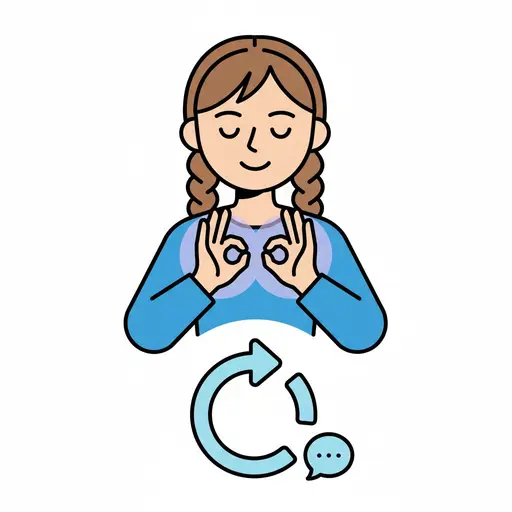
Quiet reset
A girl with closed eyes breathes calmly with her hands at her chest beside a res...

Chill
A girl with a braid lies back in a light blue hammock beside a green plant, with...
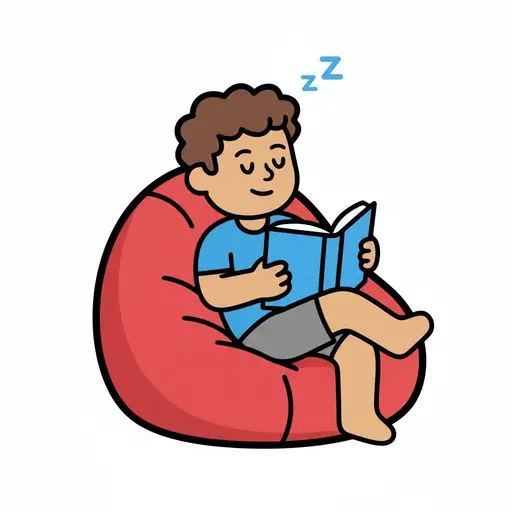
Read and relax
A boy sits comfortably in a red beanbag chair, holding an open blue book. His ey...
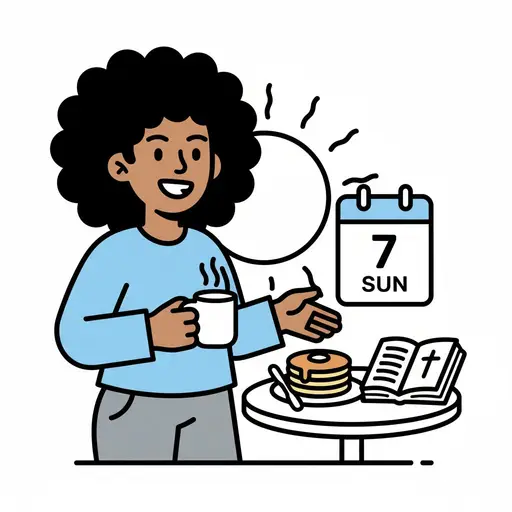
Sunday routines
Illustration of a woman enjoying a relaxed Sunday morning with coffee, pancakes,...
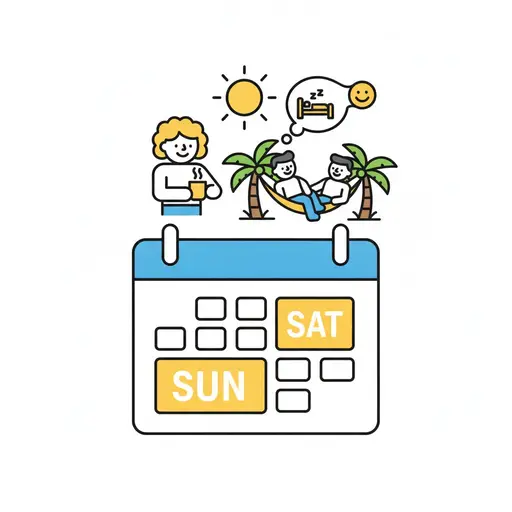
Weekend
Saturday and Sunday are highlighted on a calendar while people rest in a hammock...
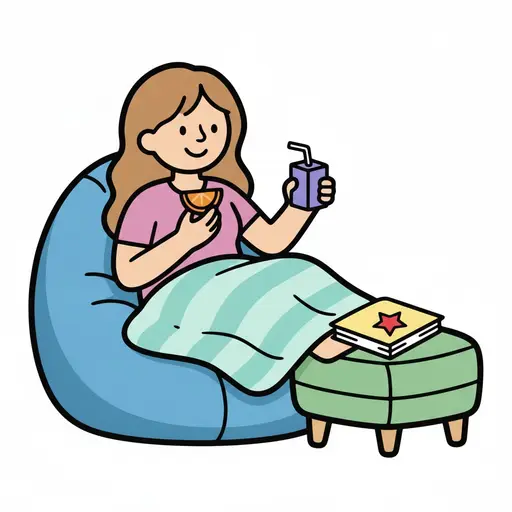
Afternoon Snack And Relax
A girl relaxes in a cozy beanbag chair holding a juice box and a slice of fruit.
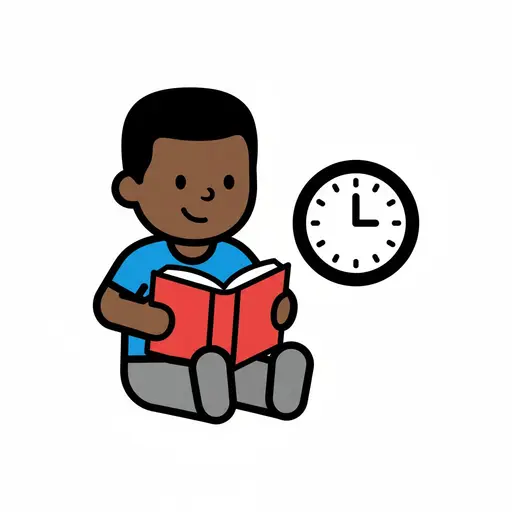
Book time
A boy sits holding a red book, with a clock next to him showing the time as quar...
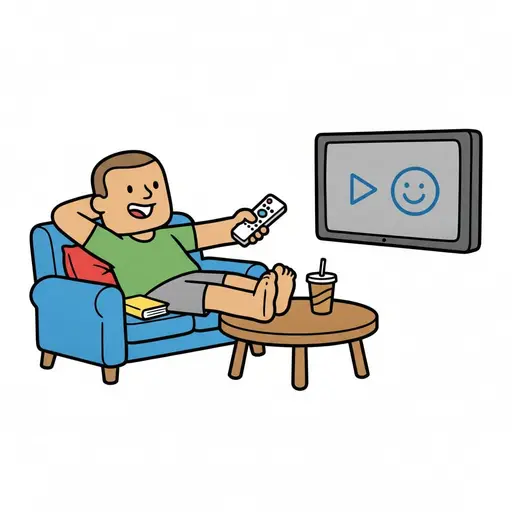
Day off
A person lounges on a blue sofa with feet up, pointing a remote at a TV, a drink...
Take the visual supports with you
In Routined you build schedules from these pictures, add timers and voice instructions, and your child follows the day on their own.


* 14-day free trial included for new users.