Cardigan
A cardigan isn't a sweater you pull over the head – it is buttons, sleeve cuffs and a fabric that often itches more than people expect. The pictures below break the steps down in the order the hands actually do them.
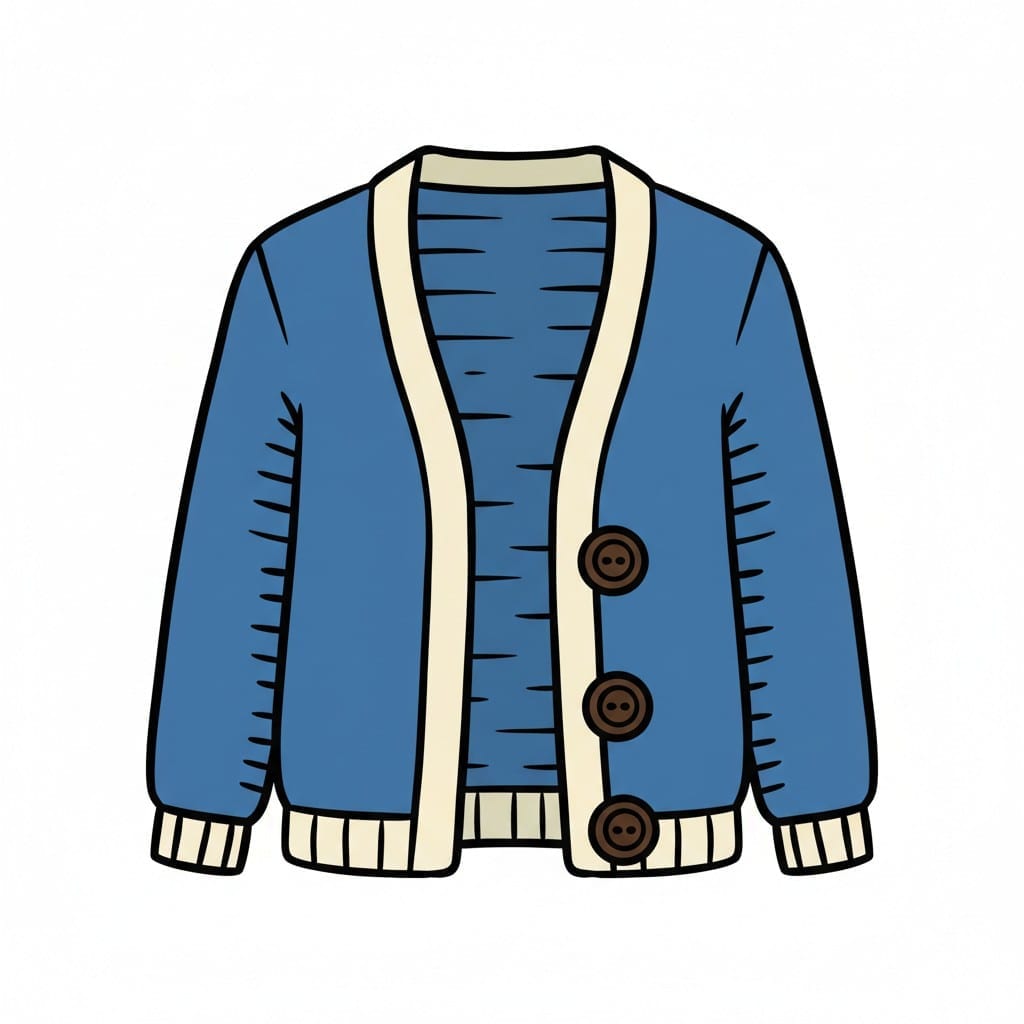
Blue cardigan
A blue cardigan with beige trim and three brown buttons, shown open at the front.
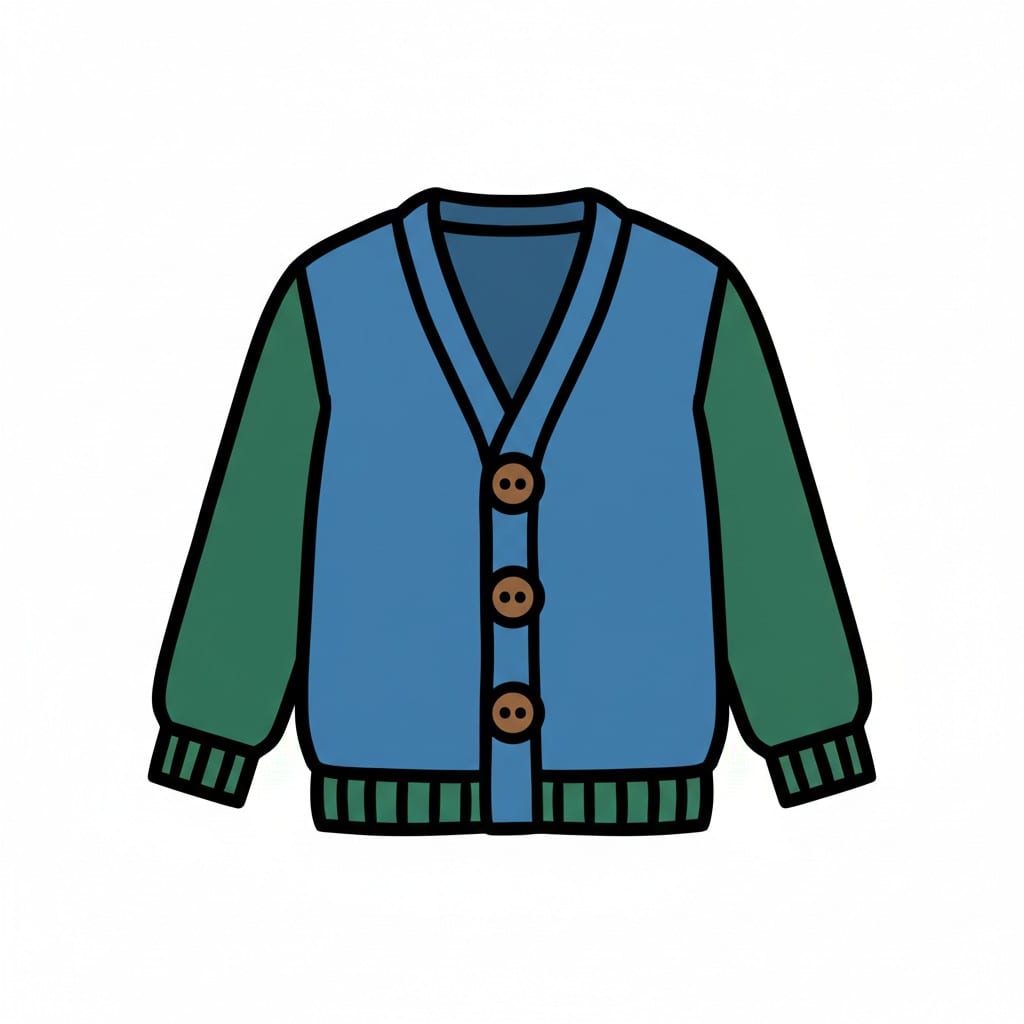
Blue and green cardigan
A blue and green cardigan with three brown buttons, shown closed at the front.
About this visual support
The difference between a cardigan and a sweater is that the cardigan asks the hands to work twice: arms in first, then buttons in order. For small fingers, buttons are one of the hardest fine-motor jobs in the whole morning – a small hole, a small disc, a grip that has to be angled right. The sleeve also has a stubborn habit of sliding into the sleeve of the layer underneath, so one arm gets stuck halfway.
Visual support for a cardigan works better when it shows the grip, not just the garment. One image of pulling the cuff with one hand while the arm slides in, one of angling the button toward the hole, one of the result. The support is then about the body, not just the clothes.
A concrete tip: button from top to bottom and start with a button that is deliberately larger than the others – it builds a sense of success before the fine motor work begins. In the Routined app the cardigan can be its own small step in the morning routine, with its own check-off.
Use this image in a schedule
Build your own visual schedule with this image and download it as a print-ready PDF. Completely free.

More similar visual supports
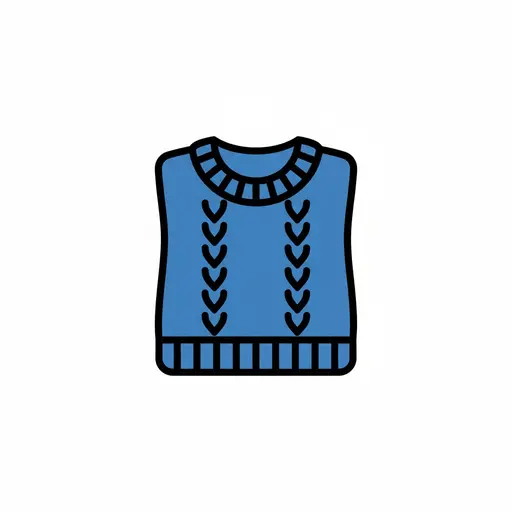
Sweater
A blue knitted sweater with a cable pattern, a ribbed neckline and a ribbed hem,...
Get clothes
An individual smiles while pulling clothes from a box.
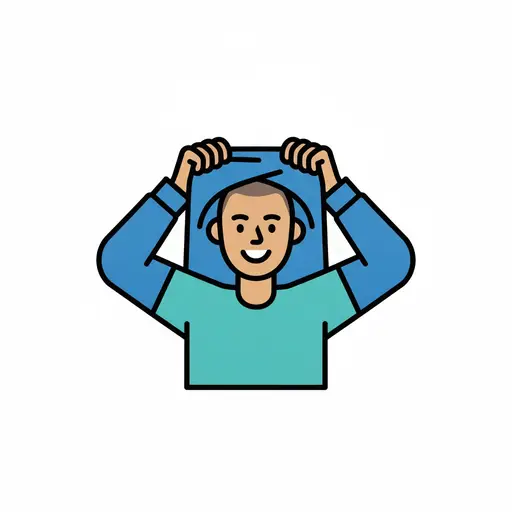
Get dressed
A person pulls a blue top over their head with both hands.
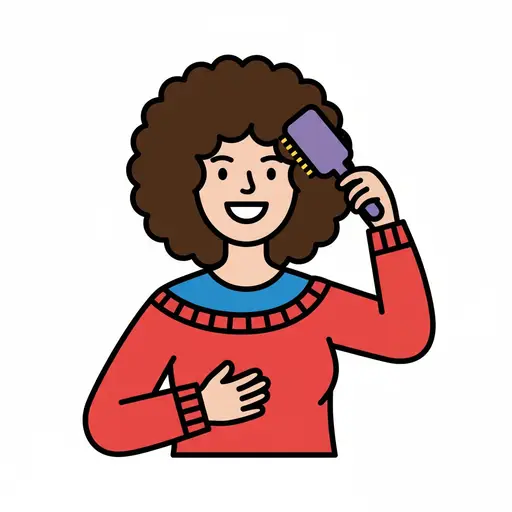
Get dressed and brush hair
A person brushes their curly hair with a purple hairbrush.
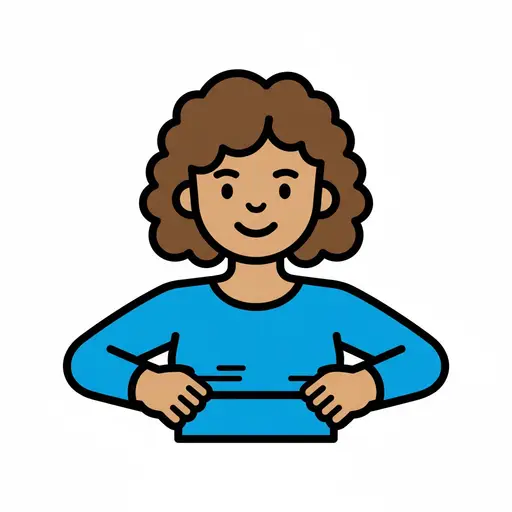
Get dressed yourself
A girl pulls a blue shirt over her head while getting dressed.
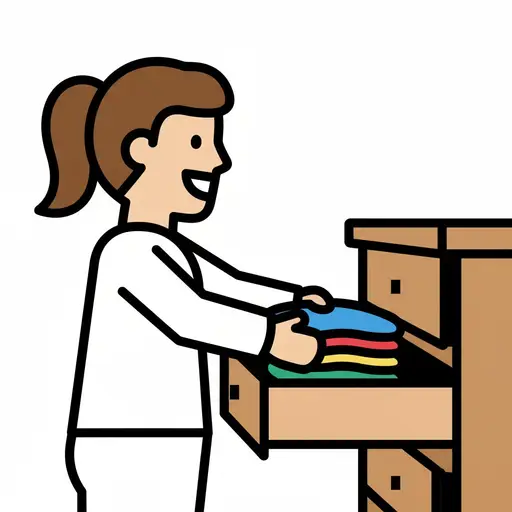
Get out clothes
A smiling woman takes folded clothes out of a dresser drawer.
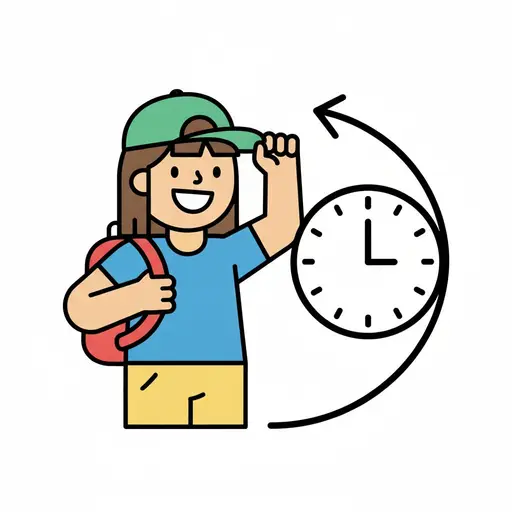
Get ready
A smiling girl adjusts a green cap and carries a red backpack next to a clock wi...
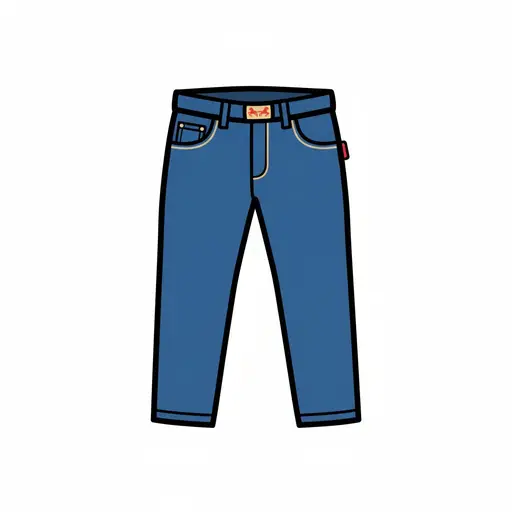
Levi's jeans
An image of a pair of blue Levi's jeans.
Take the visual supports with you
In Routined you build schedules from these pictures, add timers and voice instructions, and your child follows the day on their own.


* 14-day free trial included for new users.