Brushing Hair Without a Fight: Calmer Ways Through the Daily Tangle
For some children, brushing hair is a daily battle — tears, ducking away, "ow, you're hurting me." Often it genuinely does hurt, or it simply feels overwhelming. Here is how to make the morning tangle far calmer.
For some children, brushing hair is one of the hardest moments of the day — tears, ducking away, a hand thrown up, “ow, you’re hurting me.” It is easy to read it as drama or stalling, but very often it genuinely does hurt, or the sensation is simply overwhelming. The good news is that a few changes to how, when and with what you brush can turn the daily tangle into something far calmer.
Why hair brushing upsets so many children
Two things usually combine. Tangles really do pull at the scalp, and the scalp is genuinely sensitive, so a brush yanked through a knot hurts. On top of that, many children — especially those who are sensory-sensitive — find the feeling of brushing intensely unpleasant even when there are no tangles at all. When a child says it hurts, it is worth believing them. The fight is rarely defiance; it is pain or sensory overwhelm, and treating it that way changes everything.
Make it hurt less
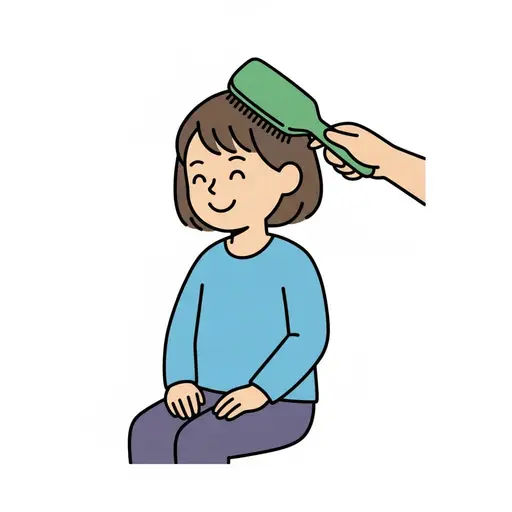
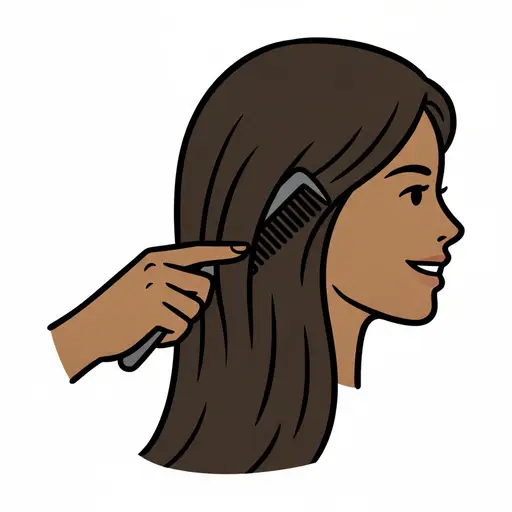
- Brush from the bottom up — start at the ends and work upward in small sections, so you are never dragging a tangle down the whole length of the hair.
- Hold the hair at the roots — grip a section close to the scalp so the pull lands on your hand, not on your child’s head.
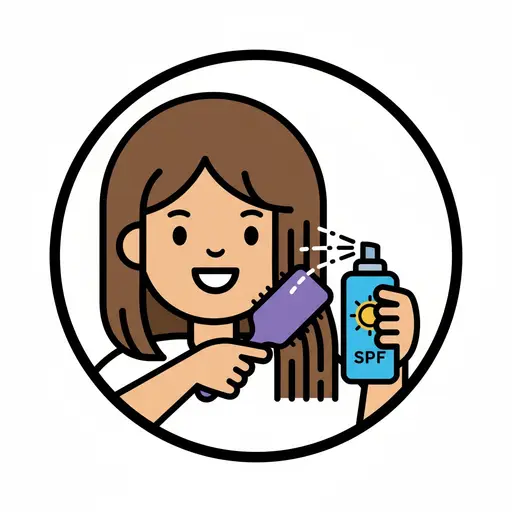
- Use a detangling spray, or leave a little conditioner in — wet, slippery hair combs out far more easily and with much less pulling.
- Switch tools — a wide-tooth comb or a flexible detangling brush is far gentler than a fine, stiff brush.
Give the child some control
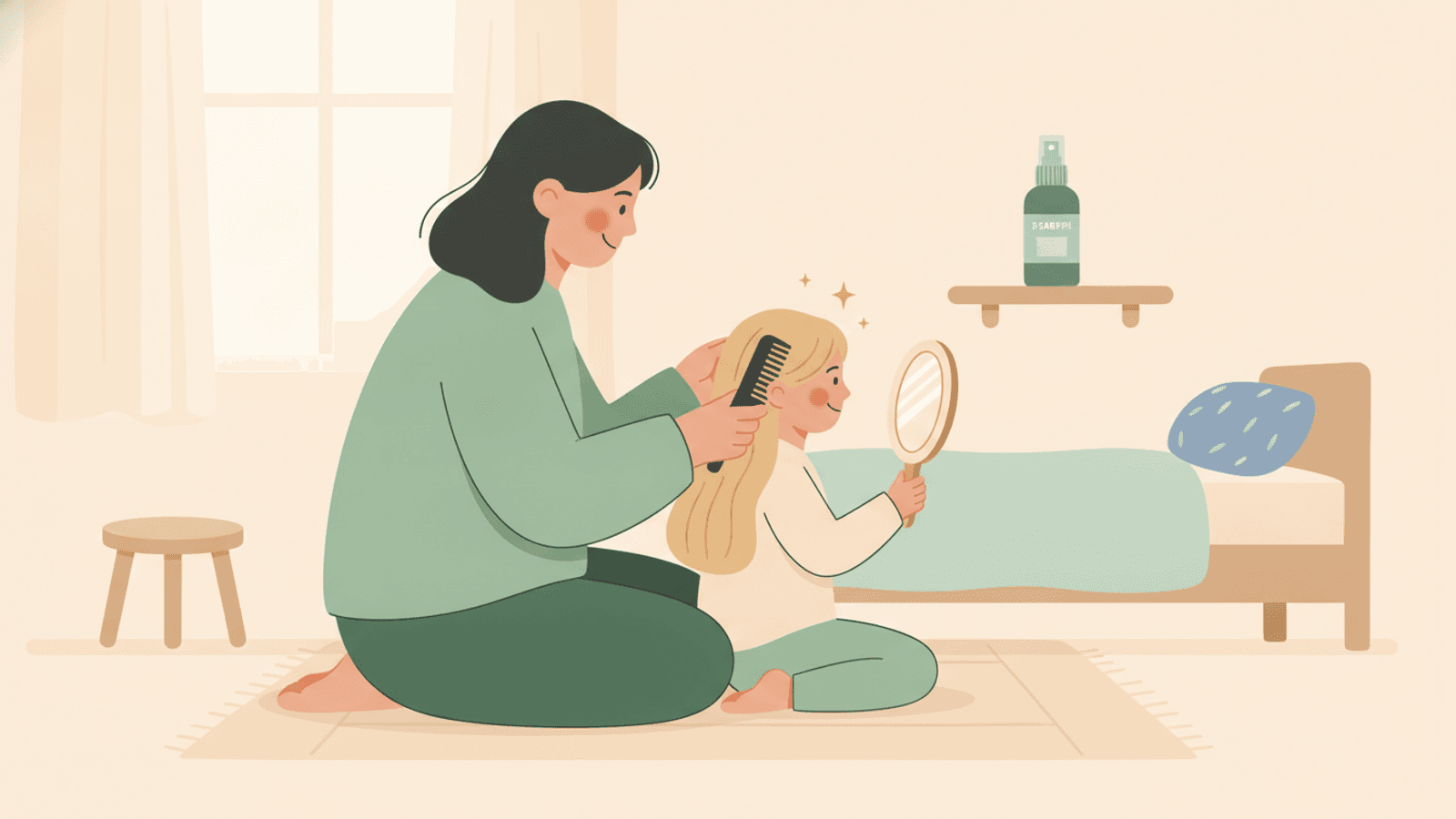
A child who feels in control panics far less. Let them hold a mirror and watch, hold the spray bottle, choose the brush, or do the first few strokes themselves. Agree on a “stop” signal they can use — a raised hand — and honour it every time; knowing they can pause makes them much more willing to start. Counting to a set number, or “three more strokes and we’re done,” gives the whole thing a visible end instead of an open-ended ordeal.
Make it predictable
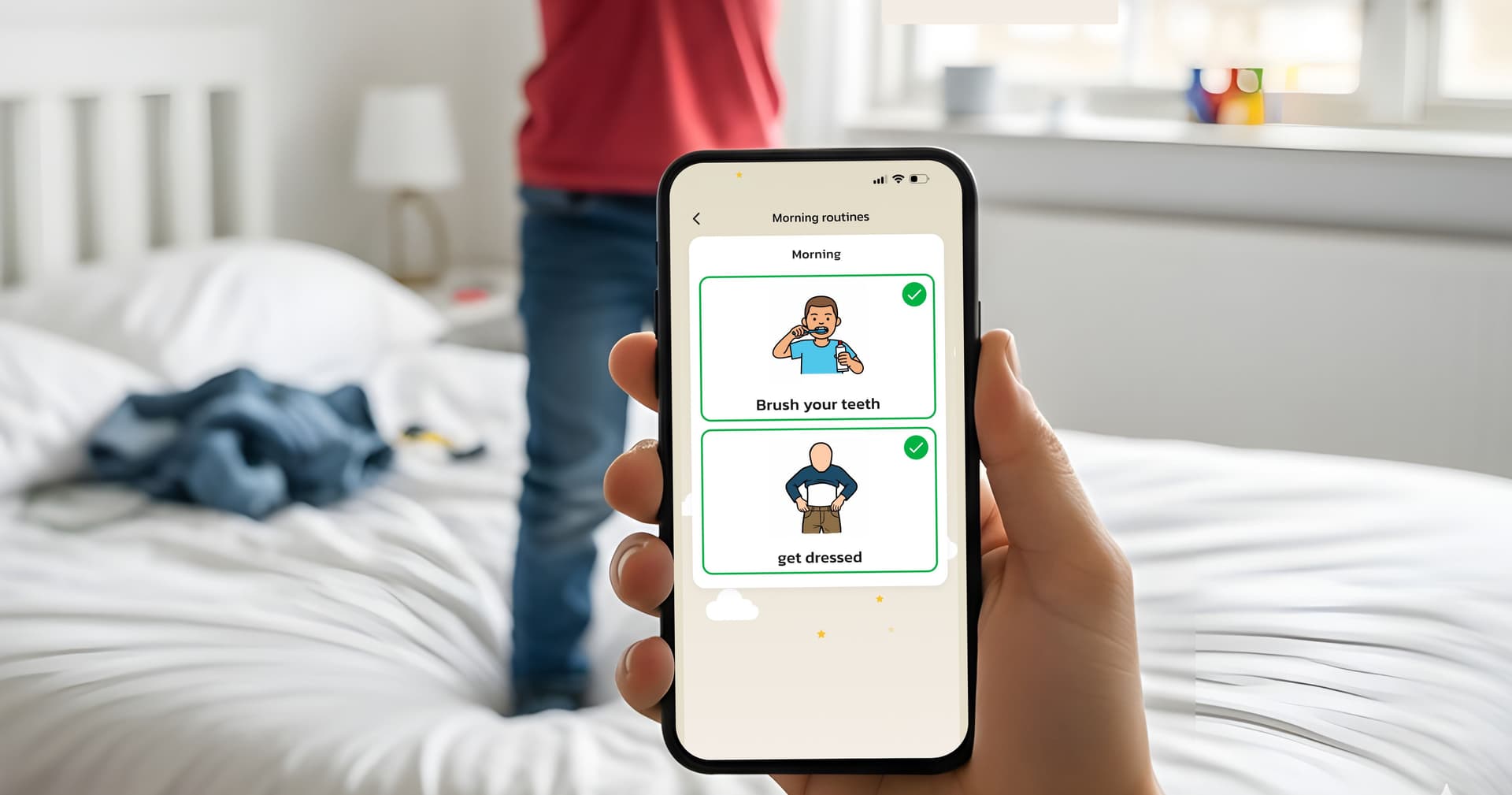
Do it at the same point in the morning or evening routine, in the same spot, so it is expected rather than sprung on them. A visual routine with “brush hair” as one clear step helps a lot. Some children cope far better with a distraction running alongside — a short show, a song, or brushing a doll’s hair at the same time — which gives their attention somewhere else to go.
Reduce the battles at the source
A more manageable hairstyle is a completely fair option. A shorter cut, or keeping longer hair braided or tied up so it tangles less overnight, can turn a daily fight into a quick once-over. This is not giving up — it is removing a daily source of distress for everyone. The one caveat: do not force a haircut on a child who loves their long hair; the aim is less conflict, not a new one.
For children with ADHD or autism
Scalp sensitivity is real, and for a sensory-sensitive child the brushing sensation can be genuinely painful or overwhelming — and sitting still for it asks a lot on top. Lean hard on slippery detangling, gentle tools, a clear and respected “stop” signal, predictability, and the shortest comfortable style. Firm, slow strokes are often tolerated far better than light, tickly ones. This article is general guidance, not medical advice.
Read more
Frequently asked questions
Why does my child cry when I brush their hair?
Usually because it genuinely hurts — tangles pull on a sensitive scalp — or because the sensation is overwhelming for a sensory-sensitive child. It is rarely just drama, so detangling gently and giving them some control tends to help more than pushing through.
How do I detangle hair without hurting?
Work from the ends upward in small sections, hold each section at the roots so the pull lands on your hand, and use a detangling spray or leave-in conditioner so the comb slides instead of yanking. A wide-tooth comb is gentler than a fine brush.
What's the best brush for a tangle-prone or sensitive child?
A wide-tooth comb or a flexible detangling brush usually works best, used on damp, sprayed hair. Fine, stiff brushes catch and pull more, which is exactly what upsets a sensitive child.
Should I cut my child's hair short to avoid the daily fight?
A shorter or easier-to-manage style is a reasonable way to remove a daily source of distress, and braiding or tying longer hair up helps too. Just do not force a cut on a child who loves their long hair — the goal is less conflict, not more.
My child says brushing hurts even when there are no tangles — is that real?
Yes. Many children, especially sensory-sensitive ones, find the brushing sensation itself genuinely unpleasant regardless of tangles. Believe them, use gentle firm strokes, gentle tools, and a stop signal they control.