Brushing Teeth the Right Way, by Age: Technique That Actually Cleans
Knowing how to brush kids' teeth properly matters as much as remembering to do it. Here is the technique that actually cleans, a simple by-age guide, and calm ways to make two minutes bearable.
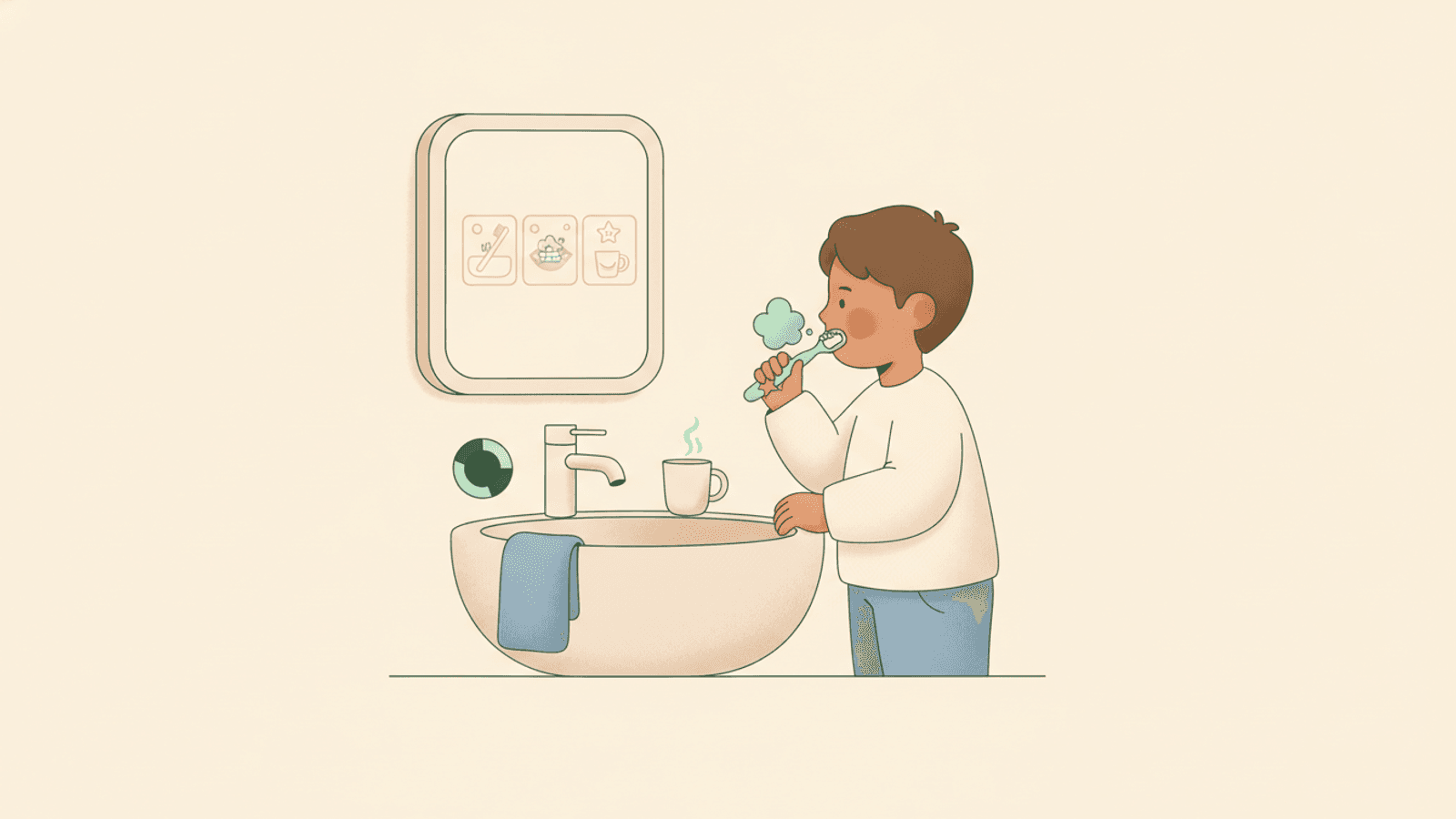
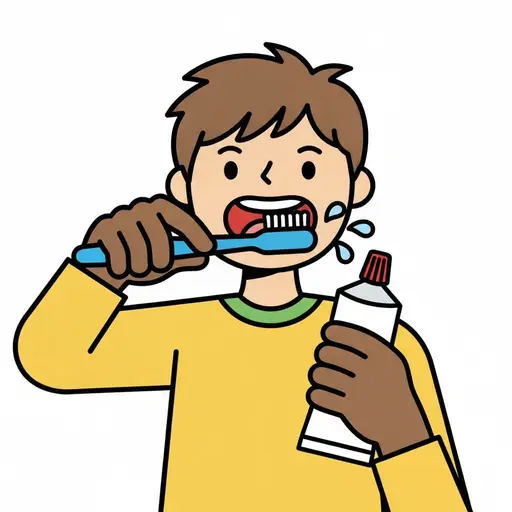
Learning how to brush kids' teeth properly means paying attention to technique, not just ticking the box twice a day. Proper brushing is two full minutes with a soft brush and a smear of fluoride toothpaste, cleaning every surface of every tooth with small, gentle circles, then spitting out and not rinsing. Doing it well, and doing it consistently, is what actually prevents decay.
That distinction matters more than most parents realise. A quick scrub across the front teeth can feel like a job done, yet leave the back molars and the gumline barely touched. This guide walks through the technique that cleans, who should be doing the brushing at each age, and some calm, practical ways to get through those two minutes without a nightly battle.
Why technique matters, not just doing it
Plaque is a soft, sticky film that builds up along the gumline and in the grooves of the back teeth. If it is not brushed away, it feeds on sugars and produces acid that wears down enamel. This is how cavities start, and it happens in exactly the spots a rushed brush tends to miss.
So the goal is not simply to get toothpaste into your child's mouth. It is to physically disturb that film on every surface, every day. Good technique is what makes the difference between a routine that protects teeth and one that only looks like it does.
Who brushes when: an adult finishes the job for years
Young children do not have the fine motor control to brush effectively on their own. Their instinct is to chew the brush or scrub the front teeth, missing the rest entirely. That is completely normal, and it means an adult needs to be hands-on for longer than many parents expect.
As a rule of thumb, a parent should brush or finish the job until around age seven or eight. Letting your child have a go first builds the habit and their sense of ownership, but plan to follow up yourself afterwards to reach the spots they miss. Standing behind them and tilting their head back slightly gives you the best view and angle.
The technique that actually cleans
The mechanics are simple once you know them, and they stay the same as your child grows. Keep these core points in mind:
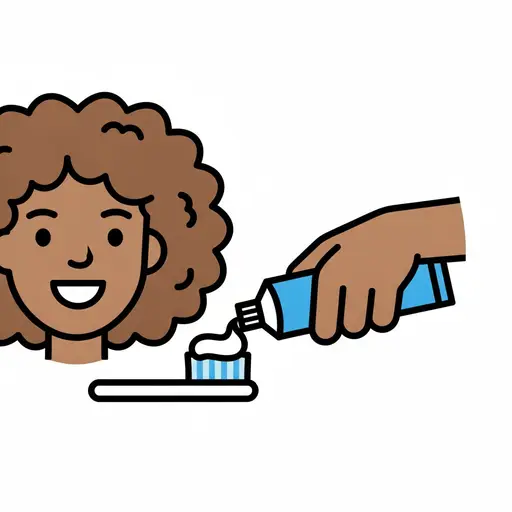
- Use a soft-bristled brush and the right amount of fluoride toothpaste: a smear the size of a grain of rice for under-threes, and a pea-sized amount from age three.
- Angle the bristles slightly towards the gumline, where plaque collects.
- Use small, gentle circles rather than hard back-and-forth scrubbing, which can irritate gums and misses grooves.
- Cover every surface: the outer sides, the inner sides facing the tongue, and the flat chewing tops of the molars.
- Brush for a full two minutes, twice a day, and always last thing before bed.
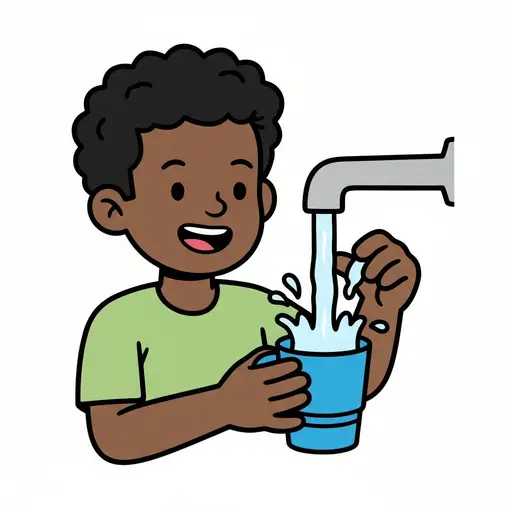
- Spit out the toothpaste and do not rinse with water. Leaving a thin film of fluoride behind helps protect the enamel overnight.
That last point surprises a lot of families. Rinsing with water or mouthwash straight after brushing washes away the fluoride just as it is starting to work. A simple spit is all that is needed.
A by-age guide to brushing
Toddler (roughly one to three)
Start as soon as the first tooth appears. Use a smear of fluoride toothpaste and a small, soft brush. At this age you are doing essentially all of the brushing; let your toddler hold their own brush too if it helps them cooperate. Expect wriggling, and keep it brief and gentle rather than perfect.
Preschool (roughly three to five)
Move up to a pea-sized amount of toothpaste. Your child can begin to have a proper go themselves, ideally with you guiding their hand or finishing afterwards. This is a good age to introduce a two-minute timer or a song so the length starts to feel normal.
School-age (roughly six to eight)
Coordination is improving, but the back teeth are still easily missed, and this is when the first adult molars come through. Keep checking and finishing the job until you are confident every surface is being reached, usually around seven or eight. Let them lead more, and step in where needed.
Tween (roughly nine and up)
Most children can brush independently by now, but independence does not mean no oversight. Spot-check now and then, keep an eye on the two-minute length, and introduce flossing or interdental brushing for the gaps between teeth. A quiet reminder is often all that is needed.
Making two minutes bearable
Two minutes feels like a very long time to a small child. The trick is to make the length visible and predictable rather than a vague stretch of nagging.
A timer helps enormously, whether it is a two-minute sand timer on the sink, a favourite song that runs about the right length, or a countdown on a screen. Some families brush in sections, spending roughly thirty seconds on each quarter of the mouth, so there is always a clear sense of progress and an end in sight.
Sensory-friendly brushes and flavours
For some children, especially those with autism or sensory sensitivities, the problem is not willingness but the sensation itself. Strong mint can sting, firm bristles can feel harsh, and the buzz of an electric brush can be overwhelming. Small adjustments often make brushing possible.
- Try a mild or flavour-free children's toothpaste instead of strong mint.
- Choose an extra-soft brush with a small head, or test a manual brush if an electric one feels too intense.
- Let your child pick the brush colour or character so it feels like theirs.
- Warn before you start and brush in a predictable order so nothing comes as a surprise.
- Offer a comfort item to hold, or let them watch in a mirror so they can see what is happening.
Handing over independence gradually
The aim is a child who brushes well without being asked, but that is a destination reached in steps, not a switch you flip on their seventh birthday. Move from doing it for them, to doing it with them, to watching and finishing, to occasional spot-checks. Each stage hands over a little more responsibility while the safety net stays in place.
Praise the effort and the technique, not just the fact that it happened. Noticing that they reached the back teeth on their own tells them exactly what good brushing looks like.
When a fixed routine really helps: ADHD and autism
Children with ADHD or autism often do best when brushing is the same every time: the same place in the sequence, the same steps in the same order, and a clear signal for when it is finished. Predictability lowers the friction, because the child is not being asked to negotiate an open-ended task each night.
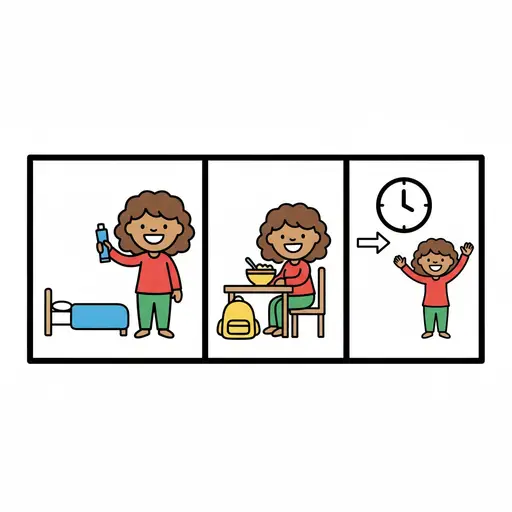
A visual sequence of the steps, plus a timer for the two minutes, turns an abstract instruction into something concrete your child can see and follow. This reduces the reminding you have to do and gives your child a sense of control over their own routine.
How Routined helps
Routined lets you build toothbrushing into a daily routine with two display modes: standard text with checkboxes, or Visual Support with big picture cards for each step. You can add a picture per step from the built-in library, an AI image, or your own photo, set an optional visual countdown timer for the two minutes, and even record your own voice for a step so it plays when your child opens it. A mood check before and after can gently show you how brushing time is really going.
The takeaway
Brushing your child's teeth properly comes down to a few steady habits: small gentle circles on every surface, a full two minutes, spit and do not rinse, and an adult finishing the job until around seven or eight. Build it into a calm, predictable routine, make the two minutes visible, and adjust for your child's sensory needs, and you give their teeth the daily protection they need without the nightly struggle.
Read more
Frequently asked questions
How long should children brush their teeth?
A full two minutes, twice a day, and always last thing before bed. A timer, a song, or brushing the mouth in four sections of about thirty seconds each all help make the two minutes feel manageable.
At what age can a child brush their own teeth?
Children can start having a go from around age three, but an adult should brush or finish the job until roughly seven or eight, when fine motor control is good enough to reach every surface reliably. Even then, occasional spot-checks are worthwhile.
Should my child rinse with water after brushing?
No. Encourage them to spit out the toothpaste but not rinse. Leaving a thin film of fluoride on the teeth helps protect the enamel overnight, whereas rinsing washes it away just as it starts to work.
How much toothpaste should I use?
Use a smear the size of a grain of rice for children under three, and a pea-sized amount from age three upwards. Always choose a fluoride toothpaste suitable for their age.
My child hates brushing because of the taste or feeling. What can I help with?
Try a mild or flavour-free toothpaste instead of strong mint, an extra-soft small-headed brush, and a predictable order so nothing comes as a surprise. For children with sensory sensitivities, warning before you start and letting them watch in a mirror can make a real difference.