Snacks and Structure: How Planned Snacks Make Mealtimes Easier
If your child grazes all day and then refuses dinner, the snacks may be the real problem, not the dinner. A little structure around meals and snacks makes everyone hungrier at the right times and calmer in between.
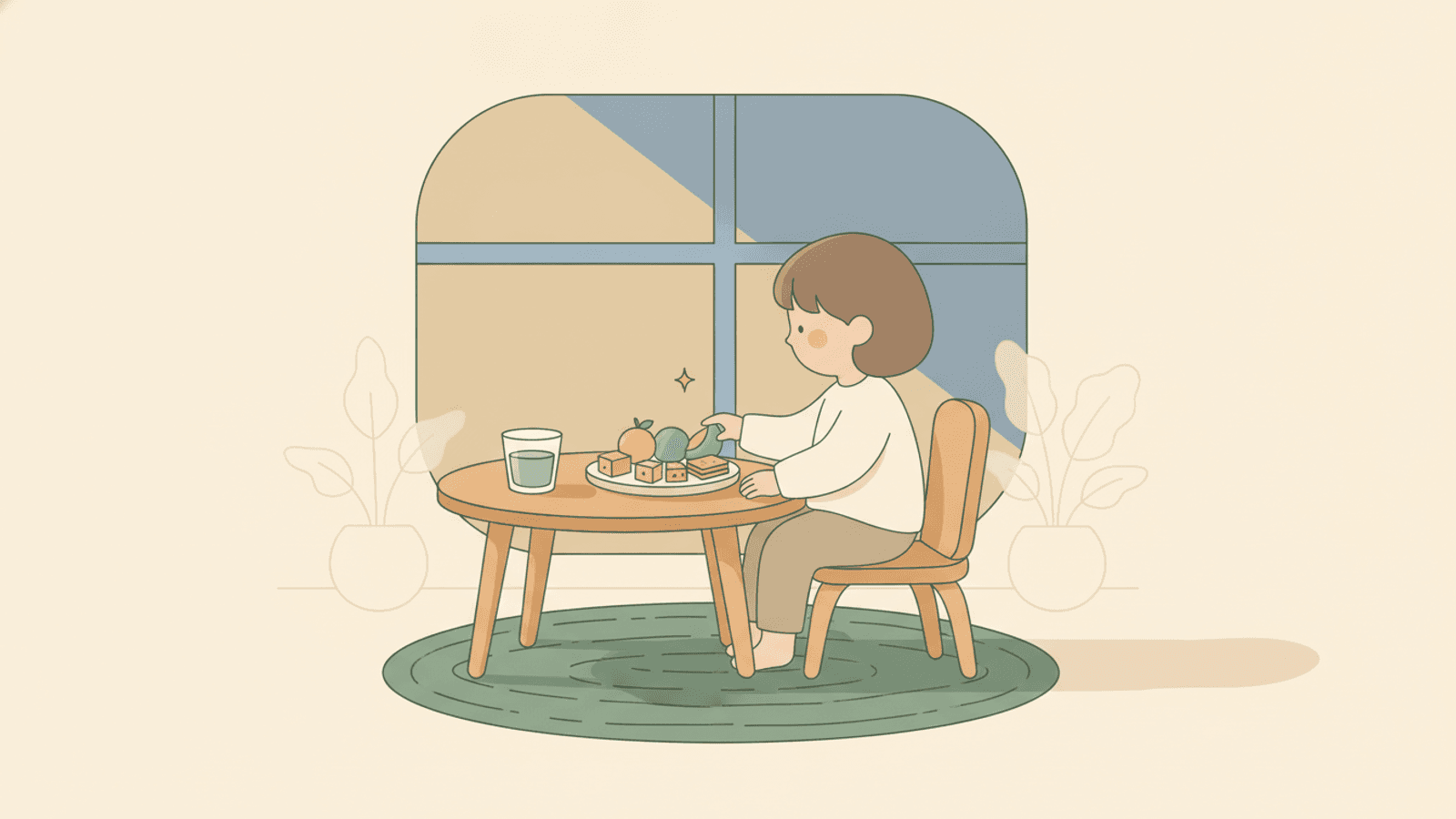
If your child grazes all day and then pushes dinner around the plate, it is easy to blame the dinner. Often, though, the snacks are the real problem. A bit of structure around meals and snacks makes everyone hungrier at the right times, calmer in between, and turns the constant “I’m hungry” into a predictable rhythm that suits a child’s body far better.
Why all-day grazing backfires
When food is available all day, a child is never quite hungry — so they pick at meals, refuse more than they otherwise would, and you worry and offer extra snacks, which quietly feeds the loop. Constant grazing also keeps blood sugar and mood on a rollercoaster and makes balanced eating harder, because appetite never builds to the point where a real meal looks appealing. The fix is not fewer snacks; it is structured snacks.
The shape of a structured day
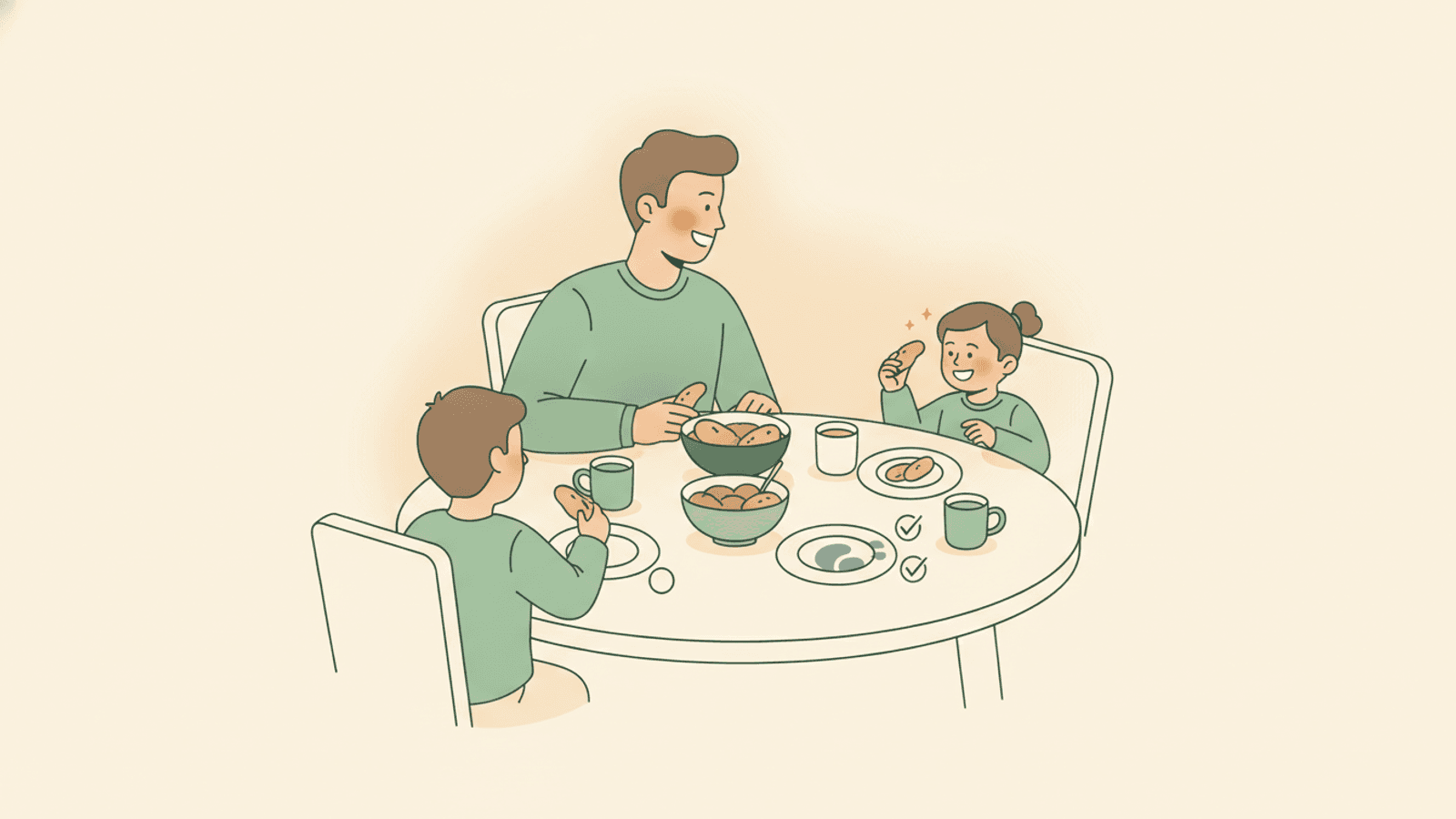
Most children do well with three meals and two to three planned snacks, spaced roughly every two to three hours. The key shift is that snacks are sit-down mini-meals at the table, not a bag of crackers carried around the house. Between those eating times, water is freely available but food generally is not — which lets genuine hunger build, so the next meal or snack is actually wanted.
What makes a good snack
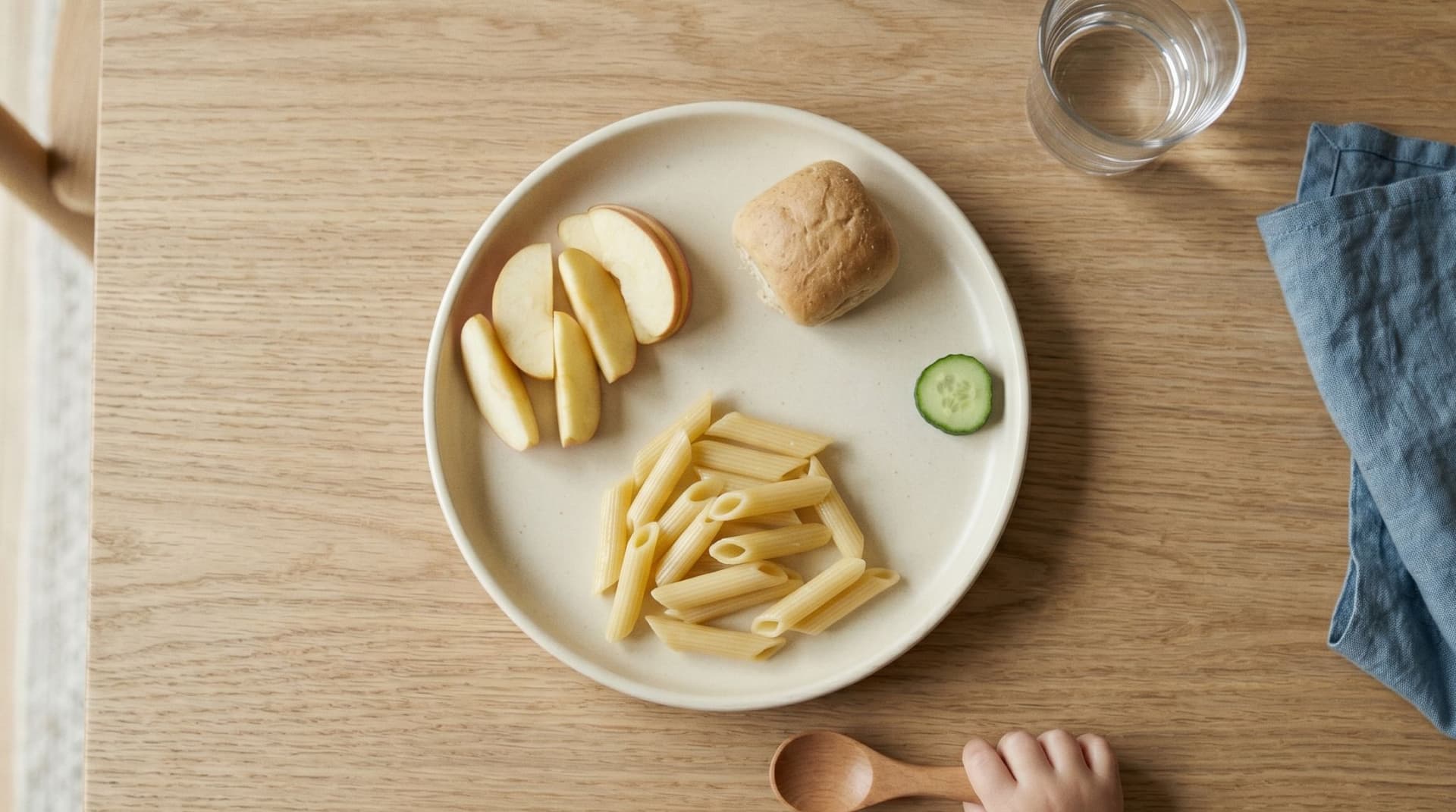
- Pair a carbohydrate with a protein or fat — fruit and cheese, crackers and nut butter, yoghurt and berries — so the snack satisfies and lasts.
- Treat snacks as mini-meals, not just sweet treats or a packet of crisps.
- Include a food your child reliably eats, especially for a cautious eater, so the snack is not a battle.
- Keep portions snack-sized, so there is still room and appetite for the next proper meal.
Make it a predictable routine
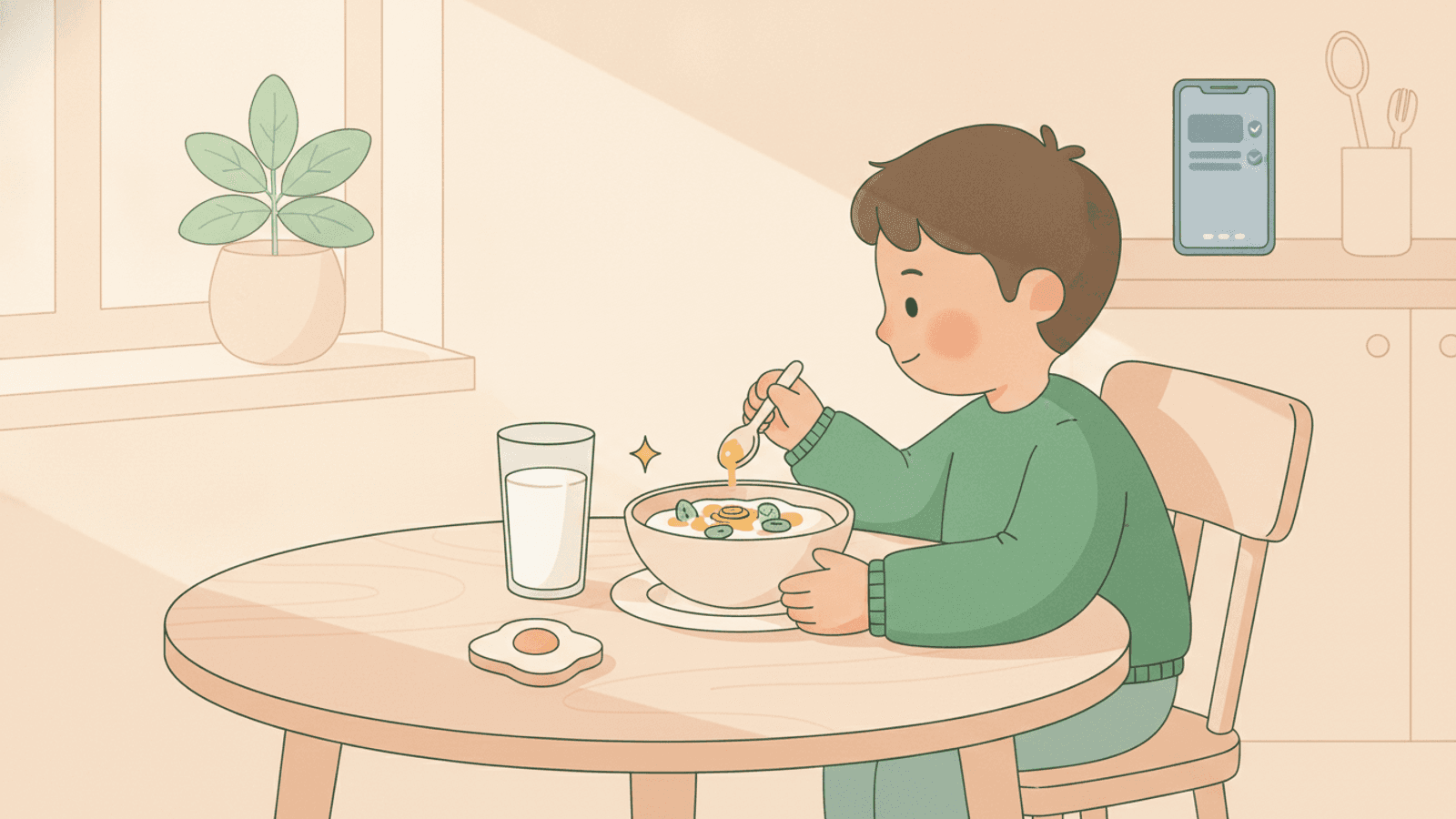
Offer snacks at roughly the same times each day, in the same spot — the table — so your child learns when food is coming. Predictable snack times actually reduce the steady stream of “I’m hungry!” requests, because children stop worrying about when they will next eat. A visual daily routine that lays out meals and snacks helps a child see the whole day’s food at a glance.
Handling "I'm hungry" between times
If a snack is coming soon, you can say “snack is at three, let’s check the clock together,” which holds the structure without a fight. If your child genuinely ate very little at the last meal, a small bridge is fine — you are aiming for structure, not rigidity. And offer water first: thirst very often masquerades as hunger, especially in busy, distracted children.
For children with ADHD or autism
Structure matters even more here. Children who hyperfocus can forget to eat entirely, and stimulant medication often suppresses appetite during the day, so planned snacks and a substantial breakfast and evening snack help make sure enough food gets in — talk to your prescriber about timing around medication. Predictable snack times also reduce food-related anxiety for children who need to know exactly what is coming and when. This article is general guidance, not medical advice.
Read more
Frequently asked questions
How often should a child eat?
Most children do well with three meals and two to three planned snacks, spaced roughly every two to three hours. Regular eating times keep energy and mood steady, while constant grazing tends to dull appetite for proper meals.
Is snacking all day bad for kids?
Constant grazing usually backfires — a child who eats a little all day is never hungry enough to eat well at meals, and blood sugar and mood swing more. Planned, structured snacks at set times work far better than open-ended grazing.
What are healthy snacks for children?
Snacks that pair a carbohydrate with a protein or fat satisfy and last: fruit and cheese, crackers and nut butter, yoghurt and berries, vegetables and hummus. Treat snacks as mini-meals rather than only sweets or crisps.
My child won't eat meals but always wants snacks — what do I do?
Move to structured snack times instead of all-day grazing, so real hunger can build before meals. Keep snacks small and balanced, offer them at the table, and make the next meal the next eating time — appetite usually returns once grazing stops.
Should I let my child snack whenever they're hungry?
Predictable snack times generally work better than snacking on demand, because they let appetite build and reduce constant requests. If a child genuinely ate little at the last meal, a small bridge is reasonable — aim for structure with a little flexibility, not rigid rules.