The 30-Minute Wind-Down: A Simple Routine for Easier Bedtimes
Sleep doesn't switch on like a light — the brain and body need a runway. A consistent 30-minute wind-down is one of the most effective things you can add to your evening. Here's why it works and a simple sequence to follow.
Sleep does not switch on like a light. The brain and body need a runway — a stretch of slowing-down time that tells the nervous system the day is over. A consistent 30-minute wind-down is one of the simplest and most effective things you can add to your evening, and it works for toddlers, school-age children and tired grown-ups alike.
Why the wind-down matters
You cannot go from full speed to asleep. The body needs to downshift: heart rate and arousal come down, the stress hormone cortisol drops, and melatonin rises. A predictable routine cues all of this — over time the brain learns that this particular sequence means sleep is coming, and starts preparing before you even reach the bed. For children who find transitions hard, that predictable runway is especially valuable.
The three principles of a good wind-down
- Slow the pace — each activity calmer than the one before, ending in something still and quiet.
- Dim the light — bright overhead light blocks melatonin, so switch to lamps and lower the brightness as you go.
- Keep it the same every night — predictability is the active ingredient, not the specific activities.
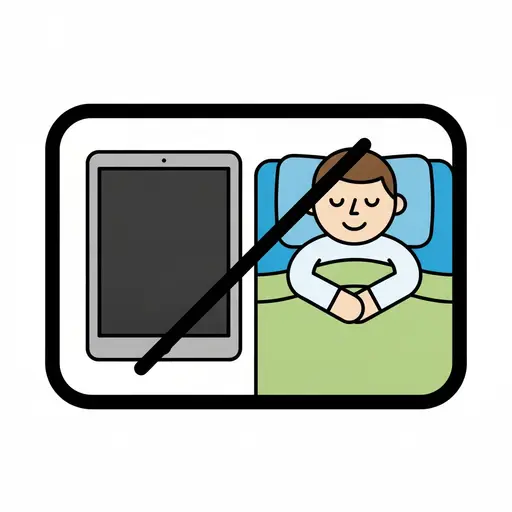
And get screens off before the wind-down starts: both the light and the stimulation push sleep later.
A simple 30-minute sequence
- First 10 minutes — a warm bath or wash, then into pyjamas. The drop in body temperature afterwards naturally nudges the body toward sleep.
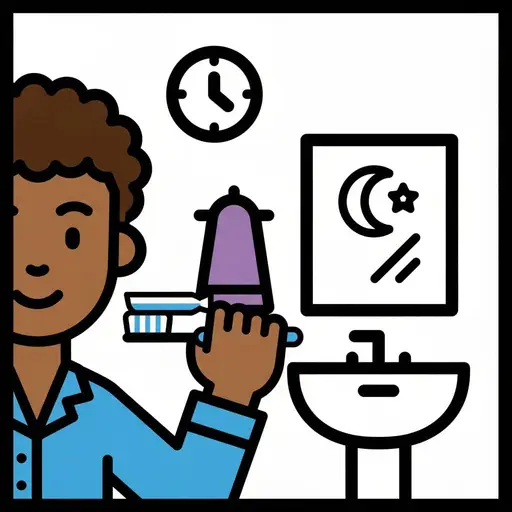
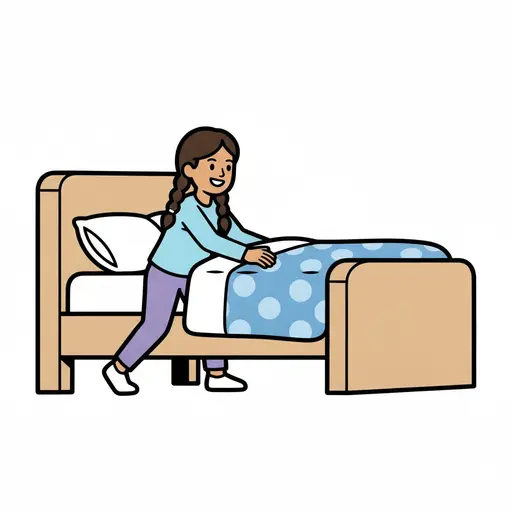
- Next 5 minutes — brush teeth, last toilet trip, and put away a couple of things together so the room feels calm.
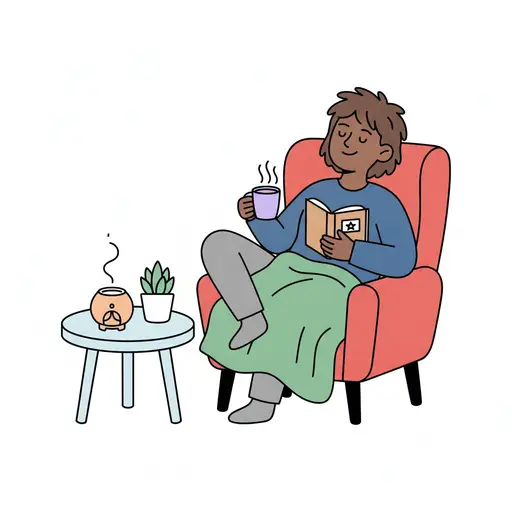
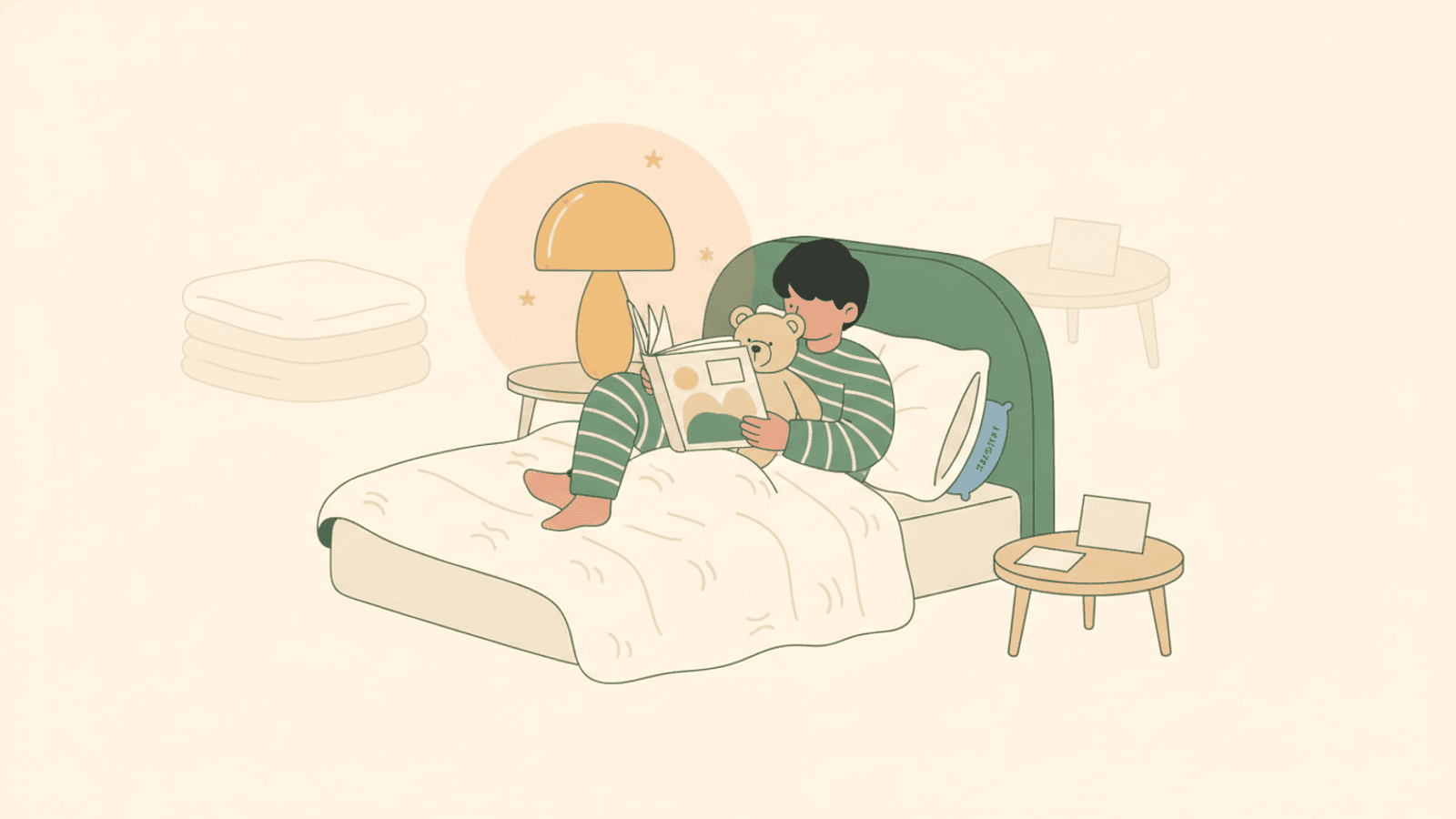
- Then about 10 minutes — into bed for a story, a quiet chat or an audio book, with the light low.
- Last few minutes — your goodnight ritual (a song, a phrase, a hug) and lights out.
Make it easier to stick to
Start the wind-down at the same clock time each night so it becomes automatic. Use a visual sequence so your child can see the steps and the end, rather than wondering how much longer it goes on. Keep your own energy low and calm — children mirror it. And get as much ready for the morning as you can earlier in the evening, so the wind-down itself stays unhurried.
For children with ADHD or autism
Transitions and switching off are harder, so give a slightly longer runway — 45 to 60 minutes — and lean even more on a visual routine and a clear ending. A timer on each step can help a child who loses track of time, and keeping the whole thing boring and consistent does more than any single trick. This article is general guidance, not medical advice.
Read more
Frequently asked questions
How long before bed should a wind-down start?
About 30 minutes works for most children, and 45 to 60 for those who find it hard to switch off, such as many children with ADHD. The key is starting before your child is overtired, not after.
What should a bedtime wind-down include?
A slowing sequence of calm activities — a wash or bath, pyjamas, teeth, then into bed for a story or quiet time with the light low, ending in a goodnight ritual. The exact activities matter less than keeping them the same each night.
Why does my child get a "second wind" at bedtime?
Often because they became overtired and their body released stress hormones to keep going, which makes settling harder. Starting the wind-down a little earlier, before that point, usually helps.
Should screens be part of the wind-down?
It is best to switch screens off before the wind-down begins. The light suppresses melatonin and the content keeps the brain alert, both of which push sleep later. Swap in books, audio stories or quiet play instead.
Does the wind-down need to be exactly the same every night?
It does not have to be identical, but the more predictable the order, the better it works — predictability is what teaches the brain that sleep is coming. Keep the core sequence steady, even when the details shift.