No iPad, Rest
Putting the screen down to rest goes straight against what the body is calling for, more of that quick stimulation. A gentle path down in pace is what helps. The pictures below show steps that help the body land.
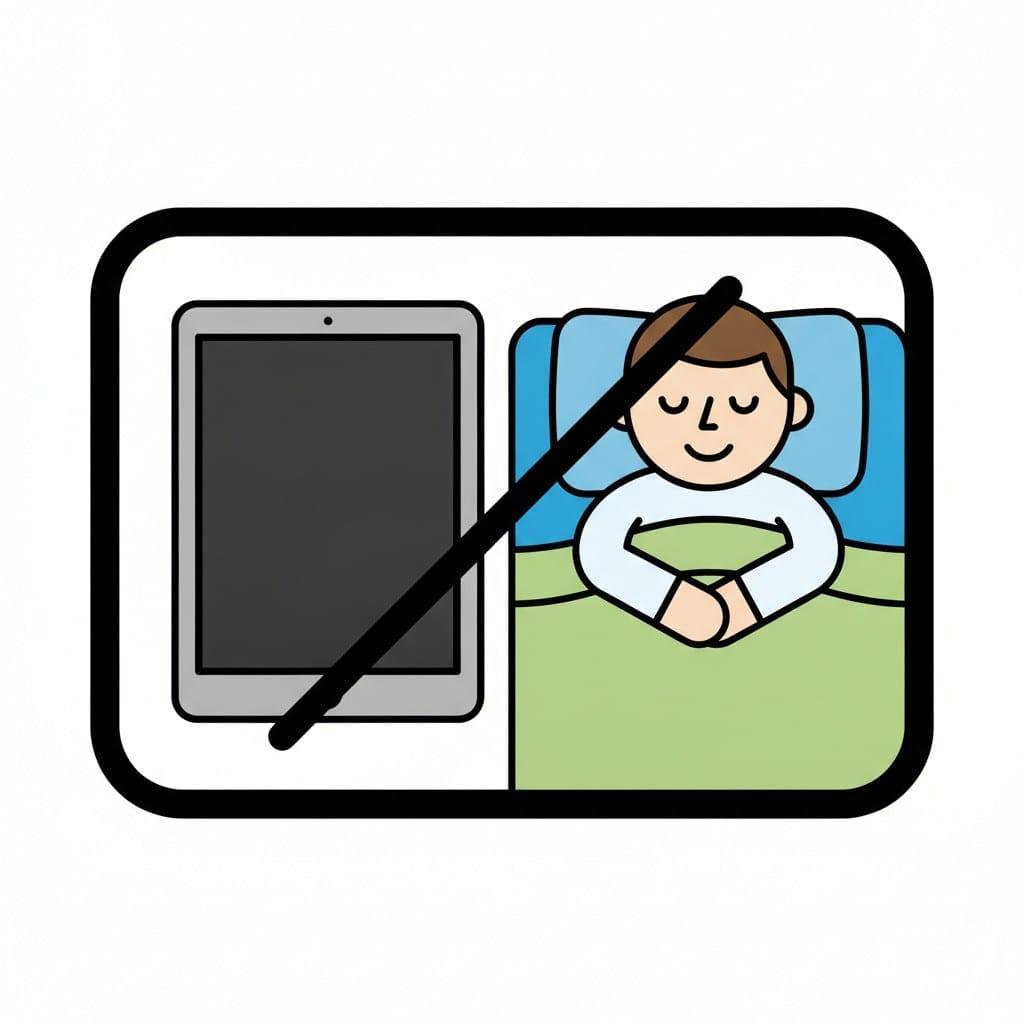
No iPad, rest
A crossed-out iPad next to a child resting in bed.
About this visual support
A screen gives fast, constant stimulation, and switching it off suddenly leaves an emptiness the body wants to fill straight away. That is exactly why the move from iPad to rest is one of the hardest of the day, especially for children with ADHD who find it extra hard to brake when the pace is high. A bare put it away now with nothing to turn to easily leads to protest.
Visual support helps by making the rest something concrete to move toward instead of just a stop. When the pictures show turn off the screen, take a pillow, lie down, close your eyes, the child gets a gentle stairway down rather than a sharp drop. The emptiness fills with a new activity, calm but still something to do, and letting go of the screen gets easier.
One concrete tip: put a short physical action between screen and rest, like drinking a glass of water or stretching. That small movement breaks the screen mode and gives the body a signal that the pace is coming down before the rest begins.
With the Routined app you can build the wind-down as its own little routine and let the child follow the steps from screen to calm.
Use this image in a schedule
Build your own visual schedule with this image and download it as a print-ready PDF. Completely free.

More similar visual supports
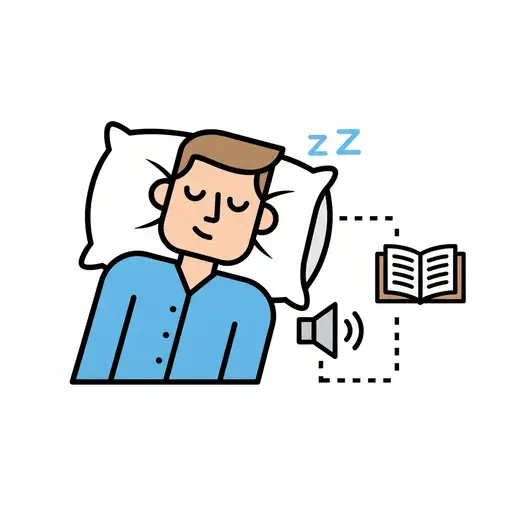
Fall asleep to an audiobook
A person lies on a pillow with closed eyes and listens to an audiobook.
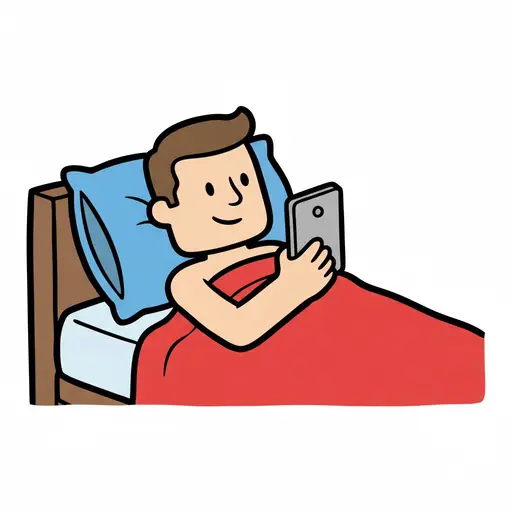
Phone in bed
A man is lying in bed looking at his phone.
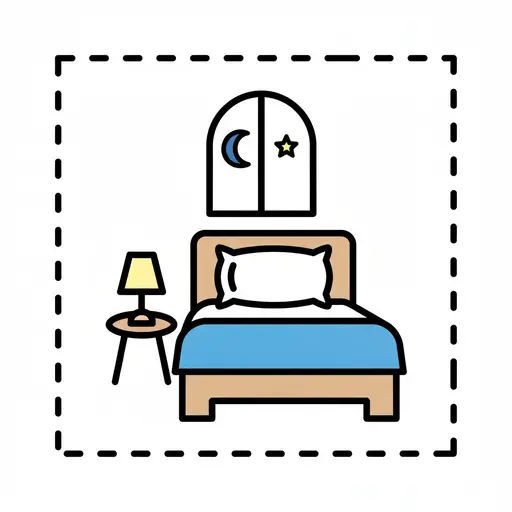
Bedroom
A bedroom scene with a made bed, a bedside table with a lamp, and a window showi...
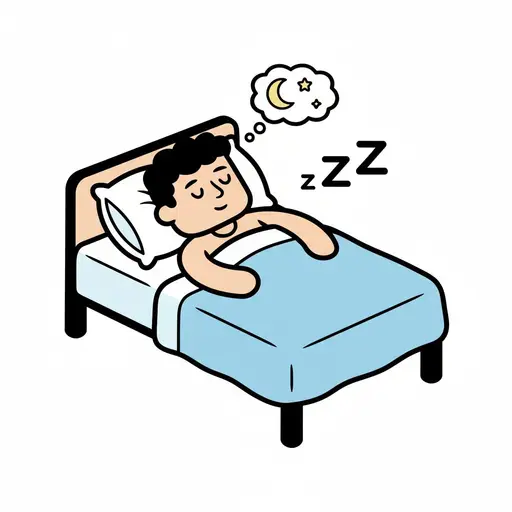
In Bed Quiet Time
A boy lies in a bed under a blue blanket with a thought bubble showing a moon an...
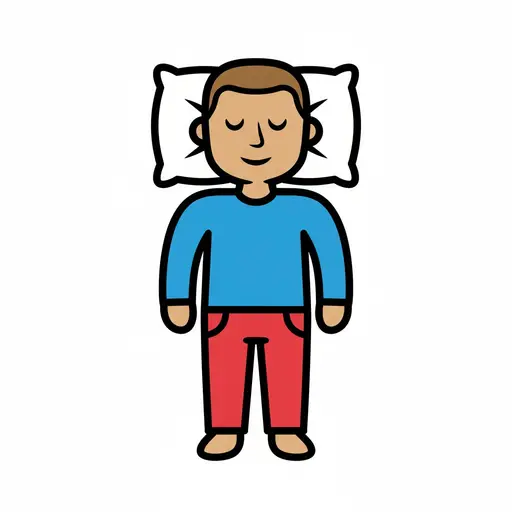
Lie down
A boy is lying down on a pillow with his eyes closed.
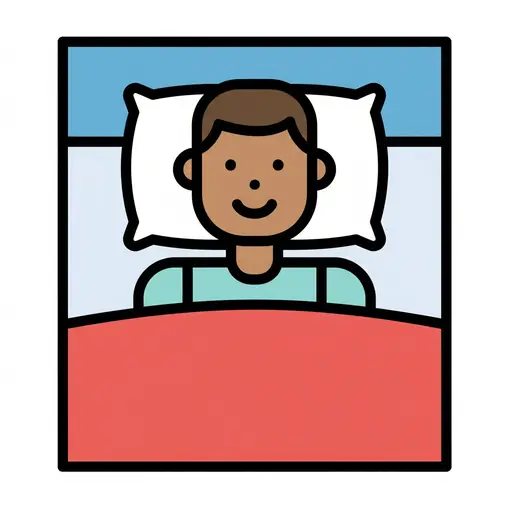
Lie in bed
A boy resting with his head on the pillow in bed.
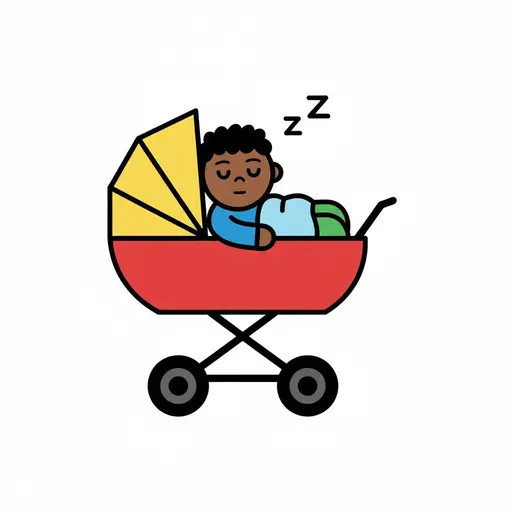
Nap in the stroller
A child sleeping inside a red stroller with the yellow sun canopy raised and two...
Take a nap
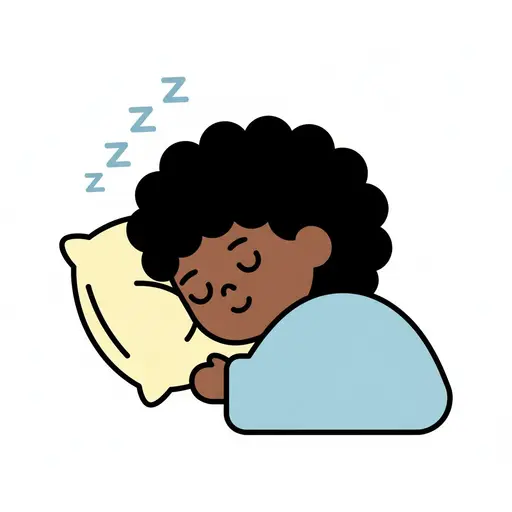
A child sleeps on a pillow under a blanket with zzz symbols showing sleep.
Take the visual supports with you
In Routined you build schedules from these pictures, add timers and voice instructions, and your child follows the day on their own.


* 14-day free trial included for new users.