A Visual Summer Safety Routine: Sunscreen, Hat and Water
Sunscreen battles, forgotten hats and dehydrated kids are a daily summer fight. Turning sun safety into a short visual routine takes the nagging out of it.
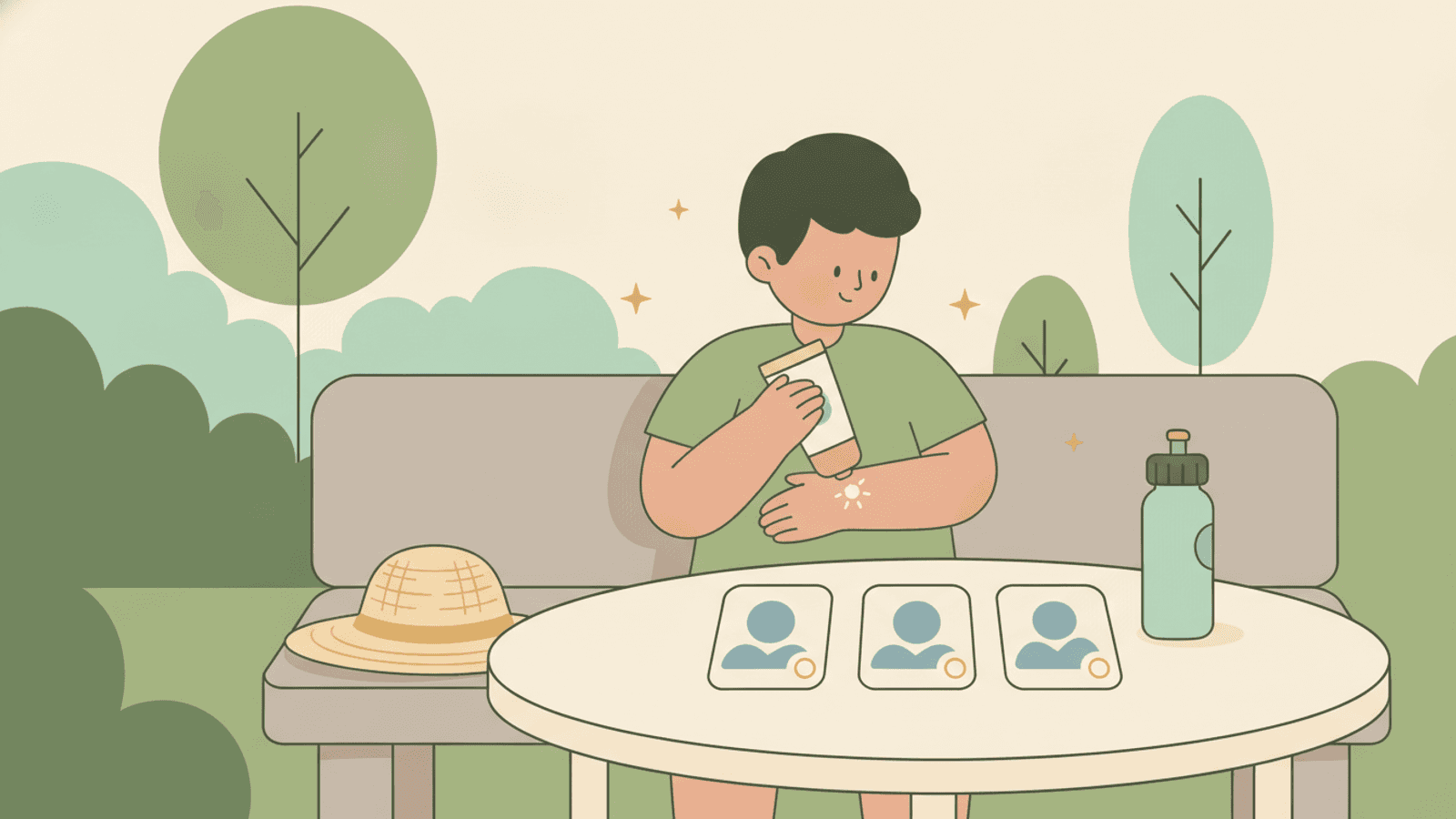
Ensuring summer safety for your children, especially those with sensory sensitivities, can be a delightful yet challenging task. A well-established visual sunscreen routine for kids, alongside hat-wearing and hydration, is your best tool for peace of mind. By transforming these vital steps into a predictable sequence, you not only protect their delicate skin and well-being but also foster a sense of independence and cooperation, making sunny days truly enjoyable for everyone.
Why Sun Safety Needs a Routine
Summer brings warmth, light, and endless opportunities for outdoor play. Yet, with all that joy comes the invisible challenge of sun exposure and potential dehydration. Unlike a scraped knee, which provides immediate feedback, the cumulative effects of sun damage or the subtle signs of dehydration can go unnoticed until they become serious. This invisible nature is precisely why sun safety isn't something to be left to chance; it needs a proactive, consistent routine.
For many children, particularly those who thrive on predictability – including those with ADHD or autism – a clear routine transforms an abstract concept like 'sun protection' into a concrete, manageable sequence of actions. When children know exactly what to expect, and in what order, anxiety is reduced, and cooperation increases significantly. A well-designed routine takes the guesswork out of sun protection for parents and empowers children to participate actively in their own well-being.
Consider the morning rush, or the excitement of heading outdoors; it’s easy for crucial steps like applying sunscreen or grabbing a hat to be overlooked in the enthusiasm. A routine acts as a protective shield, not just against UV rays, but against forgetfulness. It embeds these essential steps into the fabric of your day, making them as automatic as brushing teeth before bed. This consistency builds healthy habits that will serve your children for a lifetime.
The Four Steps: A Visual Summer Safety Sequence
Making sun safety a visual journey is incredibly powerful. When children can see what needs to be done, it becomes tangible and less overwhelming. Here are the four foundational steps to build into your summer safety routine, presented in a clear, visual sequence:
<b>Step 1: The Sunscreen Shield (Apply Before Going Out).</b> This is your child's first layer of defense. Make it a non-negotiable step before anyone steps foot outdoors. Visually, this could be represented by a tube of sunscreen or a picture of a child getting sunscreen applied. Emphasize full coverage on all exposed skin – face, ears, neck, arms, legs. Turn it into a 'sunscreen armor' application ritual.
<b>Step 2: The Mighty Hat (Grab and Wear).</b> Once the sunscreen is on, the hat comes next. A wide-brimmed hat is ideal, protecting the face, ears, and neck. Visually, a picture of a child wearing a hat clearly signals this step. Let your child choose their hat (from safe options) to increase their ownership and willingness to wear it.
<b>Step 3: The Water Power-Up (Hydrate Regularly).</b> A full water bottle should be a constant companion. Place it by the door or in a designated 'outdoor' basket. This step's visual could be a picture of a water bottle or a child taking a sip. Encourage frequent sips, not just when they feel thirsty, as thirst can be a late sign of dehydration.
<b>Step 4: The Shade Retreat (Planned Breaks).</b> Even with sunscreen and a hat, shade breaks are essential, especially during peak sun hours (usually 10 a.m. to 4 p.m.). Visually, a picture of a shady spot – under a tree, an umbrella, or indoors – reminds everyone to seek refuge. Incorporate these breaks into your play schedule, making them a fun 'recharge' time with a snack or a quiet activity.
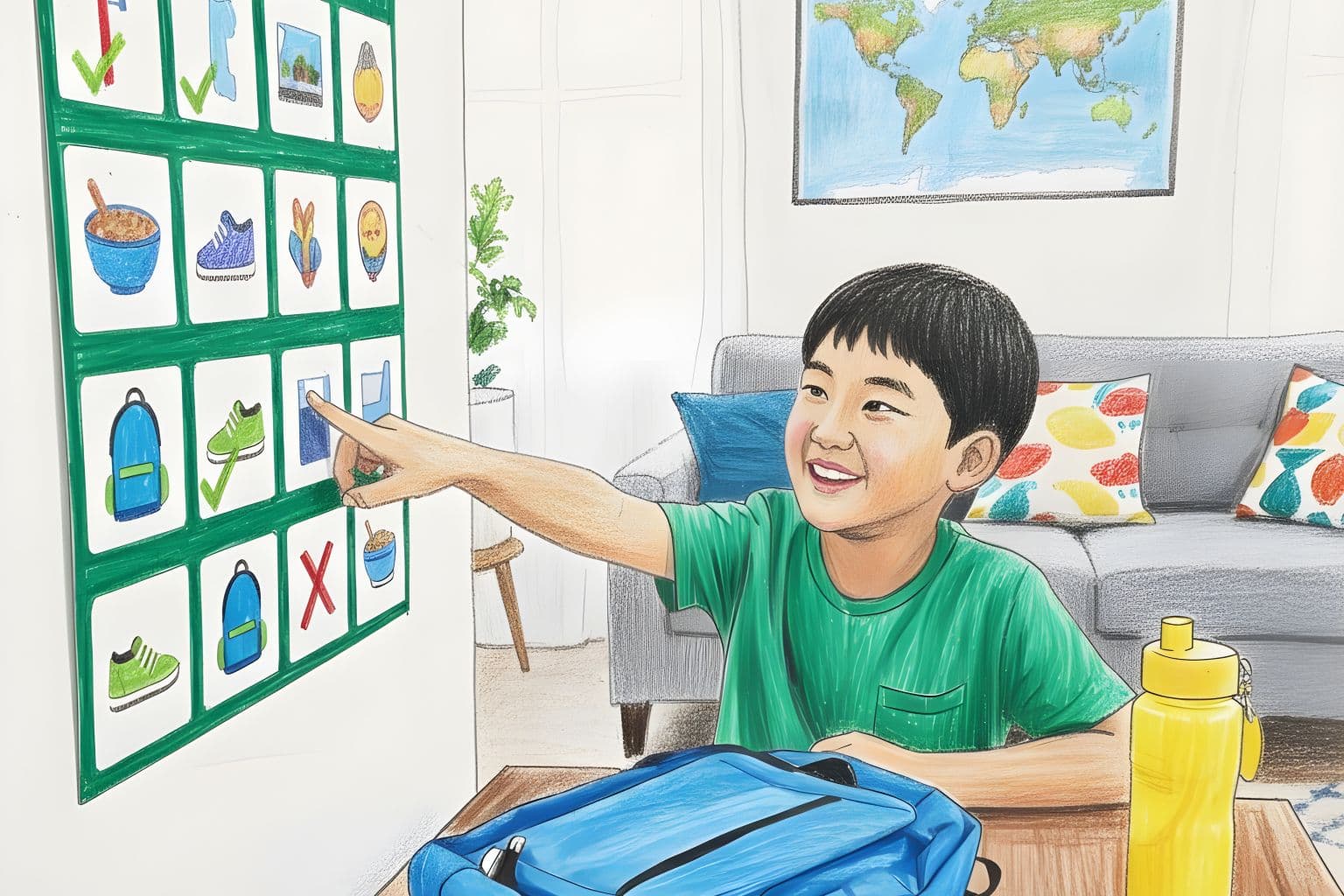
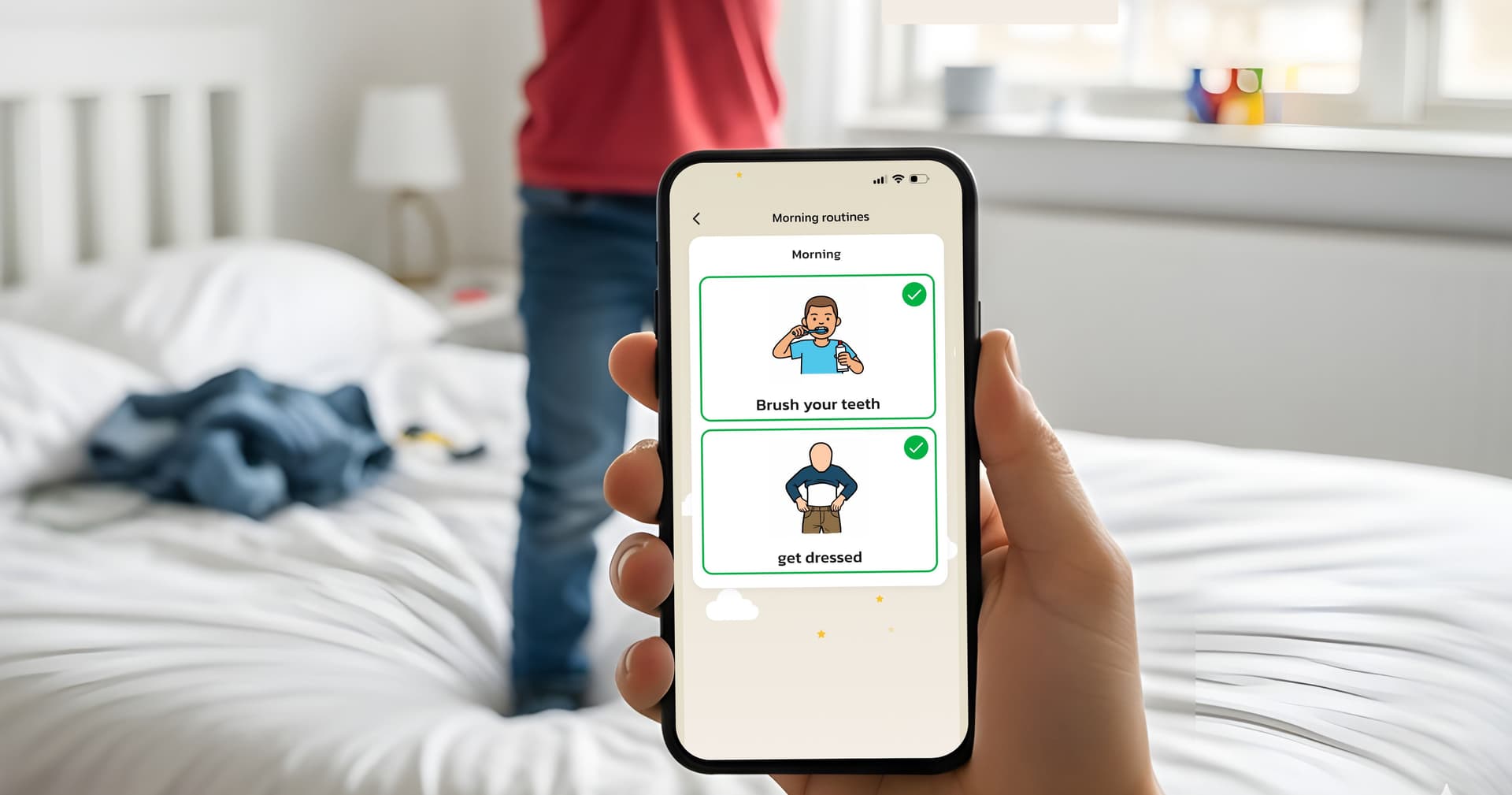
Display these steps prominently using pictures, drawings, or even a simple chart. As each step is completed, your child can check it off, creating a tangible sense of accomplishment and progression.
Sensory-Friendly Sunscreen Tips
For children with sensory sensitivities, the texture, smell, or application of sunscreen can be a significant hurdle. Finding the right approach is key to making the sunscreen routine for kids a positive experience, rather than a battle.
<b>Experiment with Texture:</b> Sunscreens come in many forms: lotions, creams, sticks, and sprays. Some children prefer a thicker, more protective feel, while others might find it overwhelming and prefer a lighter, faster-absorbing lotion or a stick application that minimizes tactile input. Mineral sunscreens (zinc oxide, titanium dioxide) can often feel thicker, but some brands have developed very smooth, blendable formulas. Try different types on a small patch of skin (e.g., the back of the hand) to see which your child tolerates best. Keep in mind that some children may also react to scents, so fragrance-free options are often a good starting point.
<b>Gentle Application Techniques:</b> The way sunscreen is applied can make a huge difference. Avoid surprising your child; always announce what you’re doing. Use a calm, firm, but gentle touch. Some children prefer deep pressure over light touches. You might start by applying to less sensitive areas, like the arms or legs, and gradually move towards the face and neck. Turning it into a 'painting' game or a 'magic shield' can also help. A small, soft brush can be used by some children to apply the sunscreen themselves, offering a different sensory input than hands.
<b>Involve and Empower:</b> Whenever possible, involve your child in the process. Let them choose between two sensory-friendly options, or let them help apply it to a doll or a stuffed animal first. Giving them a sense of control over a process that can feel invasive can dramatically shift their perspective.
Make the Child the Owner
Empowering your child to take ownership of their summer safety routine is a game-changer. When they feel responsible, it shifts from being 'something Mom or Dad makes me do' to 'something I do to keep myself safe and strong.' Create a simple, visual checklist of the four steps mentioned above. Use pictures for younger children or those who prefer visual cues, and add checkmarks or stickers that they can use to mark off each completed task. This visual 'to-do' list provides clear expectations and a wonderful sense of accomplishment.
Let them physically check off 'sunscreen applied,' 'hat on,' and 'water bottle full.' You can also involve them in choosing their specific hat (within sensible safety parameters) or their water bottle. Even letting them pick which sunscreen stick to use can give them a feeling of agency. This engagement fosters independence and strengthens their internal motivation, making the routine a collaborative effort rather than a directive.
Reapplying Without a Fight
The first application is one hurdle, but reapplication every two hours (or more frequently after swimming or sweating) is another. This is where predictability and fun become your best allies. Children thrive on clear signals and structured breaks, making it easier to interrupt their play for essential tasks.
<b>Set a Timer or Visual Cue:</b> A simple kitchen timer, a visual sand timer, or an alarm on a phone can be a fantastic, neutral signal. When the timer goes off, everyone knows it's 'sunscreen recharge time.' You could even use a specific song that plays only for sunscreen reapplication, turning it into a unique, positive cue.
<b>Integrate into Play:</b> Instead of pulling them away abruptly, weave reapplication into their current activity. If they're building a sandcastle, it's 'time to re-armor our builders!' If they're playing 'superheroes,' it's 'time for a power-up shield boost!' Make it a quick, fun interlude rather than a disruptive stop.
<b>Quick and Easy Options:</b> Keep a sunscreen stick or a spray bottle (if your child tolerates it) handy for quick top-ups on exposed areas like the face, neck, and arms. These formats can be less intrusive and faster to apply, minimizing the time away from play. Involving the child by letting them apply the stick themselves (with supervision) can also reduce resistance.
Consistency is paramount. If reapplication is non-negotiable every time the timer goes off, children will quickly learn to expect and accept it. By making it predictable and positive, you create a summer where sun safety is just another enjoyable part of the day, allowing everyone to relax and soak up the good times – safely.
Read more
Frequently asked questions
How often should I reapply sunscreen on a child?
Generally, sunscreen should be reapplied every two hours, or more frequently if your child is swimming, sweating heavily, or towel drying. Even "water-resistant" sunscreens lose effectiveness over time, so regular reapplication is crucial for continuous protection throughout the day.
My child hates the feeling of sunscreen — what can I do?
Experiment with different formulations like sticks, sprays, or lightweight lotions, as textures vary greatly. Try applying a small amount to a less sensitive area first, or involve your child by letting them apply it to a doll or their own arm. Making it a game or a gentle massage can also help make the experience more positive.
At what age can a child apply their own sunscreen?
While supervision is always needed, children around 4-6 years old can start taking an active role in applying their own sunscreen, especially with stick or spray formats. Encourage them to help, guiding them to cover all exposed skin thoroughly, especially on the face and ears.
How do I get my child to keep a sun hat on?
Make hat-wearing fun by letting your child choose their own hat, perhaps one with a favorite character or a vibrant color. Introduce it as part of their "superhero sun protection gear" and wear one yourself to model the behavior. Consistent reinforcement and praising them when they keep it on can also be very effective.
How much water does a child need on a hot day?
On a hot day, children generally need to drink more water than usual, even if they don't feel thirsty. Encourage frequent sips throughout the day, aiming for about 4-8 glasses, depending on age, activity level, and the temperature. Keep water easily accessible and offer water-rich fruits and vegetables as snacks.