Just Got an ADHD or Autism Diagnosis? Your First Steps as a Parent
A new diagnosis brings relief and a hundred questions at once. You don’t have to do everything today. Here are the first, calm steps that actually help — starting with everyday life.
Receiving a diagnosis of ADHD or autism for your child can bring a whirlwind of emotions – relief, confusion, worry, and a desire to know what to do next. When facing a child ADHD diagnosis, first steps involve taking a deep breath and understanding that while the diagnosis provides a new lens, your child is still the wonderful individual they’ve always been. Your immediate focus should be on gentle understanding and identifying one small, practical step to bring more predictability and calm into your home, rather than an overhaul.
First, breathe — the child is the same child.
It’s completely normal to feel overwhelmed after receiving an ADHD or autism diagnosis for your child. Perhaps you’ve been on a long journey seeking answers, and now you have one. This news can feel monumental, shifting your perception of everything. However, it’s crucial to remember that your child has not changed overnight. They are the same unique, beloved individual they were yesterday, last week, and last year.
The diagnosis doesn't define them; it simply offers a framework for understanding how their brain works differently. It provides a new language to describe their experiences, challenges, and strengths. Embrace this understanding as a tool – a guide to better support them, not a label that limits their potential. This initial moment is for acknowledging your feelings, giving yourself grace, and reaffirming your love and commitment to your child, just as they are.
Often, parents report feeling a sense of relief alongside the other emotions. Relief that there’s an explanation for certain behaviours, for struggles that seemed to defy conventional parenting approaches. This understanding can reduce self-blame and open doors to more effective, tailored strategies. It’s the start of a new chapter where you can advocate more effectively and provide an environment that truly nurtures your child’s specific needs.
What to do this week vs. what can wait (don’t over-research; pick one everyday pain point)
The internet is a vast ocean of information, and it can be tempting to dive headfirst into endless articles, forums, and studies immediately after a diagnosis. While education is vital, trying to absorb everything at once can lead to extreme overwhelm and analysis paralysis. Remember, you don't need to become an overnight expert on ADHD or autism.
Instead, take a breath and choose one, just one, everyday pain point or challenge that consistently causes stress in your family. Is it morning routines that always devolve into chaos? Bedtime struggles? Mealtime meltdowns? Pick the single issue that feels most urgent and focus your initial energy there. This targeted approach prevents burnout and allows for tangible, small victories that build confidence.
Don’t try to implement ten new strategies at once. Our children, especially those with ADHD or autism, thrive on predictability and can become anxious with too many sudden changes. Start small, observe the impact, and adjust as needed. This week, perhaps your goal is simply to map out the current morning routine, noticing where the friction points are. Next week, you might introduce one tiny change to address one of those points. Gradual, intentional steps are far more effective than radical overhauls.
Resist the urge to compare your child's journey or your family's situation to others you read about online. Every child is unique, and what works for one family may not work for another. Trust your instincts as a parent, combined with the new insights the diagnosis offers.
Start with structure and visual support (predictability lowers stress fastest)
One of the most effective and immediate strategies you can implement to support a child with ADHD or autism is to introduce more structure and predictability into their daily life. Neurodivergent brains often thrive on routine and clear expectations. Uncertainty can be a significant source of anxiety, and by creating a more predictable environment, you can dramatically reduce stress for everyone in the family.
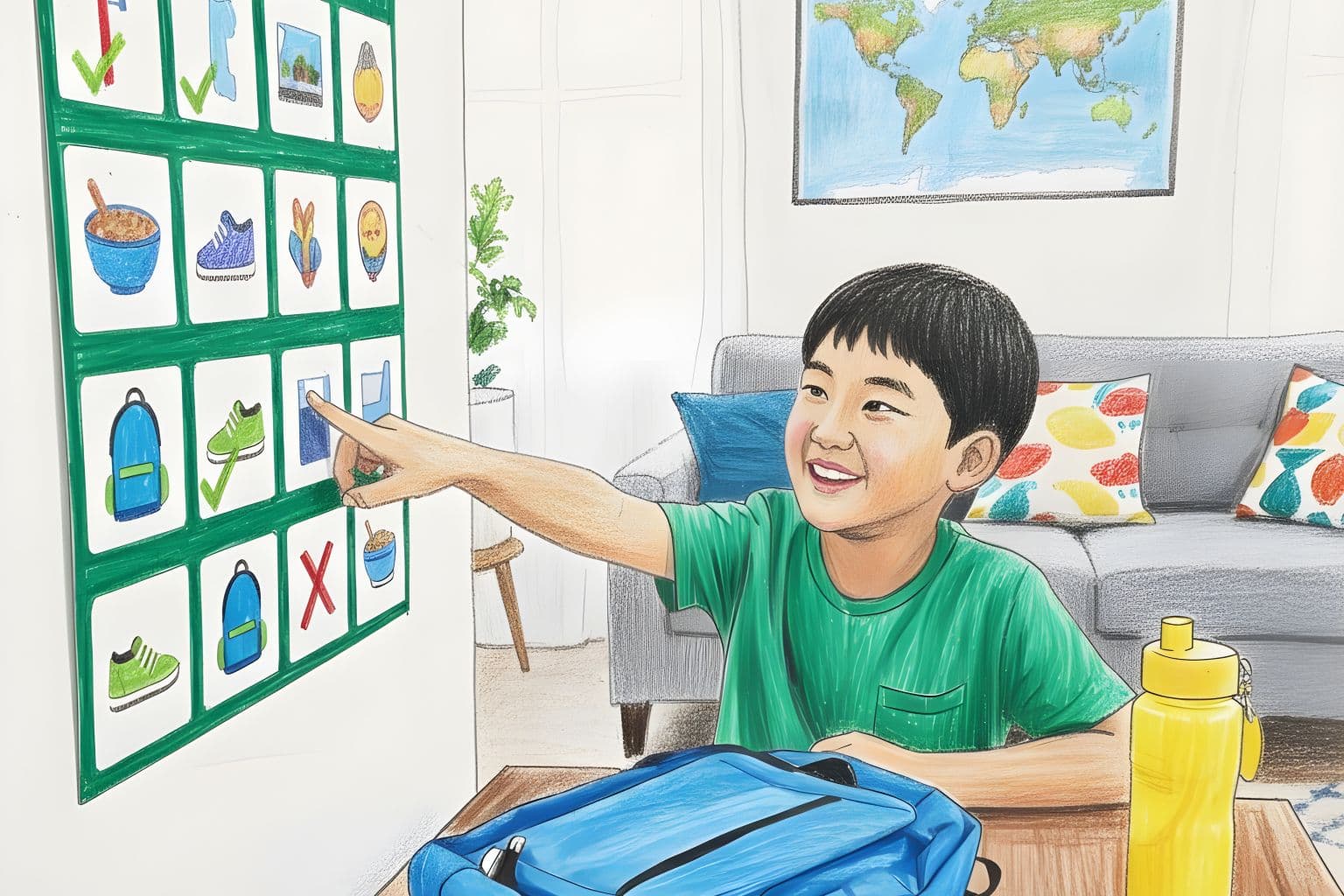
Visual supports are incredibly powerful tools. While verbal instructions can easily be forgotten or misinterpreted, a visual representation provides a constant, clear reminder of what needs to happen next. This could be as simple as a whiteboard in the kitchen outlining the morning routine, or a series of pictures showing the steps for getting ready for bed. Consider:
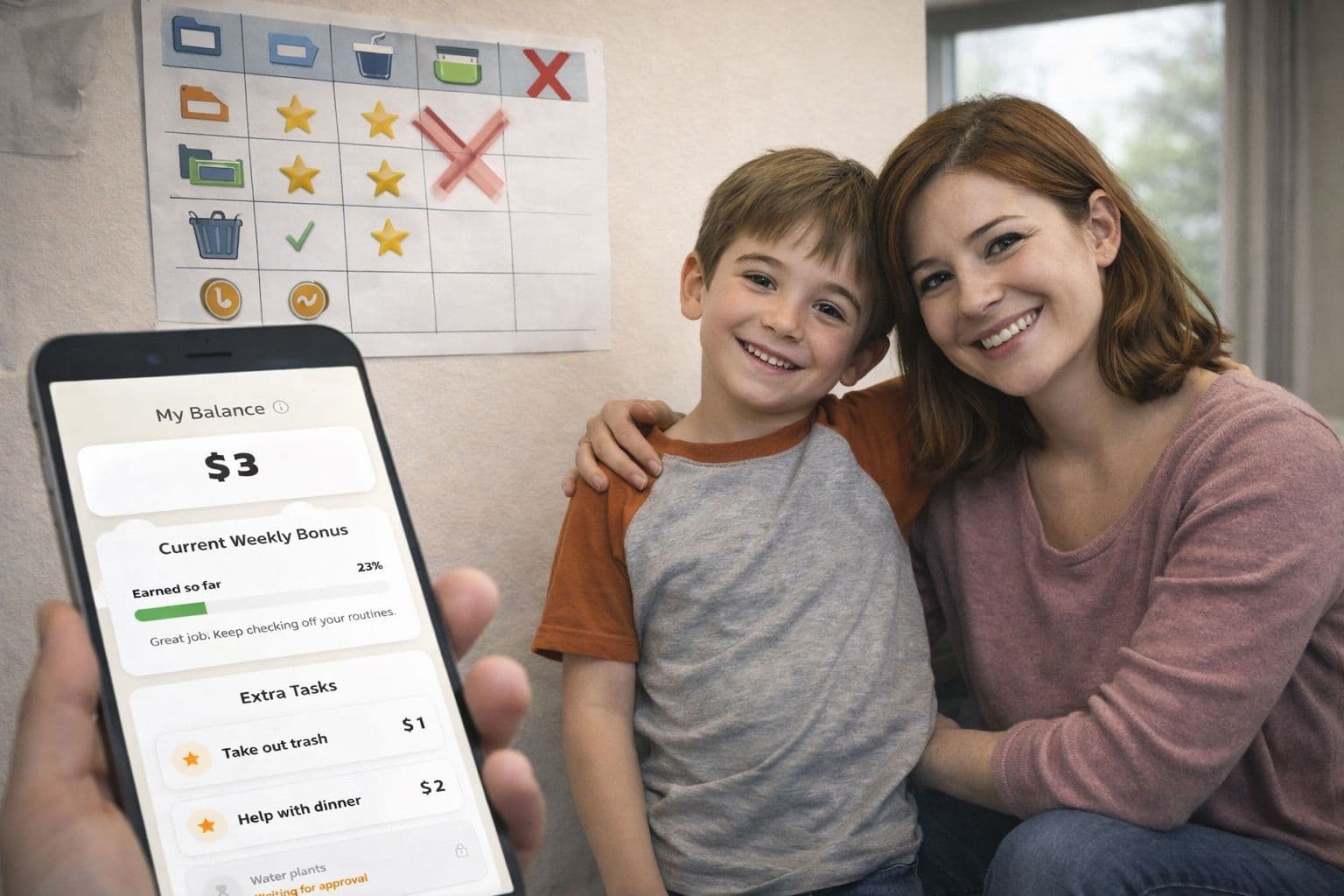
Visual Schedules: Use pictures, drawings, or simple text to illustrate the sequence of daily activities. These can be for the whole day, or specific routines like getting ready for school, homework time, or after-school activities.
First/Then Boards: A simple visual that states, “First [less preferred activity], then [preferred activity].” This can be highly motivating and help with transitions.
Timers: Visual or auditory timers can help children understand the passage of time and when an activity will start or end, reducing anxiety around transitions.
Clear Expectations: Discuss rules and expectations explicitly. Write them down or use visuals so your child can refer to them. Consistency in enforcing these is key.
The goal isn't rigidity, but rather clarity and consistency. When a child knows what to expect, they feel more secure and empowered, which in turn can reduce meltdowns, resistance, and general anxiety. Start with one routine that you identified as a pain point earlier, and build a visual support system around it. Involve your child in creating these visuals if appropriate, making them feel like an active participant in their day.
Look after the parent too (mental load, support, community)
Parenting a child with ADHD or autism often comes with an increased mental load. The constant planning, problem-solving, advocating, and emotional support required can be exhausting. It's easy to pour all your energy into your child and forget about your own needs, but remember the analogy of the oxygen mask: you must put yours on first before you can effectively help others.
Prioritise your well-being. This isn't selfish; it's essential for your long-term capacity to support your child. Small acts of self-care can make a big difference: a few minutes of quiet, a walk outdoors, connecting with a friend, or pursuing a hobby. Recognise that it's okay not to be okay all the time and that seeking help is a sign of strength, not weakness.
Building a support system is critical. This might include your partner, family members, friends, or other parents who understand what you're going through. Connecting with a community of parents of neurodivergent children can be incredibly validating. Sharing experiences, strategies, and emotional support can alleviate feelings of isolation and provide invaluable practical advice. Look for local support groups, online forums, or parent networks in your area.
Consider professional support for yourself if you’re struggling. A therapist or counsellor can help you process your emotions, develop coping strategies, and manage stress. Remember, you are a vital part of your child’s support team, and taking care of yourself allows you to be the best advocate and parent you can be.
Questions to ask the clinic/school
Empower yourself with information by engaging with the professionals involved in your child's diagnosis and education. Don't hesitate to ask questions. Here are a few to get you started:
Can you recommend any local support groups or parent networks specific to ADHD/autism?
What resources (books, websites, workshops) do you suggest for parents to learn more about this diagnosis?
What specific school accommodations or support services might be available for my child?
Who is the key contact person at the school for discussing my child's needs and progress?
Are there any therapies or interventions you would recommend exploring, and how do we access them?
What are the common challenges and strengths associated with this diagnosis that we should be aware of?
Remember, you are your child's best advocate. Don't be afraid to ask for clarification, share your observations, and work collaboratively with professionals to create the best possible support plan for your child.
Receiving a diagnosis is the start of a new journey, not an end. It’s an opportunity to deepen your understanding of your child, equip yourself with effective tools, and build a supportive environment where they can truly flourish. Take it one step at a time, extend grace to yourself and your child, and celebrate every small victory along the way.
Read more
Frequently asked questions
What should I do first after my child’s diagnosis?
After your child's diagnosis, the very first step is to take a breath and acknowledge your feelings. Then, instead of trying to learn everything at once, identify one specific daily challenge that causes stress and focus on addressing that single issue with a practical, small step. Remember, your child is still the same wonderful individual.
Should I tell my child about their diagnosis?
Deciding whether and how to tell your child about their diagnosis is a personal choice, often best made with guidance from a professional. Generally, a positive and age-appropriate explanation can help your child understand themselves better, reduce confusion, and empower them to communicate their needs. Focus on explaining that their brain works uniquely, and that understanding this helps you both find ways to make things easier.
Do I need to change everything at home right away?
No, there's no need to change everything at home right away; that would be overwhelming for everyone. Focus on implementing small, manageable changes that address a specific challenge or bring more predictability. Gradual adjustments, like introducing one visual schedule for a challenging routine, are far more effective and less stressful than a complete overhaul.
Where do I find support after a diagnosis?
Support can be found in various places. Begin by connecting with other parents through local support groups or online communities focused on ADHD or autism. Your child's clinic or school can also often provide recommendations for resources, workshops, or parent networks. Don't hesitate to seek professional help for yourself, such as a therapist, to manage the mental load and stress.
Will a diagnosis change how I should parent?
A diagnosis doesn't change *who* you are as a parent, but it can certainly change *how* you parent. It provides valuable insights into your child's unique needs, challenges, and strengths, allowing you to tailor your approaches. You might find yourself focusing more on structure, visual communication, and proactive problem-solving, always with an emphasis on understanding and advocating for your child's individual way of being.