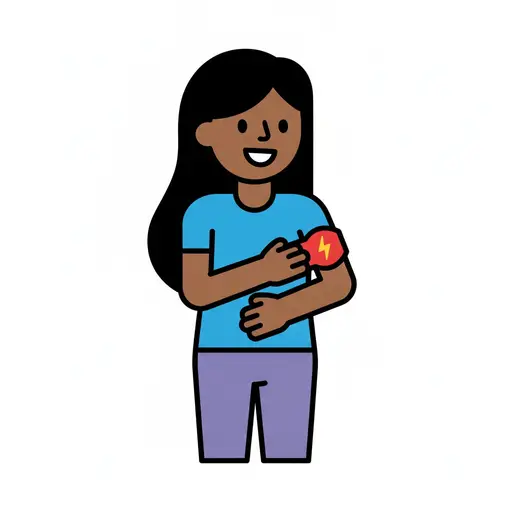
Clothing Sensitivity: When Seams and Tags Feel Unbearable
The seam on the sock is “wrong,” the label scratches, the jeans are unbearable, and getting dressed becomes a daily war. For a child with clothing sensitivity, certain fabrics and seams genuinely feel painful — it is not fussiness. Here is how to make dressing bearable.
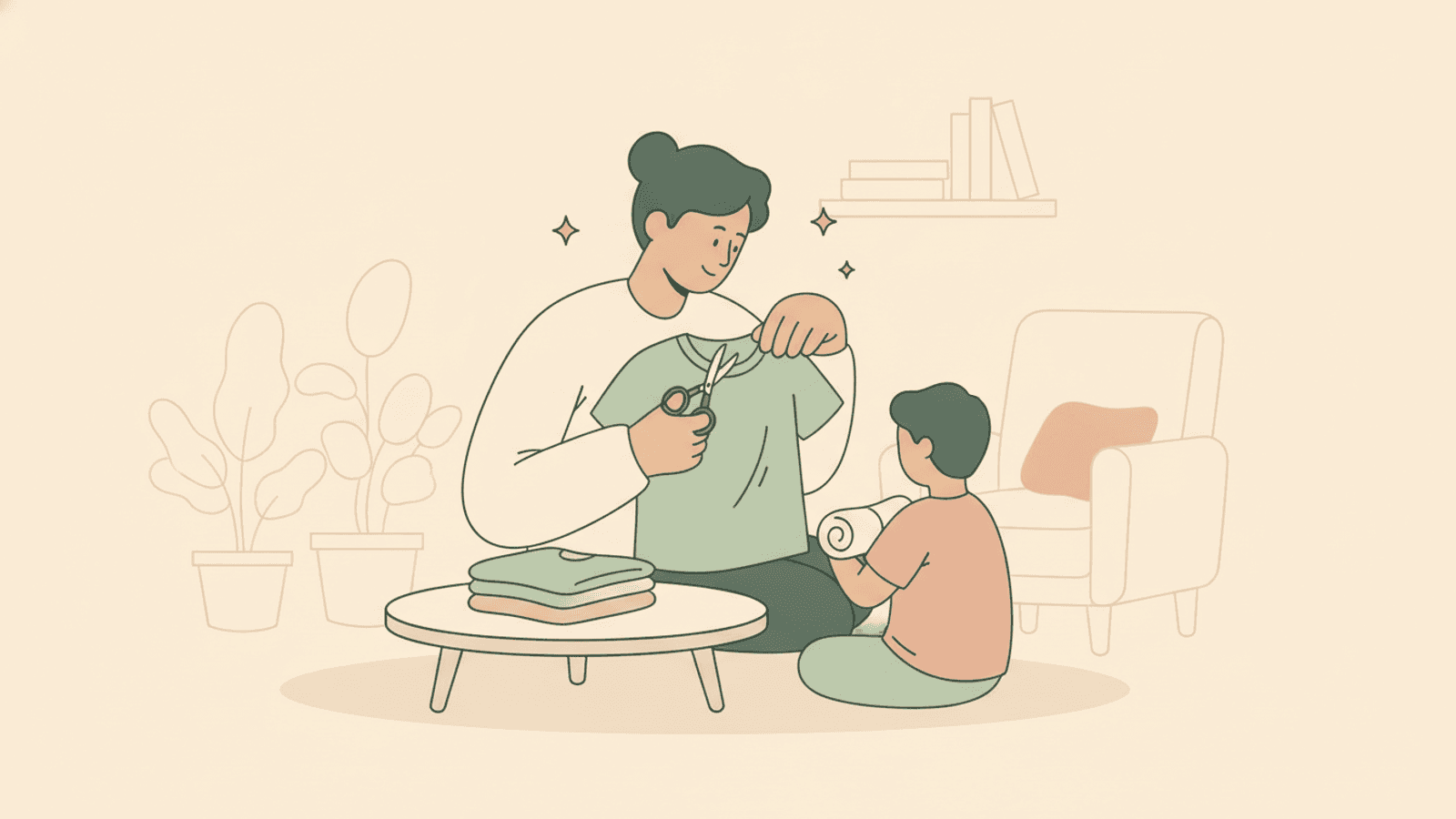
The seam on the sock is “wrong,” the label scratches, the jeans are simply unbearable — and getting dressed turns into a daily war. For a child with clothing sensitivity, certain fabrics, seams and tags genuinely feel painful, not just annoying. It is one of the most misunderstood struggles in family life, because from the outside it looks like fussiness. It is not. Here is what is really going on and how to make dressing bearable for everyone.
It's real, not fussiness
Clothing sensitivity is a form of tactile sensitivity: the nervous system registers ordinary touch — a seam, a tag, a stiff waistband — as intense, even painful or genuinely unbearable. To a sensitive child, a scratchy label can feel the way a splinter or a wool jumper on bare skin might feel to you. Believing them is the whole foundation. Telling a child “you’re fine, stop fussing” over real discomfort only adds shame to the pain.
Common signs
You might see your child refusing certain fabrics or items, constantly pulling and tugging at their clothes, only ever wearing a small set of “okay” things, or having full meltdowns over socks, seams, waistbands or a wet sleeve. Some insist on the exact same outfit every day; some strip their clothes off altogether. It can derail a whole morning, and it is not about control or defiance — it is genuine physical discomfort.
Practical fixes for the clothes themselves
- Choose seamless or tagless clothes, and cut out any scratchy labels that remain.
- Go for soft, broken-in fabrics like cotton or bamboo over stiff or scratchy materials.
- Turn clothes inside out if inside seams bother them; seamless socks in particular help a lot.
- Size up for less tightness, and avoid stiff waistbands — soft elastic, joggers and leggings are easier.
- Wash new clothes before wearing to soften them and remove stiff finishes.
Reduce the daily battle
- Keep a few “safe” outfits, and buy multiples of whatever genuinely works.
- Let your child choose from acceptable options — a bit of control lowers the fight.
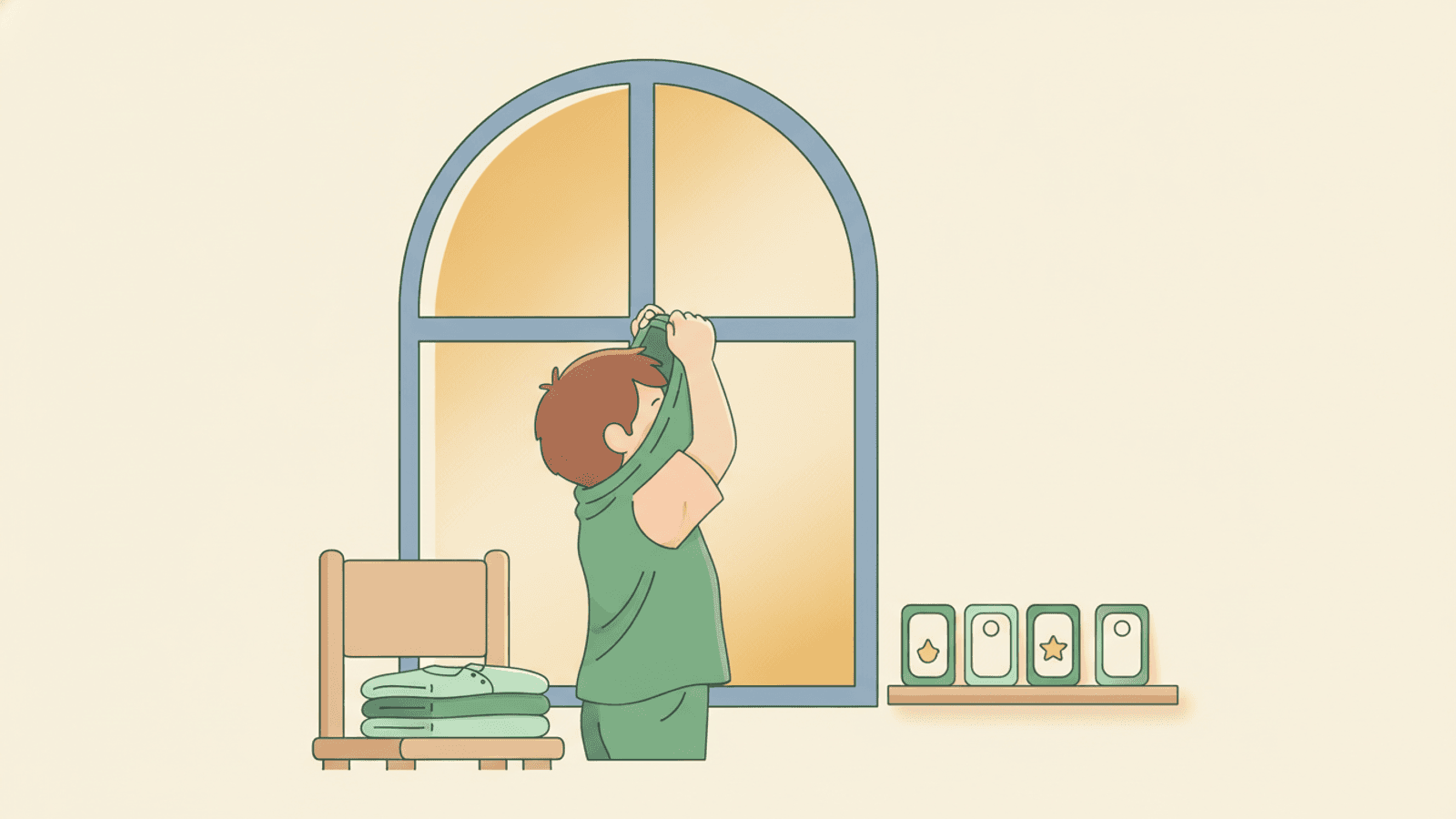
- Lay clothes out the night before and pair it with a visual dressing routine.
- Do not force a disliked item; the distress it causes is rarely worth the look.
Pick comfort over appearance
It is tempting to insist on the “nice” outfit for the photo, the party or the grandparents, but for a sensitive child, comfortable clothes are the difference between a regulated day and a miserable one. Choosing comfort is not spoiling them or letting them win — it is removing a real, ongoing source of pain so they can actually get on with their day. The smart, calm clothes are the ones they can bear to wear.
For children with ADHD or autism
Tactile sensitivity is very common in both, and clothing battles are a classic daily flashpoint. Believe the discomfort completely, build a wardrobe of safe, soft, seamless options, give as much control as you can, and do not make appearance the hill to die on. If sensitivities are severe, spreading or making daily life very hard, an occupational therapist can assess and help. This article is general guidance, not medical advice.
Read more
Frequently asked questions
Why does my child hate certain clothes, tags or seams?
Because of tactile sensitivity: their nervous system registers ordinary touch like a seam or a tag as intense or even painful. To a sensitive child a scratchy label can genuinely hurt, so the reaction is real discomfort, not fussiness or an attempt to control you.
Is clothing sensitivity a real thing?
Yes. It is a recognised form of tactile sensitivity, common in children with ADHD and autism but seen in many others too. The feeling of certain fabrics, seams or tags can be genuinely unbearable, so it deserves to be taken seriously rather than dismissed as fussiness.
What clothes are best for sensory-sensitive children?
Soft, broken-in, seamless and tagless clothes in fabrics like cotton or bamboo, sized a little loose, with soft waistbands. Seamless socks, leggings and joggers are often well tolerated, and washing new clothes before wearing helps soften them.
My child will only wear the same outfit — what do I do?
This usually means that outfit is one of the few that feels okay. Buy several of the same or very similar items so there is always a clean one, keep looking for other tolerable options, and avoid forcing disliked clothes, which only escalates the battle.
Should I make my child wear clothes they hate?
Generally no. If the dislike is driven by genuine sensory discomfort, forcing the item causes real distress and damages trust, usually for the sake of appearance. Prioritise comfortable, tolerable clothes, and save your energy for things that matter more.