Gaming and ADHD in Children: Why It Is So Compelling, and How to Keep It Balanced
Games are almost perfectly designed for the ADHD brain, which is why stopping feels so hard. Here is why gaming is so compelling for children with ADHD, the genuine risks and upsides, and how to keep it balanced with clear limits and collaboration rather than banning.
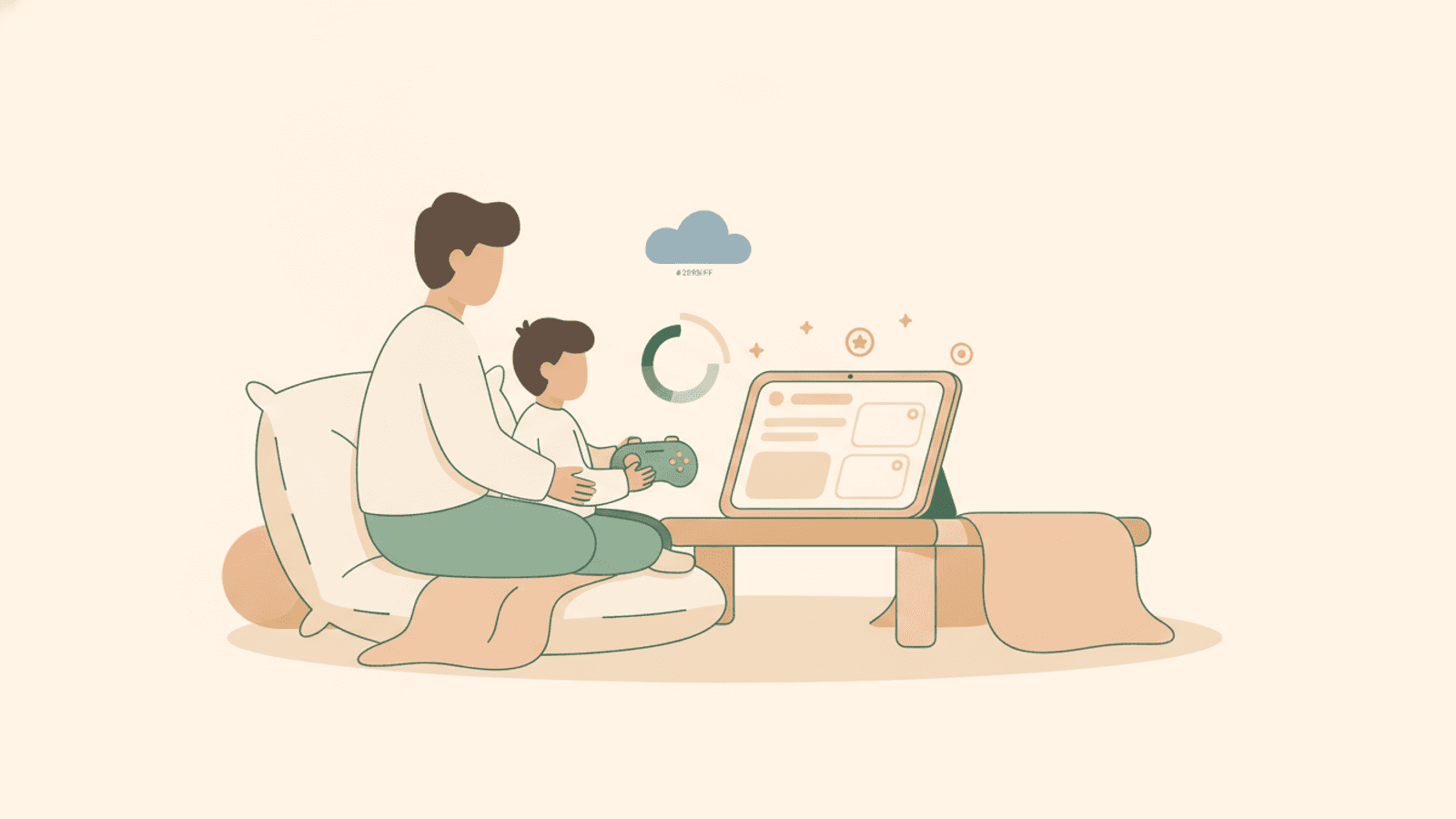
Gaming and ADHD in children often go hand in hand, and there is a good reason for that. Video games are built around instant feedback, constant novelty and reliable rewards, which is almost exactly what an ADHD brain finds hard to get from ordinary daily tasks. In simple terms: heavy interest in gaming is not a character flaw or a sign of laziness, it is a very good match between how games are designed and how attention and motivation work in children with ADHD.
That matters because it changes the whole conversation. Once you see gaming as brain wiring rather than misbehaviour, you can stop fighting your child and start working alongside them. This article is general information, not medical advice. If you are worried about your child's development, mood or screen use, please speak to your GP, paediatrician or another qualified professional.
Why gaming and ADHD in children fit together so well
Attention in ADHD is not simply weaker, it is more dependent on interest and stimulation. Tasks that are novel, fast-moving and clearly rewarding capture attention easily, while slow or repetitive tasks feel almost physically uncomfortable. Games are engineered to sit firmly in the first category.
A few design features do most of the work:
- Instant feedback: every action produces an immediate result on screen, so there is never a dull gap.
- Frequent, reliable rewards: points, levels, loot and sound effects arrive on a steady schedule that keeps the brain's reward system engaged.
- Constant novelty: new levels, challenges and surprises mean the game rarely feels boring or predictable.
- Clear goals and progress: the next objective is always visible, which makes it easy to keep going.
- Hyperfocus: many children with ADHD can lock into a game for long stretches, a state that feels calm and effortless from the inside.
Compare that to homework or tidying a room, where feedback is slow, rewards are distant and the goal is fuzzy. It is not that your child cannot focus, it is that games make focusing almost automatic while everyday tasks make it hard work.
This is brain wiring, not a moral failing
It helps to say this plainly, both to yourself and to your child. A strong pull toward gaming does not mean your child is addicted, weak-willed or badly behaved. It means the game is meeting real needs for stimulation, success and control that the rest of the day may not be meeting as easily.
When we treat gaming as a moral problem, children hear that something is wrong with them, and the whole topic becomes loaded with shame and conflict. When we treat it as a wiring difference, we can be curious and practical instead. The goal is not to remove something your child loves, but to help them enjoy it in a way that leaves room for sleep, movement, school and family.
The real risks to watch
Balance matters because gaming can quietly crowd out other important things. The risks are usually not the games themselves, but what they displace and how hard they are to stop.
- Transition battles: stopping a game means leaving a highly rewarding activity for a less rewarding one, which is genuinely hard for an ADHD brain and often boils over into conflict.
- Displaced sleep: gaming late into the evening pushes back bedtime and the bright, stimulating screen makes it harder to wind down.
- Less movement and outdoor time: hours at a screen can replace physical activity that helps regulate mood and attention.
- Squeezed routines: homework, meals and hygiene can get rushed or skipped when a game is more compelling.
- Frustration spillover: a hard level or an online loss can trigger big emotions that are tricky to manage.
Noticing these patterns is not about panic, it is about knowing where to gently steer.
The genuine upsides of gaming
It is just as important to name what games give your child, because the aim is balance, not guilt. For many children with ADHD, gaming is a real source of good things.
- Mastery and confidence: games offer clear, achievable challenges and a strong sense of getting better, which can be in short supply elsewhere.
- Social connection: playing online or side by side is a genuine way to spend time with friends and share an interest.
- Calming hyperfocus: for a child who often feels scattered, being deeply absorbed can be soothing and restorative.
- Problem-solving and creativity: many games reward planning, experimentation and building.
- A safe place to succeed: winning and progressing feels good, and that feeling has real value for self-esteem.
Seeing the upsides makes it easier to set limits from a place of respect rather than disapproval.
Setting up healthy gaming without banning
Outright bans tend to backfire. They raise the stakes, drive gaming underground and remove your chance to guide it. Balance, agreed in advance and applied consistently, works better than control imposed in the heat of the moment.
Agree clear, predictable limits
Decide together how much gaming happens and when, and keep it consistent day to day. Predictable rules cause far fewer arguments than limits that seem to change with your mood. Where you can, protect the non-negotiables first, such as sleep, meals and homework, and let gaming fill the time that remains.
Give forewarnings before stopping
Sudden stops are the hardest. A calm heads-up, such as a fifteen-minute and then a five-minute warning, gives the brain time to prepare to switch. A visible timer works even better than a spoken reminder, because your child can see the time shrinking rather than feeling ambushed by it.
Use save-point-friendly stopping points
Stopping mid-battle or before a save point feels like losing progress, which few adults would accept either. Where possible, agree to stop at the end of a level, match or save point. Framing it as "finish this round, then we stop" respects how the game actually works and removes a huge amount of friction.
Build a soft landing after gaming
Plan what comes next so your child is not stepping from an exciting world into nothing. A snack, a walk, time outside or a shared activity gives the brain somewhere to go and makes the transition feel less like a punishment.
Collaborate instead of control
Children, especially teenagers, follow rules they helped make far more willingly than rules handed down to them. Sit down together and design the plan as a team. Ask what feels fair, what a good stopping point looks like and how they would like to be reminded.
Show real interest in the games themselves. Ask what they are building or playing, watch for a few minutes, learn the names. When your child feels that you respect their world, limits stop feeling like an attack on something they love and start feeling like a shared agreement.
How Routined can help
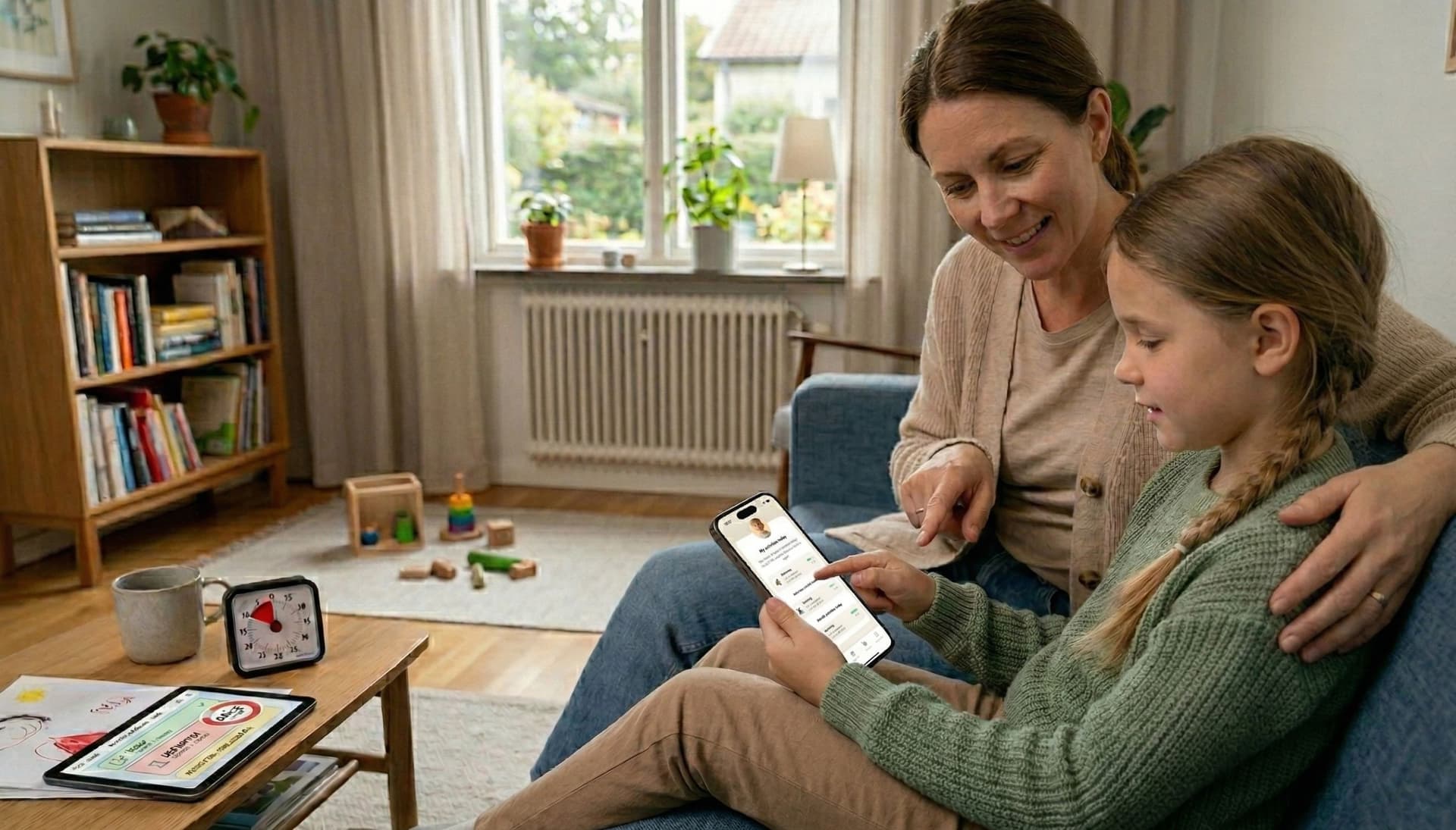
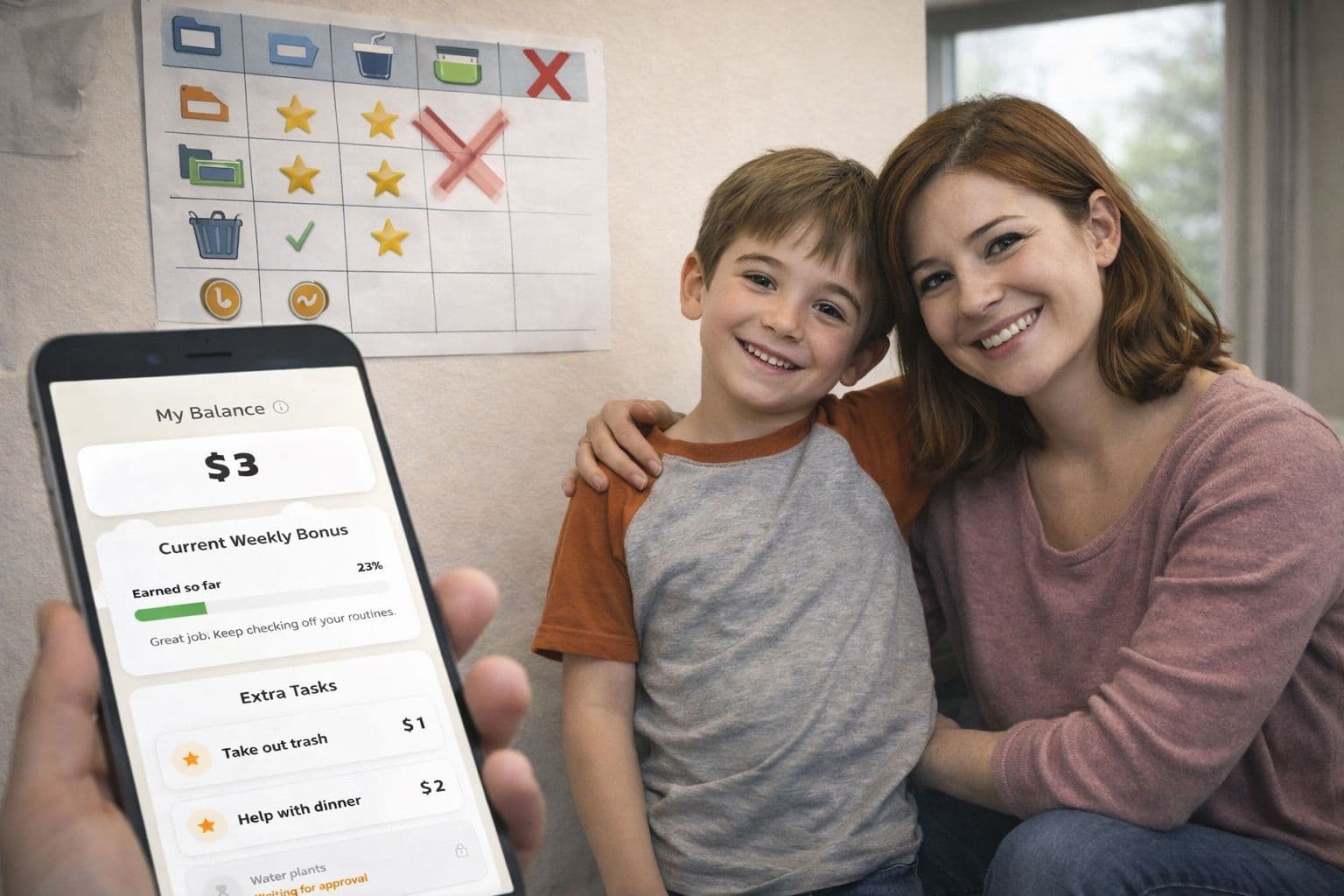
Routined is designed for exactly these transition moments. You can build a short after-school or evening routine with a Visual Support mode that shows each step as a big picture card, so "stop the game, snack, homework, screen time" becomes something your child can see rather than just hear. An optional visual countdown timer on a step gives that clear forewarning before gaming ends, and rewards you set together, shown as stars, screen-time minutes or pocket money, can turn finishing the wind-down into something worth doing. You decide the limits and the rewards; the app just makes them calm, visual and consistent.
When to be concerned and seek support
Most gaming, even a lot of it, is not a crisis. It is worth seeking professional advice, though, if gaming is consistently displacing sleep, school, friendships or hygiene, if stopping triggers extreme distress well beyond normal frustration, if your child seems low, withdrawn or anxious, or if gaming appears to be the only thing bringing them any relief.
If any of that sounds familiar, talk to your GP, paediatrician or a mental health professional. This article is general information and cannot replace advice tailored to your child. Reaching out early is a sign of good parenting, not failure.
The takeaway
Gaming pulls strongly on children with ADHD because it delivers the stimulation, feedback and reward their brains crave, and that is wiring, not wrongdoing. You do not need to ban games to keep life in balance. With predictable limits, honest forewarnings, save-point-friendly stopping points and a collaborative, respectful tone, gaming can stay a genuine source of mastery, connection and calm, while sleep, movement and family life keep their place too.
Read more
Frequently asked questions
Why are children with ADHD so drawn to video games?
Games offer instant feedback, constant novelty and frequent, reliable rewards, which is exactly what the ADHD brain finds hard to get from slower everyday tasks. Focusing feels almost automatic in a game, so the pull is strong. It reflects how attention and motivation work, not a lack of willpower.
Is gaming actually bad for a child with ADHD?
Not inherently. Gaming can bring mastery, social connection and a calming kind of focus. The risks come from what it displaces, such as sleep, movement and routines, and from how hard it is to stop. The goal is balance rather than removal.
Should I ban gaming to control my child's screen time?
Banning usually backfires by raising the stakes and removing your chance to guide it. Clear, predictable limits agreed together, with forewarnings and sensible stopping points, tend to work far better than an outright ban.
How can I make stopping a game less of a battle?
Give advance warnings, ideally with a visible timer, and agree to stop at a natural point such as the end of a level, match or save point. Plan what comes next, like a snack or time outside, so your child has somewhere to land.
When should I seek professional help about my child's gaming?
Consider professional advice if gaming consistently displaces sleep, school, friendships or hygiene, if stopping causes extreme distress, or if your child seems low, withdrawn or anxious. This article is general information and not a substitute for advice from your GP or paediatrician.