Sleep and ADHD: Why It's Harder, and What Actually Helps
Sleep problems and ADHD go hand in hand — trouble falling asleep, restless nights and exhausting mornings are extremely common. Understanding why makes them easier to tackle. Here's what's going on and the routine changes that help most.
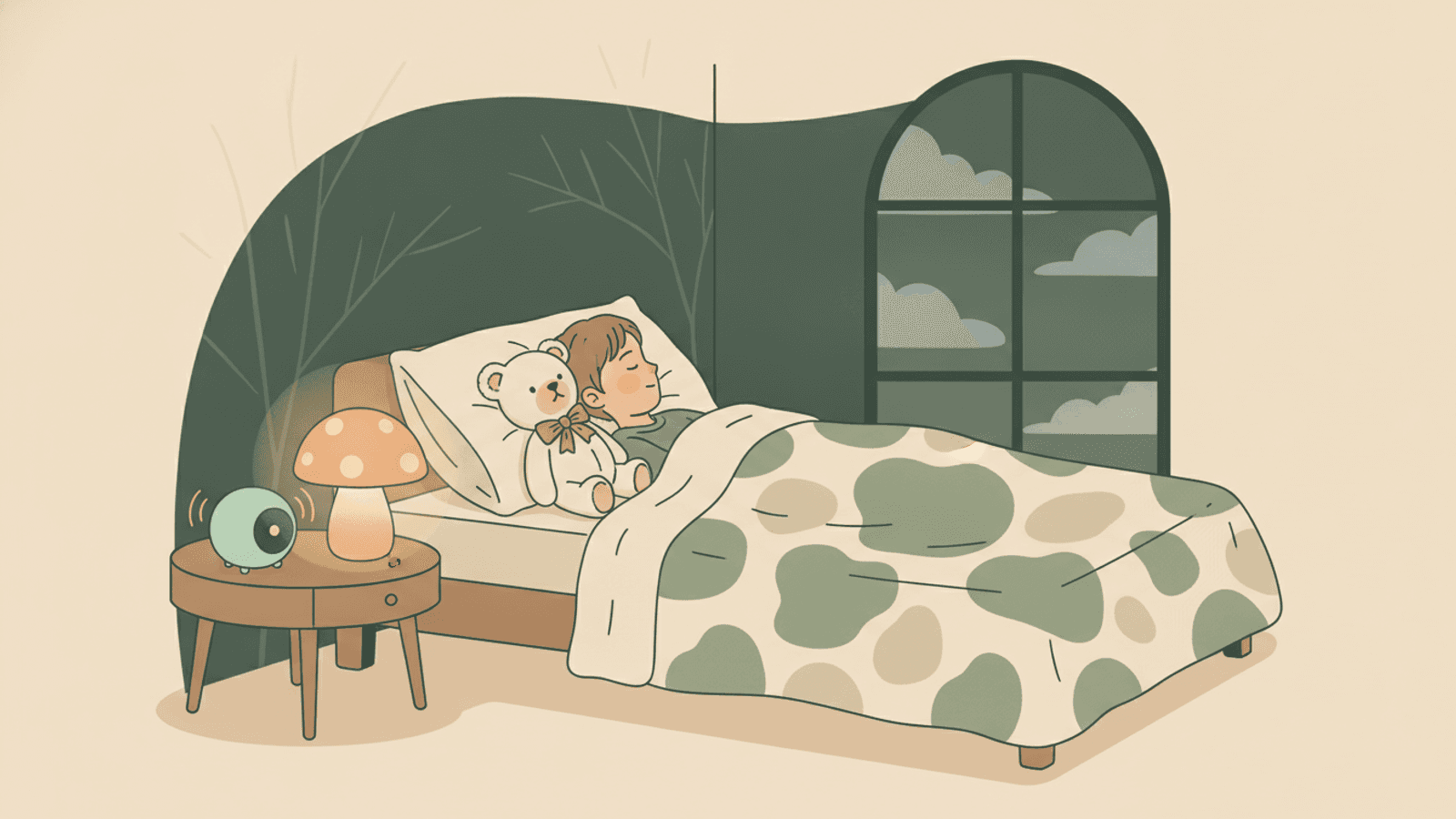
If your child with ADHD struggles to fall asleep, wakes through the night, or is impossible to rouse in the morning, it is not a coincidence and not bad parenting. Sleep problems and ADHD go hand in hand. The same brain that finds it hard to switch tasks finds it hard to switch off — and once you understand why, a few routine and environment changes make a real difference.
Why sleep is harder with ADHD
Several things overlap. A busy, fast-moving mind keeps going at lights-out, with racing thoughts and ideas. Many children with ADHD also have a naturally delayed body clock, so they genuinely do not feel sleepy until later. Physical restlessness makes lying still hard, and bedtime is a transition — and transitions are exactly what an ADHD brain finds difficult. Medication timing can also affect sleep, which is worth discussing with whoever prescribes it.
A wind-down that actually works
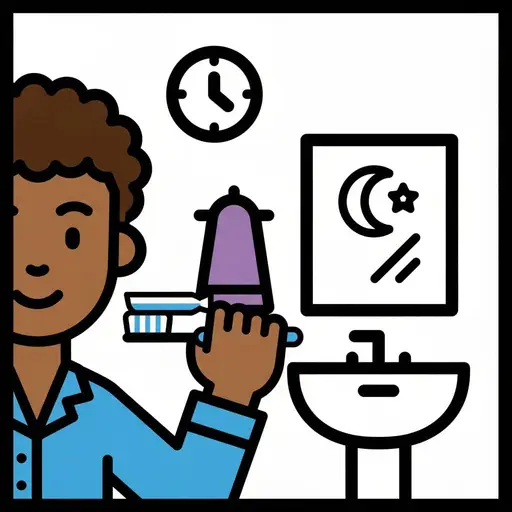
Start the wind-down earlier than feels necessary and give it a long, calm runway — around 45 to 60 minutes of low-stimulation activity, in the same order every night.
- Keep a consistent bedtime and wake time, even at weekends — this is the strongest anchor for a wobbly body clock.
- Make the wind-down calm and frankly boring — bath, books, quiet talk — not exciting play or rough-and-tumble.
- Use a visual routine so the child can see the steps and their brain does not have to hold them all in mind.
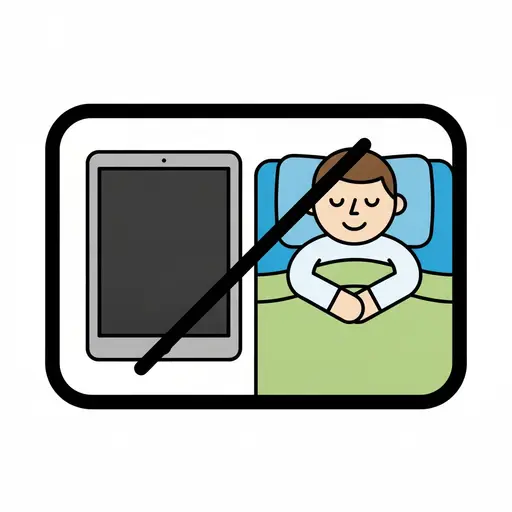
Get screens off well before bed; the light and the stimulation both push sleep later.
The sleep environment
Aim for cool, dark and quiet. A weighted blanket or steady white noise helps some restless children settle — worth trying, though not guaranteed. Reducing clutter and visual stimulation in the room can also help a busy brain power down.
The busy brain at lights-out
When thoughts race at bedtime, give the mind one calm thing to land on. A "brain dump" earlier in the evening — saying or drawing the day's worries — clears some of the noise. An audio story or quiet music gives the brain a single focus instead of spinning. And avoid lying in bed frustrated: if your child is still awake after about 20 minutes, a brief, calm reset is better than forcing it.
Daytime matters too
Plenty of physical activity and daylight during the day support better sleep at night. Watch hidden caffeine in some drinks, and get morning light early, which helps reset that delayed body clock.
When to talk to your doctor
Persistent sleep problems are worth raising — poor sleep worsens mood, focus and behaviour, and a tired child can look "more ADHD" than they are. Your doctor can review medication timing and rule out other causes such as snoring or sleep apnoea and restless legs. This article is general guidance, not medical advice.
Read more
- 4 Evening Routines That Save Your Morning
- Light Spring Evenings Are Wrecking Your Child's Sleep — How to Protect Bedtime When It's Still Bright Outside
- Visual Supports: The Key to a Calmer Life with Neurodiversity
- NDD and Visual Support
Tip: Download our ready-made visual schedule Evening routine – bedtime visual schedule (free printable PDF), or browse all ready-made visual schedules.
Frequently asked questions
Why does my child with ADHD have trouble sleeping?
Because several things overlap: a busy mind that will not switch off, a naturally delayed body clock, physical restlessness, and bedtime being a hard transition. It is very common and not a sign of bad parenting.
Does ADHD medication affect sleep?
It can, depending on the type and timing. If sleep changed when medication started or changed, raise it with whoever prescribes it — the timing or dose can sometimes be adjusted. Never change medication on your own.
What helps a child with ADHD wind down at bedtime?
A long, calm, predictable wind-down in the same order each night, screens off early, dim light, a visual routine, and something for the mind to land on — an audio story or quiet music. Consistency matters most.
Do weighted blankets help children with ADHD sleep?
They help some restless children feel calmer and settle more easily, but not everyone, and they are not a cure. They are worth trying as one tool alongside a consistent routine and a calm environment.
When should I talk to a doctor about my child's sleep?
If sleep problems are persistent and affecting the day, or if there is loud snoring, pauses in breathing or restless legs. Your doctor can review medication timing and check for other causes.