Water bottle
A water bottle sounds simple, yet it really asks for three separate decisions spread across the day. The visual support below stitches them together so the bottle doesn’t end up empty at the bottom of the bag.
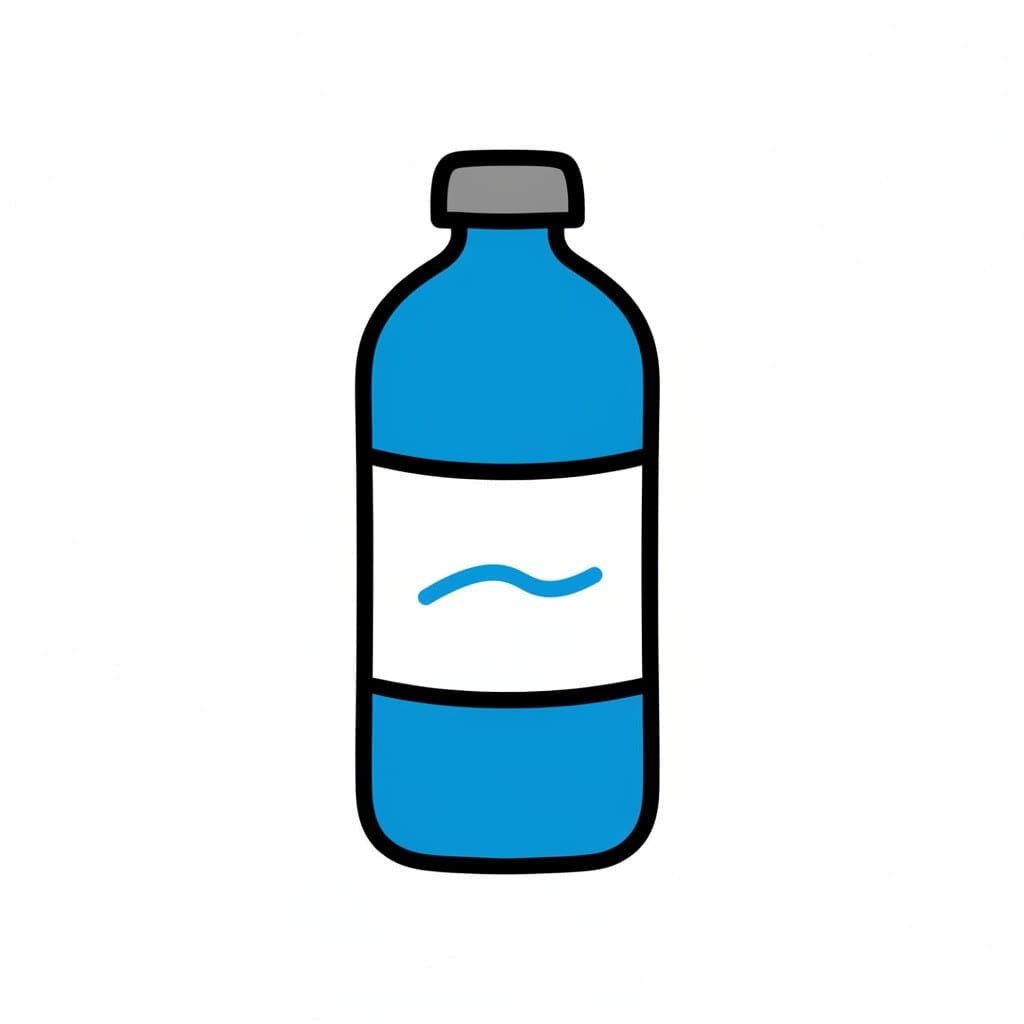
Blue water bottle
A blue water bottle with a grey cap and a white label with a blue wave.
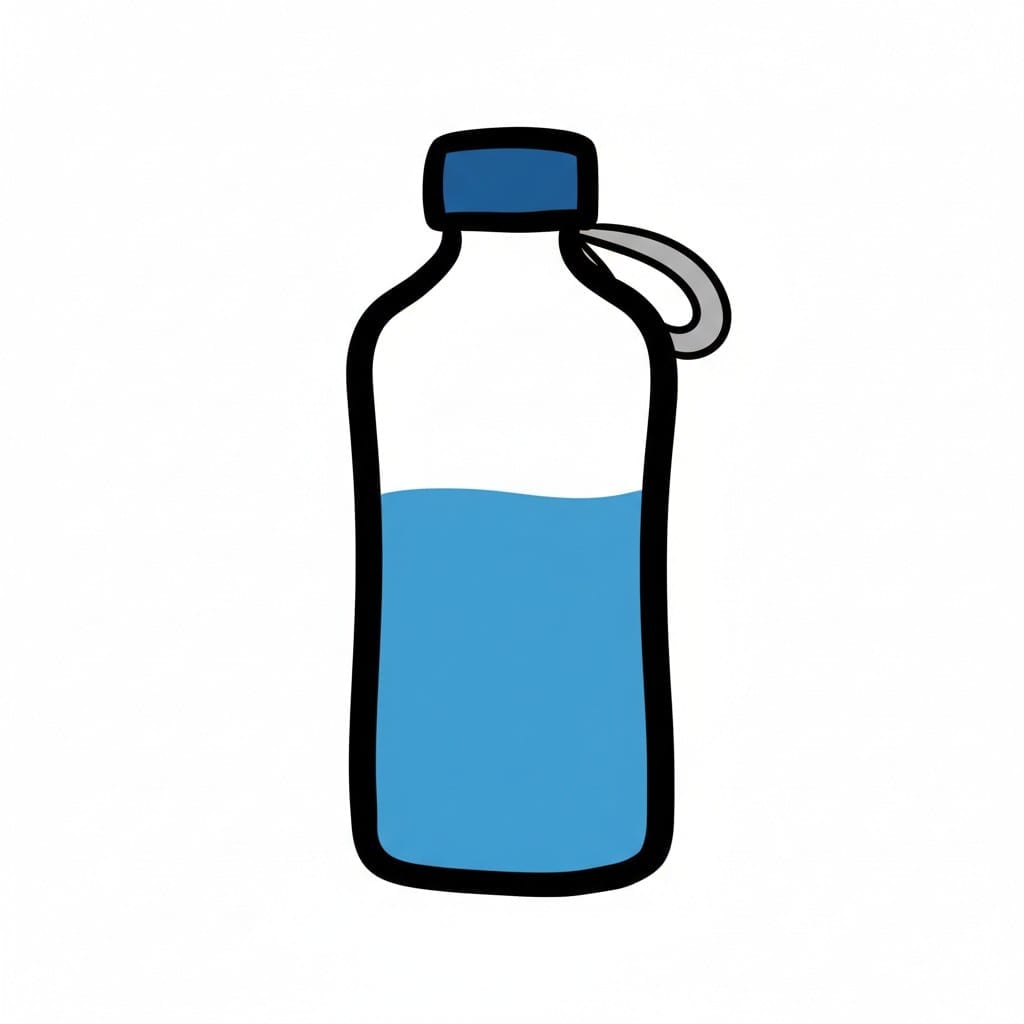
Water bottle with water
A clear water bottle with a blue cap and a carrying loop, partially filled with blue water.
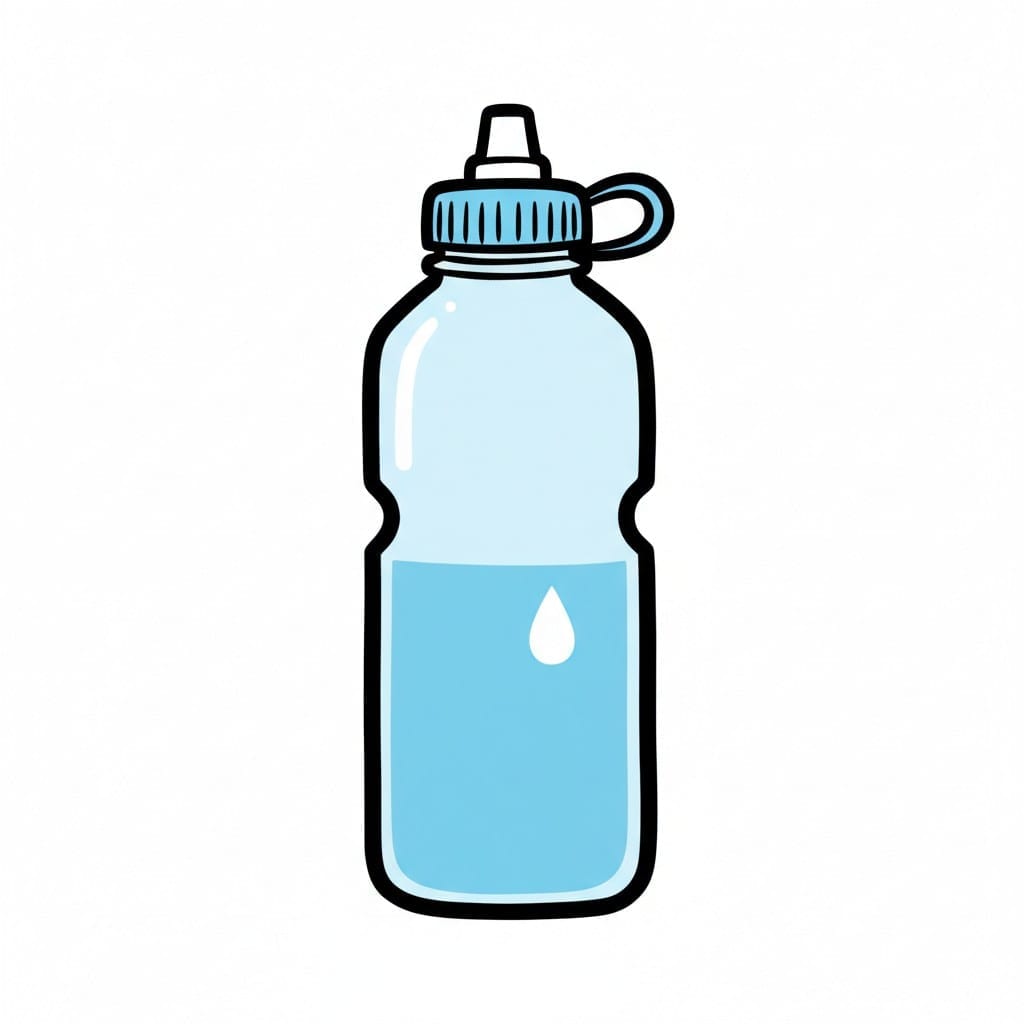
Sports water bottle
A clear sports water bottle with a light blue cap, drinking spout, and carrying loop, partially filled with light blue water and a water drop graphic.
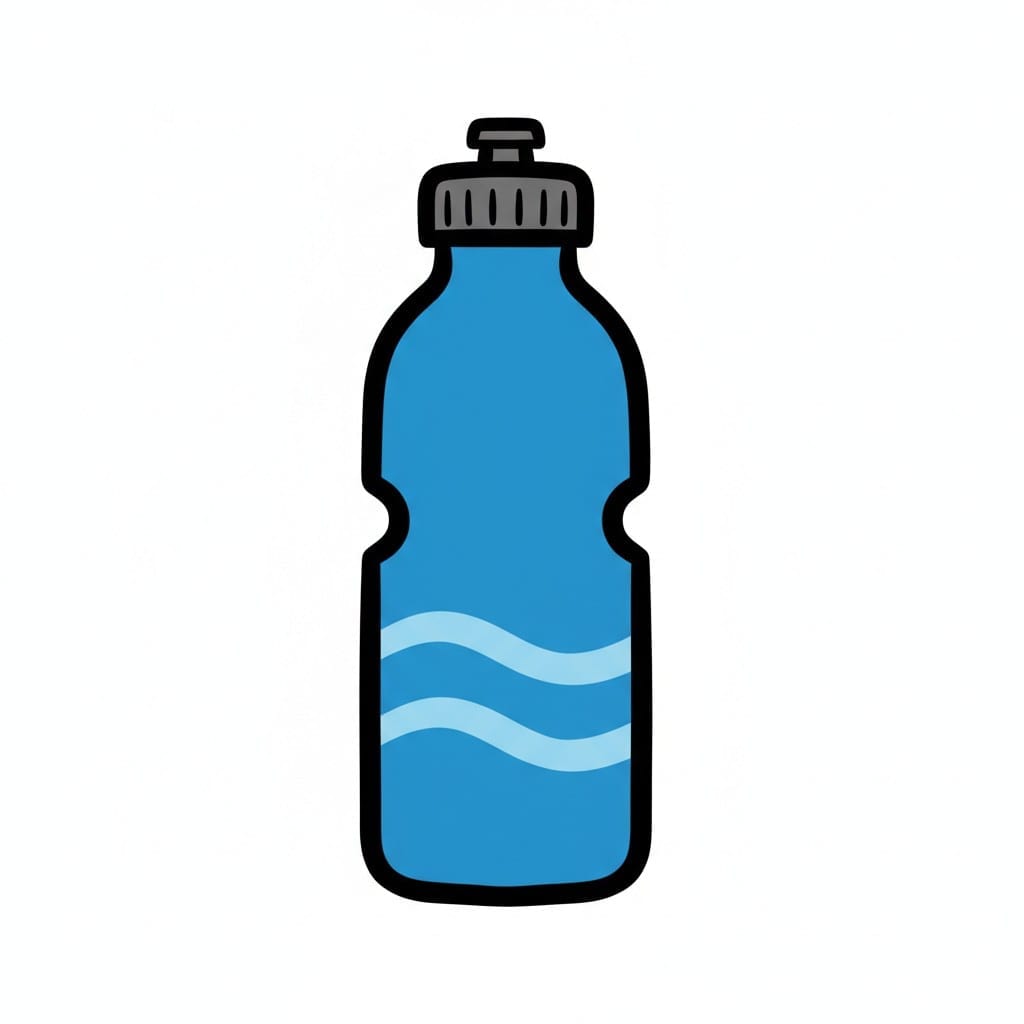
Water bottle
An illustration of a blue water bottle with wavy lines.
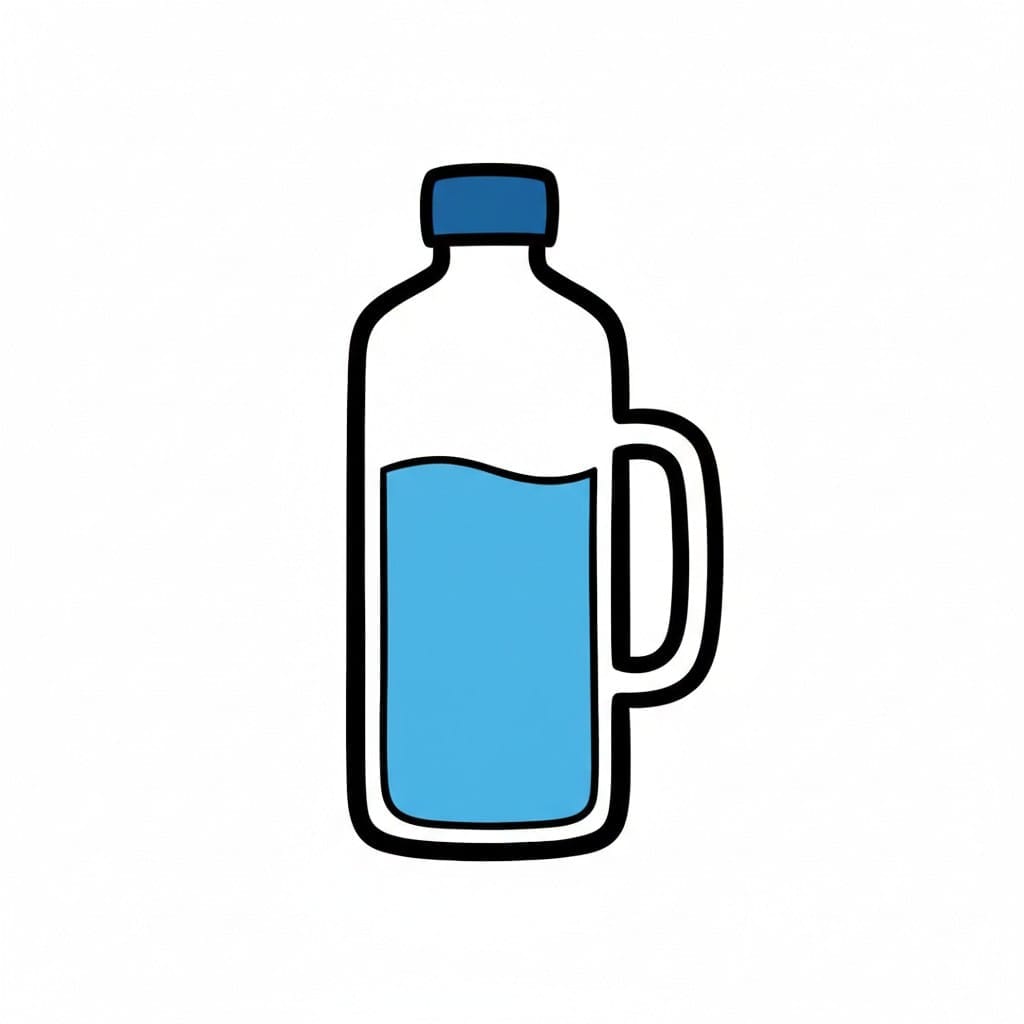
Water bottle
A cartoon illustration of a water bottle with a handle, filled with blue liquid.
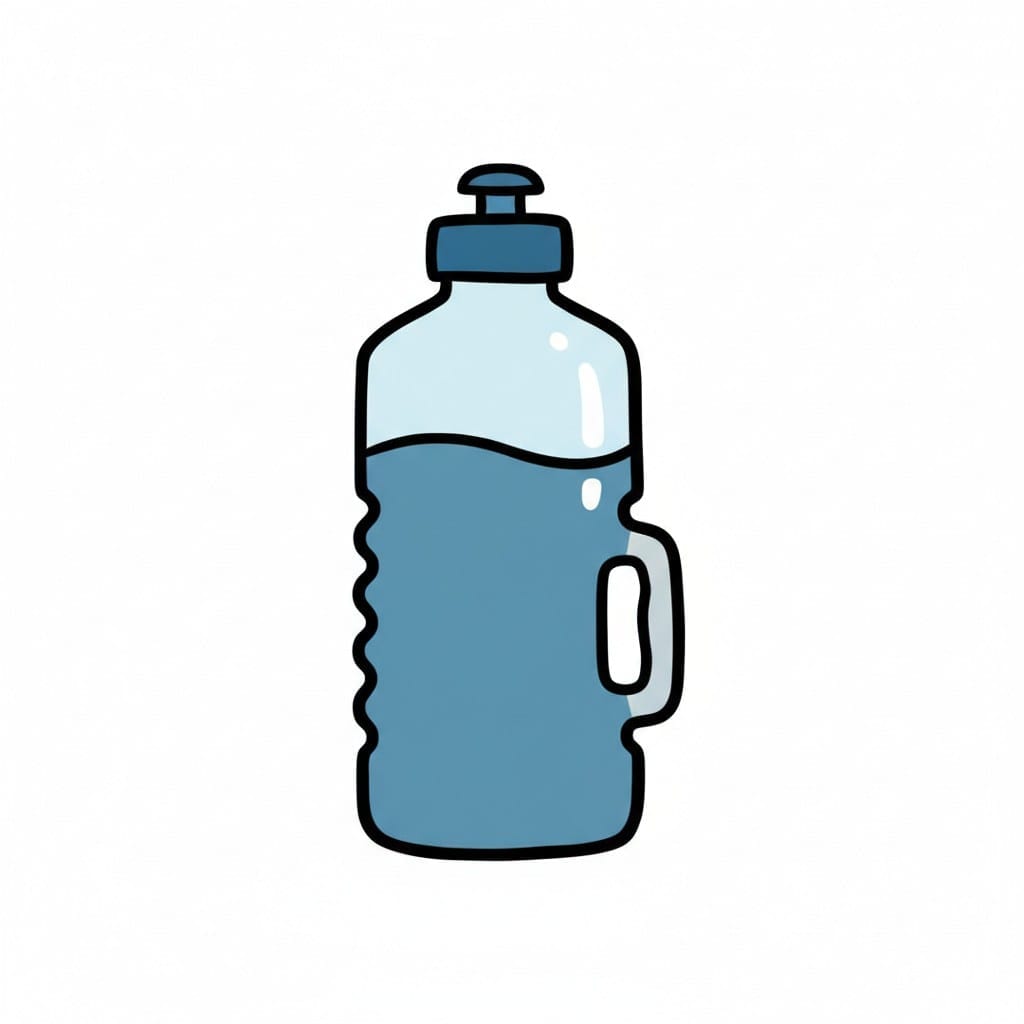
Water bottle
A cartoon illustration of a sports water bottle with a handle, filled with blue liquid.
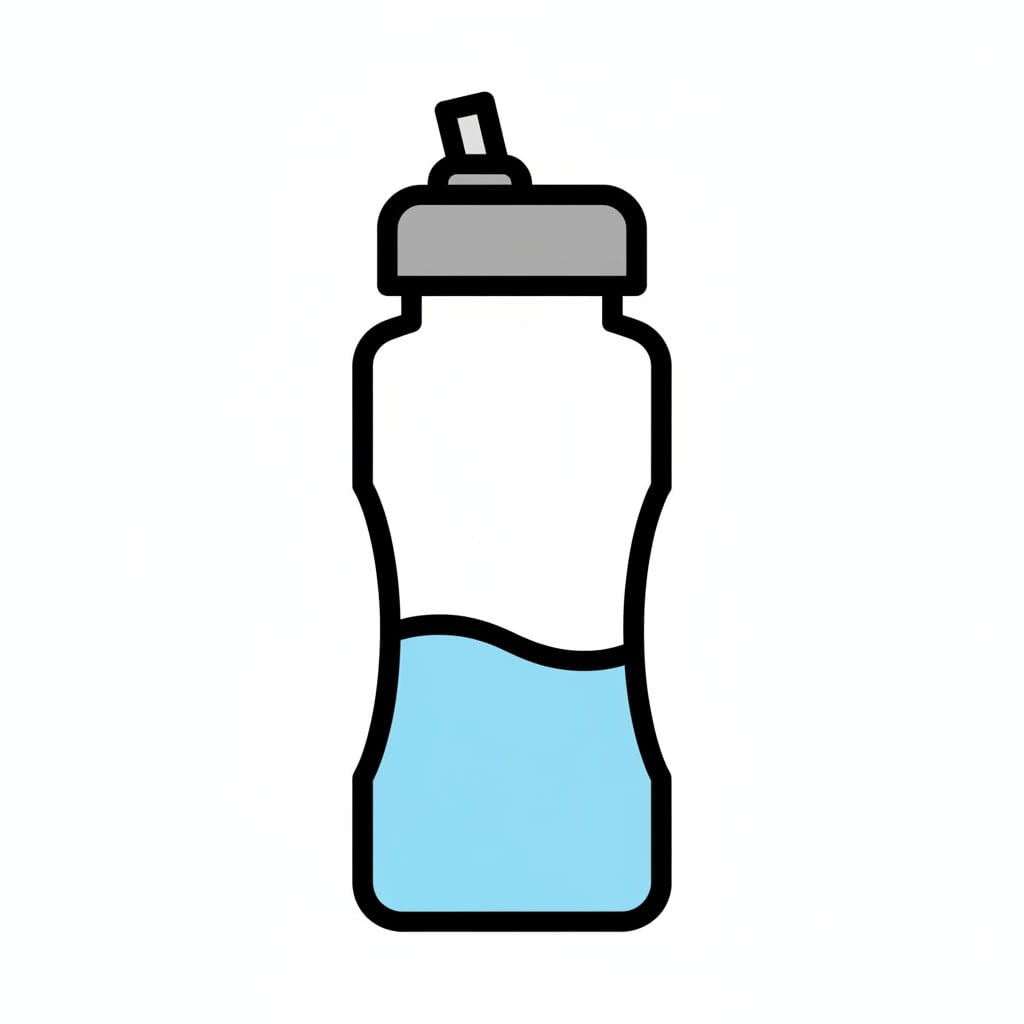
Water bottle
An illustration of a clear water bottle filled with blue water.
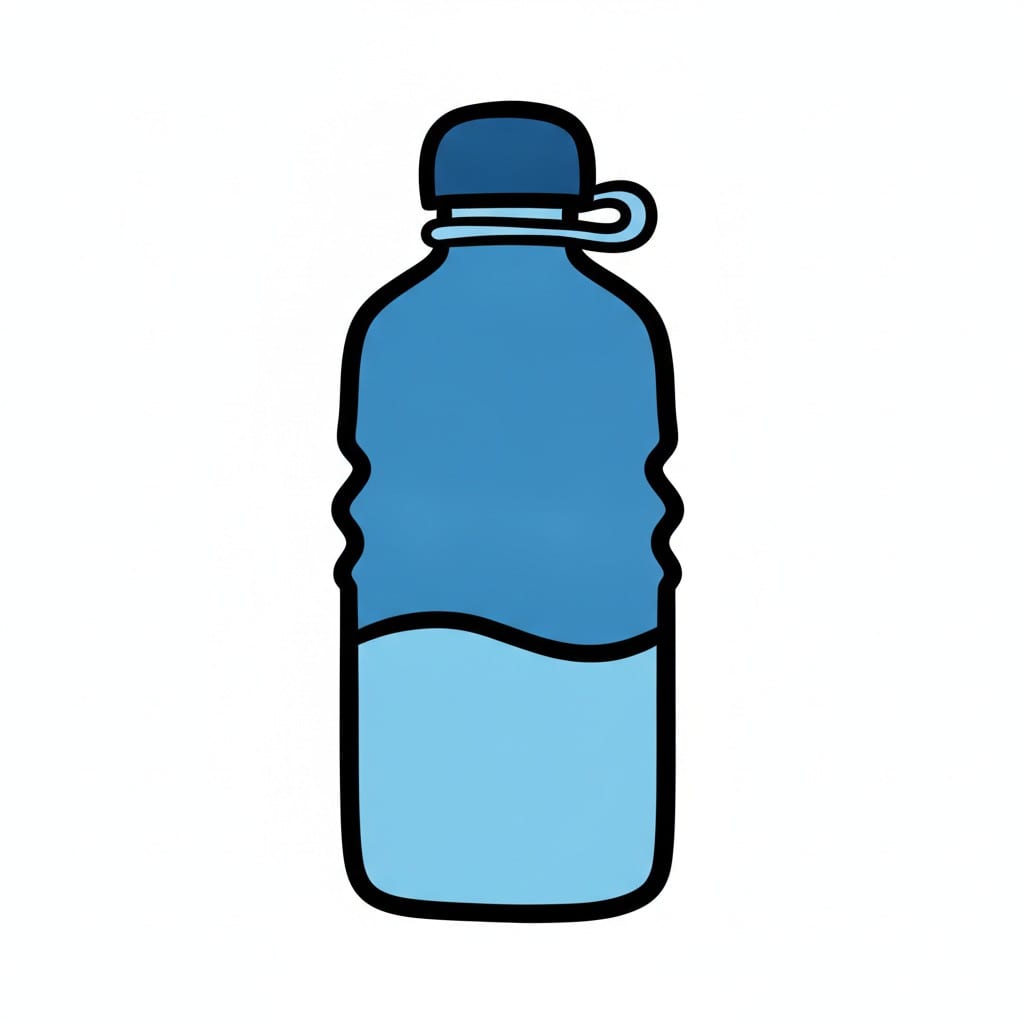
Blue water bottle with cap
A blue plastic bottle with a screw cap and a small loop, filled halfway with pale water.
About this visual support
A water bottle is a classic example of a thing that looks like one action but is really three. First it has to be filled, usually in the morning when time pressure is highest. Then it has to come along – into the rucksack or onto the hook. And finally, the decisive part, it has to be opened and actually drunk from during the day. Missing one of those steps is enough to break the whole chain.
Visual support for a water bottle therefore works best when the pictures aren’t gathered on one board but spread along the day. One by the kitchen sink where filling happens, one by the front door next to the shoes for taking it along, and one where pauses naturally land – the lunch table, the hallway after school, the sofa in the afternoon. Each picture is tied to a place the body passes through anyway.
A concrete tip: move the filling step into evening routines instead of morning ones. At seven in the morning no adult wants to stand at the tap. At eight in the evening the brain is calm enough to leave a ready bottle in the fridge.
If you want to build the water bottle into a recurring day plan with reminders, that option lives inside Routined.
Use this image in a schedule
Build your own visual schedule with this image and download it as a print-ready PDF. Completely free.

More similar visual supports
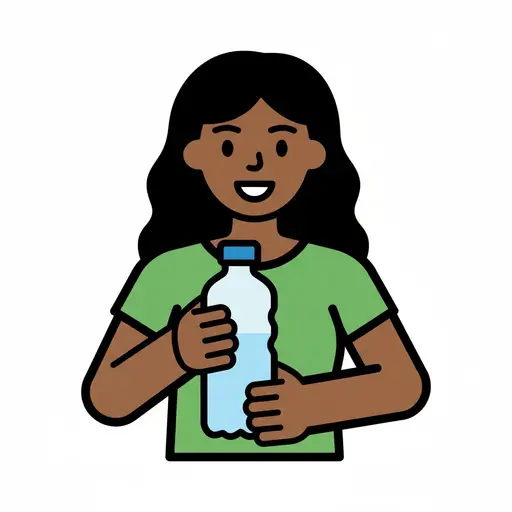
Get water bottle
A smiling girl holds a water bottle with both hands.
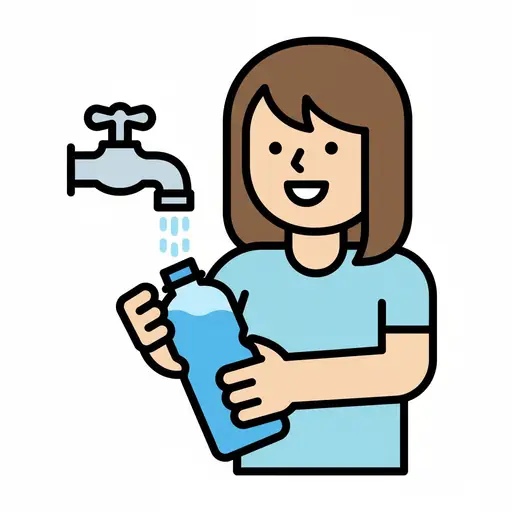
Top up water bottle
A person is holding a water bottle under a running tap.
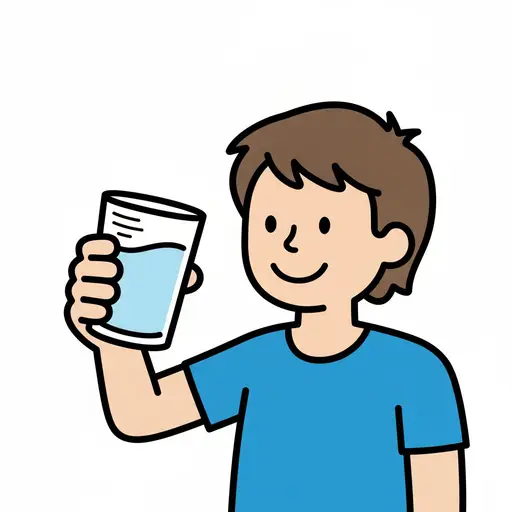
Drink water
A person holds up a glass of water.
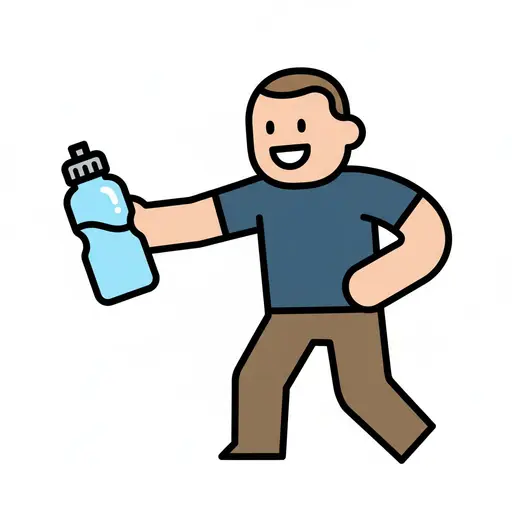
Fetch water bottle
A person is walking and holding a blue water bottle filled with water.
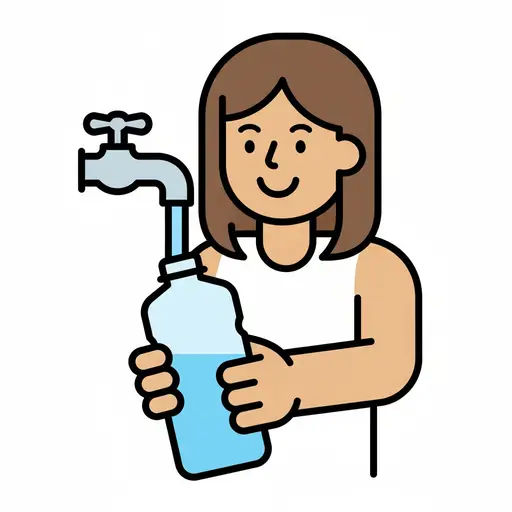
Fill water bottle
A woman filling a water bottle from a tap.
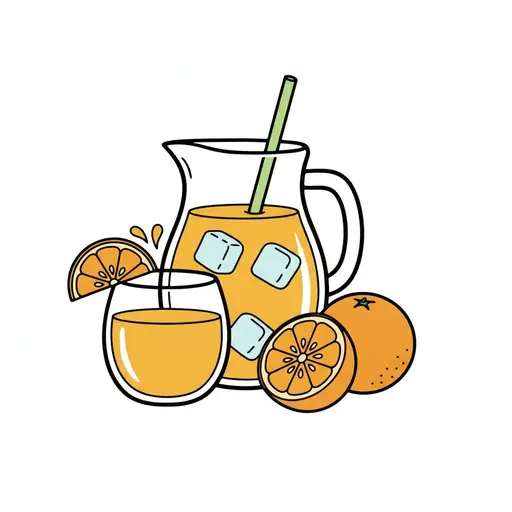
Juice
A pitcher of juice with a glass and fresh oranges.
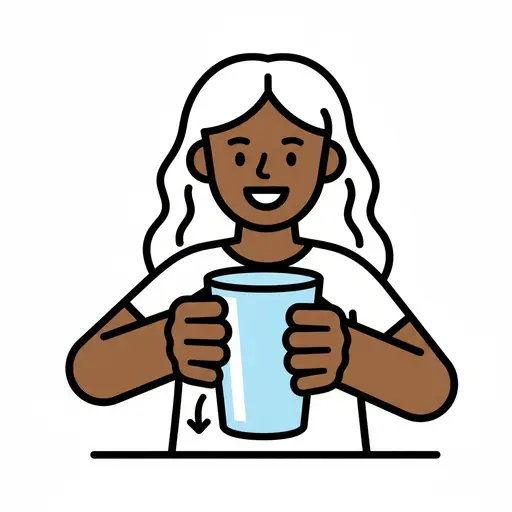
Take glass down
A girl holds a large glass with both hands while an arrow points downward.
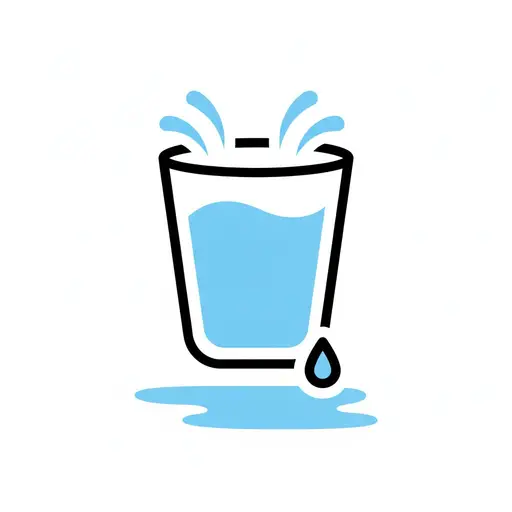
Water
A glass filled with water, with splashes leaping over the rim and a drop running...
Take the visual supports with you
In Routined you build schedules from these pictures, add timers and voice instructions, and your child follows the day on their own.


* 14-day free trial included for new users.