Listen to music
Music settles a child fast, and unsettles a child just as fast. The right song drops the shoulders, the wrong one or an abrupt switch cuts straight through that calm. The cards below make play, pause and changing tracks visible before the sound shifts.
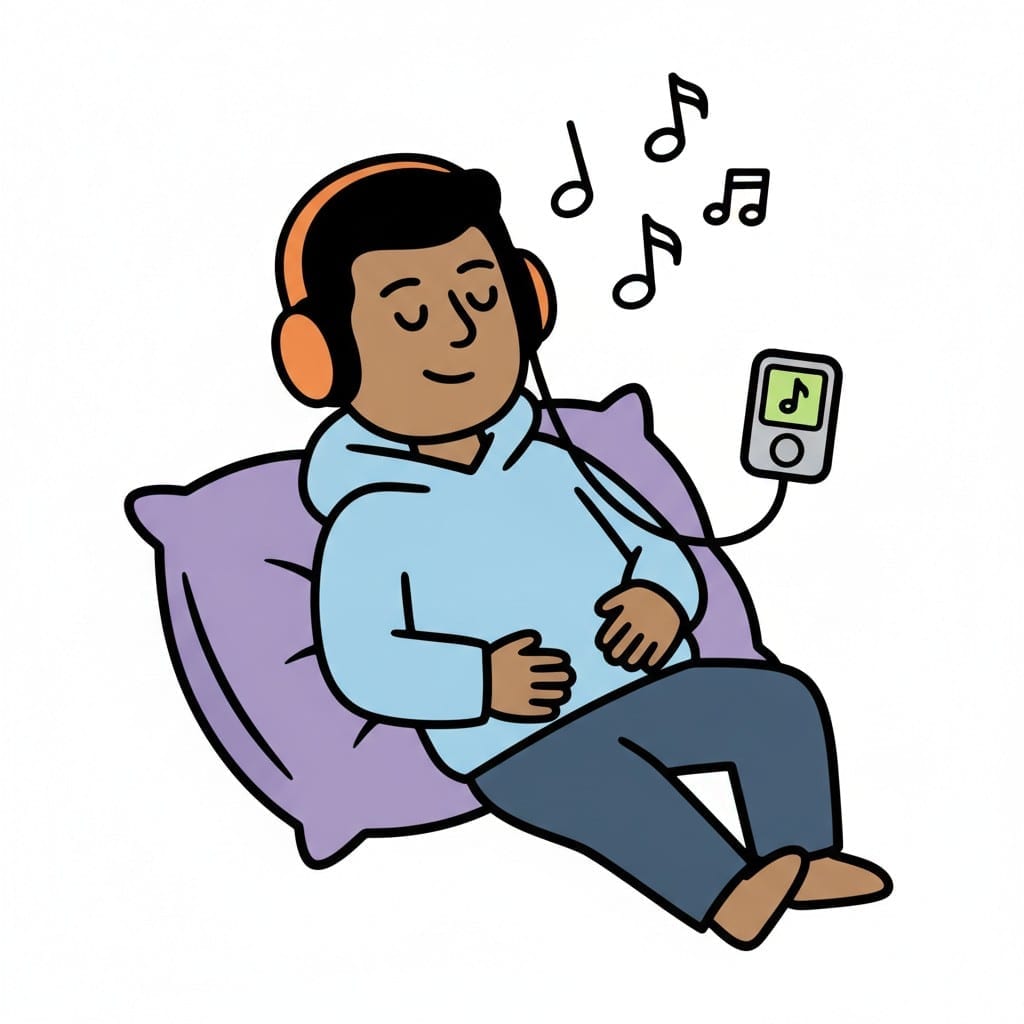 ♂
♂Person listening to music with headphones
A person with closed eyes leans back on a purple cushion wearing orange headphones connected to a music player, with notes floating above.
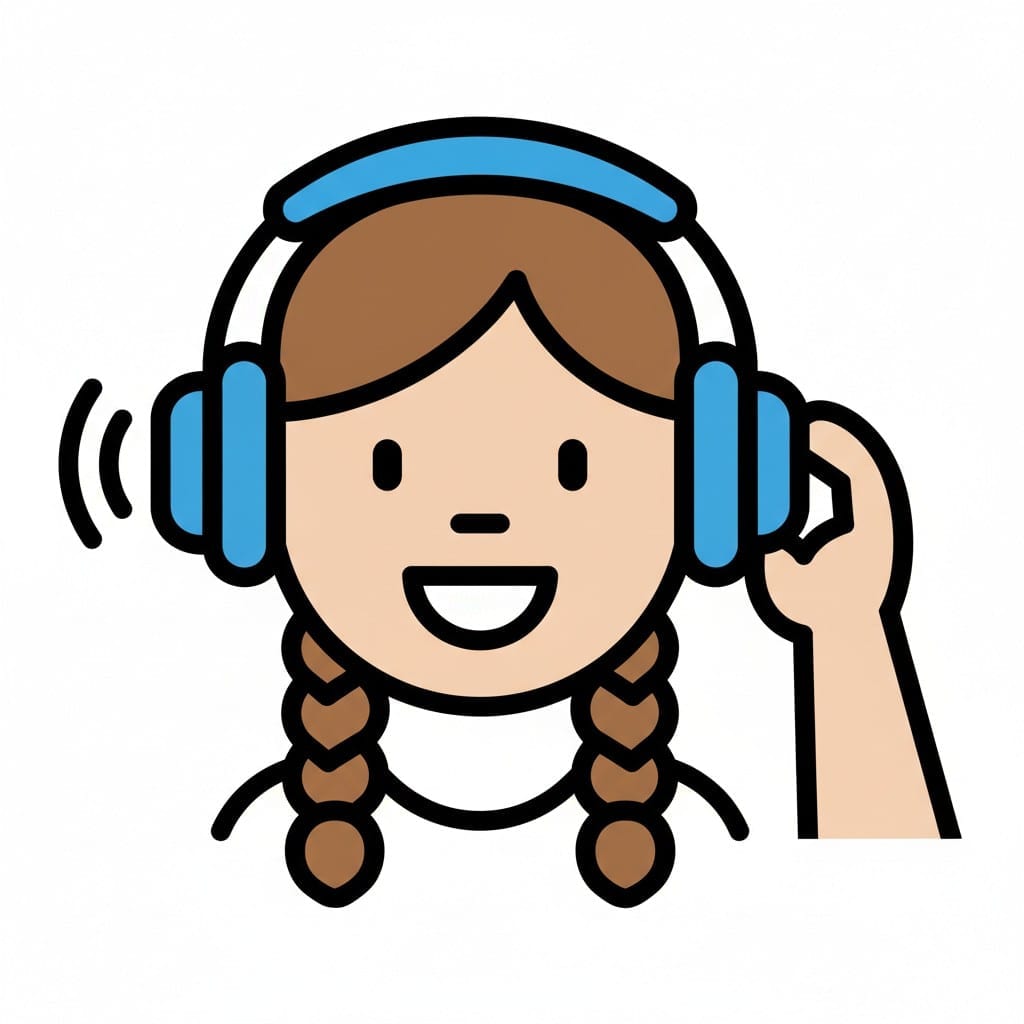 ♀
♀Listen to music
A girl with braids listens to music with headphones.
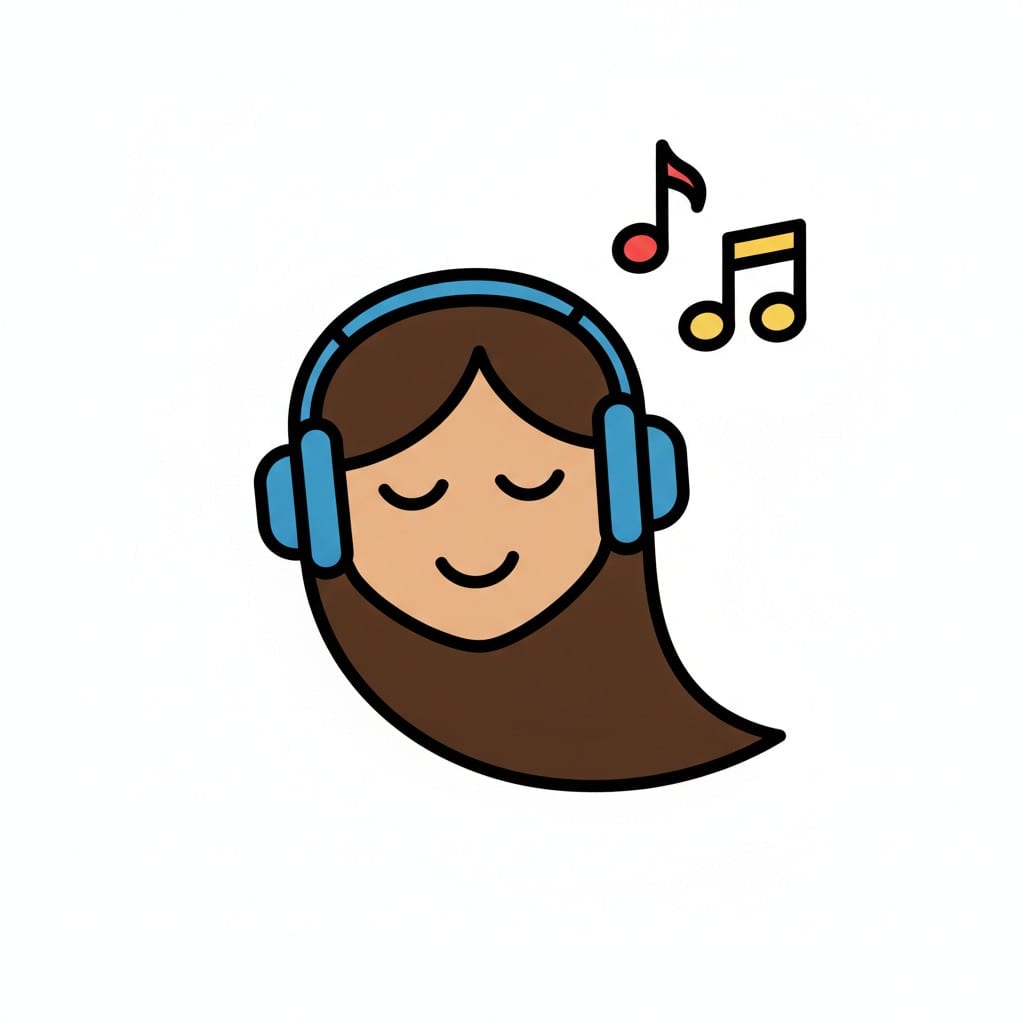 ♀
♀Girl with headphones and music notes
Close-up of a girl with long hair wearing blue headphones, eyes closed, with music notes floating beside her.
About this visual support
Music is rarely neutral in a child's body. Tempo, bass, a sudden voice, or a hard cut between tracks can flip calm into irritation faster than the adult notices what changed. When it works, the shift is just as quick: the gaze softens, breathing slows, the body finds a rhythm.
Visual support for music is not about teaching what music is. It is about making what happens in the speaker predictable. A play card means sound is coming, a pause card warns that silence is next, and a change song card gives one second of mental preparation before the mood shifts. That small gap is often enough for the calm to survive the transition.
A concrete idea: build a short playlist together, five to seven songs your child already knows, and point at the pause or switch card a moment before you actually press. In Routined you can place a music block inside the evening routine with a clear finish card, so listening does not drift into bedtime without a real ending.
Use this image in a schedule
Build your own visual schedule with this image and download it as a print-ready PDF. Completely free.
More similar visual supports
Listen to podcast
A boy listening to a podcast with headphones and a smartphone.
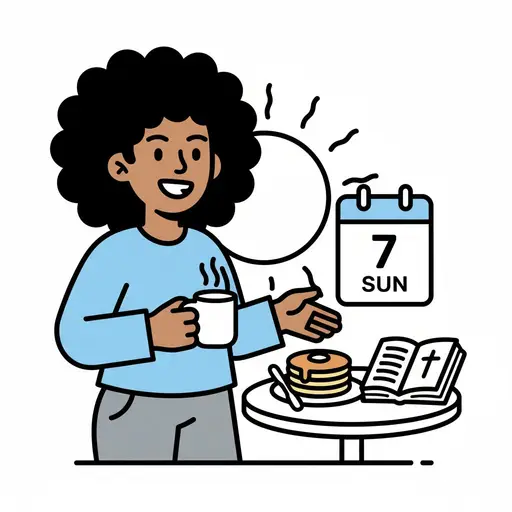
Sunday routines
Illustration of a woman enjoying a relaxed Sunday morning with coffee, pancakes,...
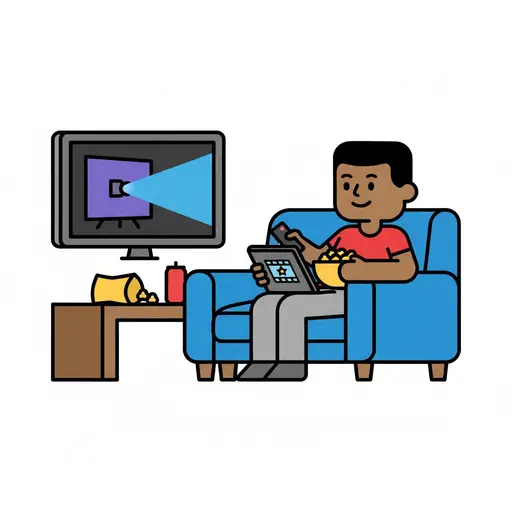
Relax with movie
A boy sits comfortably in a blue armchair, watching a movie on a television scre...
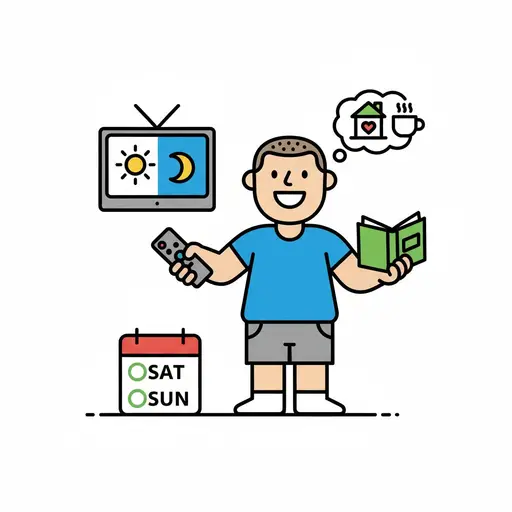
Weekend routines
An illustration of a person with symbols representing weekend activities like wa...

Listen to audiobook
An open book with white pages and a blue cover, framed by grey headphones and wi...
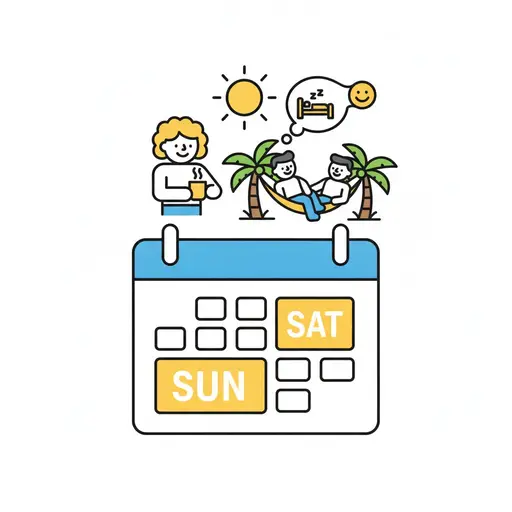
Weekend
Saturday and Sunday are highlighted on a calendar while people rest in a hammock...
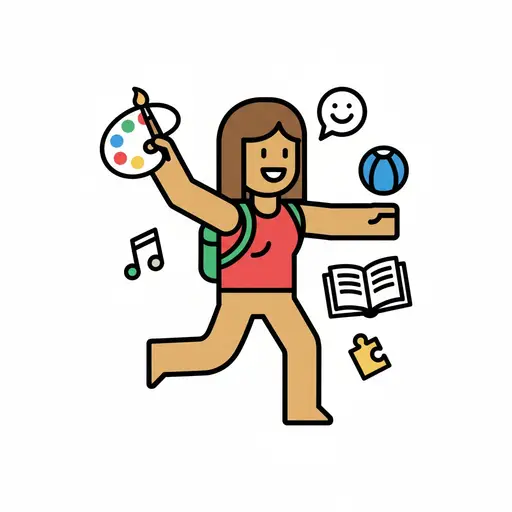
Activities
A child surrounded by icons for a book, paint palette, ball and building block.
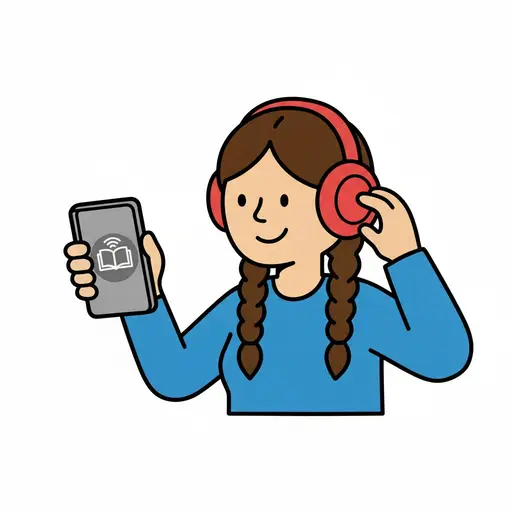
Audiobook time
A smiling girl with braids wears red headphones and holds up a phone showing a b...
This visual support in other languages
Take the visual supports with you
In Routined you build schedules from these pictures, add timers and voice instructions, and your child follows the day on their own.


* 14-day free trial, then $2.39 a month or $20.99 a year (US pricing). Cancel anytime.