Play cards
From the outside it looks like a calm game, but inside the child four things run at once: the rules, their own turn, the opponent's move and how losing might feel. The visual support below breaks it into calm steps.
 ♂
♂Play cards
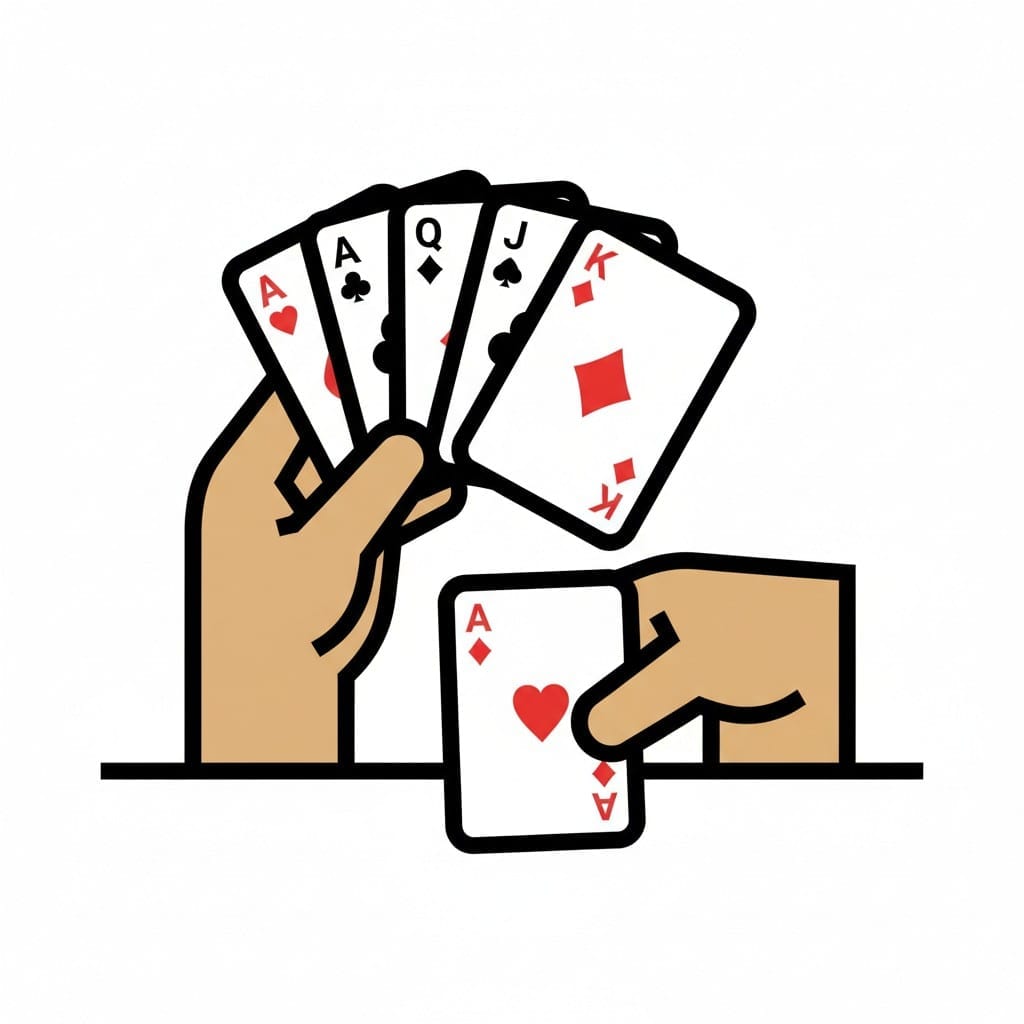
A hand holds a fan of cards while another hand lays down an ace of hearts.
About this visual support
A simple card game is not at all simple from the inside. The child has to track their hand and the pile, wait for their turn, read the opponent and at the same time get ready for the possibility of losing. All of that runs in parallel, and it is no wonder a round can boil over into tears or end abruptly.
A visual schedule lowers the temperature by making the invisible rules visible. Deal the cards, look at your hand, play a card, wait for the other player, say nice move or my turn again. The steps stay on the table, and the child can put a hand on the current step instead of being knocked off by a feeling.
A concrete suggestion: turn win or lose into its own card, with both outcomes shown from the start. Then losing is not a shock, but one of two endings the child has already seen. In the Routined app you can save different card-game routines of different lengths, a short version for tired evenings, a longer one for weekends when focus stretches further.
Use this image in a schedule
Build your own visual schedule with this image and download it as a print-ready PDF. Completely free.
More similar visual supports
Game
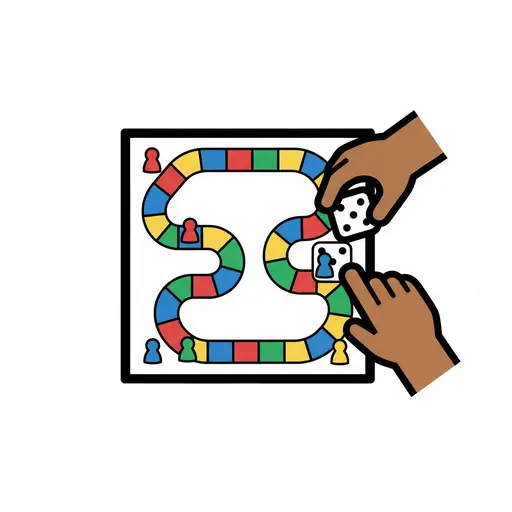
Two hands rolling dice and moving pieces on a colorful board game.
Play games
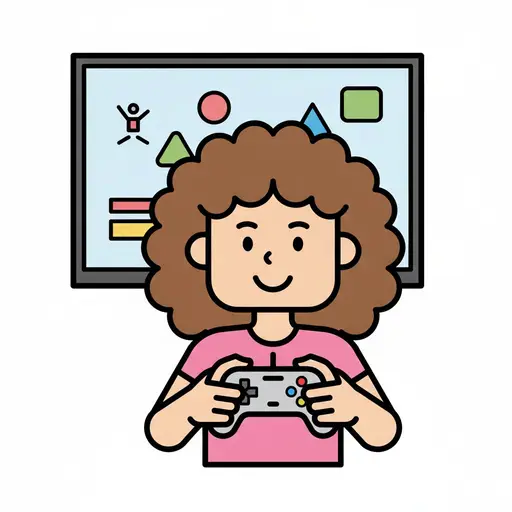
Holding a controller, a girl with curly hair plays in front of a television show...

Song
A girl sings with a speech bubble full of music notes.

iPad and toys
An iPad is leaning against a blue building block. Next to it are a red toy car a...
Play bingo
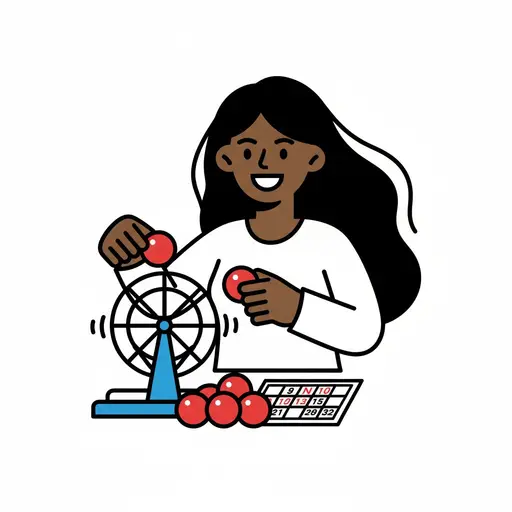
A person with long, dark hair is playing bingo, holding red bingo balls and spin...

Play time
A happy child holds up a ball, a toy car and a teddy.
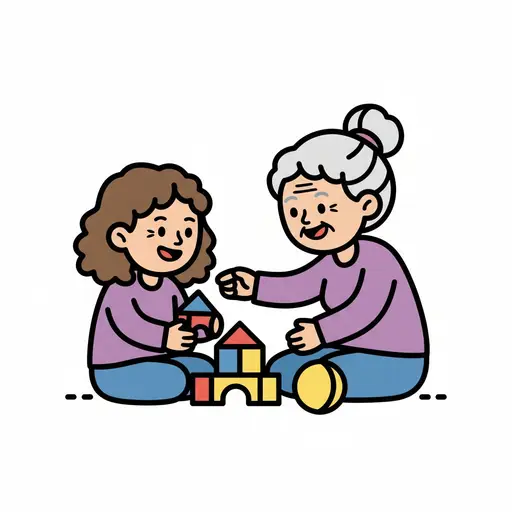
Play with grandma
A young person and an older person sitting and playing with colorful building bl...
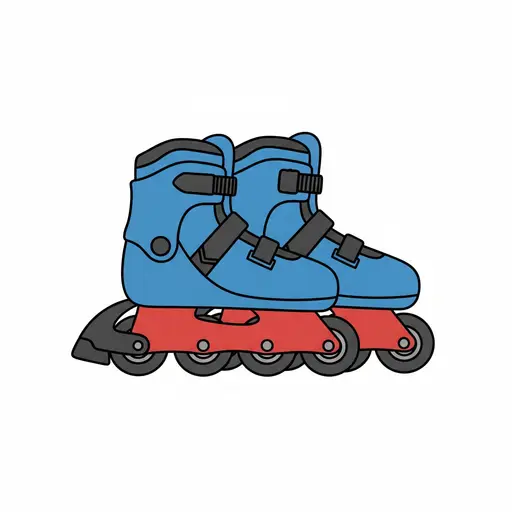
Roller skates
A pair of blue roller skates with red frames and black buckles.
This visual support in other languages
Take the visual supports with you
In Routined you build schedules from these pictures, add timers and voice instructions, and your child follows the day on their own.


* 14-day free trial, then $2.39 a month or $20.99 a year (US pricing). Cancel anytime.