Play Quattro
Quattro has good built-in structure, but waiting and losing are what tip the game over. Knowing in advance what happens if you lose is the difference between three rounds and three minutes.
 ♀
♀Play Quattro
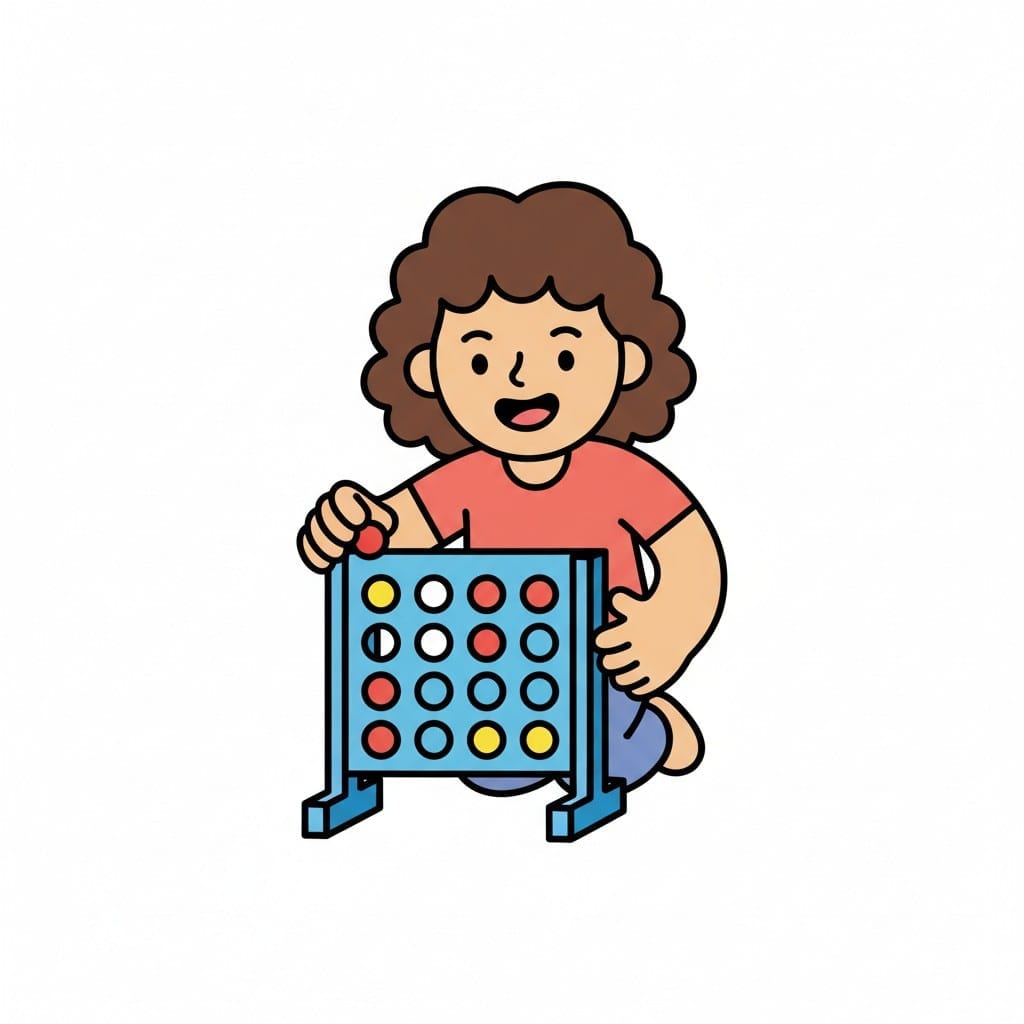
A child playing the game Quattro, inserting a red disc into the blue grid.
About this visual support
Quattro is one of the few games where the rules actually help, because the turn order is built in and the rounds are short. What is not built in is what happens between turns and what happens when somebody loses. That is where most family game nights collapse: not on the rules, but on the pauses and the ending.
Visual support can make both of those visible. A card showing that you wait two turns before it is your turn again removes the question of how long, and a card showing what happens after a loss, a new round, a break or switch games, means losing is no longer an abyss but a card that has already been seen. The structure inside the game meets the structure inside the head.
A concrete tip: place the loss card next to the board before the first round even begins. Everyone then knows the next step if someone is out, and it does not become a negotiation in distress. To plan a whole game night with several games in sequence, you can set it up in Routined after a 14-day trial.
Use this image in a schedule
Build your own visual schedule with this image and download it as a print-ready PDF. Completely free.

More similar visual supports
Board game
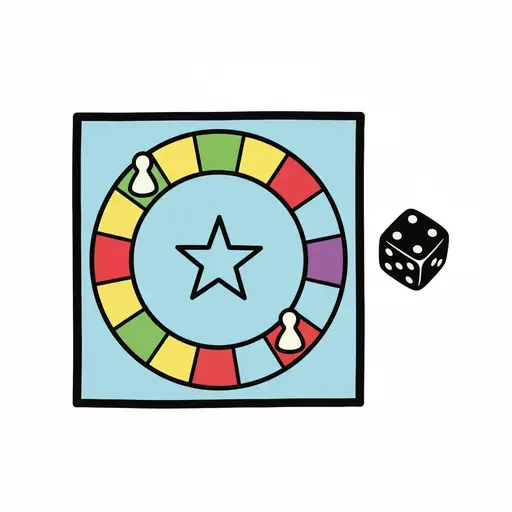
A round board game with colored squares, game pieces and a die beside it.
Game
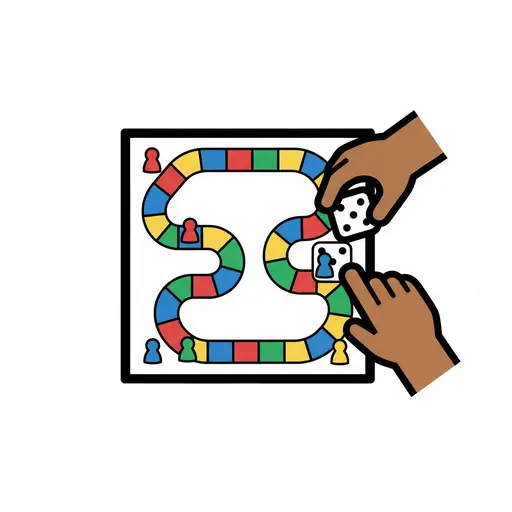
Two hands rolling dice and moving pieces on a colorful board game.

Leisure time
A happy boy throws a colourful ball while a toy car and a stacking ring toy sit ...
Play bingo
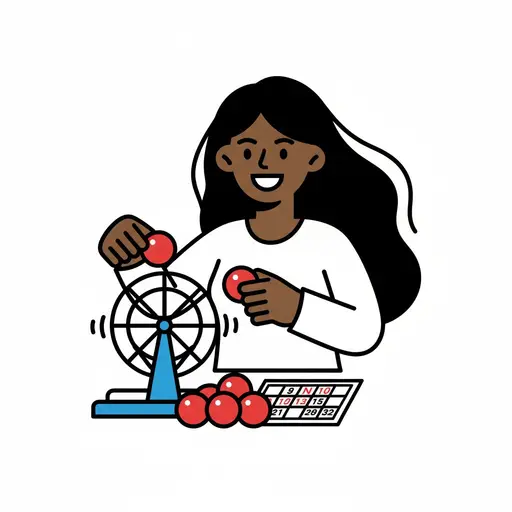
A person with long, dark hair is playing bingo, holding red bingo balls and spin...
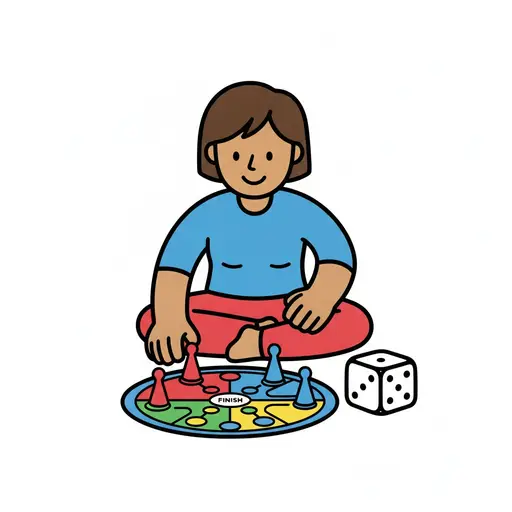
Play Board Games
A girl holds a die and moves a piece across a colourful game board.
Play Fia
A girl sitting on the floor playing a Fia board game, moving a playing piece nex...

Activities
A child surrounded by icons for a book, paint palette, ball and building block.

Activity
Inside a dashed circle a girl runs along holding a paintbrush in one hand and a ...
Take the visual supports with you
In Routined you build schedules from these pictures, add timers and voice instructions, and your child follows the day on their own.


* 14-day free trial included for new users.