Clock rings
A sudden ring means nothing on its own. When the clock goes off, your child may not know the sound is a signal that something is about to change, and the visual support here links the ring to the next step.
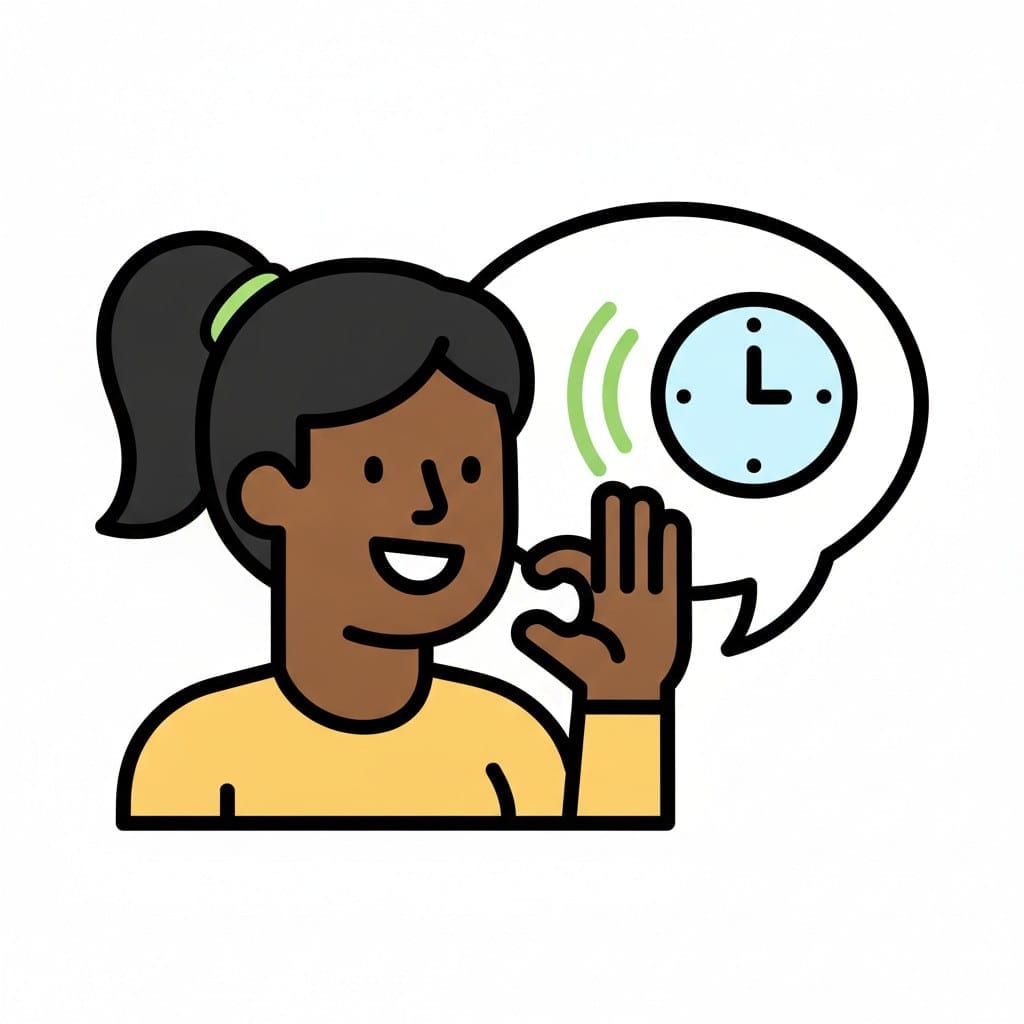 ♀
♀Listening to clock
A child cups a hand to one ear and listens, with a speech bubble showing a clock making sound.
About this visual support
A sharp ring in the middle of play can land as an annoying noise rather than a message. An unexplained sound can even make a child flinch or freeze, unsure whether it is meant for them. For the signal to mean something, your child needs to know the clock rings for a reason and that a set step follows it.
A visual schedule turns the sound into a clear marker instead of a surprise. Next to the picture of the ringing clock, place the picture of what happens now, such as going to get dressed or sitting down at the table. Your child hears the signal and can look at where it leads, without you having to explain over the noise. Talk the link through once while things are calm, so the sound already feels familiar by the time it actually rings.
When you want the signal tied into the rest of the day, you can add the clock and the steps it starts in the Routined app. Try it at no cost for fourteen days and see how a single sound can become a steady turning point.
Use this image in a schedule
Build your own visual schedule with this image and download it as a print-ready PDF. Completely free.

More similar visual supports
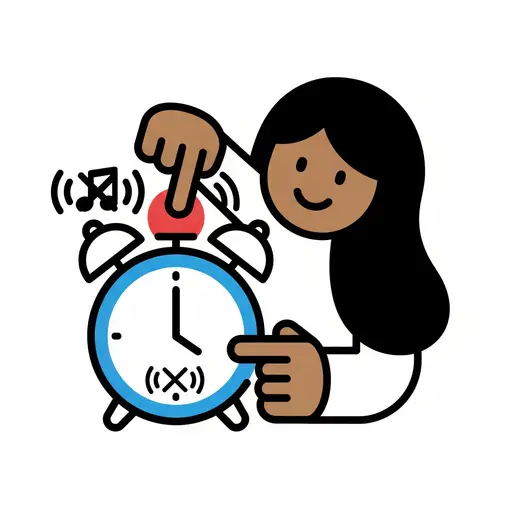
Turn off the alarm
A girl presses the button on top of a ringing blue alarm clock to turn off the s...
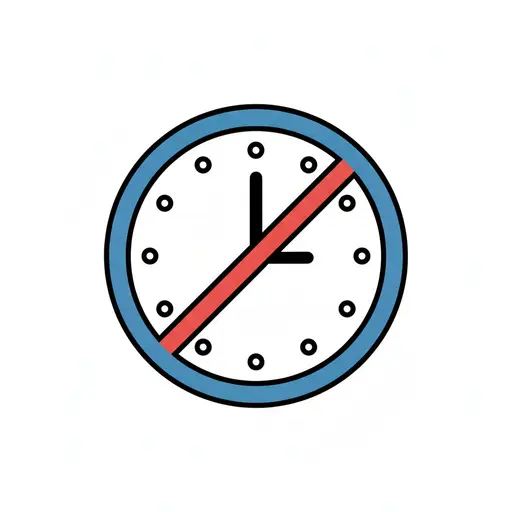
Mute clock
A wall clock with a red line through it marking that it is muted.
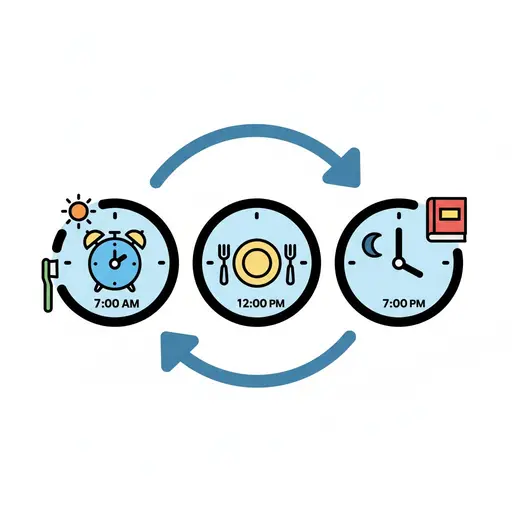
Routines
An illustration depicting a daily routine with three circular elements in a cycl...
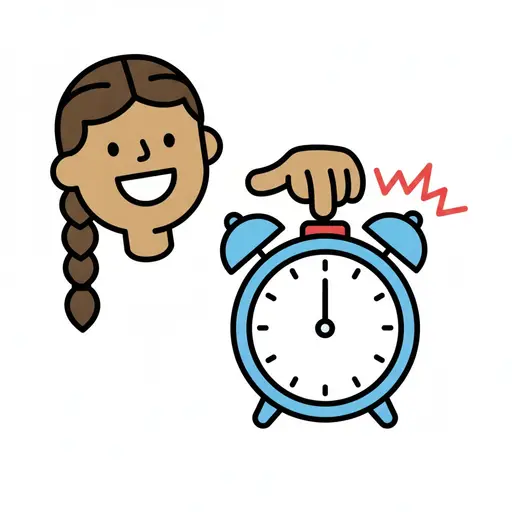
Stop the alarm
A smiling child presses the button on top of a ringing alarm clock to turn it of...

Cozy sweater
A light blue, knitted turtleneck sweater with a cable pattern.

Daily
A girl holds a calendar with a repeat symbol next to an icon showing a sun and m...
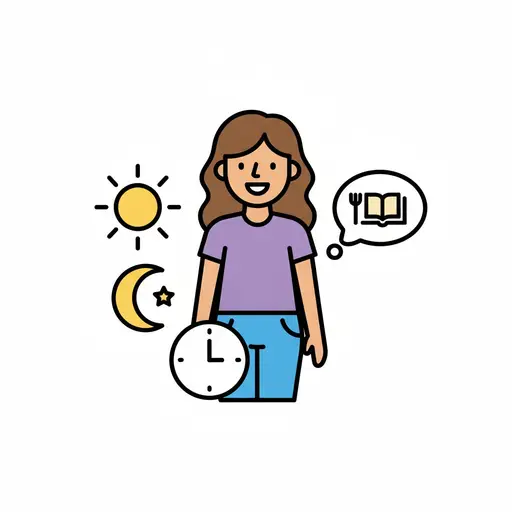
Daily routine
A woman stands with a sun, moon and clock, thinking of food and reading.
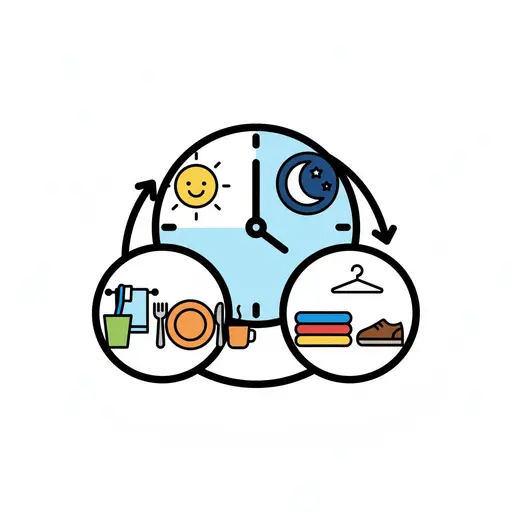
Daily routines
Illustration of a daily routine showing a clock with sun and moon, and symbols f...
Take the visual supports with you
In Routined you build schedules from these pictures, add timers and voice instructions, and your child follows the day on their own.


* 14-day free trial, then $2.39 a month or $20.99 a year (US pricing). Cancel anytime.