“Just One More Thing”: How to Stop Bedtime Stalling
One more story, one more drink, one more question — bedtime stalling can stretch a 20-minute routine into an hour-long negotiation. Here's why children stall and how to bring calm, predictable endings back to the evening.
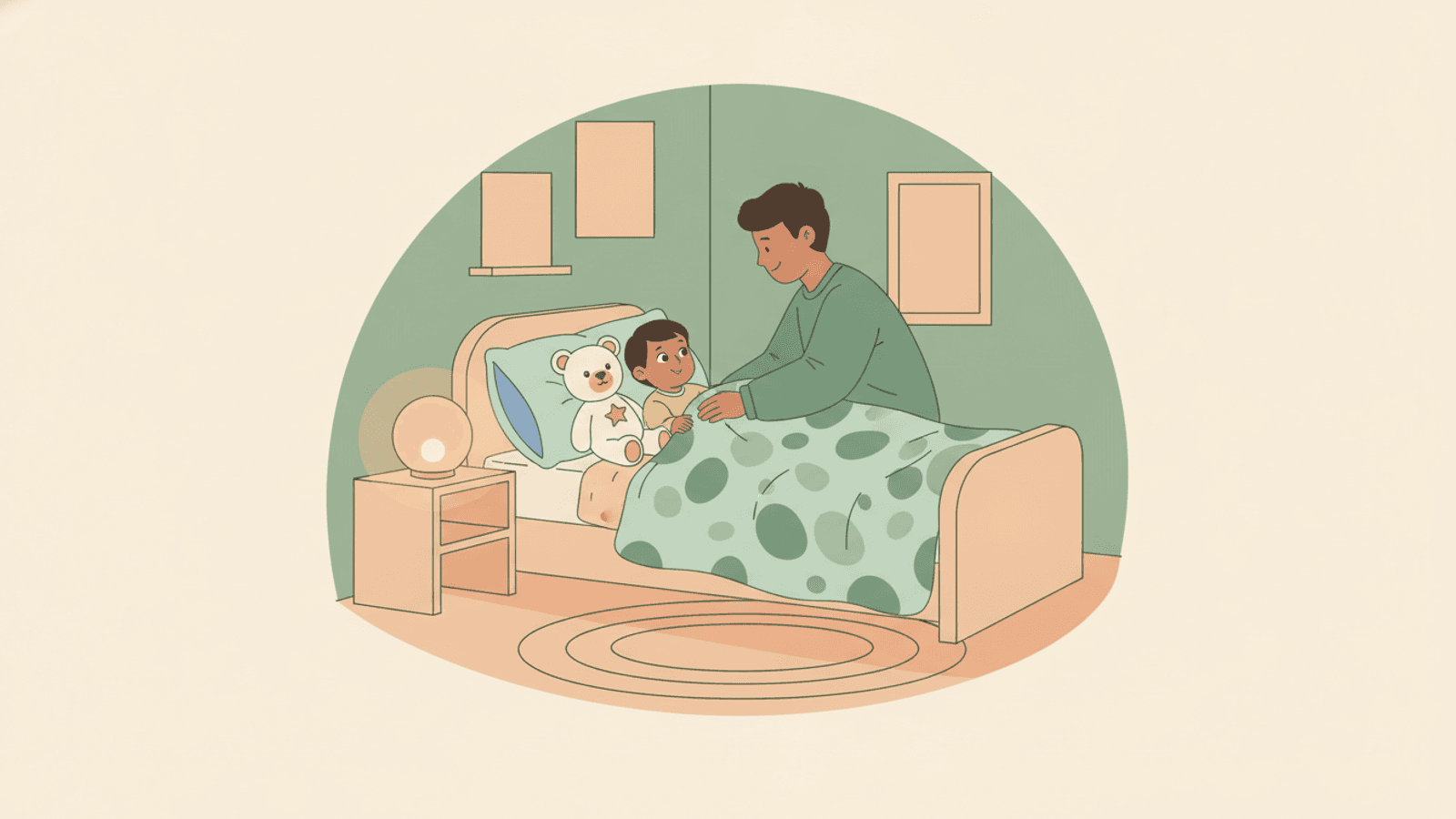
One more story. One more drink. One more question, one more hug, one more trip to the toilet. Bedtime stalling can stretch a calm 20-minute routine into an hour-long negotiation — and it is one of the most common evening battles there is. The good news: stalling responds well to a predictable routine with a clear, limited ending.
Why children stall at bedtime
Stalling is rarely about being naughty. Bedtime means separation, and winding down is genuinely hard for a tired brain. It is also the day's last chance for your undivided attention, and a natural place to test where the limit actually is. Sometimes a child simply is not tired enough yet. Knowing which of these is driving it makes the fix easier.
Build a routine with a clear end
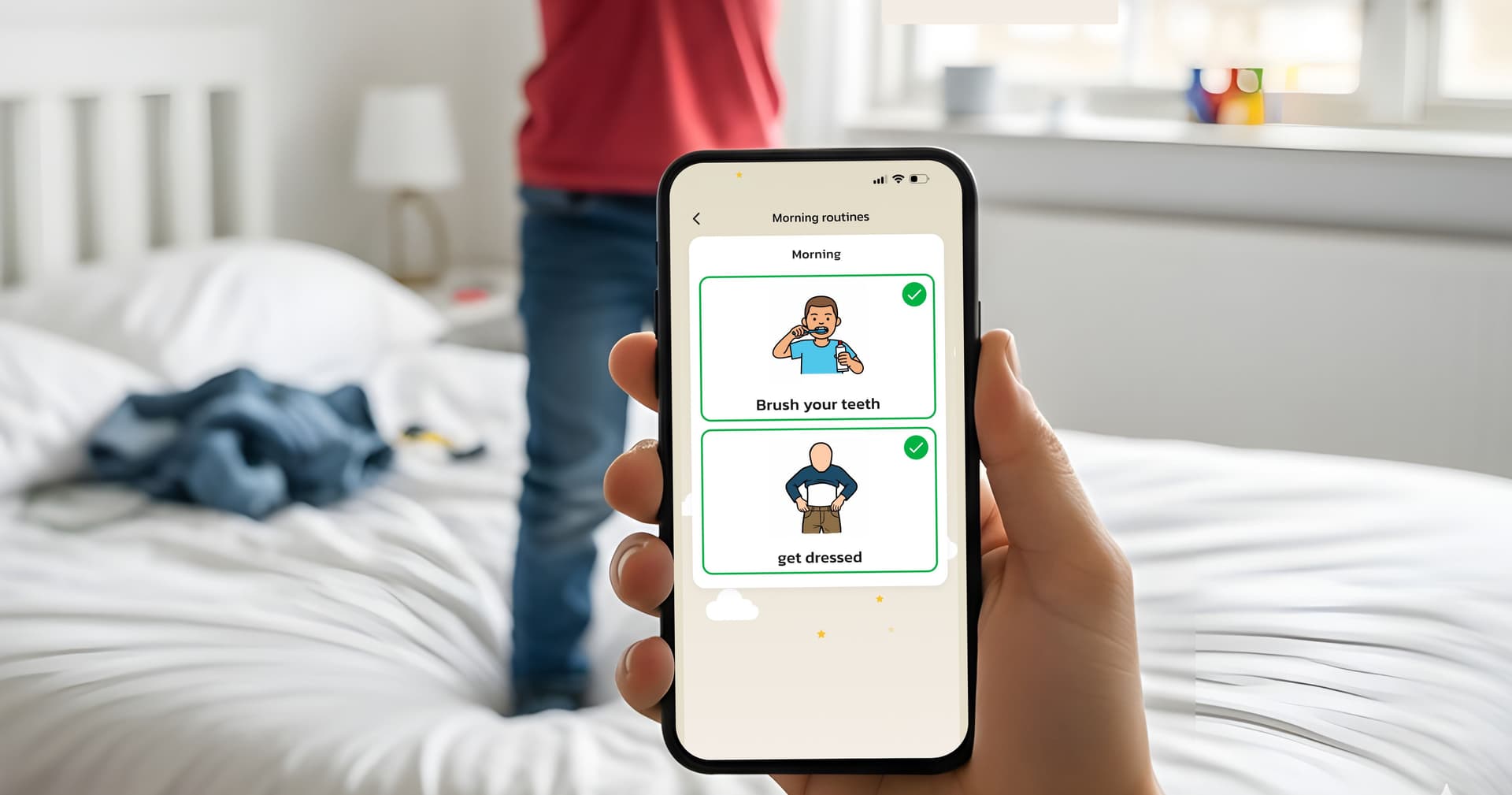
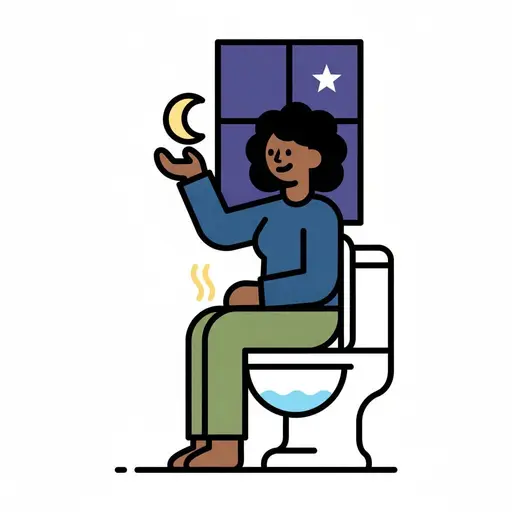
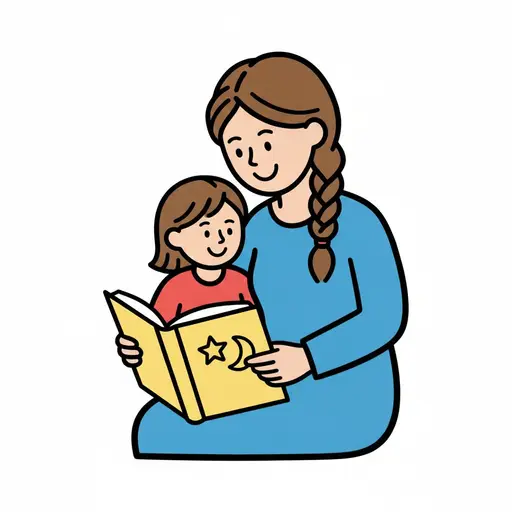
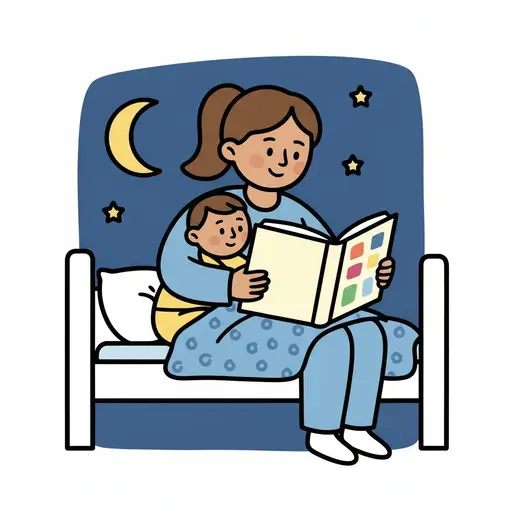
The single best defence against stalling is a predictable routine that visibly ends. Same steps, same order, every night — brush teeth, pyjamas, toilet, story, lights out. A simple picture sequence helps a child see what is left and that the routine is finite. When the ending is predictable, there is far less to negotiate.
The bedtime pass
For children who keep finding "one more thing", try bedtime passes: one or two tokens the child can trade for a single extra drink or hug. Once they are used, bedtime is closed. This hands the child a bit of control, caps the stalling at a number you can live with, and turns an open-ended argument into a simple, finite choice.
When they keep getting up
If your child gets out of bed again and again, the most effective response is also the most boring one: calmly and with very few words, walk them straight back each time. No lecture, no negotiation, no drama. It can take many repeats the first few nights, but a flat, consistent response teaches that getting up does not unlock more attention.
Two things make this easier. First, build the usual stalls — drink, toilet, last hug — into the routine so they are already done. Second, front-load connection earlier in the evening, so your child is not bidding for closeness at the very last moment.
For children with ADHD or autism
Transitions and winding down are harder with ADHD and autism, so predictability matters even more. A visual routine, a timer or cue for each step, and a clear "this is the last thing" all help. If your child genuinely cannot settle for a long time most nights, it is worth mentioning the sleep difficulties to your doctor. This article is general guidance, not medical advice.
Read more
Frequently asked questions
Why does my child stall at bedtime?
Usually because bedtime means separation, winding down is hard, and it is the last chance for your attention — plus a natural place to test limits. Occasionally they are simply not tired enough yet.
How do I stop the "one more thing" requests?
Build the common ones — drink, toilet, a last hug — into the routine so they are already done, then hold a clear ending. Bedtime passes can cap the extras at a number you choose.
What is a bedtime pass?
A token — usually one or two — that your child can trade for a single extra drink or hug. Once the passes are used, bedtime is closed. It gives the child some control while limiting the stalling.
What should I do when my child keeps getting out of bed?
Walk them calmly back each time with very few words and no negotiation. It may take many repeats at first, but a boring, consistent response teaches that getting up does not earn more attention.
Is bedtime stalling a sign that something is wrong?
Usually not — it is a normal phase. If it is severe, your child seems anxious about sleep, or genuinely cannot settle most nights, talk to your doctor.