Hygiene for Tweens: Building Routines as Bodies Change
As tween bodies change, hygiene can turn into a daily battle. Here is how to build a calm, shame-free routine that gives your child ownership, privacy and the reminders they need.
A hygiene routine for tweens is a simple, repeatable sequence of self-care steps, showering, deodorant, teeth, hair and skin, that a child does mostly on their own as their body starts to change. The goal is to make washing and grooming a matter-of-fact daily habit rather than a nightly argument. For tweens, and especially for children with ADHD or autism, the trick is not more nagging but clearer structure, a little privacy and products that feel good on the body.
Somewhere between eight and twelve, bodies begin to shift. Sweat starts to smell, hair gets greasy faster and skin can break out. Many tweens do not notice, do not care, or feel deeply embarrassed the moment you mention it. A calm, predictable routine takes the emotion out of it and hands your child the tools to look after themselves.
Why tween hygiene suddenly gets tricky
Puberty changes the body faster than most children can keep up with. Glands that were quiet for years switch on, and yesterday's quick rinse no longer does the job.
At the same time, tweens are pushing for independence and are acutely self-conscious. Being told they smell can feel like a personal attack, even when you mean well. Add the natural forgetfulness of a distracted brain and you get resistance, avoidance and the occasional slammed door.
- Body odour arrives before children think to do anything about it.
- Privacy suddenly matters, so they resist being watched or reminded.
- Embarrassment makes them shut down rather than ask questions.
- Forgetfulness and time-blindness mean steps get skipped, not refused.
What actually changes at this age
Knowing what is new helps you add only what your child needs, without overwhelming them. Most tweens gradually take on a handful of extra habits.
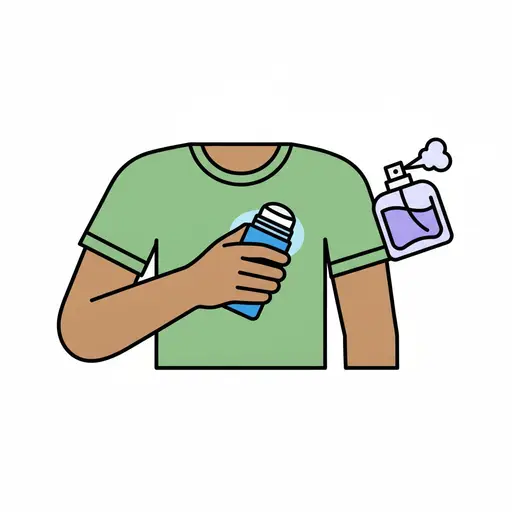
Deodorant
Once underarm odour appears, a daily deodorant becomes part of getting dressed. Roll-ons and unscented sticks are gentler for sensitive skin and less overpowering than heavy sprays.
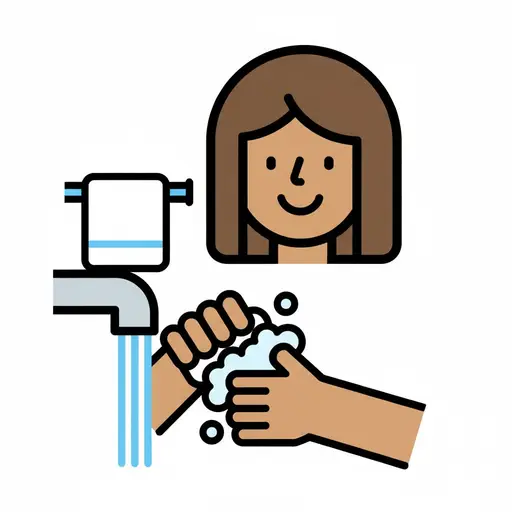
Showering more often
Where a couple of baths a week used to be plenty, active, sweatier tweens usually need to wash more regularly, and to actually use soap on the parts that need it rather than just standing under the water.
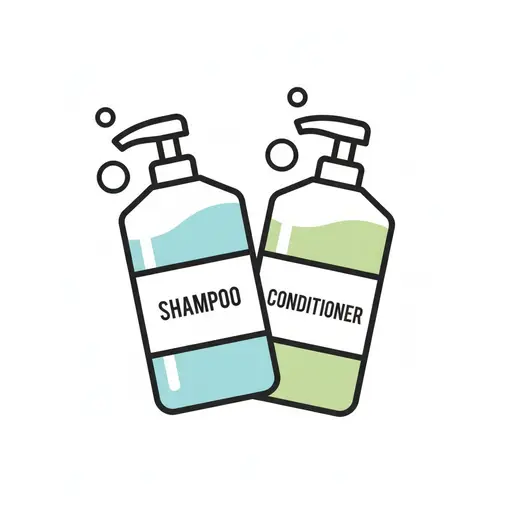
Hair and skin
Hair gets oily sooner, so it needs washing more often. Skin may need a simple face wash morning and night. Keep it basic: one cleanser, one moisturiser. Elaborate routines rarely survive contact with a real eleven-year-old.
Make it a routine, not a running commentary
The single biggest shift you can make is to stop reminding and start systemising. When hygiene lives on a checklist your child owns, the list does the nagging, and you get to stay the supportive parent instead of the smell police.
Decide together what belongs in the morning and what belongs in the evening, then let the routine run. A predictable order, same steps, same time, means your tween is not relying on willpower or memory each day. It just becomes what happens after dinner or before school.
You are not managing your child's body. You are handing them a system they can eventually run without you.
Give ownership and privacy
Tweens are far more likely to follow a routine they helped design. Let your child choose their own deodorant scent, pick their shampoo, and decide whether they shower morning or night. Small choices create buy-in.
Privacy matters just as much. Knock before entering, keep conversations about body changes low-key and one-to-one, and resist the urge to inspect or announce. A quiet checklist they tick themselves respects their growing need for independence far better than a parent hovering at the bathroom door.
A low-key checklist without babying
The aim is a routine that feels age-appropriate, not one that treats a twelve-year-old like a toddler. Keep it short, factual and free of cutesy language. A simple evening list might look like this.
- Shower and wash with soap
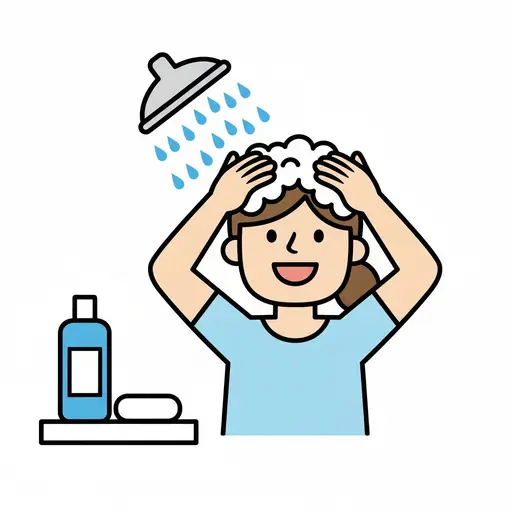
- Wash hair (or every other day)
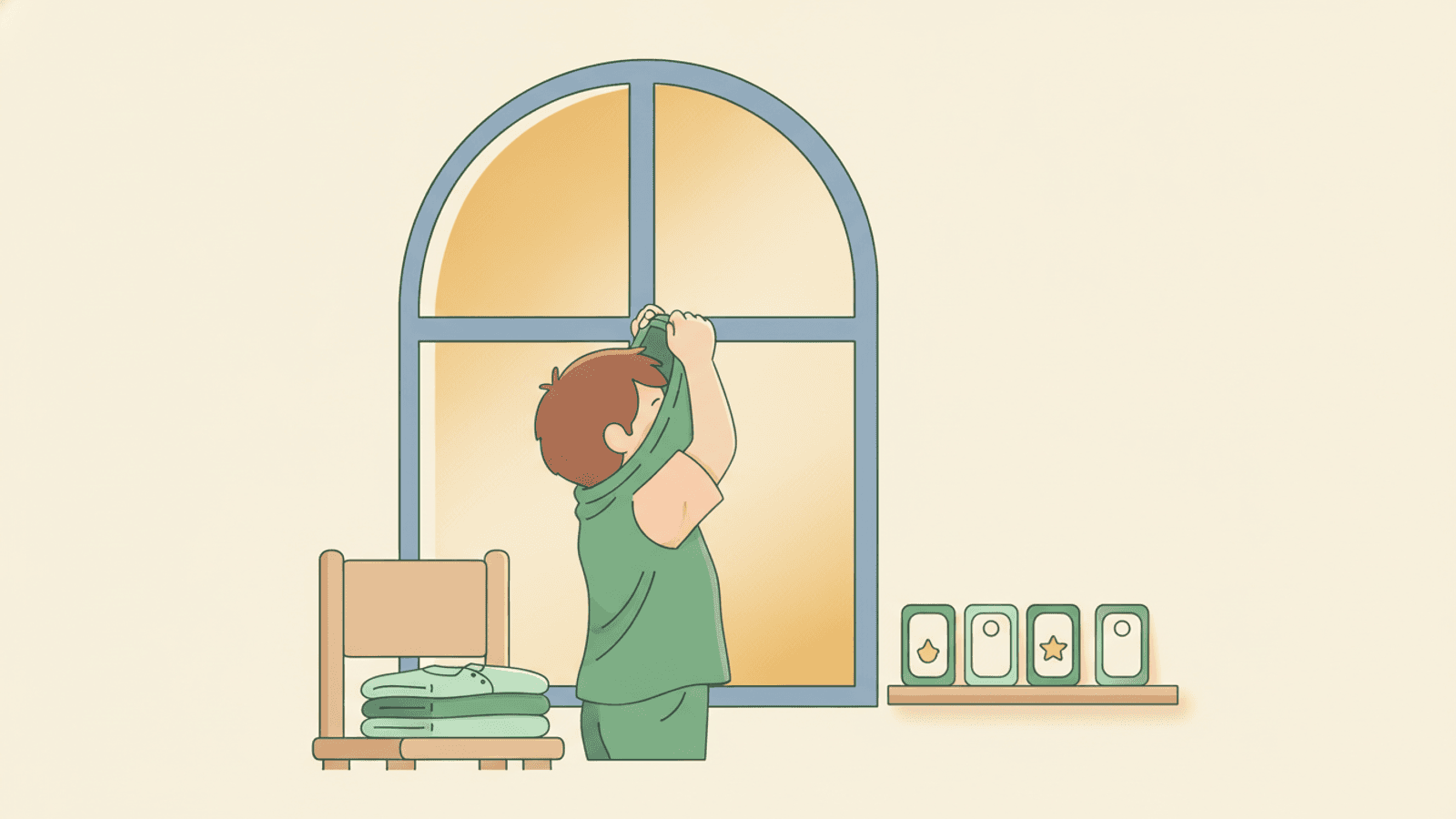
- Dry off and put on clean night clothes
- Deodorant ready for the morning
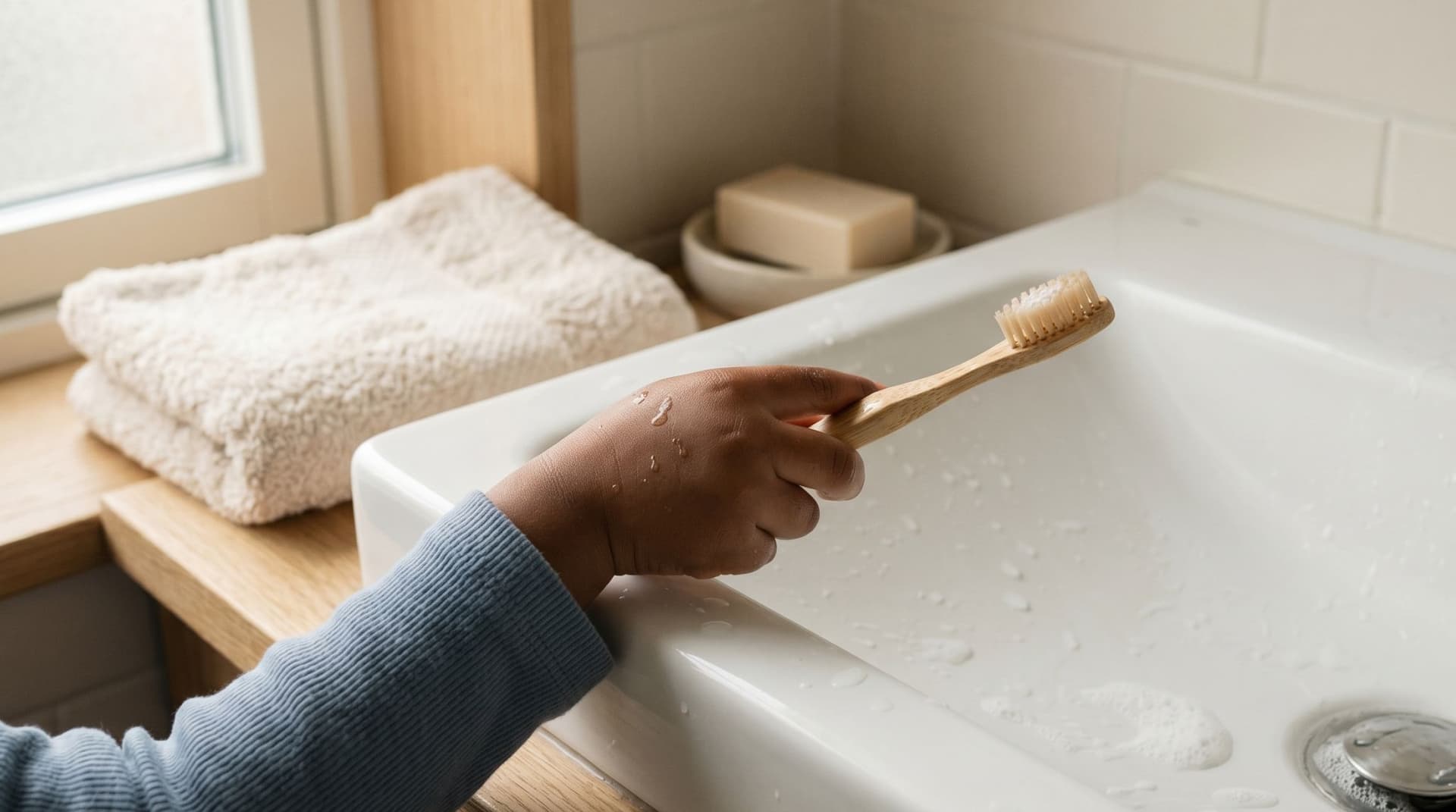
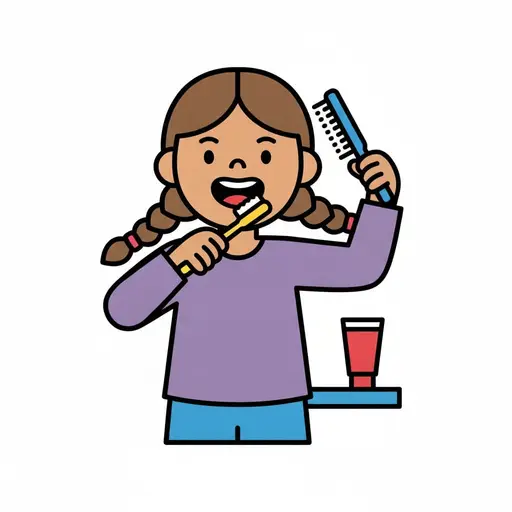
- Brush teeth for two minutes
- Quick face wash if skin needs it
Six clear steps beat a vague reminder to go and get clean. Your tween can see exactly what done looks like and can work through it without you narrating each move.
Handling avoidance and sensory issues
When a child resists washing, it is often not defiance. Water temperature, the roar of the shower, the smell of a product or the feel of a towel can be genuinely unpleasant, particularly for autistic children or those with sensory sensitivities.
Treat the discomfort as real and problem-solve it together rather than pushing through it.
- Try unscented or mildly scented products to avoid sensory overload.
- Offer a softer towel, a gentler shower head or a bath as an alternative.
- Let them control the water temperature themselves.
- Use a timer so the shower has a clear, predictable end point.
- Keep products consistent, sudden changes can throw the whole routine.
Keep it shame-free
How you talk about hygiene shapes how your child feels about their body for years. Frame washing as ordinary self-care, the same as eating or sleeping, never as a punishment or a reaction to them being dirty or smelly.
Skip comments about odour in front of siblings, avoid disgust in your tone, and normalise the changes as something every human body goes through. A child who feels accepted is far more willing to look after themselves than one who feels judged.
Why routine helps ADHD and autistic tweens
Children with ADHD often struggle with time-blindness and forgetting multi-step tasks, so a visual, external routine does the remembering for them. Autistic children tend to thrive on predictability, and a consistent order lowers anxiety around body changes they may find confusing.
Visual reminders, sensory-friendly products and a steady daily rhythm are not babyish extras here. They are the scaffolding that makes independence possible.
How Routined helps
Routined lets you build a tween's hygiene routine with two display modes: a clean Standard text-and-checkbox list that does not feel babyish, or Visual Support with big picture cards for children who prefer images. You can add a photo or picture to each step, set an optional visual countdown timer so a shower has a clear end, and record a short voice note per step that plays when your child opens it. A quick mood check before and after can show you how they are finding the routine, and completed routines can fill an allowance pot or earn stars, screen-time minutes or a custom reward, handy motivation while a new habit sticks.
The takeaway
A good hygiene routine for tweens is less about clean and more about calm. When the steps are clear, the products feel right and your child owns the process, washing stops being a battle and becomes just another part of the day. Stay matter-of-fact, protect their privacy, keep it shame-free, and let the routine, not you, carry the reminders.
Read more
Frequently asked questions
When should a tween start using deodorant?
There is no fixed age. Once you notice underarm odour, usually somewhere between eight and twelve, it is time to add a daily deodorant. Choose an unscented or mild roll-on for sensitive skin and let your child pick the scent to build buy-in.
How often should a tween shower?
Active, sweatier tweens generally need to wash daily or every other day, rather than the couple of baths a week that suited younger children. What matters most is actually using soap on the areas that need it, not just standing under the water.
How do I get my tween to shower without a fight?
Swap reminders for a routine they own. Agree the steps together, put them on a checklist your child ticks themselves, and keep the tone matter-of-fact. Address any sensory dislikes, like water temperature or product smell, rather than pushing through resistance.
Why does my autistic or ADHD tween avoid hygiene tasks?
It is often sensory or organisational, not defiance. Sounds, smells, textures and temperatures can be genuinely unpleasant, and multi-step tasks are easy to forget. Visual routines, consistent sensory-friendly products and a clear order make washing far more manageable.
How do I talk about body odour without embarrassing my child?
Keep it private, brief and free of disgust. Frame washing as ordinary self-care that every body needs as it grows, never as a reaction to them being dirty. Avoid mentioning smell in front of siblings, and focus on the routine rather than the problem.