Screen Time and Sleep: How Screens Affect Your Child at Night
Screens push bedtime later and make it harder to fall asleep. Here is how screen time affects children's sleep, and simple evening fixes that actually work.

Screens affect children's sleep by pushing bedtime later and making it harder to fall asleep once they are in bed. The link between screen time and children's sleep works in a few overlapping ways: bright screens delay the release of melatonin (the hormone that makes us drowsy), fast-moving or exciting content keeps the brain alert, and time spent scrolling simply replaces time that could be spent sleeping. If your child seems wired at bedtime after using a tablet or phone, you are not imagining it.
The good news is that this is one of the most fixable parts of the evening. A few small, consistent changes to the hour before bed can make a real difference, without turning every night into a battle.
How screens hurt sleep
It helps to know what is actually happening, because it makes the fixes feel less like arbitrary rules and more like common sense.
Blue light delays melatonin
Our bodies use light to decide when it is time to sleep. As evening comes and light fades, the brain starts releasing melatonin, and we begin to feel sleepy. Bright screens, held close to the face, send the opposite signal: the brain reads it as daytime and holds the melatonin back. The result is a child who is genuinely tired but does not feel sleepy.
Stimulation and arousal
Light is only part of the story. A fast game, an exciting video, or a chat with friends raises a child's heart rate and keeps the mind switched on. Even after the screen is off, that state of alertness can linger for a while. A calm body falls asleep; an activated one lies awake.
Screens quietly replace sleep
"Just one more episode" and "one more level" are designed to keep us watching and playing. Minute by minute, screen time eats into the window that was meant for winding down and sleeping. Many children who seem to have a sleep problem are actually just going to bed later than anyone intended.
Activating content before bed
Content matters as much as duration. A scary scene, a heated group chat, or a cliffhanger leaves the mind churning long after lights-out. Ten minutes of something unsettling can cost far more than ten minutes of sleep.
The evidence, in plain terms
You do not need to read the studies to get the gist. Research on children and teenagers consistently finds the same pattern: more screen use around bedtime is linked to later sleep, shorter sleep, and poorer sleep quality. Devices in the bedroom make it worse, even when the child is not actively using them, partly because notifications and temptation are always within reach.
No single study settles everything, and screens are not the only reason children sleep badly. But the direction is clear and steady enough to act on: less screen time close to bedtime tends to mean better sleep.
Practical fixes that actually work
You do not have to overhaul everything at once. Pick one or two of these and give them a couple of weeks.
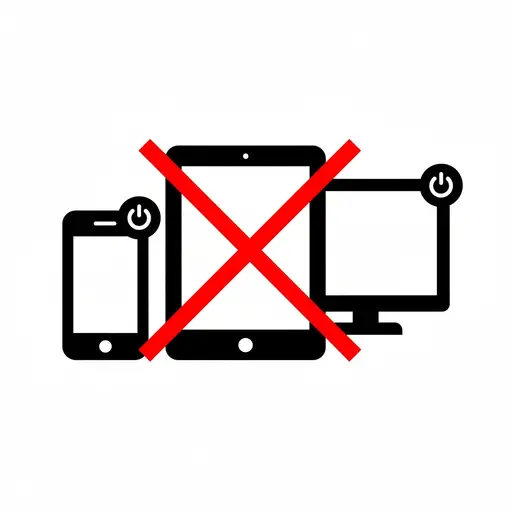
- Set a screen curfew about an hour before bed. This gives melatonin a chance to rise and the body a chance to settle. An hour is a good target; even thirty minutes helps.
- Charge devices outside the bedroom. A family charging spot in the kitchen or hallway removes the late-night temptation and the buzz of notifications. It also means the phone is not the last and first thing your child sees.
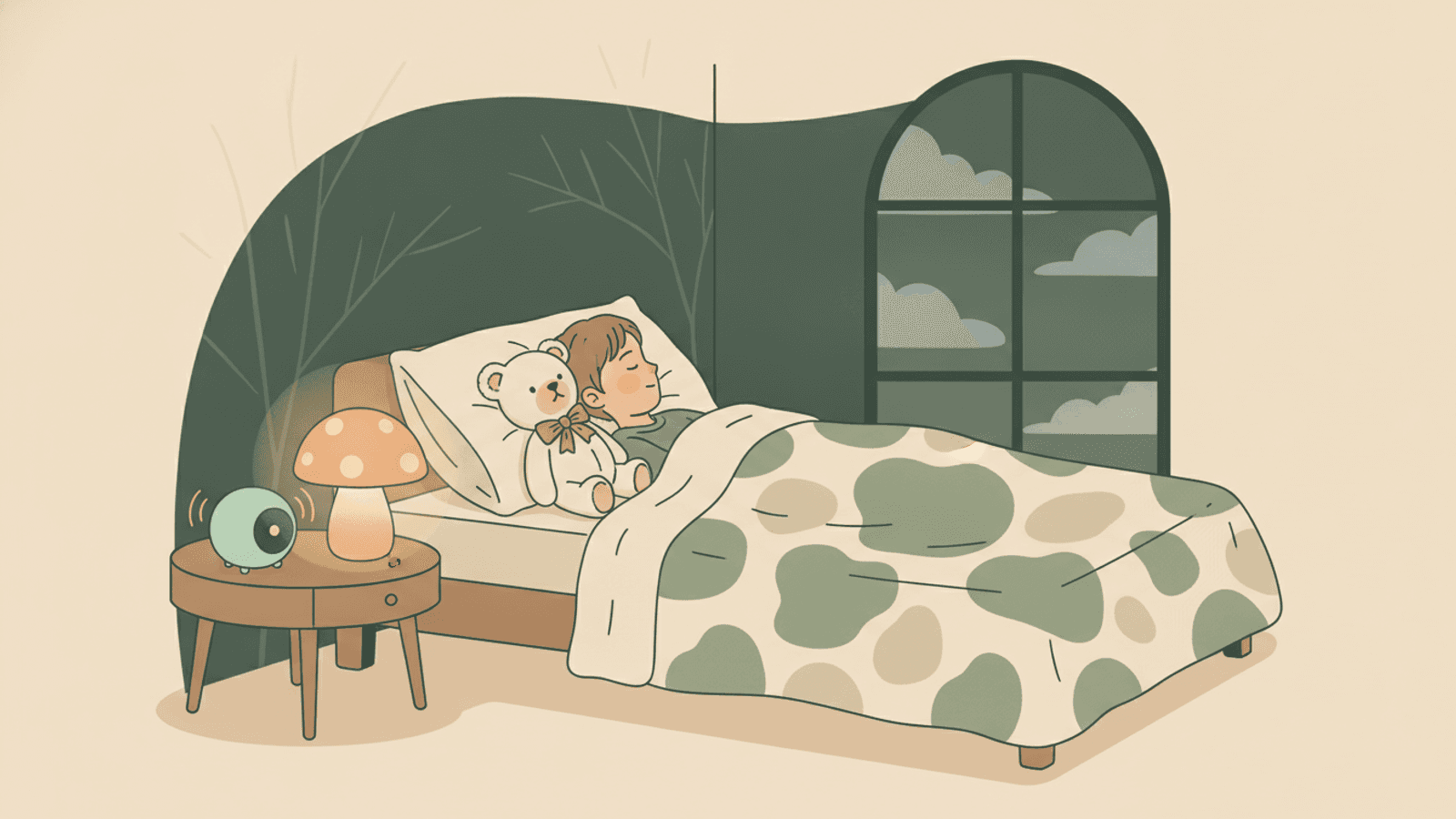
- Build a screen-free wind-down. Fill the gap the screen leaves with something calming: reading together, a warm bath, quiet drawing, a chat about the day, or gentle music. The point is to signal that the day is ending.
- Keep bedtimes consistent. A predictable rhythm trains the body clock, so sleep comes more easily over time.
Why night mode is not enough
Warm-tint and night modes reduce blue light, and that is a small help. But they do nothing about stimulation, arousal, or the way screens push bedtime later. A dimmed, orange screen showing an exciting game will still keep a child awake. Treat night mode as a minor extra, not a solution.
Handling the pushback
Expect some resistance, especially at first. It usually fades once the new routine becomes normal and predictable.
- Agree the rule together, in daylight. Decisions made calmly in advance are far easier to keep than ones argued over at 9pm.
- Be consistent, so the curfew is just "how evenings work" rather than a nightly negotiation.
- Model it yourself. If the adults park their phones too, the rule feels fair rather than a punishment.
- Give a warning before the curfew. "Ten more minutes, then screens go on charge" softens the landing and reduces the abrupt cut-off that triggers meltdowns.
Tie it to the evening routine
A screen curfew works best as part of a wider evening routine rather than a standalone rule. When "screens on charge" is simply one step in a familiar sequence, brush teeth, pyjamas, story, lights out, it stops feeling like a loss and starts feeling like the natural close of the day. Predictability is calming, and a calm child falls asleep faster.
A note on children with ADHD and autism
Screens can be especially activating for children with ADHD, who are often drawn to the fast feedback and constant novelty that games and videos provide. Many also have a naturally delayed body clock, meaning they do not feel sleepy until later anyway. Add an activating screen on top of that and bedtime can drift very late indeed.
For these children, the wind-down matters more, not less. A clear, visual, predictable routine, a defined stopping point, and a screen-free buffer before bed give the nervous system time to come down. Warnings before transitions are particularly important, since sudden changes are harder to handle.
How Routined can help
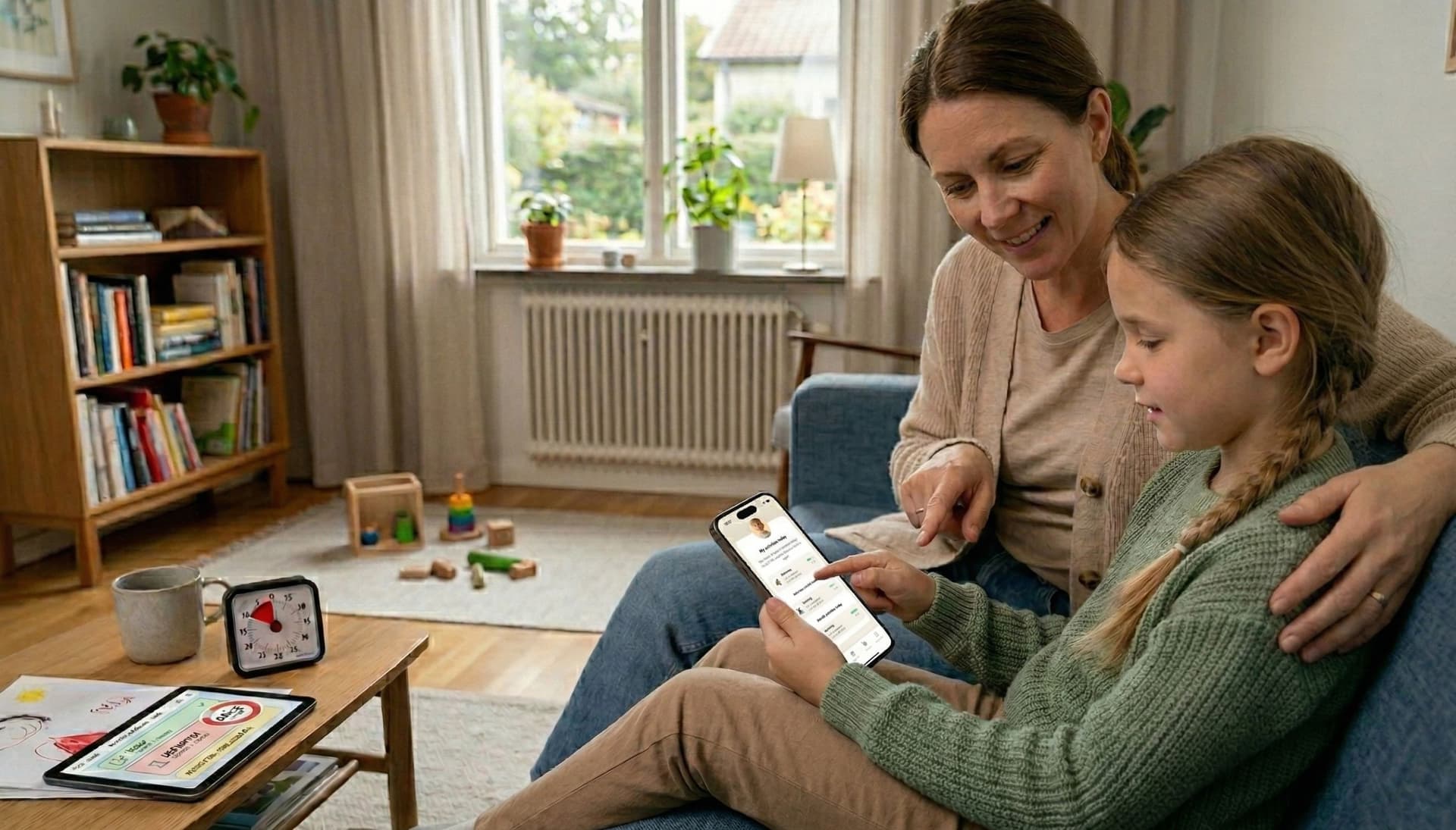
If the tricky part is making the evening routine visible and consistent, Routined is built for exactly that. You can lay out each step of the evening, including "put devices on charge," as a simple checklist or as big Visual Support picture cards. An optional countdown timer on a step gives a clear, visible warning before a transition, which softens the move away from screens, and a quick mood check before and after the routine helps you see how the evening is actually going over time.
The takeaway
Screens and sleep pull in opposite directions, but the fix is refreshingly simple. Give the brain about an hour without a screen before bed, keep devices out of the bedroom overnight, and fill the gap with something calm and predictable. You will not get it perfect every night, and that is fine. A consistent, gentle wind-down, repeated most evenings, is what helps your child fall asleep more easily and wake up more rested.
Read more
Frequently asked questions
How long before bed should children stop using screens?
Aim for about an hour of screen-free time before bed. This gives melatonin a chance to rise and the body a chance to settle. Even thirty minutes helps if a full hour is not realistic.
Does night mode fix the sleep problem?
Only partly. Night mode reduces blue light, which is a small help, but it does nothing about the stimulation and alertness that screens cause, or the way they push bedtime later. It is a minor extra, not a solution.
Should my child's phone or tablet be in the bedroom overnight?
Ideally not. Charging devices outside the bedroom removes late-night temptation and the buzz of notifications, and it protects sleep even when the device is not being used.
Why do screens affect my child with ADHD more?
Children with ADHD are often especially drawn to the fast feedback of games and videos, which is very activating. Many also have a naturally delayed body clock, so a screen close to bedtime can push sleep much later.
How do I handle the pushback when I introduce a screen curfew?
Agree the rule together in daylight, keep it consistent so it becomes normal, give a warning before the curfew, and model it yourself by parking your own phone too.