Rejection Sensitivity in Children: When Small Corrections Land Like Disasters
A raised eyebrow, a joke, a "not quite" from a teacher. Then the collapse. Here is what is going on and what actually helps.
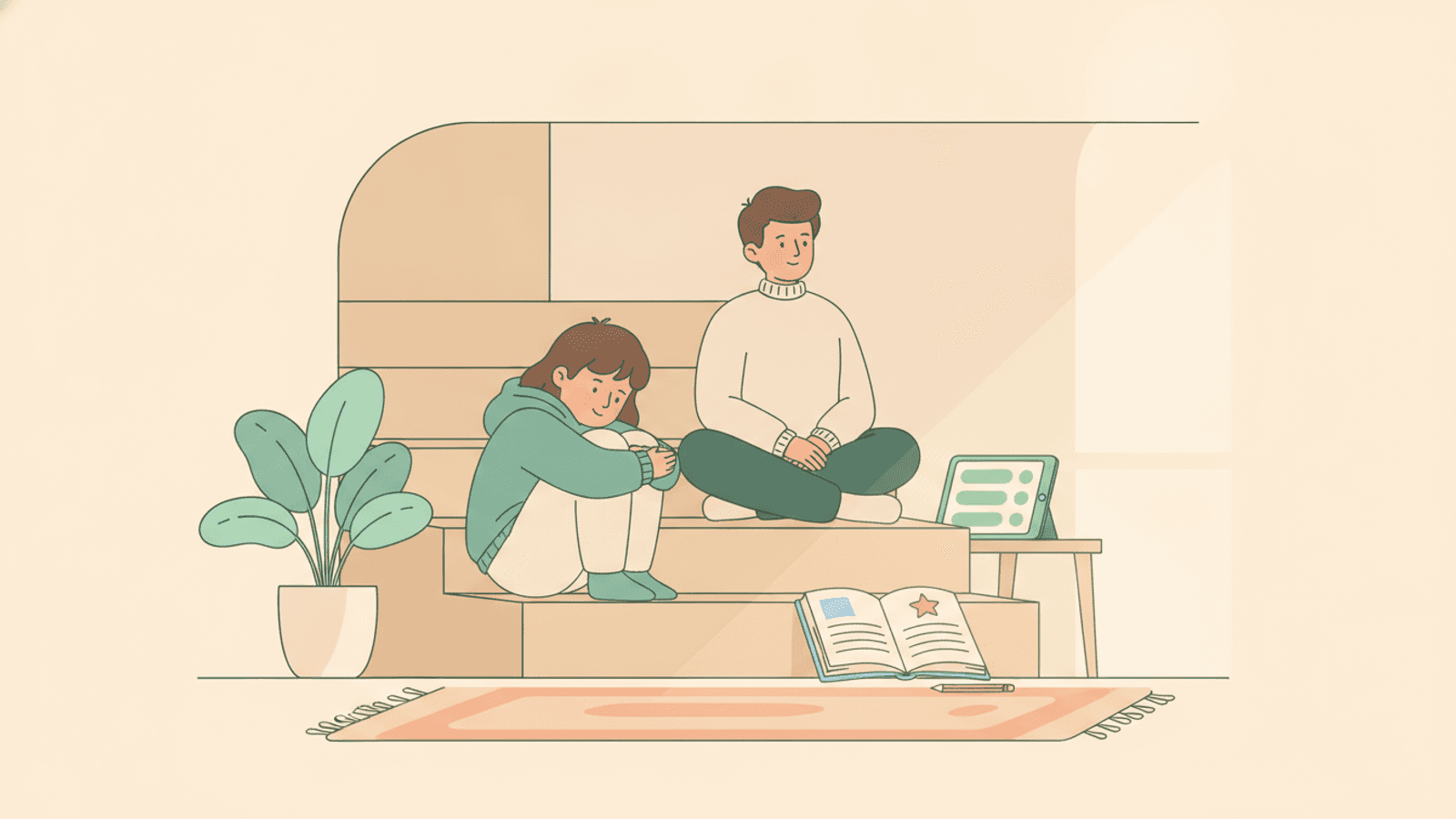
Rejection sensitivity describes an intense, fast and painful reaction to being criticised, corrected, excluded or teased. The reaction is out of proportion to the event, arrives within seconds, and can look either like a total collapse or like sudden rage. Many people with ADHD describe it as one of the hardest parts of the condition, and parents usually notice it long before anyone gives it a name.
A note on the term: rejection sensitive dysphoria, often shortened to RSD, is a descriptive phrase widely used in the ADHD community and by some clinicians. It is not a formal diagnosis in the diagnostic manuals. Emotional dysregulation, however, is a well-recognised feature of ADHD, and it is what most of this describes. This article is general information, not medical advice.
What it looks like
The tell is the mismatch between the size of the trigger and the size of the response, plus how fast it arrives.
- A gentle correction on a maths worksheet ends the whole homework session.
- A friend does not reply to a message, and by the evening the friendship is over in your child’s mind.
- Losing a board game turns into "everyone hates me".
- A joke lands wrong and your child leaves the room, or explodes.
- Your child stops trying at something they used to love, rather than risk being bad at it in public.
- They ask "are you angry with me?" repeatedly, and reassurance does not stick.
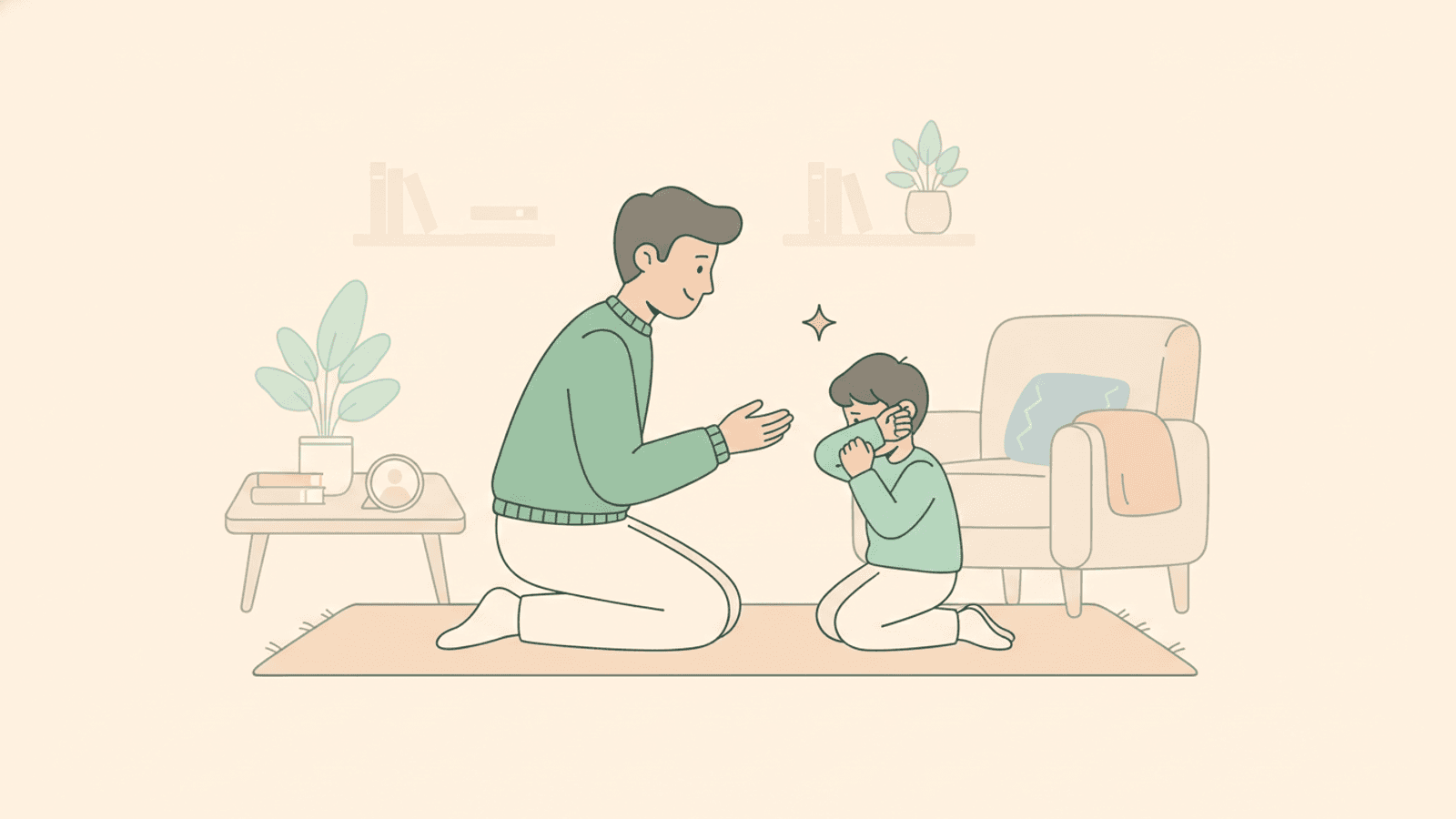
Two different-looking children can have the same underlying pattern. One turns inward and goes silent; the other turns outward and gets loud. Both are reacting to the same felt sense of having been rejected.
What it is not
- It is not manipulation. The reaction is genuinely involuntary and physically painful. Children describe it as being punched.
- It is not simply low self-esteem. Confident children can have it too. It is a reaction speed problem more than a self-worth problem, although years of it will damage self-worth.
- It is not attention-seeking. Most children with it would very much prefer not to react this way, and are ashamed afterwards.
- It is not the same as being over-sensitive in general. It is specifically about perceived rejection, criticism or failure.
In the moment: what helps
The single most common mistake is arguing with the content. "Nobody hates you, that is not true, you are being ridiculous" is factually correct and completely useless, because the feeling arrived before the thinking did.
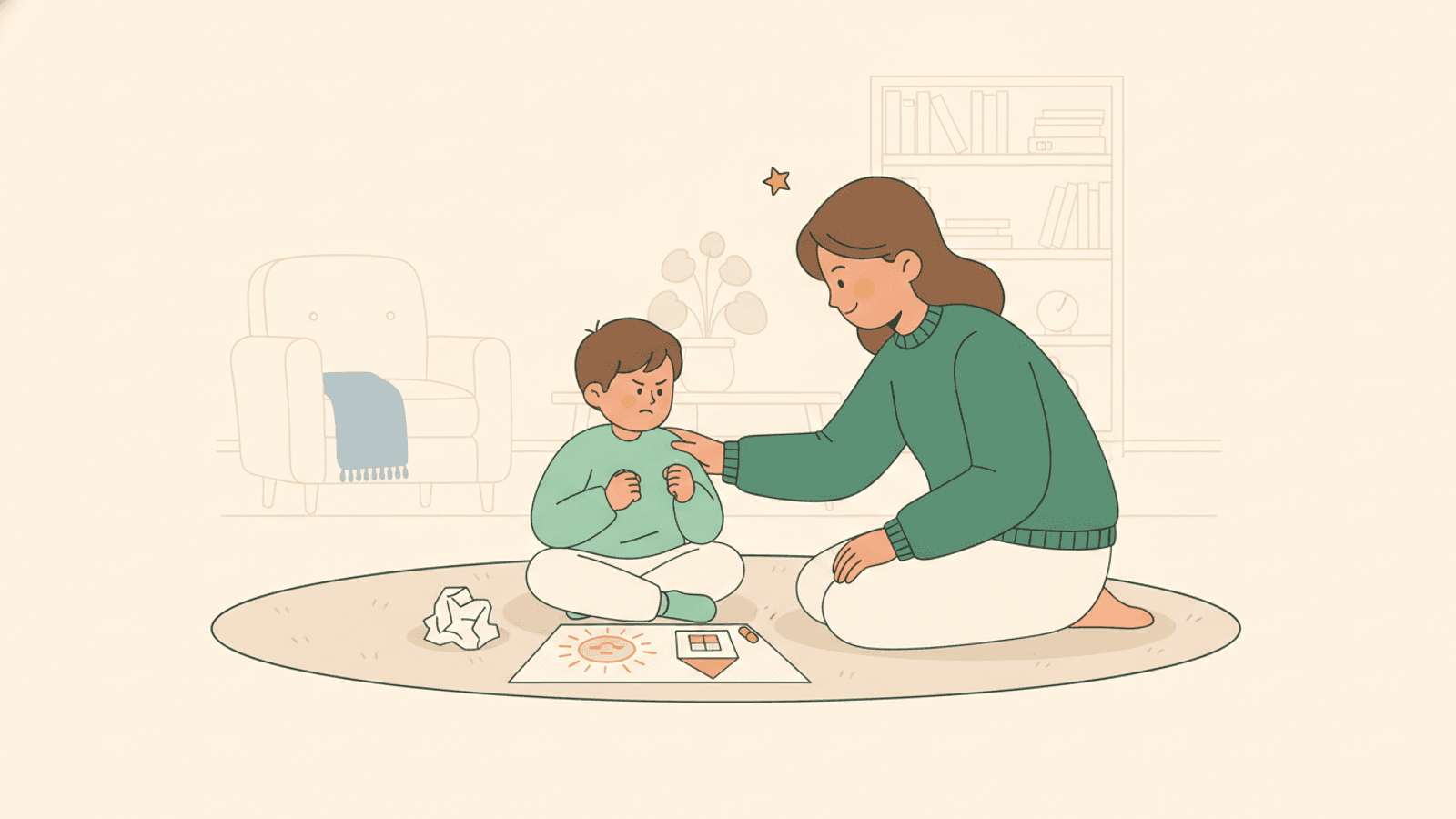
- Name it without minimising. "That felt awful. I can see it." Not "it was only a small thing."
- Say one reassuring thing once. Repeating it turns into a loop where your child asks and you answer, twenty times, and neither of you feels better.
- Drop everything else. Do not try to finish the homework, win the point or make them apologise while the wave is at its peak.
- Reduce the audience. Siblings out, or move to another room. Being observed makes it worse.
- Wait. These waves usually pass in ten to thirty minutes. The job is to keep everyone safe and not add to it.
If the reaction comes out as anger rather than collapse, the same principles apply as in helping your child manage anger: lower your own volume, give space, and hold the conversation until afterwards.
Afterwards, when everyone is calm
This is where the useful work happens, and it should be brief. Reconnect first, then reality-test gently, and only if your child is willing. "What did you think it meant when she said that? Is there another thing it could have meant?" You are teaching an alternative interpretation, not proving them wrong.
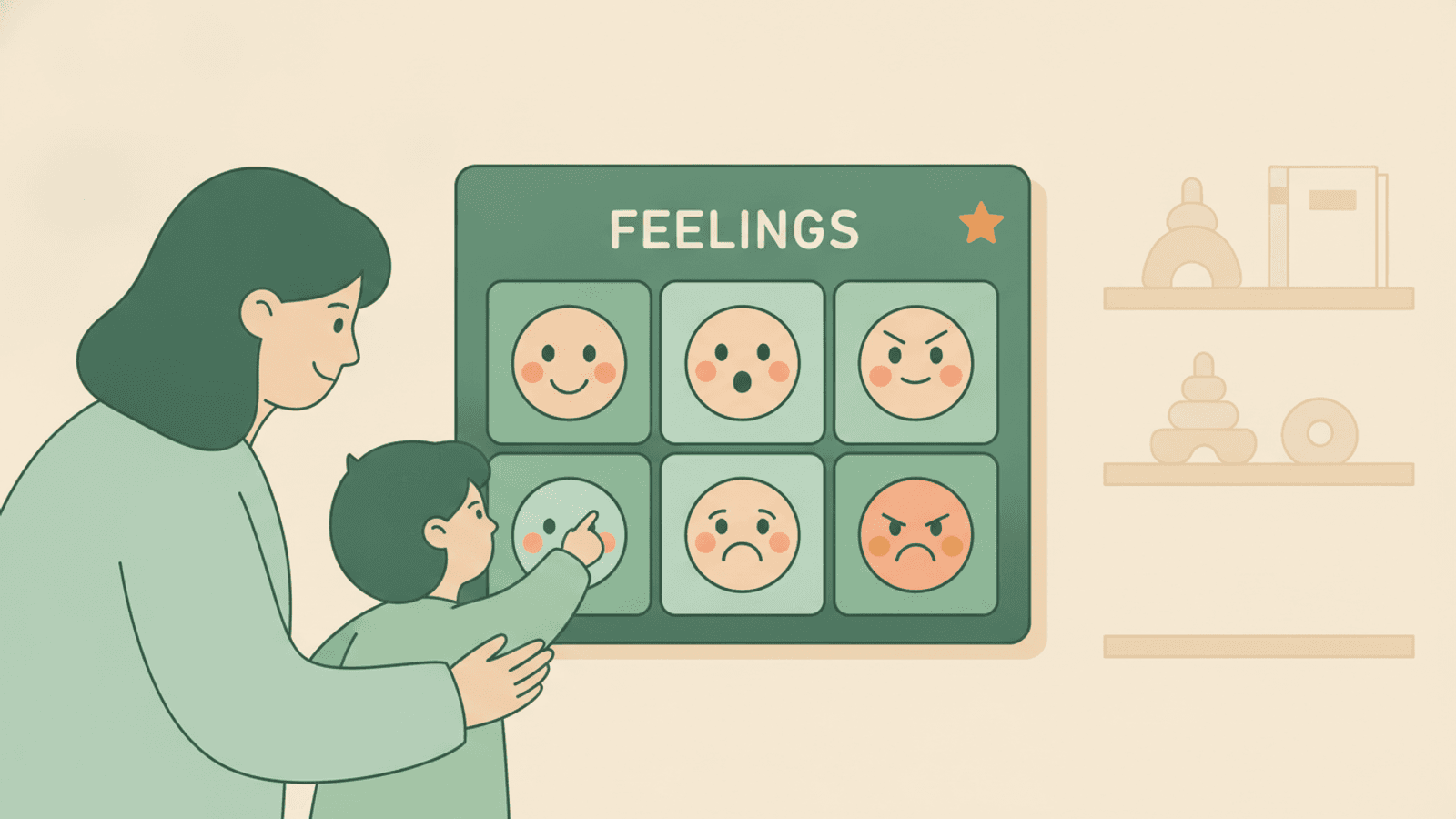
It also helps enormously to give a name to the feeling itself. Children who can say "that was the rejection feeling, it will pass in a bit" have a very different experience from children who simply feel destroyed with no explanation. Building that vocabulary is the long game, and it is covered in building an emotional vocabulary.
How to give feedback to a rejection-sensitive child
You still have to correct things. The delivery is what changes.
- Warn first. "I am going to say one thing about the homework, and it is not a big deal." A predicted correction hurts far less than a surprise one.
- Be specific and short. Correct the thing, not the person: "the third line needs a full stop", not "you are being careless".
- Separate praise from criticism. The classic praise-criticism-praise sandwich teaches a rejection-sensitive child that praise is a warning sign. Give praise on its own, at other times.
- Never in public. Not in front of siblings, not in front of friends, not in the doorway of the classroom.
- Ask before advising. "Do you want help with it, or do you want me to just listen?" is worth asking every time from about age eight.
The avoidance problem
The most damaging long-term effect is not the meltdowns, it is the shrinking. A child who cannot tolerate being bad at something in front of others stops trying new things, drops the sport, refuses to read aloud, or hands in nothing rather than something imperfect. That is the overlap with perfectionism in children, and it needs the same treatment: make the low-stakes version available, praise the attempt rather than the outcome, and let them see adults being visibly mediocre at things without it mattering.
At school
Most classroom feedback is public by design, which is why school is often where this hurts most. Reasonable things to ask for: corrections given quietly rather than across the room, no reading out marks, a warning before feedback, and a way to leave the room briefly without a negotiation. Teachers generally respond well to a short, concrete request, especially if you explain that the child is not being difficult but is reacting to something specific.
The wider set of adjustments that make a school day workable is in visual support and neurodevelopmental differences.
What parents can change about themselves
Two habits are worth examining. The first is the running commentary: a constant low-level stream of corrections through the day adds up to a child who feels perpetually wrong. Pick the ones that matter and let the rest go. The second is your face. Rejection-sensitive children read expressions with unusual speed and low accuracy, so a distracted frown while reading an email gets interpreted as disappointment in them. Saying "this face is about work, not about you" out loud costs nothing.
When to seek help
Speak to your doctor or child health service if the reactions are frequent and severe, if your child is withdrawing from things they used to enjoy, if their mood is low between episodes rather than only during them, or if there is any talk of self-harm or of not wanting to be here. Emotional regulation is a treatable target, and support exists whether or not your child has an ADHD diagnosis. Take specific questions, including anything about medication, to your child’s clinician.
Read more
- Helping your child manage anger — when the reaction comes out as rage.
- Perfectionism in children — the avoidance that grows out of it.
- Building an emotional vocabulary — giving the feeling a name so it can be survived.
Frequently asked questions
What is rejection sensitive dysphoria?
It describes an intense, immediate and painful reaction to criticism, correction, exclusion or perceived rejection. It is widely discussed in relation to ADHD but is not a formal diagnosis in the diagnostic manuals. The underlying emotional dysregulation, however, is a recognised feature of ADHD.
Is my child just being dramatic?
Almost certainly not. The reaction is involuntary, arrives within seconds and is described by children as physically painful. Most children are ashamed of it afterwards, which is the opposite of what you would expect from something being done for effect.
How should I correct my child without setting it off?
Warn before you say it, keep it short and specific to the thing rather than the person, do it privately, and separate praise from criticism rather than sandwiching them. From about age eight, ask whether they want help or just want you to listen.
Does it get better with age?
The intensity often softens as emotional regulation matures through the teens and twenties, and it improves considerably when a child has a name for it and a few reliable strategies. What makes it worse over time is repeated public failure and a childhood of constant correction.
When should we talk to a professional?
If reactions are frequent and severe, if your child is dropping activities to avoid the risk of failing, if their mood stays low between episodes, or if there is any mention of self-harm. Contact your doctor or child health service; this is a treatable area regardless of whether there is an ADHD diagnosis.