Stimming: What It Is and How to Support It
Hand-flapping when excited, rocking when overwhelmed, humming, spinning, repeating a favourite phrase — these are stims, and they are a normal and important part of how many neurodivergent children regulate themselves. Understanding stimming, rather than trying to stop it, makes a huge difference.
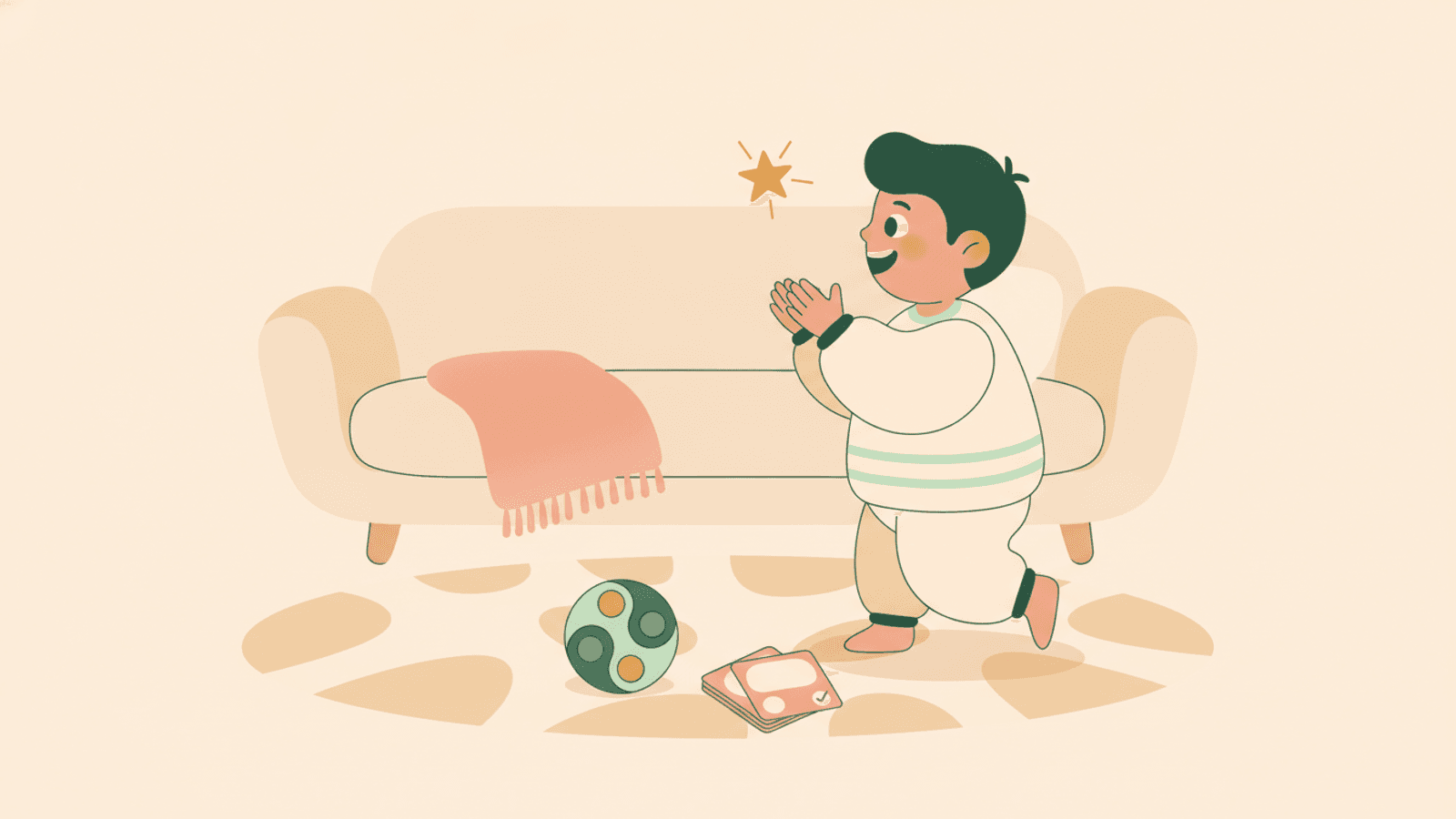
Hand-flapping when excited, rocking back and forth when overwhelmed, humming, spinning, repeating a favourite phrase over and over — these are stims, and they are a normal and important part of how many neurodivergent children regulate themselves. For a long time parents were told to stop them; we now understand that supporting stimming, rather than suppressing it, is far better for a child. Here is what stimming is and how to support it well.
What stimming is
Stimming, or self-stimulatory behaviour, is repetitive movement, sound or action — hand-flapping, rocking, spinning, finger-flicking, humming, bouncing, repeating words or sounds, twirling hair, or lining things up. Everyone stims a little; we tap our feet, twirl pens, bite our nails. For autistic children, and many with ADHD, it is simply more frequent and more visible. It is a natural human behaviour, not a symptom to be eliminated.
Why children stim
Stimming does several important jobs. It helps a child regulate — calming an overwhelmed nervous system, or giving an under-stimulated one the input it needs. It helps with focus and processing. It expresses big feelings, joy and excitement just as much as distress. And it soothes and provides comfort. In short, stimming is a child’s own built-in tool for managing how they feel inside, and most of the time it works very well for them.
Don't try to stop it
The old advice was to suppress stimming so a child would “look normal.” We now understand that this is genuinely harmful. Forcing a child to hold in their stims — a kind of masking — is exhausting, removes a vital coping tool, and tends to increase anxiety and lead to bigger meltdowns later, when the pressure finally releases. Stimming is not a behaviour to be trained out of a child; it is something to be understood and, almost always, simply accepted.
When (and how) to step in
The only stims worth redirecting are ones that actually hurt — head-banging, biting, hitting, hard skin-picking — or that are genuinely unsafe. Even then, the goal is never to stop the underlying need, but to swap the action for a safe one that meets the same need: a chewable necklace instead of biting, a firm cushion to hit, deep pressure instead of head-banging. Never simply block a harmful stim and leave nothing in its place; always offer a safe substitute that gives the same input.
How to support stimming
- Let it happen — at home and in safe spaces, freely and without comment.
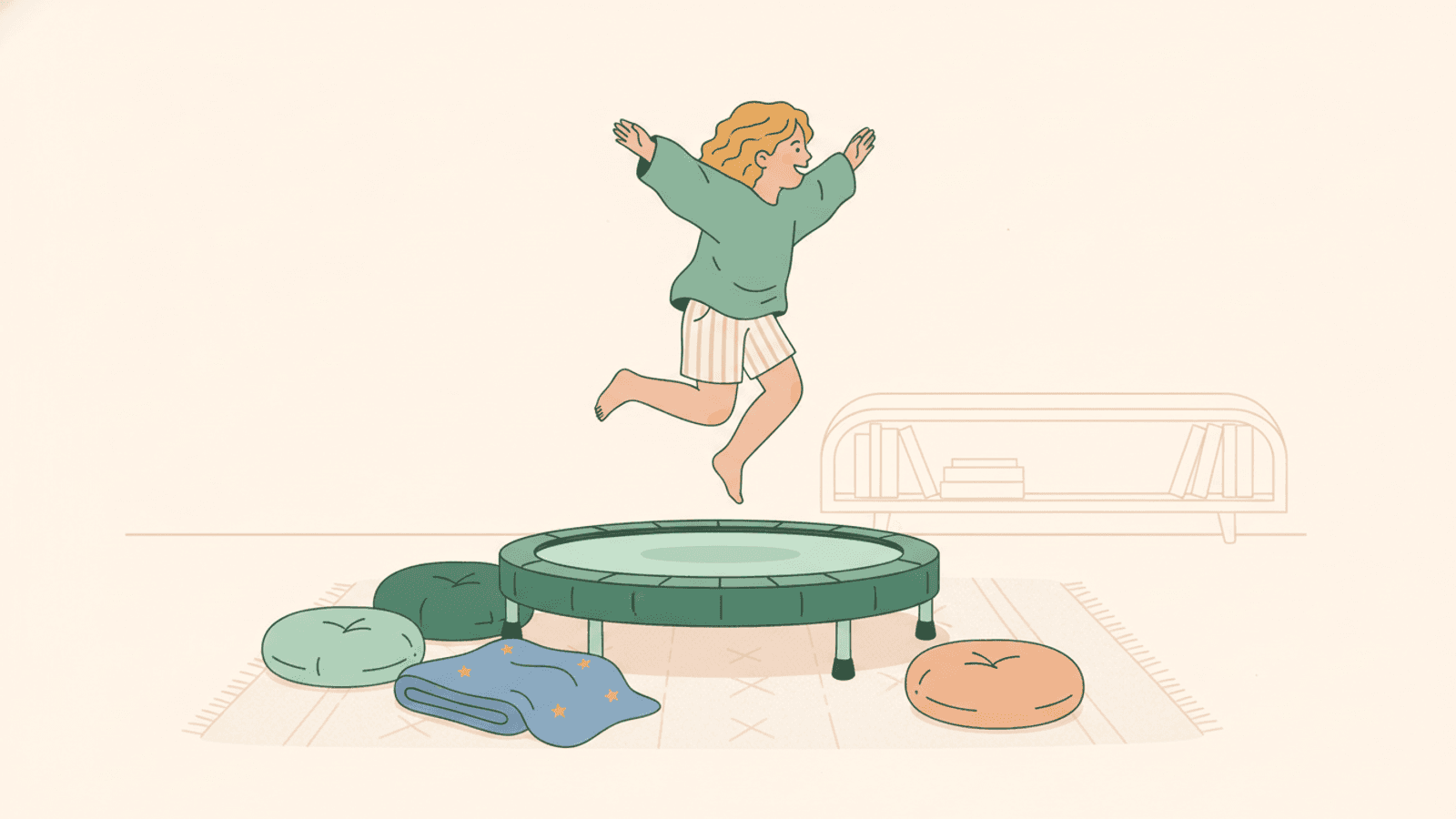
- Provide stim tools if your child likes them — fidgets, chewable jewellery, a spinner, a trampoline.
- Never shame it or tell your child to stop “being weird”; protect their right to self-regulate.
- If you worry about other people’s reactions, focus your energy on educating them, not on changing your child.
Help others understand
People unfamiliar with stimming sometimes react with concern or judgement, and that can be hard. A simple, calm explanation — “that’s how she calms herself down” — usually settles it. Teaching siblings, wider family and school that stimming is helpful and perfectly okay protects your child’s confidence and, just as importantly, protects their continued access to their own coping tools when you are not there.
For children with ADHD too
Stimming is not only an autism thing. Fidgeting, bouncing a leg, doodling, humming and a need for constant movement are all stims that help many children with ADHD focus and stay regulated. The same principle applies across the board: allow it, provide tools, and do not force a child to sit perfectly still at the cost of their attention and comfort. This article is general information, not medical advice.
Read more
Frequently asked questions
What is stimming?
Stimming, short for self-stimulatory behaviour, is repetitive movement, sound or action — like hand-flapping, rocking, spinning, humming or repeating words. Everyone does it a little; for autistic and many ADHD children it is more frequent and visible, and it helps them regulate.
Why does my child flap, rock or spin?
These stims help your child regulate their nervous system, focus, process, and express strong feelings like excitement or distress. They are a natural, useful self-soothing tool, not a problem behaviour, and they usually mean your child is managing how they feel inside.
Should I stop my child from stimming?
No, unless a particular stim is harmful. Suppressing stimming removes a vital coping tool and is exhausting and stressful for a child, often leading to more anxiety and bigger meltdowns. Stimming should be understood and accepted, not trained out.
What do I do if my child's stim is harmful?
For stims that hurt, like head-banging or biting, do not just block them. Offer a safe substitute that meets the same need — a chewable necklace for biting, deep pressure or a firm cushion instead of head-banging — so the underlying need is still met in a safe way.
Is stimming only related to autism?
No. Stimming is most associated with autism but is also very common in ADHD, where fidgeting, leg-bouncing, doodling and humming help with focus and regulation. Everyone stims to some degree; it is simply more frequent and visible in some neurodivergent children.