From Our Bed to Their Own: How to Move a Child to Their Own Bed
Whether co-sleeping was a choice or just how you survived, moving your child to their own bed can feel daunting. Done gradually and kindly, it works — here's a step-by-step way that protects everyone's sleep and your child's sense of security.
Whether co-sleeping was a deliberate choice or simply how your family survived the early years, moving your child into their own bed can feel daunting. The good news: done gradually and kindly, it almost always works. The key is making their own bed appealing, choosing one gentle method, and staying consistent through the inevitable setbacks.
Pick the right moment — then commit
Avoid starting during other big upheavals — a new sibling, a house move, illness or starting daycare. Once you do begin, consistency matters far more than speed: a slower approach you stick to beats a fast one you abandon after three hard nights. Get both parents on the same page first, so the response is the same whoever is on duty.
Make their own bed somewhere they want to be
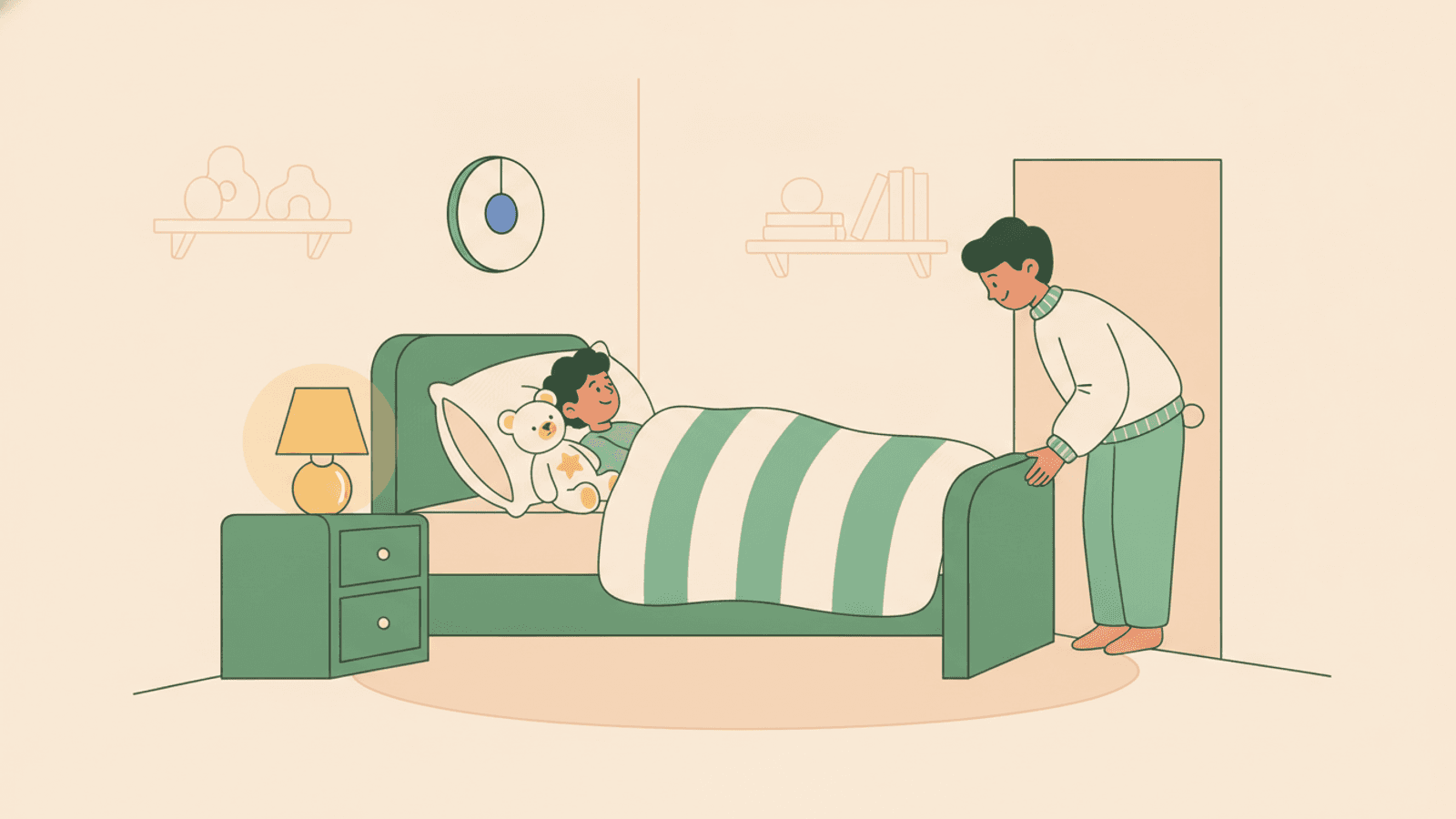
Children move more willingly toward something appealing than away from your bed. Let your child help choose bedding, pick a special soft toy to "guard" the bed, and add a soft nightlight. Spend relaxed, positive time in their room during the day so it feels safe and theirs — not just the place they get sent at night.
Choose one gentle method
There are a few well-tried approaches. Pick the one that fits your child and use it consistently:
- Gradual retreat. Sit beside their bed until they fall asleep, then over a week or two move your chair further away every few nights until you are out of the room.
- Calm returns. Do the bedtime routine, say goodnight and leave; each time they get up, walk them back with very few words and no fuss.
- A morning reward. A simple chart or small reward for staying in their own bed all night can motivate an older child.
When they come back in the night
Expect night-time visits, especially at first. The middle of the night is not the time to negotiate or teach: calmly and quietly, walk your child back each time. For older children, an "ok-to-wake" light or a clear rule — you can come to us when the light turns green — gives them something concrete to wait for instead of padding in at 3 AM.
Keep the bedtime routine strong
A predictable wind-down done in their own room anchors the whole change. Keep the same steps in the same order, ending with lights out in their bed. The more familiar and calming the routine, the safer their own room feels.
For children with ADHD or autism
Separation and change are often harder, so go slower: a more gradual fade, more visual support, and a consistent comfort object all help. If your child is genuinely anxious about sleeping alone, do not force the pace — small steps with lots of reassurance work better than a hard push. This article is general guidance, not medical advice.
Read more
Frequently asked questions
At what age should a child sleep in their own bed?
There is no fixed age — families make this move at very different points, and that is fine. What matters more than the calendar is that you feel ready to be consistent and your child is not in the middle of another big change.
How do I get my child to stay in their own bed?
Make the bed appealing, keep a strong bedtime routine, pick one gentle method — gradual retreat, calm returns, or a morning reward — and apply it consistently. Setbacks are normal; consistency is what carries it through.
What do I do when my child keeps coming into our bed at night?
Calmly walk them back each time with very few words, and avoid negotiating in the night. An "ok-to-wake" light gives older children a clear signal for when they may come to you.
Should I move my child all at once or gradually?
Either can work, but for most families a gradual approach — like fading your presence from the room over a week or two — is gentler and more sustainable, especially for a younger or anxious child.
My child is anxious about sleeping alone — what helps?
Go slowly. A comfort object, a nightlight, positive daytime time in the room, and staying nearby at first while you gradually fade out all help. Reassurance and small steps beat forcing the pace.