Preparing Your Older Child for a New Baby: A Calm Guide
A warm, practical guide to preparing your older child for a new sibling: normal feelings, how and when to tell them, keeping routines stable, protecting one-on-one time, and giving children with ADHD or autism the extra predictability they need.

Preparing your child for a new baby means helping your older child understand what is coming, keeping their world predictable, and reassuring them that their place in the family is safe. Start early, use simple and honest language, involve them in small ways, and protect the daily routines that make them feel secure. Most children adjust well when the change is explained gently and their feelings are welcomed rather than corrected.
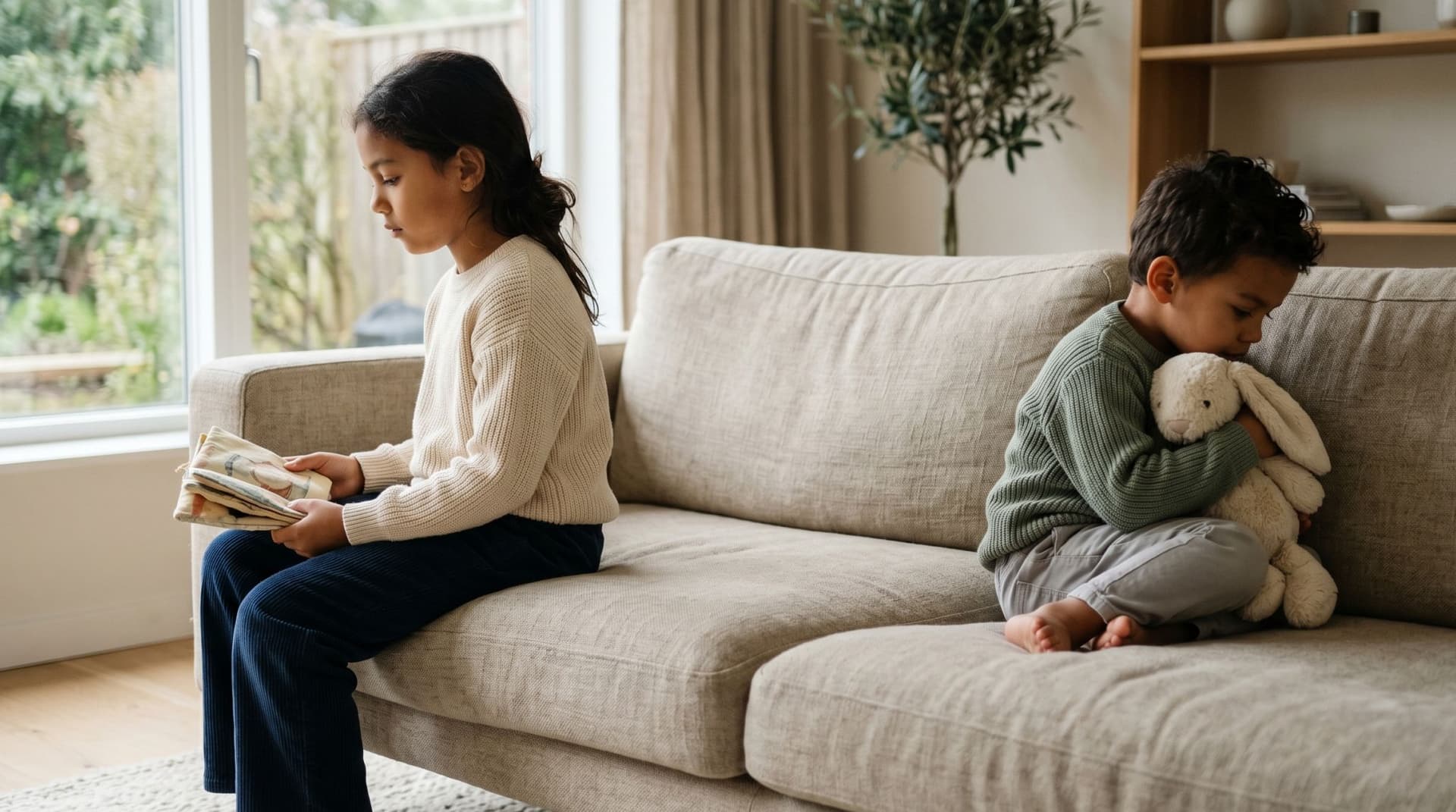
A new sibling is one of the biggest changes a young child will ever experience. It is normal for excitement to sit right next to worry, and for a confident child to suddenly want to be a baby again. Your calm, steady preparation is what carries them through.
What feelings are normal?
Almost every feeling is normal here. Your child may be thrilled one minute and tearful the next, and both reactions are healthy signs that they are processing a big shift.
- Excitement about becoming a big brother or big sister
- Jealousy or worry about sharing your attention
- Some regression, such as wanting a dummy, night waking, or toilet accidents
- Clinginess, testing boundaries, or asking the same questions again and again
Regression is not misbehaviour. It is your child asking, in the only way they can, whether they still matter. The answer is always yes, and it helps to say it out loud.
When and how to tell them
Tell your child once the pregnancy feels settled and you are ready for the news to be shared. Very young children have little sense of time, so linking the arrival to something concrete helps more than a due date.
Try anchoring it to the seasons or a familiar event: "The baby will come when it starts to get cold and we wear our big coats." Keep the language simple, warm, and honest, and leave plenty of room for questions.
Children do not need a perfect explanation. They need a calm one they can trust.
Involve them in getting ready
Feeling useful is the opposite of feeling replaced. Give your child small, real jobs so the new baby becomes something they help welcome rather than something that happens to them.
- Choosing a soft toy or a babygrow for the baby
- Helping to fold tiny clothes or set up a corner of the nursery
- Drawing a picture to put by the cot
- Practising gentle hands on a doll or teddy
Keep their routines stable as an anchor
When one big thing changes, keep everything else the same. Predictable mealtimes, bath times, and bedtimes tell your child that the ground beneath them is solid, even while the family grows.
A visual routine can carry a lot of this weight. When a child can see that breakfast, nursery, dinner, bath, and story still happen in the same order every day, the arrival of a baby feels like an addition to a stable world rather than a disruption of it.
Read books and use social stories
Stories give children words for feelings they cannot yet name. Picture books about new siblings let your child rehearse the experience from a safe distance and open the door to gentle conversations.
A simple social story works well too: a few short pages, in order, showing what will happen. "Mummy goes to hospital. Grandma looks after me. Then the baby comes home." Read it as often as your child asks, which may be many times.
Prepare for the hospital stay and the arrival
The unknown is what worries children most, so make the practical parts concrete in advance. Explain in plain terms who will look after them, where they will sleep, and when they will see you again.
- Name the person who will care for them and, if you can, do a practice sleepover beforehand
- Show them the bag being packed so the hospital is not a mystery
- Reassure them that you will always come back
- Keep a familiar comfort item to hand for the days around the birth
Protect one-on-one time afterwards
After the baby arrives, your older child is watching to see whether they still have you. Small pockets of undivided attention reassure them far more than grand gestures.
Ten unhurried minutes of the game they choose, with your phone away, refills their cup. Naming it helps too: "This is our special time, just you and me." If a partner or grandparent can take the baby so you can give this consistently, even better.
Handle regression gently
If your child slips backwards, meet it with warmth rather than pressure. Pushing hard against regression tends to prolong it, while calm reassurance helps it pass.
Acknowledge the feeling, hold the important boundaries kindly, and offer a grown-up privilege they can feel proud of: staying up five minutes later for a story, or being the one who chooses the bedtime book. The goal is to make being the older child feel good.
Extra preparation for children with ADHD or autism
Children who are autistic or have ADHD often feel change more intensely and need more warning, more repetition, and more visual support. Predictability is not a luxury for these children, it is what keeps their nervous system regulated.
- Introduce the news earlier and revisit it in small, calm doses
- Use a visual timeline showing the sequence: pregnancy, hospital, baby comes home
- Prepare for sensory changes in advance, such as crying, new smells, and a busier house
- Keep sensory anchors and familiar routines as unchanged as possible
- Rehearse the hospital-stay plan with pictures so there are no surprises
A picture-based schedule that shows exactly what happens and in what order can turn an overwhelming change into a series of manageable, expected steps.
How Routined can help
Routined helps families hold routines steady through a big transition. You can build a daily routine in Standard mode with text and checkboxes, or Visual Support mode with big picture cards, using a built-in picture library, AI images, or your own photos so your child sees exactly what comes next.
An optional voice recording per step can play automatically when your child opens it, so a reassuring "You're doing great, next is bath time" is there even when your hands are full with the baby. A quick mood check before and after a routine lets you notice how your older child is coping, and gentle rewards can celebrate the new-big-sibling privileges you introduce.
The takeaway
Preparing your child for a new baby is really about one steady message repeated in a hundred small ways: you are loved, you belong, and your world is safe. Tell them early and honestly, keep their routines predictable, involve them, and protect your one-on-one time. Give a child with ADHD or autism extra warning and clear visual support. Do this, and your older child can meet their new sibling from a place of security rather than fear.
Read more
Frequently asked questions
When should I tell my older child about a new baby?
Tell them once the pregnancy feels settled and you are happy for the news to be shared. Young children have little sense of time, so link the arrival to something concrete, such as a season or event, rather than a due date.
Why is my older child acting like a baby again?
This is regression, and it is normal. A big change can make a child seek reassurance by returning to earlier behaviours. Respond with warmth, keep key boundaries gently, and offer grown-up privileges so being the older child feels good.
How do I reduce jealousy when the new baby arrives?
Protect small pockets of one-on-one time, involve your older child in caring for the baby in age-appropriate ways, and keep their own routines stable. Naming a daily 'special time' just for them reassures them that their place is secure.
How do I prepare a child with ADHD or autism for a new sibling?
Give more warning and repetition, and use a visual timeline showing pregnancy, hospital, and baby coming home. Prepare for sensory changes like crying and a busier house, and keep familiar routines and sensory anchors as unchanged as possible.
Should I keep my child's routine the same after the baby is born?
Yes. Keeping mealtimes, bath times, and bedtimes predictable tells your child the world is still safe while the family grows. A visual routine helps the new baby feel like an addition to a stable day rather than a disruption.