Supporting the Sibling of a Neurodivergent Child
The brother or sister of a child with ADHD or autism can quietly feel overlooked. Here is how to notice the glass sibling, welcome their feelings, and know when to seek support.

The sibling of a neurodivergent child is a brother or sister who grows up alongside a child with ADHD, autism or another developmental difference, and whose own needs can quietly slip into the background. These siblings are often loving, capable and remarkably understanding. They can also feel overlooked, torn between love and frustration, and unsure whether their own feelings are allowed to take up space. This article is general information, not medical advice, and it aims to help you notice and support that child with warmth rather than worry.
If you have recognised this pattern in your own family, you are not doing anything wrong. When one child needs a great deal of attention, the other can end up carrying more than we realise. The good news is that small, deliberate changes make a real difference.
The invisible or glass sibling
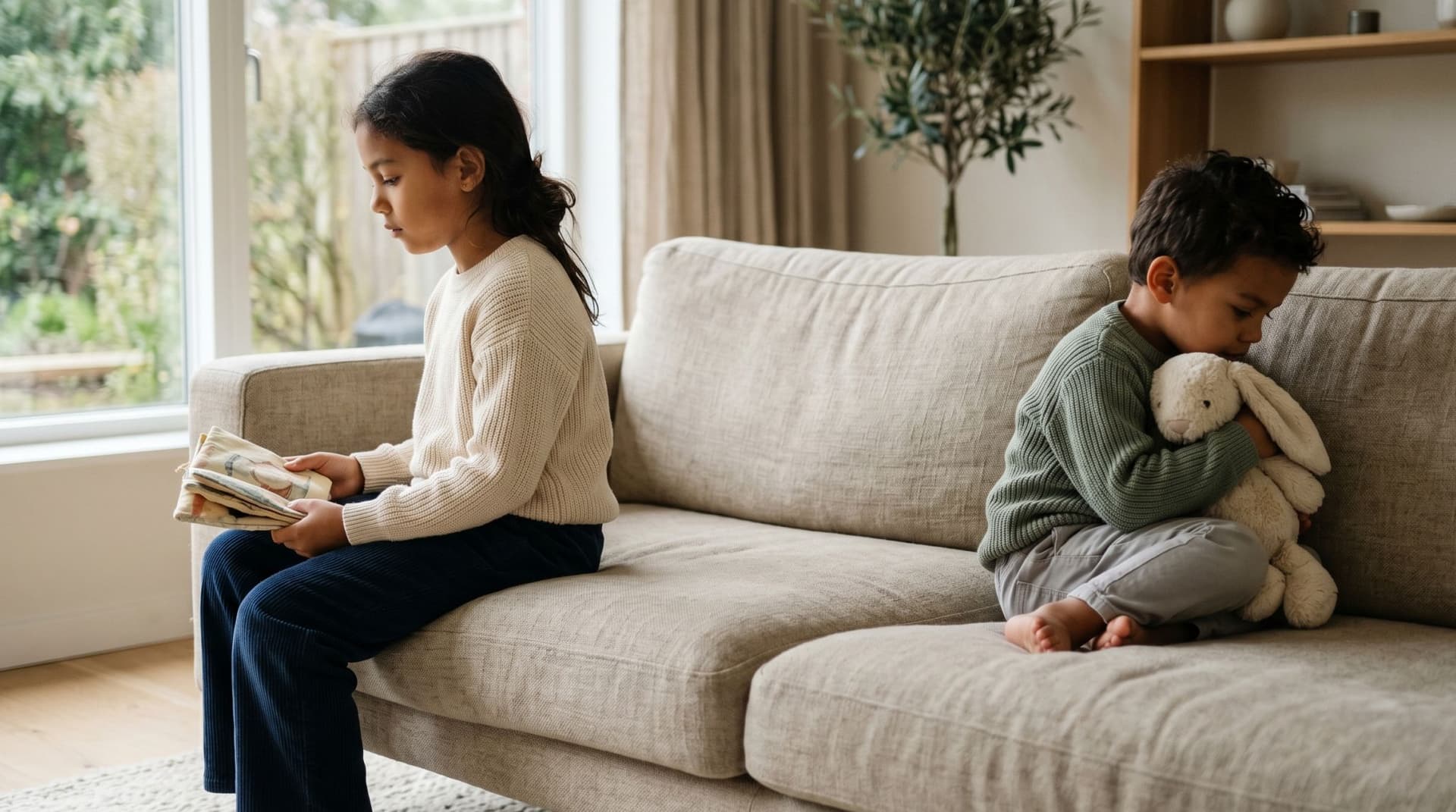
Practitioners sometimes talk about the glass child: a sibling who seems so easy and self-sufficient that adults look straight through them to the child who needs more. They rarely cause problems. They tidy up, wait patiently, and reassure you that they are fine.
Being easy is not the same as being untroubled. A child who never asks for anything may simply have learned that their needs come last. Part of supporting the sibling of a neurodivergent child is learning to see the one who has become very good at not being seen.
Common feelings siblings carry
There is no single sibling experience, and many children feel proud, close and protective of their brother or sister. Alongside that, some difficult feelings are extremely common and completely normal.
- Less attention: a sense that time, energy and praise flow mostly towards their sibling.
- Resentment mixed with guilt: frustration at the situation, followed by shame for feeling it at all.
- Over-responsibility: acting older than their age, helping constantly, or trying to keep the peace.
- Embarrassment: worry about how their sibling behaves in front of friends, and then guilt about that worry.
- Confusion: not fully understanding why the rules seem different for each child.
Naming these feelings out loud, as things many siblings feel, can be a relief in itself. A child who hears that resentment and love can live side by side worries far less about being a bad person.
Why it happens
This is rarely about parenting quality or favouritism. It happens because attention is finite. When one child's needs are urgent, visible and time-consuming, they naturally pull the household's focus, and the calmer child becomes the one who can wait.
Over months and years, a lot of small moments add up: the trip cut short, the conversation interrupted, the plan changed at the last minute. Each is understandable on its own. Together, they can leave a sibling feeling like a supporting character in the family story.
How to help the sibling of a neurodivergent child
You do not need to overhaul your family life. A handful of steady habits tends to matter more than any grand gesture.
Protect one-on-one time
Regular, predictable time with just you is one of the most powerful things you can offer. It does not need to be long or expensive. Ten uninterrupted minutes at bedtime, a short weekly walk, or a shared task in the kitchen tells a child they matter for who they are, not for how little trouble they cause.
Explain that fair is not always equal
Children have a sharp sense of fairness, and different rules can feel unjust. It helps to explain, in age-appropriate words, that fair means everyone getting what they need, and that needs differ. A useful image is that if one person needs glasses to read, giving everyone glasses would not be fair, it would just be equal.
Let them have their own feelings
Resist the urge to correct feelings like anger or jealousy. A child who is told off for feeling frustrated learns to hide it, not to lose it. Try simply acknowledging: it makes sense that you felt left out today. Feelings that are welcomed tend to soften; feelings that are forbidden tend to grow.
Do not over-burden them
It is fine, even good, for siblings to help sometimes. The line to watch is when helping becomes their identity or their job. Let them be a child first and a helper second. Avoid making them a routine carer, a translator of their sibling's behaviour, or the one responsible for keeping everyone calm.
Give them their own space and interests
Every child benefits from something that is theirs alone: a hobby, a club, a friendship, a corner of the home that is off-limits to siblings. These separate spaces protect their sense of self and give them a place where family stress does not follow.
Connect them with peers
Many children feel like the only one living their particular life. Sibling support groups, whether in person or online and age-appropriate, can be quietly transformative. Meeting others who understand, without needing to explain, reduces isolation and normalises the mixed feelings they carry.
Watching for silent struggling
Because these siblings often hide distress, it helps to know what quiet struggling can look like. None of these signs is proof of a problem, but a cluster that persists is worth gentle attention.
- Becoming withdrawn, or unusually perfect and eager to please.
- Physical complaints like stomach aches or headaches with no clear cause.
- Trouble sleeping, or new worries and clinginess.
- Reluctance to bring friends home, or to talk about their sibling.
- A drop in mood, motivation or interest in things they used to enjoy.
You know your child best. If your instinct says something is off beneath the calm surface, that instinct is worth trusting and following up on.
When to seek support
Everyday ups and downs usually respond to time, attention and open conversation. Consider reaching out to a professional if difficult feelings are intense, last for weeks, or start to affect sleep, school, friendships or daily functioning.
A GP, school counsellor, psychologist or family support service can help. Asking for guidance is not a sign that anything has gone wrong; it is a sensible step, just as you would seek advice for any part of your family's wellbeing. This article is general information and not a substitute for individual professional advice.
How Routined can help
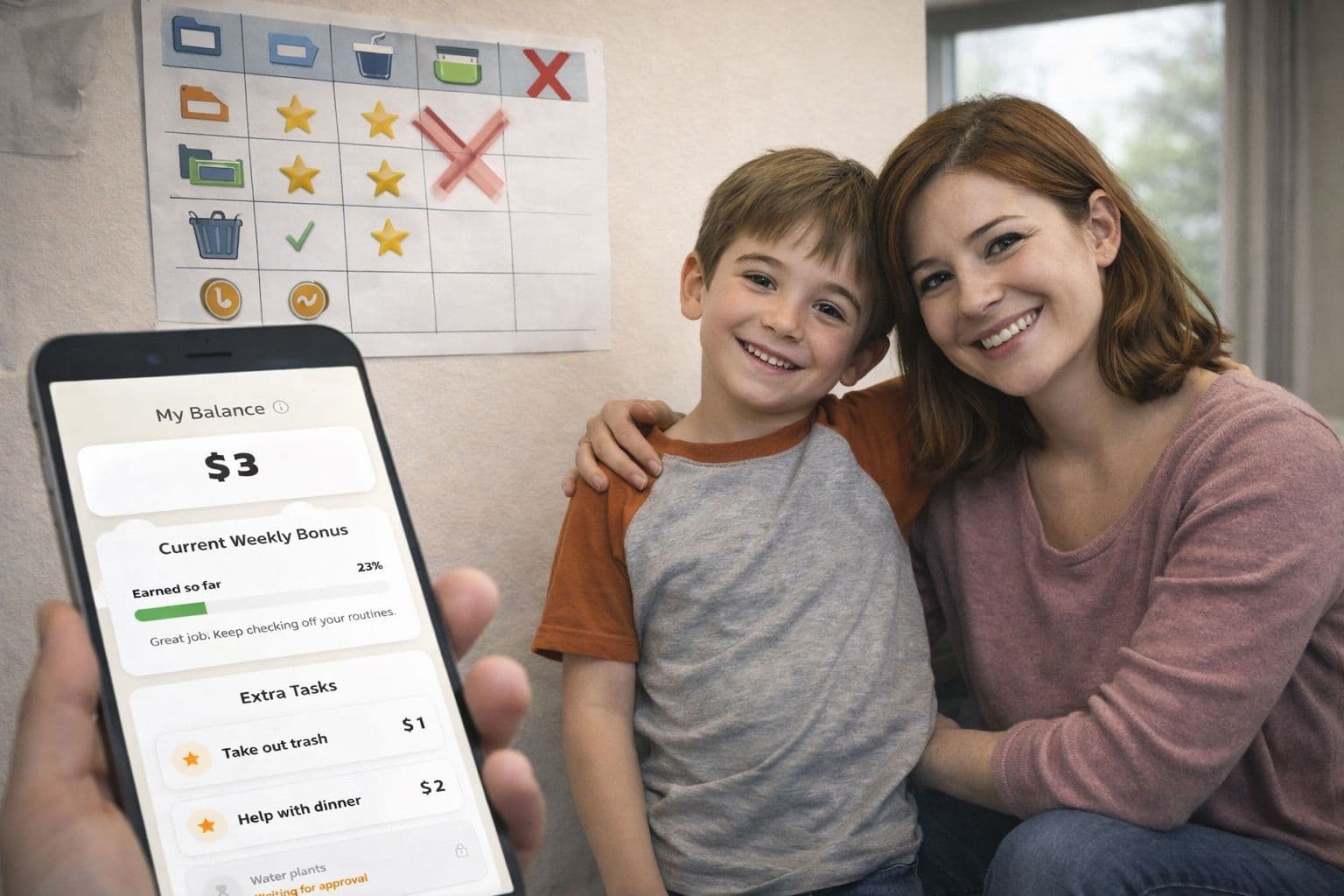
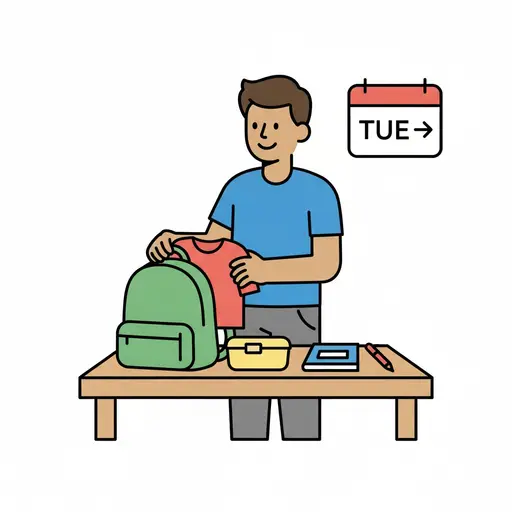
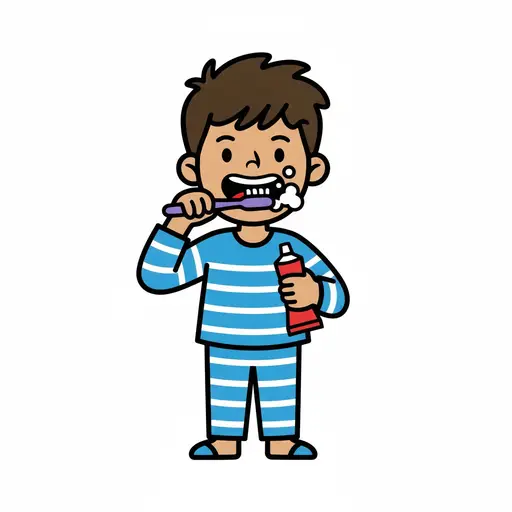
Some of the strain siblings feel comes from unpredictability and from a parent who is stretched thin. A calmer, more predictable daily rhythm gives back time and reduces flashpoints for the whole family. Routined helps families build daily routines with two display modes, standard text and checkboxes or Visual Support with big picture cards, plus optional per-step timers and a before-and-after mood check. When routines run more smoothly for the child who needs more structure, there is often a little more space and patience left over for everyone else, including the sibling who has been waiting quietly.
The takeaway
Supporting a sibling is not about splitting your attention perfectly, which no parent can do. It is about making sure that child is truly seen, that their feelings are welcome, and that they carry no more than a child should. Small, consistent moments of connection, honest conversations about fairness, and permission to have their own life and feelings will carry them a long way. And when the calm surface hides something harder, reaching out for support is a caring, ordinary thing to do.
Read more
Frequently asked questions
What is a glass child?
A glass child is a sibling of a child with high needs who seems so easy and self-sufficient that adults look straight through them. They rarely cause problems, but being easy is not the same as being untroubled, and their own needs can quietly go unmet.
Is it normal for siblings to feel resentment towards a neurodivergent brother or sister?
Yes. Resentment, jealousy and frustration are very common, and they often sit right alongside love and pride. Letting a child know these mixed feelings are normal, rather than something to be ashamed of, usually helps them settle.
How do I explain to my child why the rules seem different?
Use the idea that fair is not always equal: fair means everyone getting what they need, and needs differ. A simple image, such as one person needing glasses to read, helps younger children understand why some things look unequal but are actually fair.
How can I give a sibling more attention when time is so limited?
Small, predictable one-on-one moments matter more than length. Ten uninterrupted minutes at bedtime or a short weekly outing tells a child they matter for who they are. A calmer, more predictable family routine can also free up time and patience.
When should I seek professional support for a sibling?
Consider reaching out if difficult feelings are intense, last for weeks, or start to affect sleep, school, friendships or daily life. A GP, school counsellor or family support service can help. This is general information, not medical advice.