Swing
The rocking motion feels wonderful to many children, yet for others a knot of worry sits in the stomach until the speed becomes familiar. The steps below break swinging into small, calm parts you can go through together.
 ♀
♀Swinging
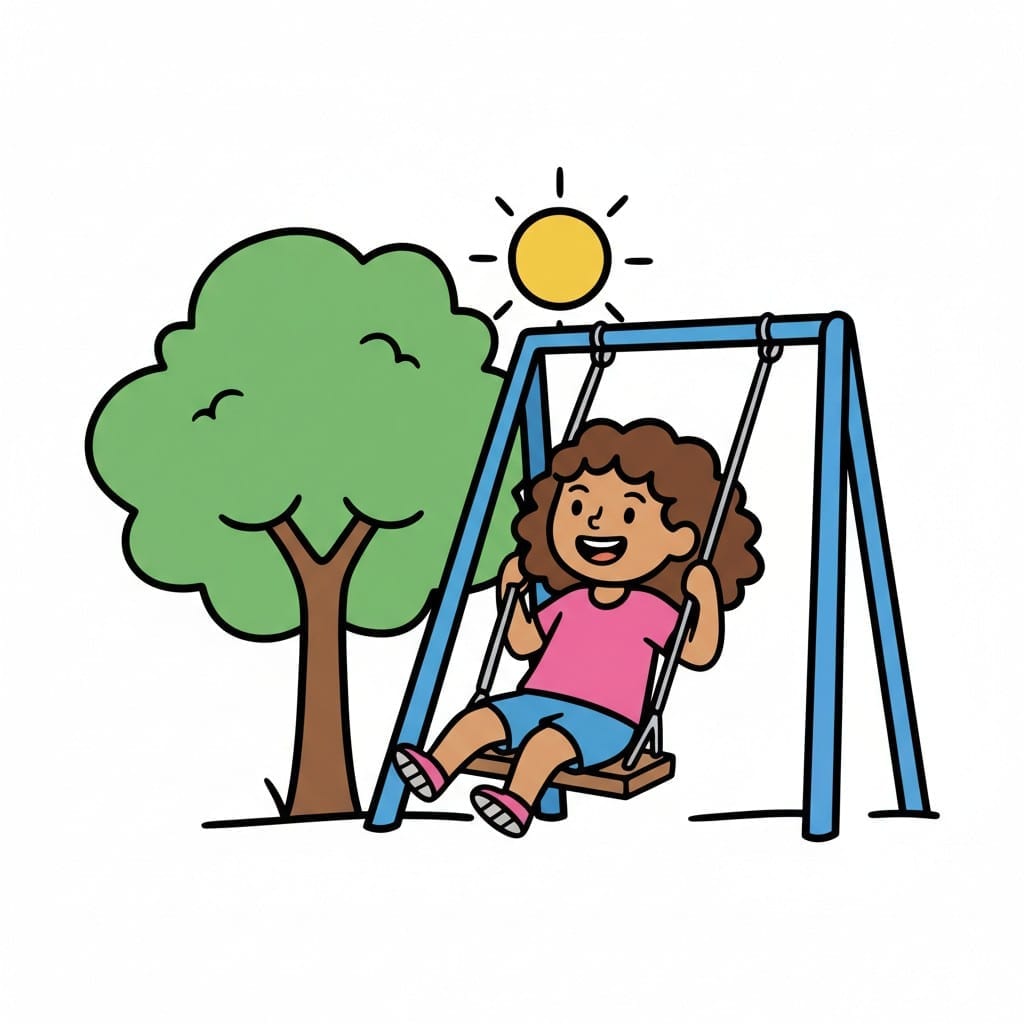
A girl swings happily on a swing.
About this visual support
Forward, back, forward again. Swinging gives the body a kind of movement that many children come back to over and over, almost like a hunger for the sway. For other children that same feeling, together with the height and the speed, is exactly what makes them hang back and watch from the side.
When swinging becomes a row of pictures, it gets clear what the body is meant to do: sit down, hold the chains, kick for speed and lean back. A child who wants plenty of motion gets a way to ask for more, and a cautious child sees that they decide how high they go. Nobody has to guess what the next step is.
One concrete trick is to count the swings out loud and agree on a stopping number before you start, so the end never arrives as a surprise. If the child wants help at first, you can push gently from behind and then ease off until they find their own rhythm with their legs. With Routined you can gather the pictures into a small playground routine and add a timer that shows how long the swinging lasts.
Use this image in a schedule
Build your own visual schedule with this image and download it as a print-ready PDF. Completely free.

More similar visual supports

Afternoon playtime
A happy girl runs and plays with a ball outdoors in front of a playground.
Play at Playground
A happy boy stands at a playground with swings, a climbing frame and a climbing ...
Playground
A girl sits on a swing between a red slide and a climbing frame.
Active play
A girl jumps with a basketball in a playground with a slide and swings.

Do activities
A happy girl with arms raised surrounded by a ball, a star and a paintbrush, rea...
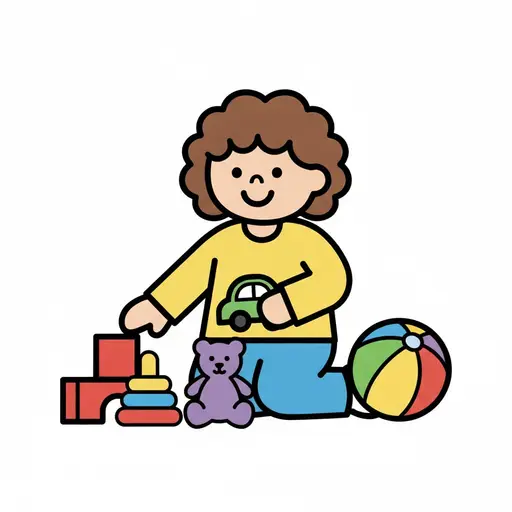
Free play
A girl plays with blocks, a car, a teddy and a ball.

Have fun
A child stands with arms up smiling, with a heart and a happy sun above.
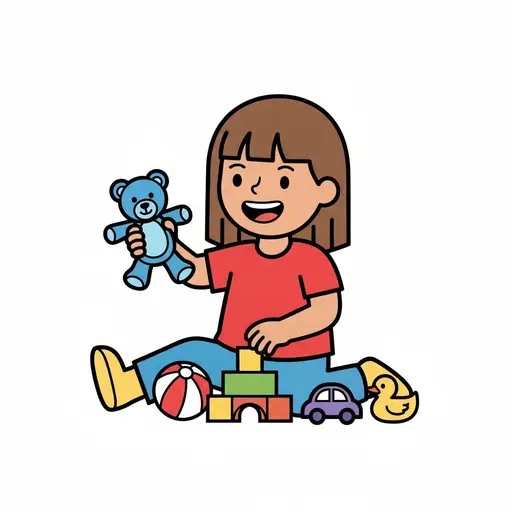
Leisure time
A girl sits on the floor with a teddy, blocks, a ball and a car.
Take the visual supports with you
In Routined you build schedules from these pictures, add timers and voice instructions, and your child follows the day on their own.


* 14-day free trial, then $2.39 a month or $20.99 a year (US pricing). Cancel anytime.