Taxi Bus
A taxi bus decides for itself when it picks up and which way it goes, and handing the controls to someone else is not always easy. The visual support makes the ride understandable. See the steps below.
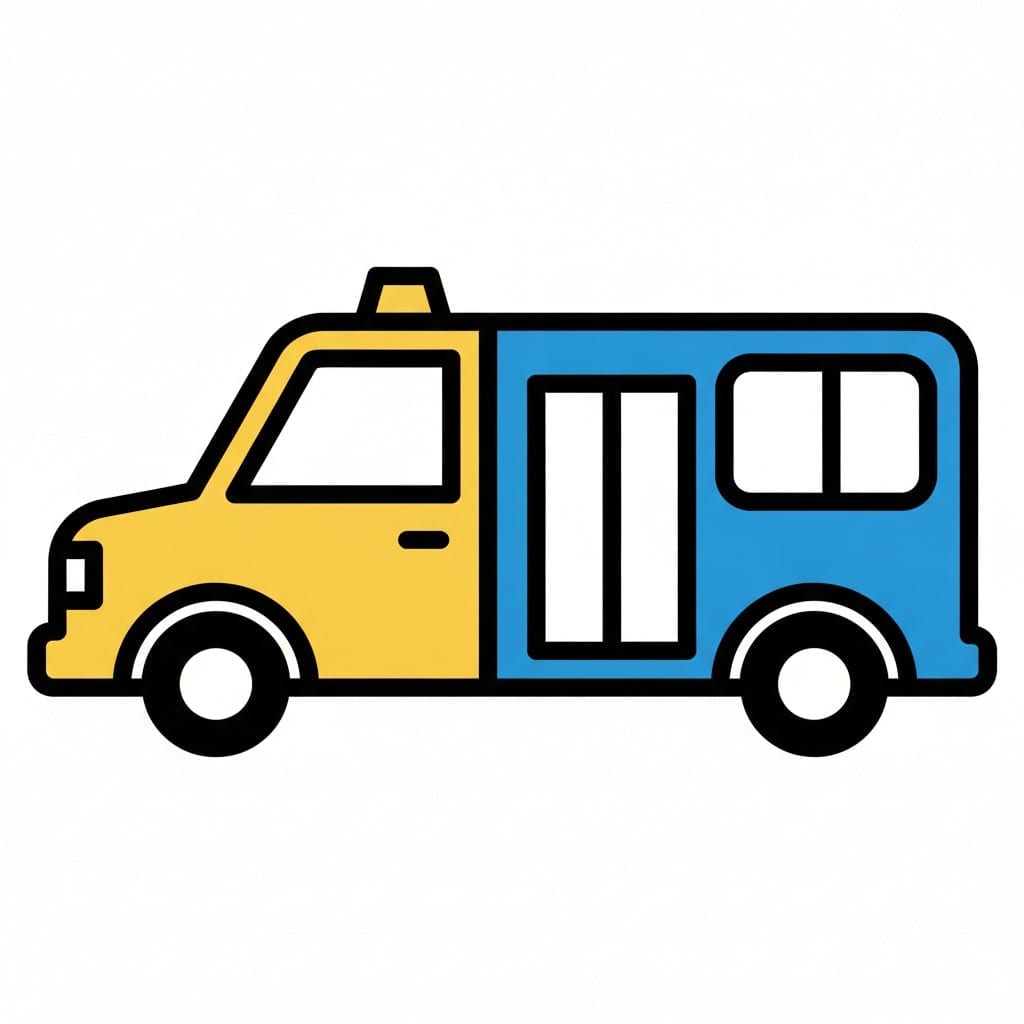
Taxi bus
A yellow and blue minibus used as a taxi bus.
About this visual support
In a taxi bus, you are not the one in charge. The bus arrives when it arrives, it may pick someone else up first, and the way it takes is not the one you would have chosen. For a child who likes to know what will happen, that sense of having no say can be hard.
With visual support, what lies outside your child's control becomes at least visible and predictable. When the pictures show wait for the bus, get on, sit in your seat, ride along and get off, your child sees that there is an order even though they are not steering it themselves. Knowing the bus might stop to pick up more people, and that the route has several stops, makes the unexpected moments less confusing, because they were on the picture from the start.
One concrete tip: add the waiting and any extra stops as their own pictures, so they do not come as surprises. When your child sees in advance that the bus may break the journey along the way, each stop becomes part of the plan rather than a sign something went wrong. For children who get frustrated by not having control, that knowledge can be calming. If you want to prepare the whole bus ride beforehand, you can build it in the Routined app.
Use this image in a schedule
Build your own visual schedule with this image and download it as a print-ready PDF. Completely free.

More similar visual supports
Car ride home
A girl waves from a car with an arrow pointing toward a house.
Ride the bus
A girl with a backpack rides in a yellow bus holding a pole.

Taxi
A yellow taxi seen from the side with a taxi sign on the roof.

Airplane
A blue cartoon airplane flying to the right.

Airport
An airport with a control tower and terminal buildings with an airplane above.
Go by Car
A red car with an arrow showing that it is about to drive off.
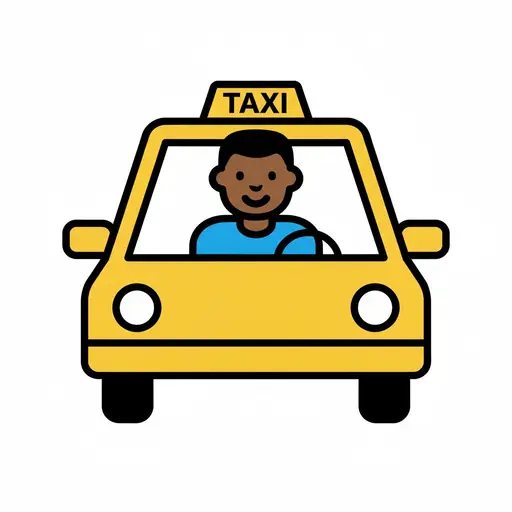
Ride a Taxi
A boy sits in a yellow taxi seen from the front.
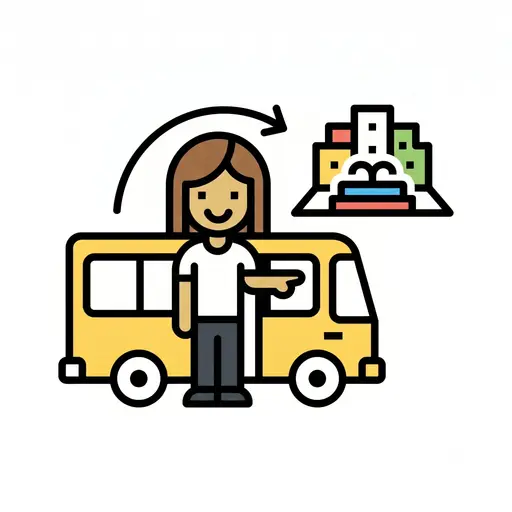
Ride Bus to the Plaza
A girl rides a yellow bus with an arrow pointing to a plaza with buildings.
Take the visual supports with you
In Routined you build schedules from these pictures, add timers and voice instructions, and your child follows the day on their own.


* 14-day free trial included for new users.