Potty Training Step by Step: A Calm, Practical Guide
A warm, low-pressure guide to potty training step by step, from spotting the signs of readiness to handling accidents without shame and adding gentle visual support.
Potty training step by step means following your child's readiness rather than the calendar: you watch for the signs that their body and mind are ready, gather a few simple bits of gear, pick a relaxed week, and then build a gentle, repeatable routine of regular toilet sits with lots of praise for trying. There is no single right age and no race to win. The calmest approach is usually the one that works best.
This article is general guidance for parents, not medical advice. Every child is different, and if you have concerns about your child's development, constipation, or bladder and bowel health, do speak to a health visitor, GP, or paediatrician.
Look for signs of readiness, not a fixed age
Most children show signs of readiness somewhere between two and three and a half years, but plenty are ready earlier or later. Age matters far less than the cluster of small signals that tell you your child's body and brain are catching up with the idea.
Common signs of readiness include:
- Staying dry for longer stretches, around an hour and a half to two hours
- Noticing when they are wet or dirty, or telling you afterwards
- Showing interest in the toilet, or in what family members do there
- Being able to follow simple instructions and pull clothes up and down
- Hiding to poo, or going quiet and still in a corner
- Having fairly predictable, formed bowel movements
You do not need every sign at once. A few appearing together is usually enough to suggest it is worth starting gently.
Gather the gear before you begin
You do not need much, and a little preparation removes a lot of stress on the day. Having everything ready means you are not scrambling while your child waits.
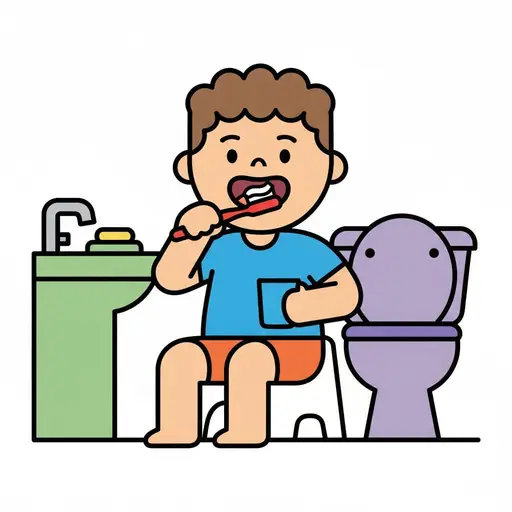
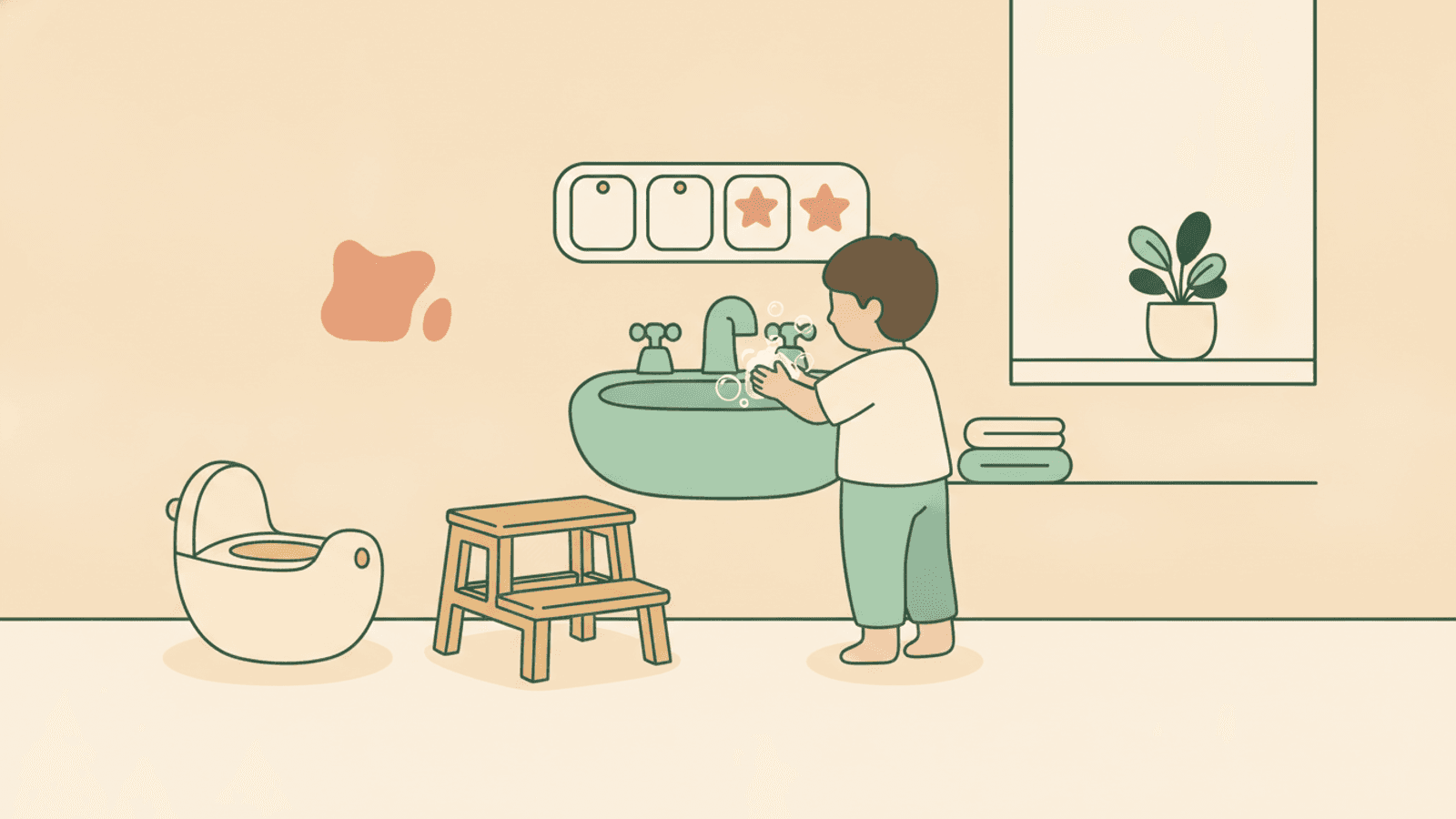
- A potty, a toilet trainer seat, or both, so your child can choose what feels safe
- A small step stool for climbing up and for steady feet while sitting
- Several pairs of easy-to-pull cotton pants or training pants
- Loose trousers or leggings with no fiddly buttons or zips
- Plenty of spare clothes and a waterproof mat for the car seat or bed
- Wipes, hand soap, and a towel your child can reach
Let your child help choose the potty or the pants. A small sense of ownership makes the whole thing feel less like something happening to them.
Pick a low-pressure window
Choose a stretch of a few days when life is calmer than usual, ideally when you can be at home more and follow your child's rhythm. Avoid starting in the middle of big changes such as a house move, a new sibling, starting nursery, or a family illness.
Warm weather can help, because fewer layers mean quicker trips and easier washing. But do not wait forever for perfect conditions. A reasonably settled ordinary week is plenty.
The basic steps of potty training, one at a time
Once you have decided to start, keep the actual method simple and consistent. Children learn this skill through gentle repetition, not pressure.
Offer regular, relaxed sits
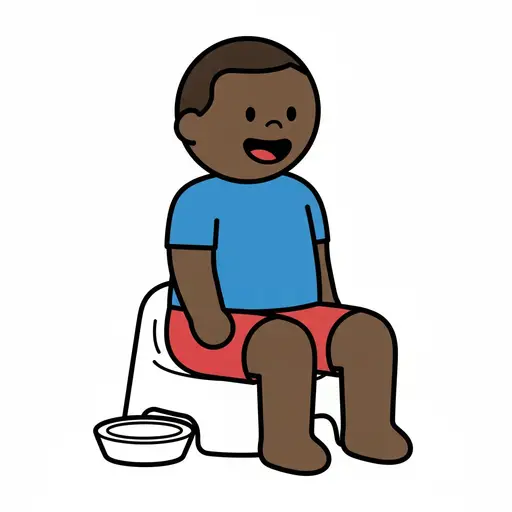
Invite your child to sit on the potty at natural moments: after waking, after meals, before the bath, and before leaving the house. Keep it light and brief. If nothing happens after a minute or two, that is completely fine, and you simply try again later.
Make clothes easy to manage
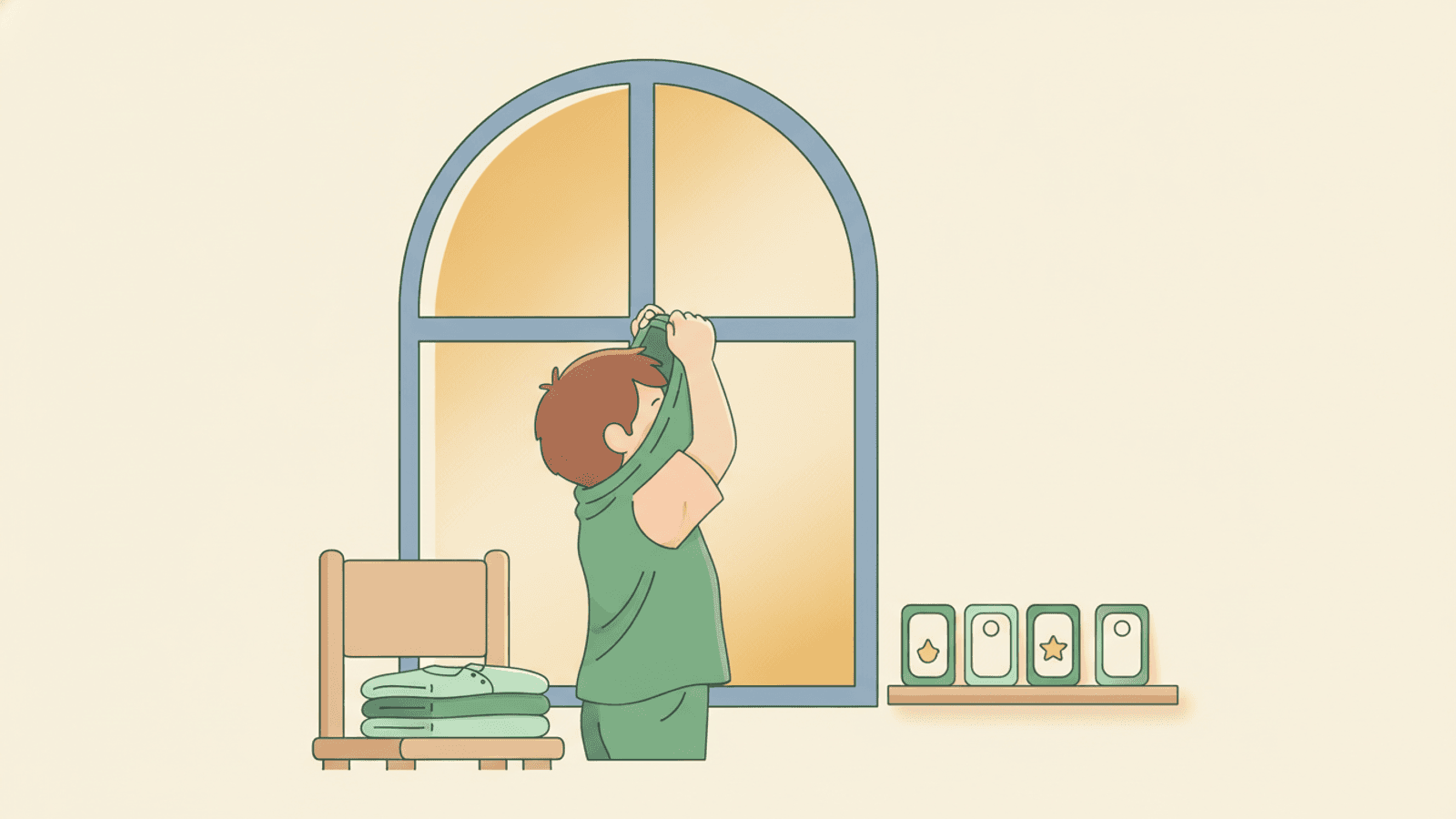
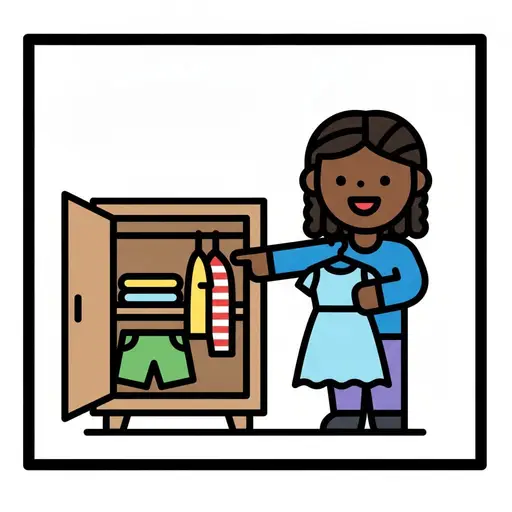
Dress your child in things they can pull down themselves. The fewer barriers between the urge and the potty, the fewer accidents you will see. This also builds independence, which children tend to love.
Praise the process, not just the result
Notice and warmly praise the trying: sitting down, telling you, getting to the bathroom in time. Praising effort rather than only successful catches keeps your child motivated on the days when the body does not quite cooperate.
Handle accidents without shame
Accidents are not setbacks. They are a normal, expected part of learning, and every child has plenty of them. How you respond shapes how safe your child feels about trying again.
Keep your tone calm and matter-of-fact. Something like "Oops, wee goes in the potty. Let's get you dry" is all that is needed. Avoid frustration, punishment, or big reactions, which can make a child anxious and actually slow progress. Change clothes together without fuss and carry on with your day.
You are not aiming for a perfect week. You are helping a small person learn a completely new skill, at their own pace, feeling safe the whole time.
Use a visual routine and small rewards for trying
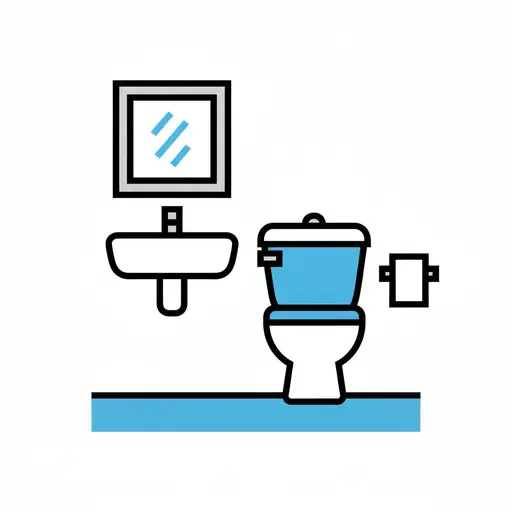
Young children, and especially those who find transitions tricky, do well when they can see what happens next. A simple picture sequence for the bathroom, such as pull down trousers, sit, wipe, flush, wash hands, turns an abstract task into a clear, predictable path.
Small, immediate rewards for trying can add gentle motivation. A sticker chart, a high five, or a special song works well. Keep rewards tied to effort, keep them small, and expect to fade them out naturally as the skill becomes ordinary.
How Routined can help
If a picture sequence sounds useful, Routined lets you build a bathroom routine in Visual Support mode, with a big picture card for each step from a built-in library, an AI image, or your own photo. You can add an optional voice recording that plays when your child opens a step, a gentle countdown timer, and small rewards such as points shown as stars for having a try. It is one calm place to keep the routine everyone follows the same way.
Night dryness comes later, on its own
Daytime and night-time dryness are two separate milestones, and night dryness usually arrives months or even years after your child is reliably dry in the day. It depends on a hormone that reduces night-time urine and on the bladder growing, both of which happen on their own timeline.
There is no need to rush this. Keep using nappies or pull-ups at night for as long as they are needed, and simply notice when the morning nappy starts coming off dry. Regular dry nights are your signal to try without one, not a target to push for.
When to pause and try again in a few weeks
If potty training becomes a daily battle, if your child is distressed or withholding, or if there is very little progress after a couple of weeks of gentle effort, it is perfectly fine to pause. Stopping is not failing. It often means your child simply was not quite ready yet.
Go back to nappies without drama, wait a few weeks, and try again when things feel calmer. Children who take a break and restart later often learn quickly, because the readiness has arrived in the meantime. If you notice pain, straining, constipation, or a sudden loss of a skill your child already had, check in with a health professional.
Sensory and neurodivergent notes
For children with ADHD, autism, or sensory differences, readiness often comes later, and that is completely normal. It helps to hold the timeline loosely and to focus on comfort and predictability rather than age.
The bathroom itself can be a lot to process: the echo of the room, the cold seat, the loud flush, the feeling of clothes off, the sensation of letting go. Small adjustments can make a real difference.
- Let your child flush later, or flush yourself once they have left, if the noise is upsetting
- Try a padded or warmer seat, and a stool so their feet are firmly supported
- Keep the same routine, words, and order every single time
- Use extra visual support and a clear step-by-step sequence they can follow
- Give more time, more repetition, and more patience, without comparing to other children
If your child has additional needs, an occupational therapist, health visitor, or your paediatric team can offer tailored strategies. There is no shame in asking for support, and it often speeds things up.
The takeaway
Potty training step by step is really just readiness, a little gear, a calm window, regular relaxed sits, and warm praise for trying, all held together by patience. Accidents are part of it, night dryness looks after itself, and pausing is always allowed. Follow your child rather than the calendar, keep the mood light, and this ordinary milestone will arrive in its own good time.
Read more
Frequently asked questions
What is the best age to start potty training step by step?
There is no single right age. Most children show readiness between about two and three and a half years, but the signs matter far more than the number. Look for staying dry longer, noticing when they are wet, showing interest in the toilet, and being able to pull clothes up and down.
How long does potty training usually take?
It varies widely. Some children grasp daytime dryness in a few days, while many take several weeks or months of gentle practice. Accidents are normal throughout, and there is no need to compare your child's pace to anyone else's.
How should I handle potty training accidents?
Stay calm and matter-of-fact. A simple "Oops, let's get you dry" is enough. Avoid punishment or frustration, which can make a child anxious and slow progress. Change clothes together without fuss and carry on with your day.
Should I potty train for night-time at the same time?
No. Night dryness is a separate milestone that usually comes months or years after daytime dryness, because it depends on hormones and bladder growth that develop on their own timeline. Keep using nappies at night until they are regularly dry in the morning.
Is potty training different for autistic or ADHD children?
Readiness often comes later, which is completely normal. Sensory aspects of the bathroom, such as the flush, the cold seat, or the feeling of letting go, can be harder, so extra visual support, a consistent routine, and small adjustments help. An occupational therapist or your health team can offer tailored strategies.