Screens in Restaurants and Waiting Rooms: A Balanced Approach
Handing over a phone in a cafe or clinic isn't a failure, but it shouldn't be automatic either. Here's a balanced, practical way to think about screens while children learn to wait.
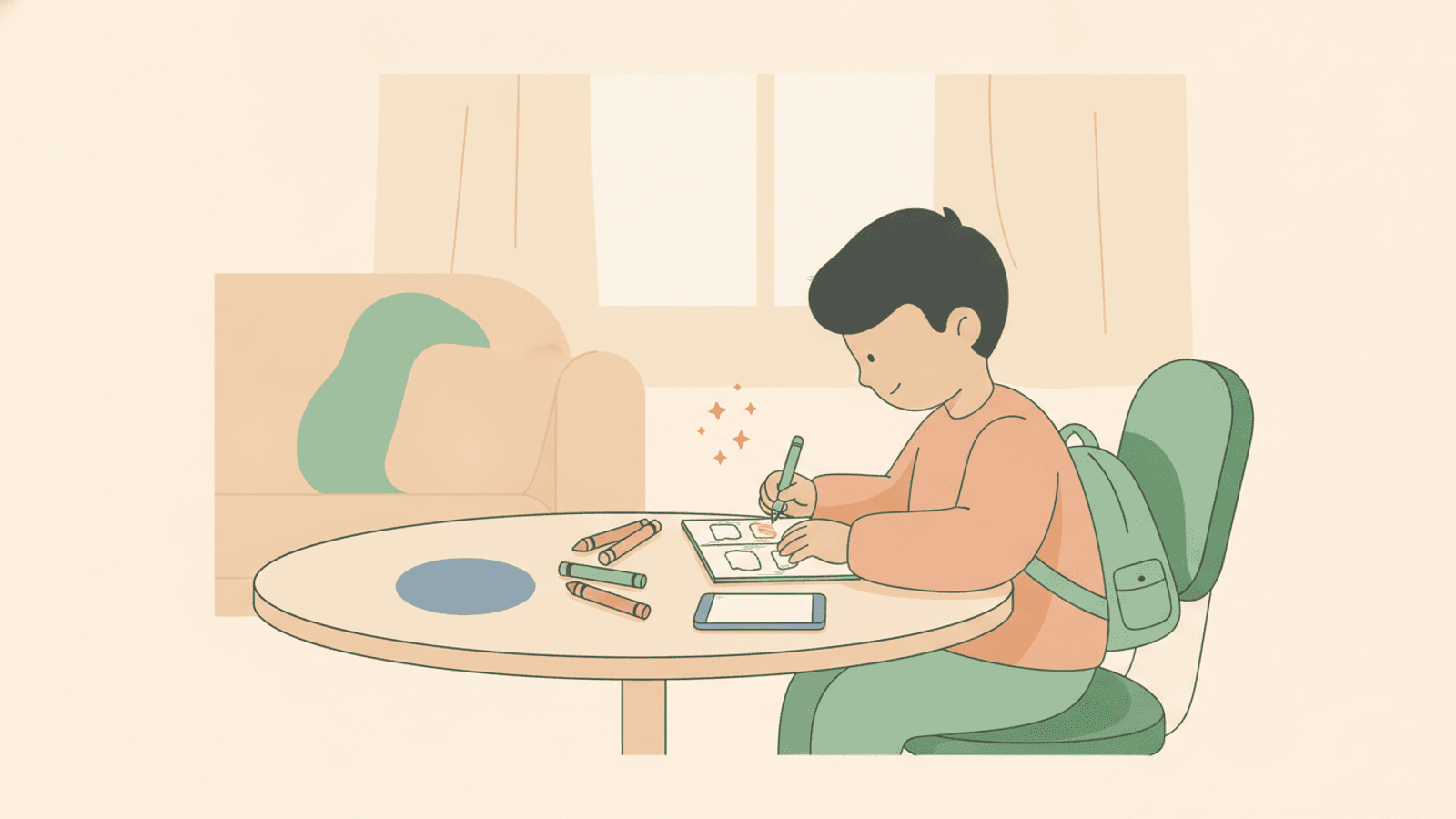
A balanced approach to screens in restaurants and waiting rooms means using a device on purpose, for a good reason, rather than reaching for it out of habit the moment your child looks restless. Sometimes a screen genuinely rescues a hard moment. But if it is always the first move, children never get to practise the everyday skill of waiting. The aim is not zero screens, it is intentional screens.
If you have ever felt judged for handing over a phone at a cafe table, take a breath. You are not doing something wrong. You are making a real-time decision with limited energy, often while also trying to eat, pay or fill in a form. This guide is here to make those decisions calmer and more deliberate, not to add guilt to an already stretchy moment.
Why screens in restaurants and waiting rooms are sometimes the right call
There are moments when a screen is simply the kind thing to do. A long medical wait with no clear end. A delayed flight. A sensory environment that is loud, bright and overwhelming, where your child is already close to their limit. In those situations, a familiar show or game can be a genuine anchor that helps everyone stay regulated.
Used this way, a device is a tool, not a treat and not a failure. The key is that you chose it because it fit the situation, not because you defaulted to it before trying anything else.
The hidden cost of always reaching for a screen
The problem is not the screen itself. It is what gets skipped when the screen appears instantly, every time. Waiting is a learned skill. So is tolerating a bit of boredom, noticing your surroundings, and sitting with the mild discomfort of nothing-to-do. Children build those muscles only by using them.
If a device arrives the second a child fidgets, they never get the small, low-stakes reps that teach patience. Later, when a screen genuinely isn't available, waiting can feel unbearable because it was never practised. A balanced approach protects those practice opportunities on ordinary days so the screen stays available for the days that really need it.
Build a small non-screen boredom kit
The easiest way to make room for screen-free waiting is to have something else ready. A little pouch or tin that lives in your bag turns an empty ten minutes into a manageable one. Keep it small, keep it interesting, and rotate the contents so it doesn't get stale.
Ideas that travel well:
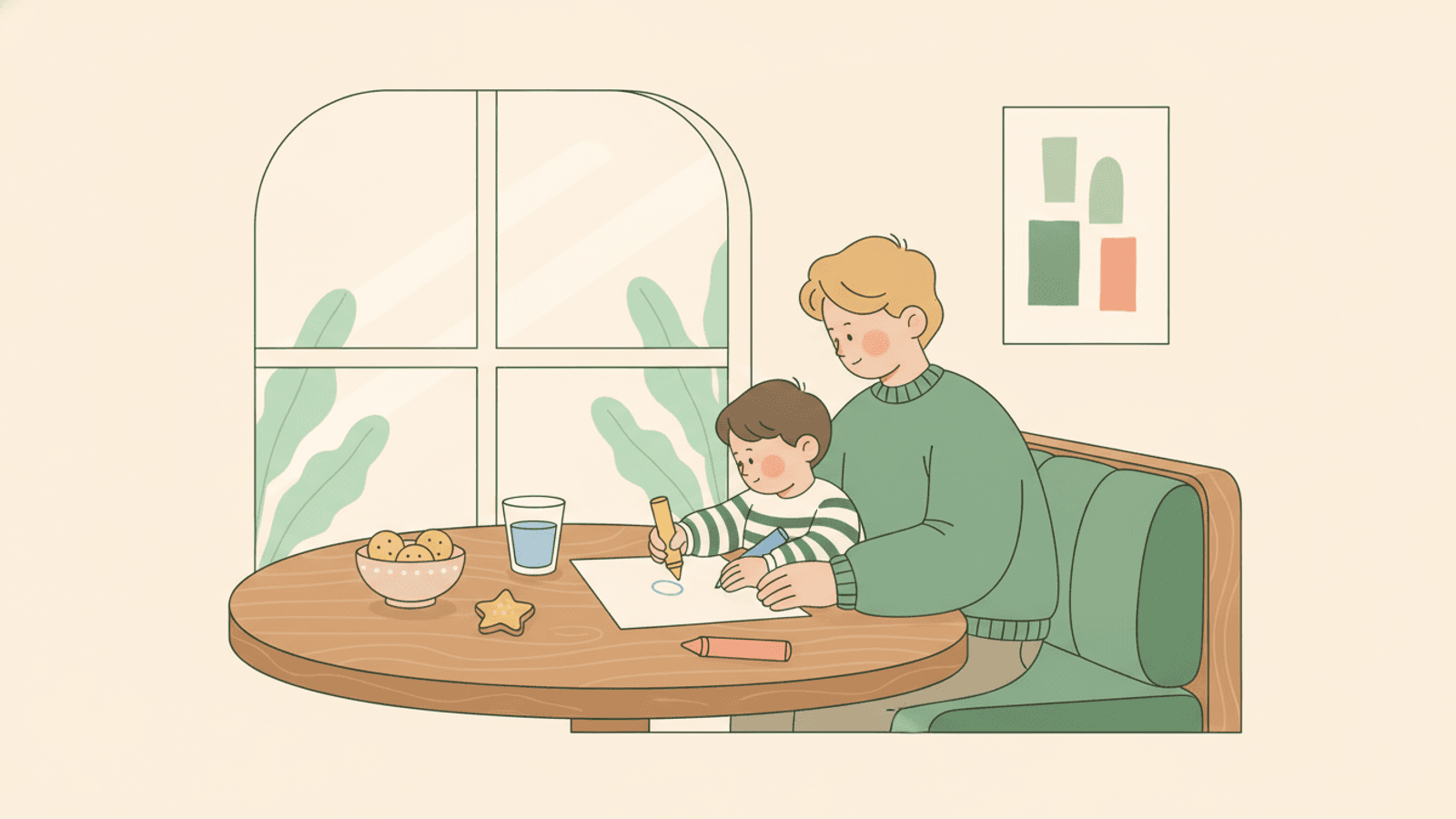
- A few sticker sheets or a mini colouring pad and a couple of pens
- A small fidget item or a piece of putty
- A tiny pack of cards or a travel puzzle
- A folded sheet of quick games: noughts and crosses, dot-to-dot, spot-the-difference
- A pipe cleaner or two for quiet hands
- A short 'I spy' or 'find something red' challenge you can run with no props at all
The kit does not have to entertain for an hour. It just has to bridge the gap so the first response to waiting isn't automatically a screen.
Teach waiting skills in low-stakes moments
Waiting is much easier to learn when the stakes are low and nobody is already melting down. Practise in the gentle gaps of ordinary life: the two minutes for toast to pop, the queue at the shop, the short wait for a sibling to put shoes on.
A few simple ways to build the skill:
- Name it out loud: 'We're waiting for the food now. Waiting is a bit boring, and we can do it.'
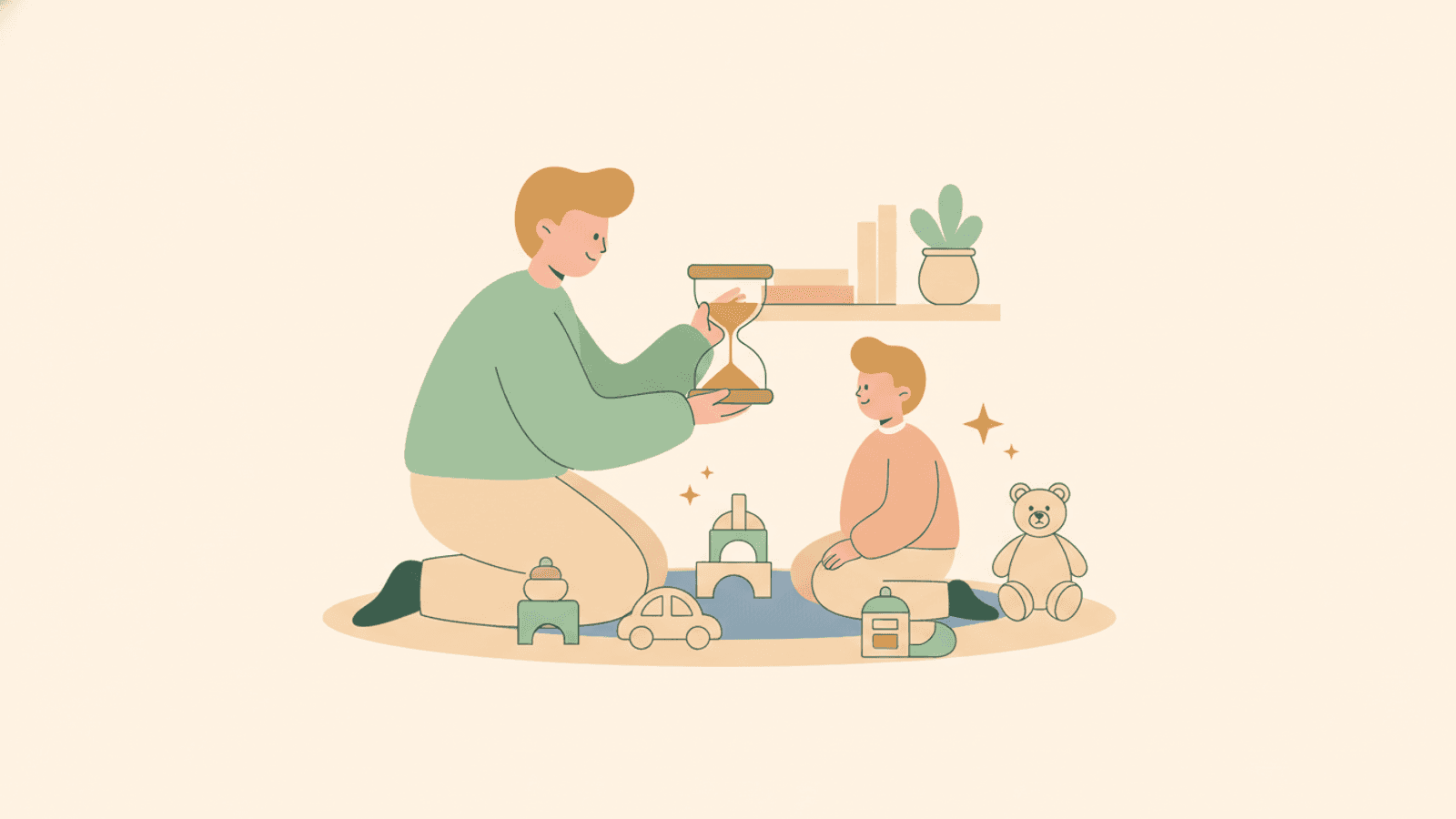
- Give the wait a shape with a visible timer so 'a while' becomes a concrete amount of time
- Offer a small job: choosing what everyone drinks, spotting when the waiter comes back, holding the receipt
- Praise the waiting itself afterwards, not just the silence: 'You waited for the whole meal, that was hard.'
Start with waits your child can already almost manage, then stretch the time slowly. Success builds tolerance far better than a long wait that ends in tears.
Use the screen intentionally, not automatically
When you do decide a screen is the right choice, make it a decision rather than a reflex. A useful habit is a quick internal check: is this a genuinely hard wait, or am I just reaching for the easiest option because I'm tired? Both answers are allowed. The point is that you noticed.
It also helps to frame the screen as part of the plan rather than a surrender. 'We'll try the sticker book first, and if the wait gets really long we'll watch one episode' gives your child a predictable sequence and keeps the device as a considered step, not a first resort.
Forewarn the end
However the screen time started, always signal that it is coming to a close before you take the device away. A sudden 'right, that's enough' almost guarantees a hard landing. A warning gives the brain time to switch gears.
- Give a clear, concrete cutoff: 'When this episode finishes, the phone goes back in the bag.'
- Add a short countdown: 'Two more minutes, then we're done.'
- Say what happens next so there's something to move towards: 'After the phone, we'll pack up and choose a treat for the walk home.'
The forewarning matters far more than the exact rule. It turns the ending from a snatch into a transition.
For children with ADHD or autism, waiting is genuinely harder
This is worth saying plainly: for many neurodivergent children, waiting is not just boring, it is physically and emotionally demanding. Differences in impulse control, time perception and sensory processing mean that a ten-minute wait in a loud restaurant can feel like a very long time indeed. This is not about willpower or manners.
So plan supports rather than expecting sheer patience. Make time visible with a countdown so 'soon' stops being an anxious unknown. Lower the sensory load where you can, with ear defenders or a quieter corner seat. Prepare your child before you arrive so the wait is expected, not sprung on them. And keep your own expectations realistic: a slightly shorter screen-free stretch that ends calmly is a bigger win than a long one that ends in overwhelm.
How Routined can help
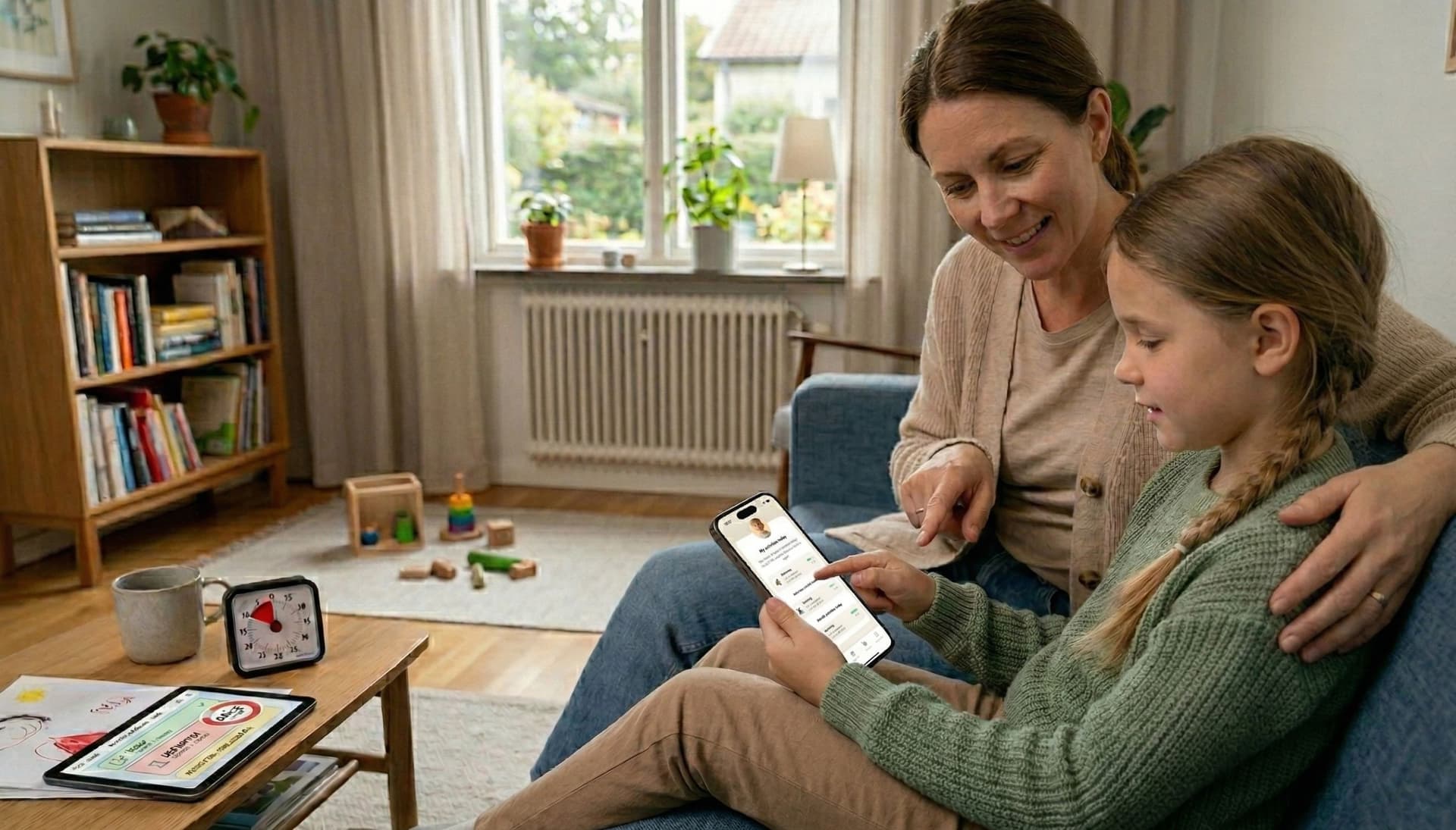
Routined lets you turn 'we're waiting again' into a small, predictable routine your child can actually see. You can build a short 'waiting at the cafe' or 'at the clinic' routine using Visual Support mode with big picture cards, add an optional visual countdown timer per step so time feels concrete, and use gentle rewards, shown as stars, screen-time minutes or a custom reward, for getting through the wait. A quick mood check before and after can also help you spot which situations are genuinely the hardest, so you can plan your supports for next time.
The takeaway
A screen in a restaurant or waiting room is neither a hero nor a villain. It is a tool that works best when you reach for it on purpose. Protect the ordinary, low-stakes moments where your child practises waiting, pack a small kit so a device isn't the only option, and when a screen really is the right call, use it calmly and warn before it ends. That balance, kind to your child and kind to you, is the whole approach.
Read more
Frequently asked questions
Is it bad to give my child a screen in a restaurant?
No. A screen can be a genuinely helpful tool, especially during long or overwhelming waits. The thing to watch is whether it has become automatic. If it is your first and only response every time, your child misses chances to practise waiting. Used on purpose, for a good reason, it's completely fine.
How can I get my child to wait without a screen?
Practise in low-stakes moments first, like the wait for toast or a short queue. Name the waiting, make time visible with a timer, and offer a small job to do. Keep a little non-screen boredom kit in your bag so there's an alternative ready, and praise the waiting itself afterwards.
When is a screen genuinely the right choice?
For long waits with no clear end, such as a delayed appointment, or in loud, bright, sensory-heavy places where your child is already near their limit. In those moments a familiar show or game can help everyone stay regulated. Choose it deliberately rather than as a reflex.
Why is waiting so much harder for children with ADHD or autism?
Differences in impulse control, time perception and sensory processing make waiting genuinely demanding, not just boring. It isn't about willpower or manners. Plan supports instead: make time visible, reduce sensory load, prepare your child in advance, and keep your expectations realistic.
How do I avoid a meltdown when it's time to put the screen away?
Always forewarn the end. Give a concrete cutoff like 'when this episode finishes', add a short countdown, and say what happens next so there's something to move towards. The warning turns taking the device away from a sudden snatch into a manageable transition.