Check the phone
A screen never runs out on its own. For a child there is no natural point where the moment ends, so stopping turns into an argument instead of a step – the visual support below sets the frame before the phone is even picked up.
 ♀
♀Hold the phone
A child holds a mobile phone with both hands and looks at the screen.
 ♀
♀Look at the phone
A child holds up a mobile phone with a search icon on the screen.
 ♀
♀Search on the phone
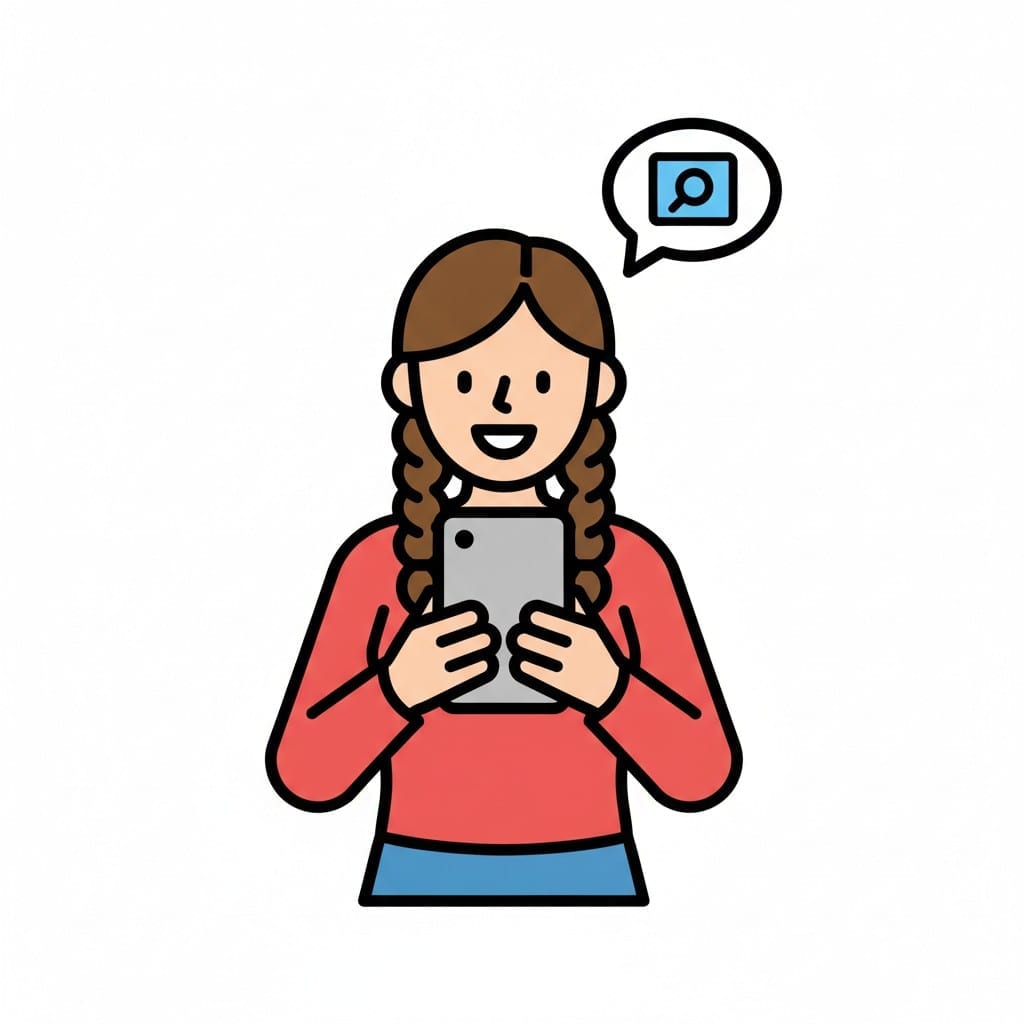
A child holds a mobile phone and a speech bubble with a search icon appears above.
About this visual support
Seen from inside the child's moment, stopping right now makes no sense. The next clip has already started, the message is half read, and nothing on the phone marks this as the last time. Screens are built to continue, while most everyday activities have an end point built in: the plate empties, the coat goes on. That missing end point is why a quick check stretches and why stopping feels like something being taken away.
A visual schedule helps by putting the ending before the beginning. One picture for checking the phone, one picture for what happens afterwards and a time marker in between give the moment a frame the child sees before the screen lights up. For children with adhd, a visible transition is often the difference between putting the phone down and getting stuck in it.
One concrete tip is to decide what comes immediately after and make that the next picture in the row. Letting go of a phone is easier when something else is already queued up than when afterwards means nothing in particular. Routined lets you pair the pictures with a timer the child can watch, and the app can be tried for 14 days at no cost.
Use this image in a schedule
Build your own visual schedule with this image and download it as a print-ready PDF. Completely free.
More similar visual supports

Phone time
A woman sits on a beanbag looking at her phone.

Use iPhone
A hand taps the screen of a smartphone.
Use phone
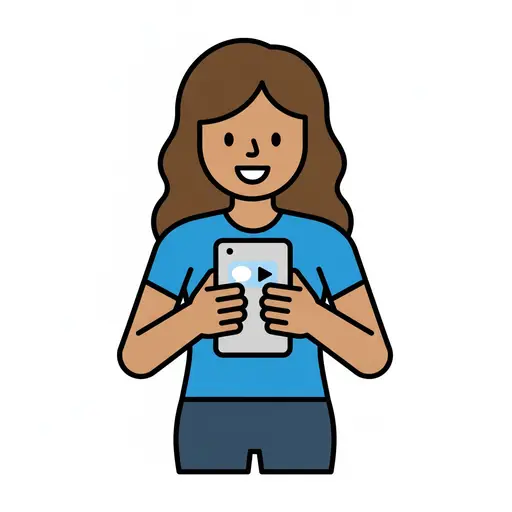
A woman holds a phone with a video on the screen.
iPhone
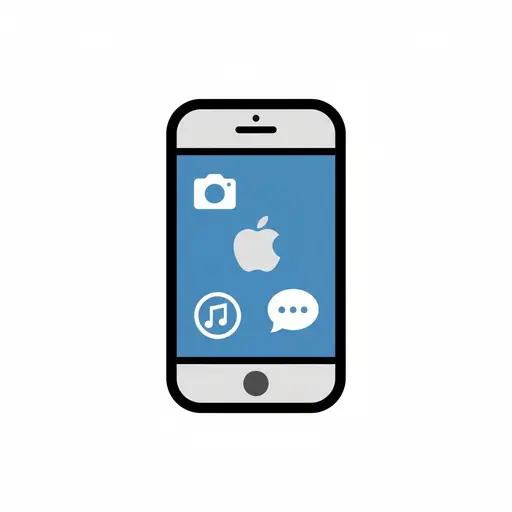
An illustration of an iPhone with icons for camera, Apple logo, music, and messa...
Play computer
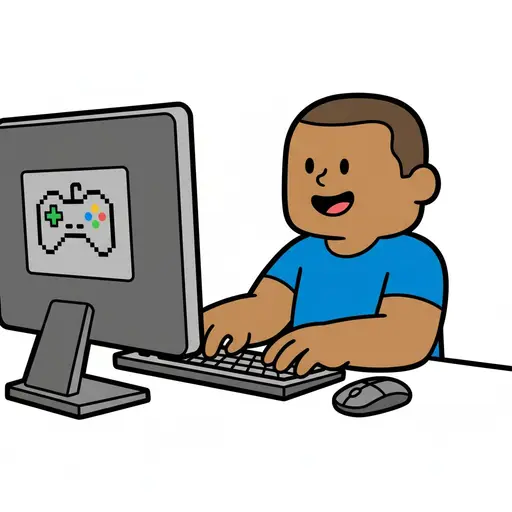
A happy boy is sitting at a computer playing.

Watch mobile
A person with straight hair watching a mobile phone with a play button on the sc...

Movie and Snacks
A movie projector and screen with popcorn, chips, an apple and a soda cup.
Computer
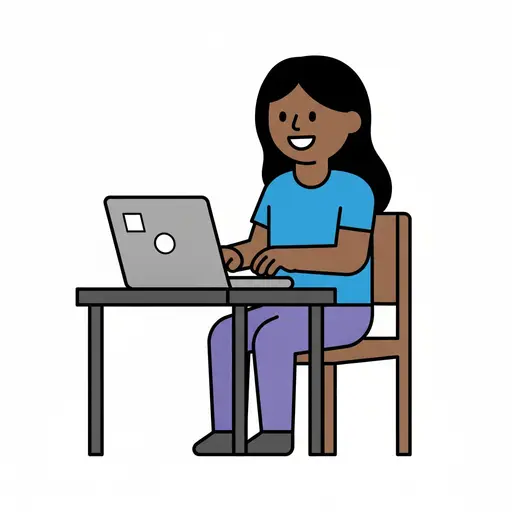
A smiling person sits on a wooden chair at a desk and types on a grey laptop.
This visual support in other languages
Take the visual supports with you
In Routined you build schedules from these pictures, add timers and voice instructions, and your child follows the day on their own.


* 14-day free trial, then $2.39 a month or $20.99 a year (US pricing). Cancel anytime.