Bullying: How to Spot It and Support Your Child
Few things frighten a parent more than suspecting their child is being bullied. It can be hard to spot, hard to talk about, and hard to know what to do. Knowing the signs and how to respond — calmly and effectively — makes a real difference.
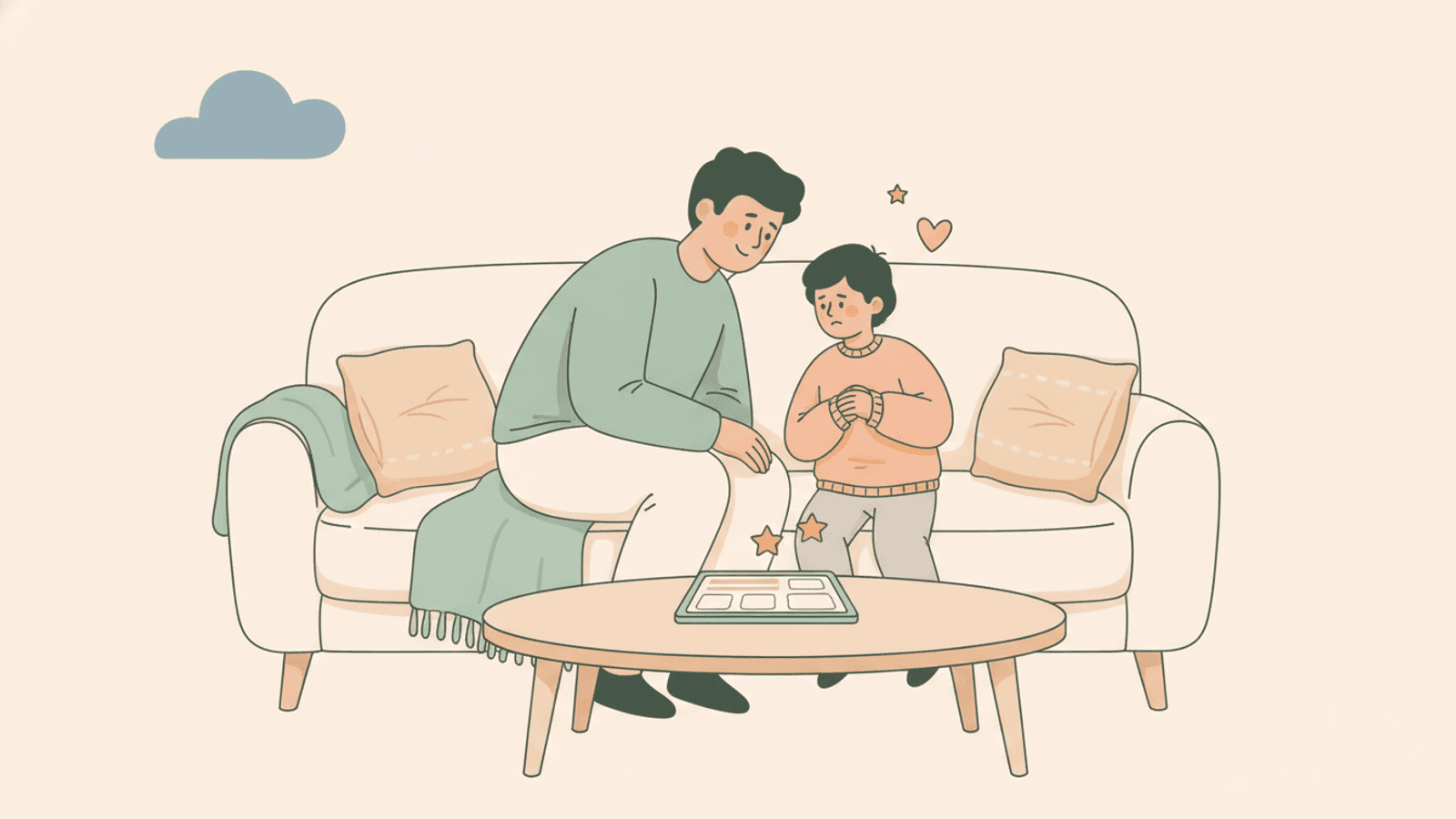
Few things frighten a parent more than suspecting their child is being bullied. It can be genuinely hard to spot, hard for a child to talk about, and hard to know what to actually do. But knowing the signs to look for and how to respond — calmly, firmly and effectively — makes a real difference, both to the situation and to your child’s sense that they are not alone. Here is a guide to spotting bullying and supporting your child through it.
What bullying is
Bullying is repeated, intentional, hurtful behaviour involving a power imbalance — the person bullying has more power (size, status, numbers, or knowledge of a vulnerability), and the target struggles to defend themselves. It can be physical (hitting, taking things), verbal (name-calling, threats), social or relational (deliberate exclusion, spreading rumours, turning others against a child), or online. It is different from a one-off conflict or two friends falling out, where the power is roughly equal and the behaviour is not repeated and deliberate.
Signs a child is being bullied
Children often hide bullying out of shame or fear, so watch for changes rather than waiting to be told. Look out for reluctance or refusal to go to school, physical complaints like tummy aches or headaches on school days, mood changes, irritability or withdrawal, lost or damaged belongings, asking for extra money, fewer or no friends, changes in sleep or appetite, unexplained marks, or a sudden reluctance to talk about school or to use their phone. A cluster of these signs together is well worth gently exploring.
How to respond if you suspect it
- Stay calm and keep your own alarm in check — your child needs your steadiness, not your panic.
- Listen fully, believe them, and validate — “that should never happen, and I’m so glad you told me.”
- Do not blame your child or imply they brought it on, and do not promise to keep it a secret.
- Gather the facts gently — what, who, when, where — without it feeling like an interrogation.
What to do about it
- Report it to the school formally, ask about their anti-bullying process, follow up, and keep a written record.
- Do not tell your child to just “hit back” or “ignore it” — neither reliably keeps them safe.
- Support their friendships and self-esteem, both of which bullying steadily erodes.
- For online bullying, save the evidence with screenshots, block the person, and report it to the platform and the school.
Supporting your child through it
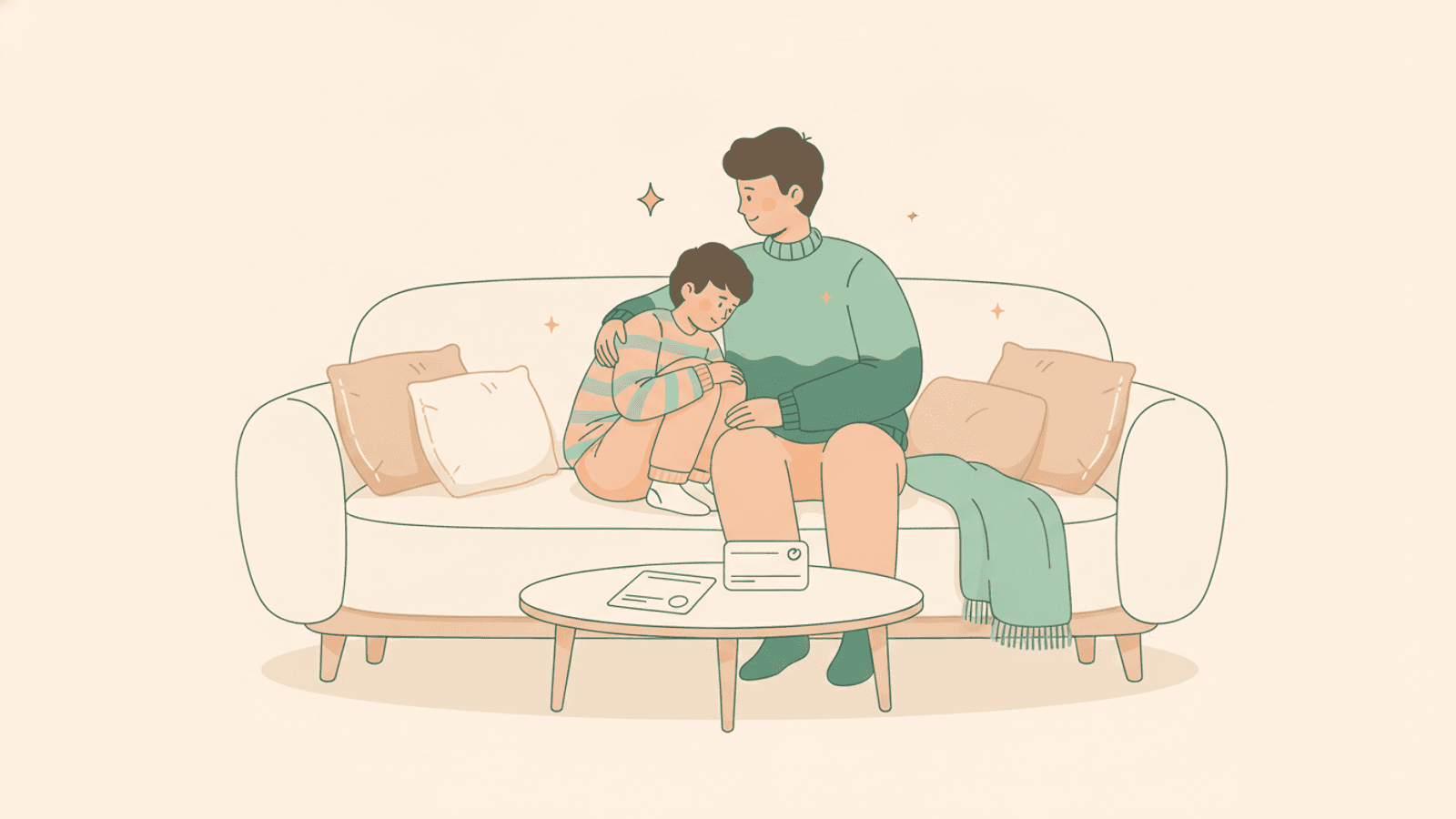
A bullied child above all needs to feel safe, believed and not alone. Keep listening without judgement, actively rebuild their confidence, protect their downtime and the things they enjoy, and remind them often that this is not their fault and not a reflection of their worth. Watch their mood and wellbeing closely, because bullying can seriously affect mental health — if your child becomes very low, anxious or withdrawn, seek professional support without delay.
When it's serious
Escalate firmly if the bullying continues despite being reported, involves violence or threats to safety, or is clearly harming your child’s mental health. Go up the chain at the school — head of year, then senior leadership — put your concerns in writing, and seek help from your doctor or a psychologist. Persistent bullying is never something a child should be left to handle alone, and pushing for action is exactly the right thing to do. This article is general information, not medical advice.
For children with ADHD or autism
Neurodivergent children are bullied more often, partly because visible differences can be targeted and social cues missed. They may also not recognise or report it, or be blamed for how they react when pushed. Stay especially alert to the signs, check in gently and concretely rather than with open “how was school?” questions, advocate firmly with the school, and make sure any support plan explicitly addresses their safety. This article is general information, not medical advice.
Read more
Frequently asked questions
What counts as bullying?
Bullying is repeated, intentional hurtful behaviour with a power imbalance — physical, verbal, social (exclusion, rumours) or online. It differs from a one-off conflict or two friends falling out, where the power is roughly equal and the behaviour is not deliberate and repeated.
What are the signs my child is being bullied?
Reluctance to go to school, tummy aches or headaches on school days, mood changes, withdrawal, lost or damaged belongings, asking for extra money, fewer friends, sleep or appetite changes, unexplained marks, or not wanting to talk about school or use their phone. A cluster is worth exploring gently.
What should I do if my child is being bullied?
Stay calm, listen, believe and validate them, gather the facts gently, and report it to the school formally while keeping a written record. Support their friendships and self-esteem, save evidence for cyberbullying, and follow up until it stops.
Should I tell my child to fight back or ignore it?
No. Telling a child to hit back or simply ignore it rarely keeps them safe and can leave them feeling unsupported. Take it seriously, work with the school, support your child emotionally, and address the situation through the proper channels.
When should I get more help with bullying?
Escalate if bullying continues despite reporting, involves violence or threats, or is harming your child’s mental health. Go up the chain at school, put concerns in writing, and seek help from your doctor or a psychologist. A child should never be left to handle persistent bullying alone.