Friendship: Helping Your Child Make and Keep Friends
Watching your child struggle to make or keep friends is one of the hardest parts of parenting. But making friends is a skill that can be learned and supported, and “struggling socially” looks different for every child. Here is how to help.
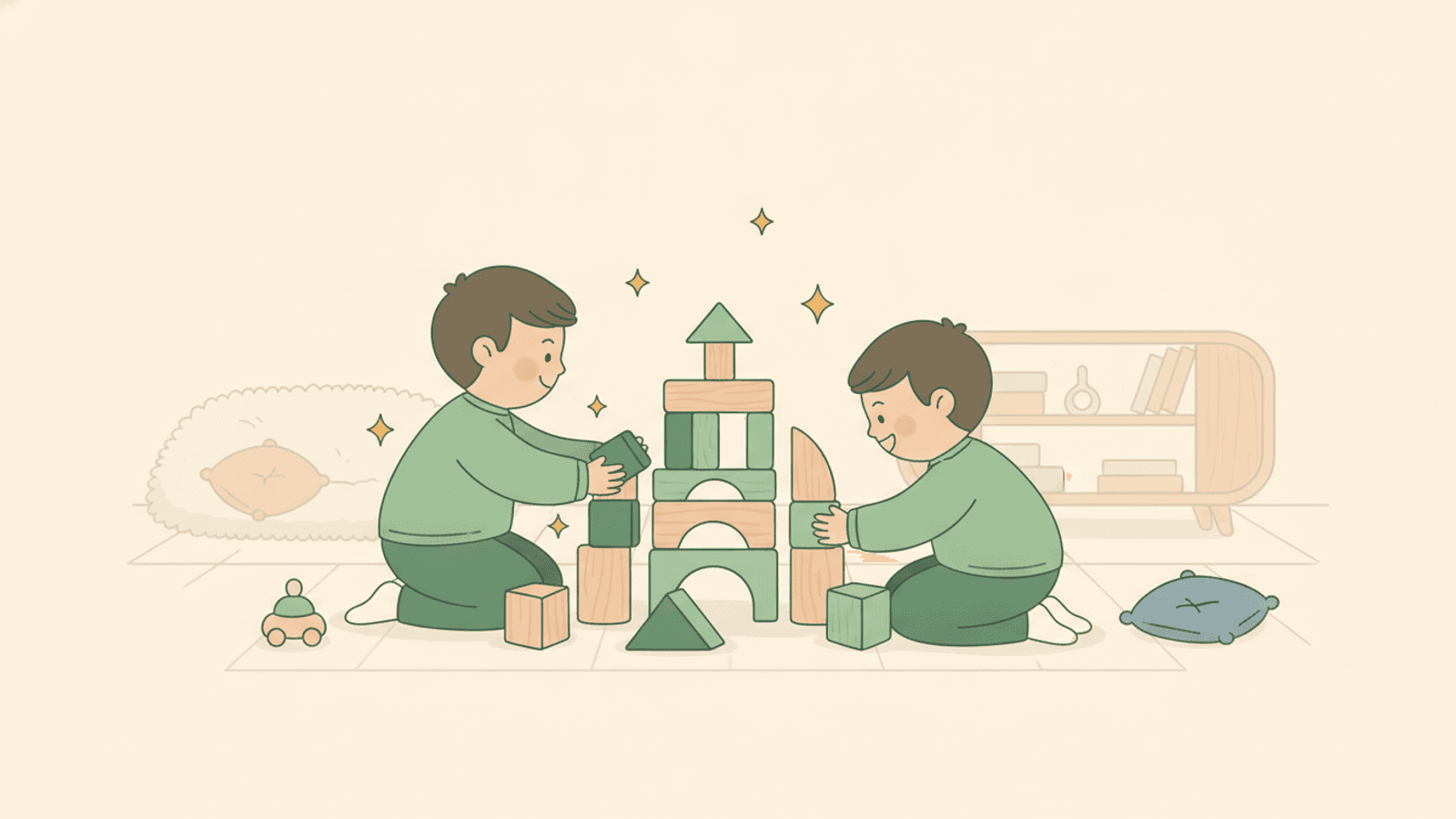
Watching your child struggle to make or keep friends is one of the most painful parts of parenting — it can ache more than almost anything they go through. But here is the reassuring truth: making friends is a skill that can be learned and supported, and “struggling socially” looks completely different from one child to the next. With the right kind of help, most children can build the connections they need. Here is how to give that help well.
Why some children find friendship hard
Friendship comes easily to some children and not at all to others, for all sorts of reasons: shyness or social anxiety, a quieter temperament, being new, a different play style, or simply not yet having the social skills — reading cues, joining in, taking turns — that friendship needs. For neurodivergent children, the unwritten social rules can be genuinely puzzling rather than instinctive. None of it means there is something wrong with your child; it just means some children need a bit more support to find their people.
Not every child needs a crowd
It helps enormously to drop the idea that every child should be popular. Many children are perfectly happy with one or two close friends, and that is healthier than a wide but shallow circle. An introverted or neurodivergent child may genuinely want less social contact, not more. The goal is not popularity; it is that your child has at least one real connection and does not feel lonely or excluded. One good friend is worth far more than a crowd of acquaintances.
How to help, without forcing
- Arrange one-on-one playdates — one friend at a time is far easier to manage than a whole group.
- Use shared-interest activities and clubs, where friendship grows naturally around something your child loves.
- Practise social skills through play and by modelling them yourself — greetings, turn-taking, joining in.
- Gently coach specific skills: how to ask to join, how to take turns, how to notice a friend’s feelings.
- Role-play tricky moments, or use a social story, for a child who finds them confusing.
Support, do not hover
Resist the urge to swoop in and fix every squabble or organise every single interaction. Children learn friendship through real practice, bumps and all. Coach gently from the sidelines, debrief afterwards in a relaxed way, and let small conflicts resolve themselves where you safely can. Over-managing quietly teaches a child that they cannot handle social life on their own; warm, light-touch support teaches them that they can.
When friendships go wrong
Rejection, falling out and feeling left out are painful, but they are normal parts of growing up. Listen and validate first — “that sounds really hard” — before you leap to fixing it, then help your child think through what they might try next. Reassure them that friendship ups and downs happen to absolutely everyone. The skill of recovering from a friendship knock matters every bit as much as making friends in the first place.
When to look closer
If your child has no friends and is genuinely distressed and lonely, is being actively excluded or bullied, or seems to find every social situation bewildering, it is worth talking to their teacher and, if needed, a professional. Persistent social difficulty can point to social anxiety or an underlying need such as autism, both of which are very supportable once recognised. Early, kind help protects your child’s confidence as well as their friendships.
For children with ADHD or autism
Social skills often need to be taught explicitly rather than picked up automatically, and impulsivity, missed social cues or different interests can make friendships harder. Help by finding like-minded peers — a shared-interest club is gold — teaching specific skills directly, using social stories, and, crucially, accepting your child’s own friendship style, including parallel play or a few deeper bonds rather than many. This article is general guidance, not medical advice.
Read more
Frequently asked questions
How can I help my child make friends?
Arrange one-on-one playdates, use shared-interest clubs, practise and model social skills, and gently coach specific ones like joining in and taking turns. Support from the sidelines rather than organising everything, and remember one good friend matters more than a crowd.
Why does my child struggle to make friends?
Common reasons include shyness or social anxiety, a quieter temperament, being new, a different play style, or not yet having social skills like reading cues and taking turns. For neurodivergent children, unwritten social rules can be puzzling. It rarely means anything is wrong.
Is it bad if my child only has one friend?
Not at all. Many children are happiest with one or two close friends, which is healthier than a wide, shallow circle. The goal is a genuine connection and not feeling lonely, not popularity. An introverted or neurodivergent child may want less social contact, and that is fine.
Should I fix my child's friendship problems?
Mostly no. Children learn friendship through real practice, including conflict. Listen and validate, help them think through options, and coach from the sidelines, but let small squabbles resolve themselves where you can. Over-managing teaches them they cannot cope; light support teaches them they can.
When should I worry about my child's friendships?
Look closer if your child has no friends and is distressed and lonely, is being excluded or bullied, or finds all social situations bewildering. Talk to their teacher and, if needed, a professional. It can indicate social anxiety or an underlying need, both very supportable.