Go to sleep
The shift from awake to asleep is hard to feel when thoughts keep spinning long after the light goes out. The visual support below breaks the wind-down into calm steps the body can follow.
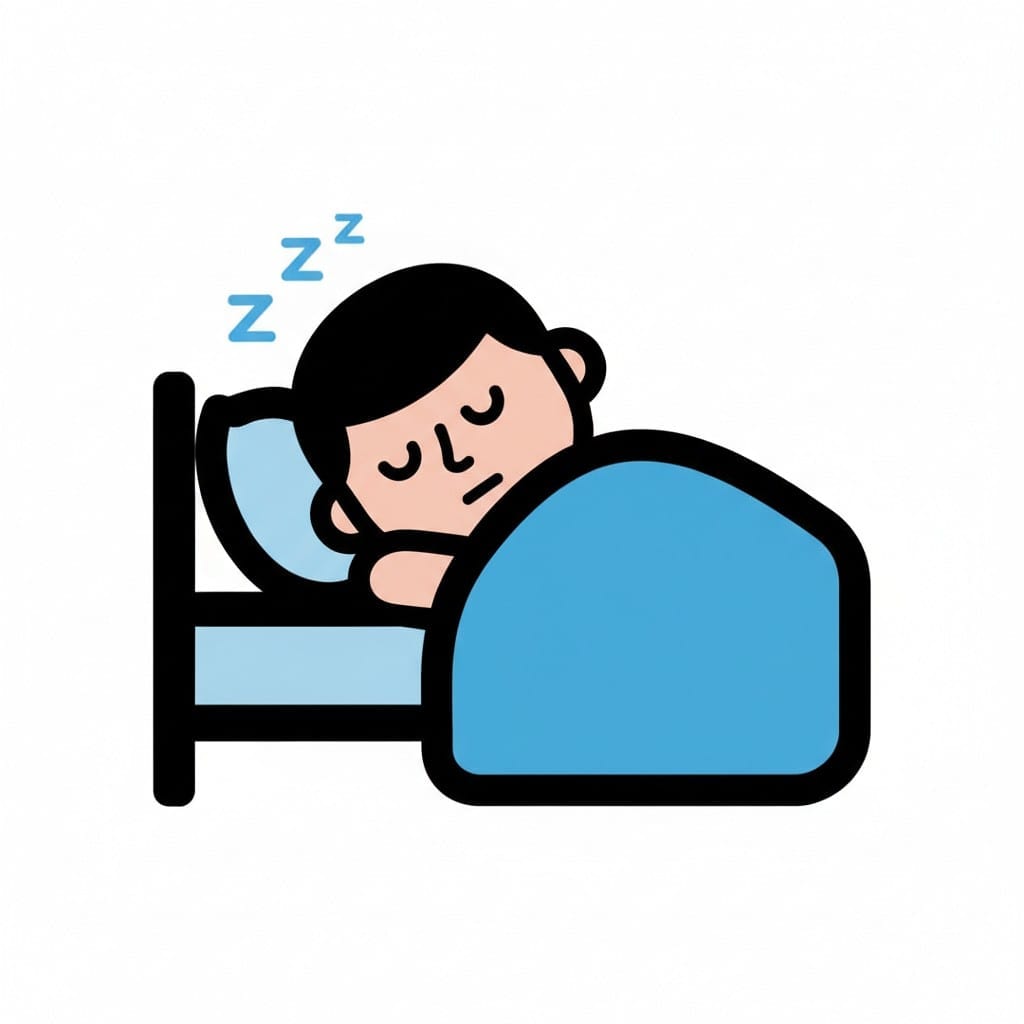 ♂
♂Go to sleep
A boy sleeping peacefully in bed with Zzz symbols above him and a lamp on the nightstand.
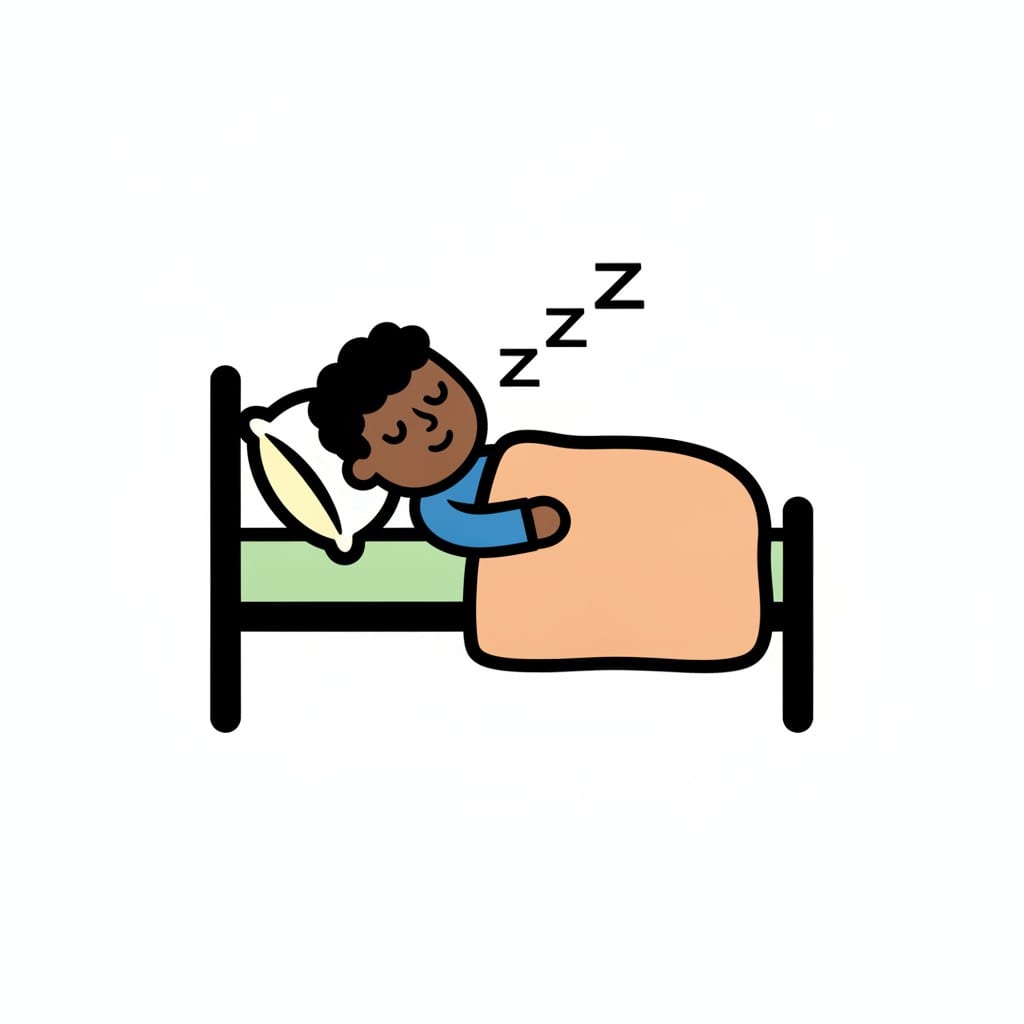 ♂
♂Boy asleep under the duvet
A boy lies asleep on a pillow in a bed under a duvet, with Z letters above him.
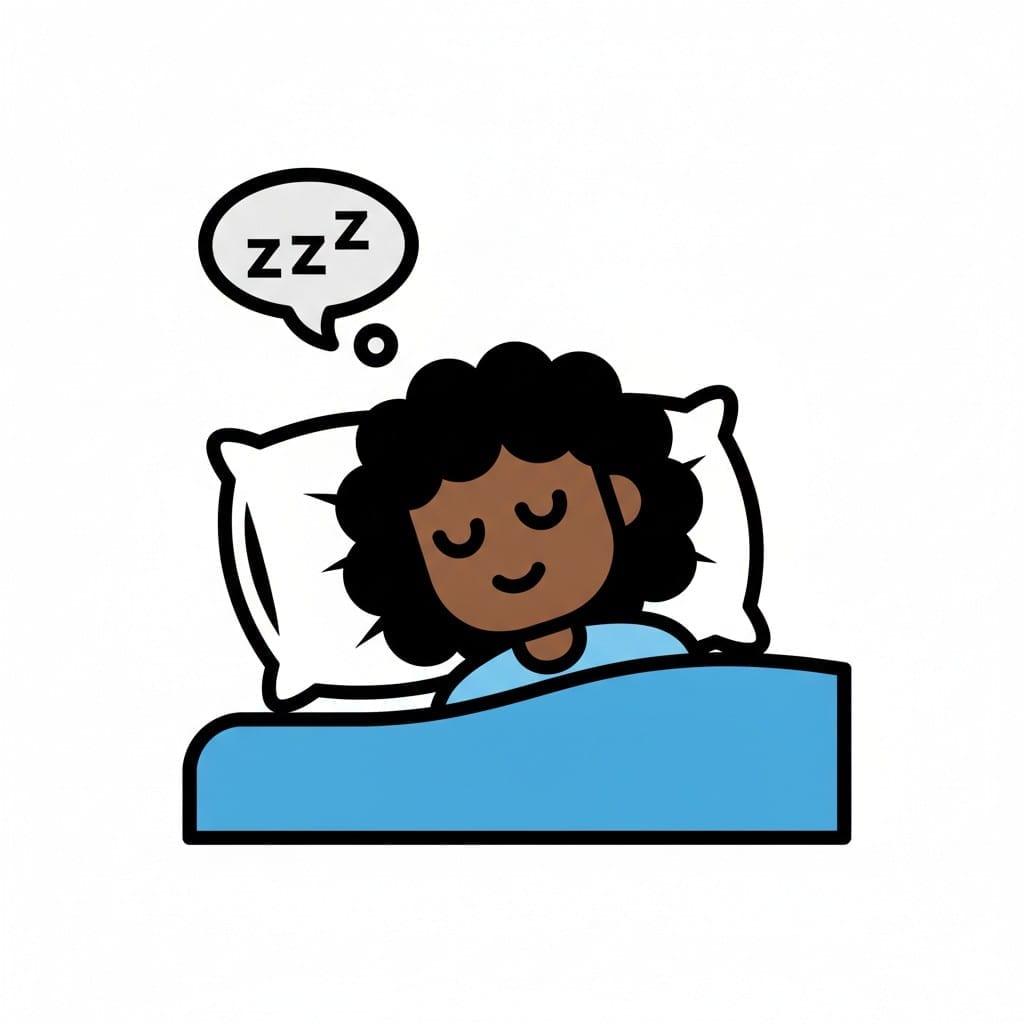 ♀
♀Go to sleep
A child sleeps in a bed under a blue blanket with a zzz speech bubble.
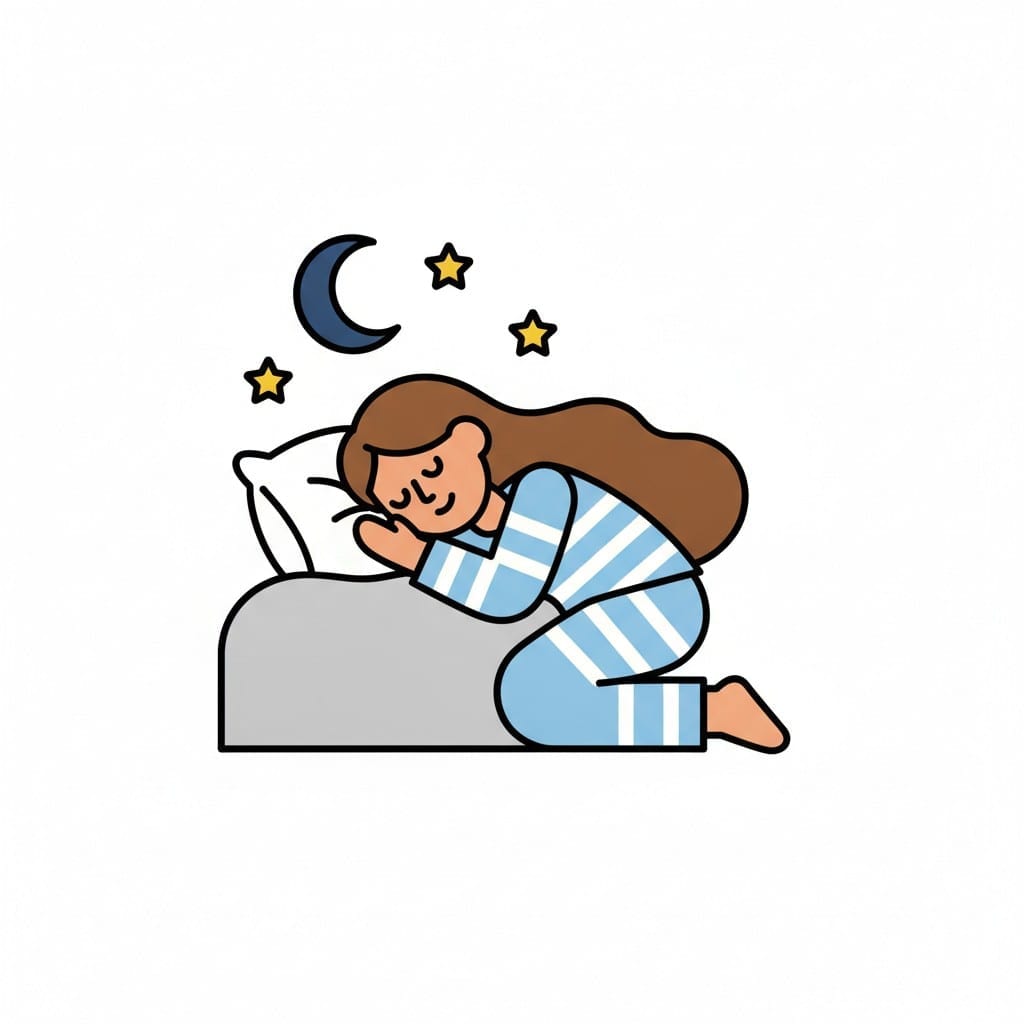 ♀
♀Girl asleep in striped pyjamas
A girl in blue striped pyjamas lies asleep on a pillow, with a moon and stars above her.
About this visual support
The body needs to move from the speed of the day into stillness, but that gear change is invisible from the outside. A child can lie perfectly still and still be wide awake inside, because the thoughts keep going and have nowhere to settle.
This is why it helps to make the wind-down visible. When every small step has its own picture — turning off the ceiling light, lowering the blind, lying down, breathing slowly — the child gets something to rest their eyes on instead of chasing sleep. The pictures say the same thing every night, and that repetition is calming in itself. For children with ADHD, whose minds often struggle to slow down in the evening, a fixed picture order gives an outside rhythm to lean on.
One concrete tip: place the last picture, the one where the child lies down with closed eyes, closest to the pillow or on the wall by the bed. Then the last thing seen is also the last step, and the gaze never has to wander back to the start.
If you want to follow the bedtime routine on your phone, there is Routined, where these pictures can pair with a gentle timer counting down to lights out. The images here are free to download and print.
This image is part of these ready-made schedules
Use this image in a schedule
Build your own visual schedule with this image and download it as a print-ready PDF. Completely free.

More similar visual supports
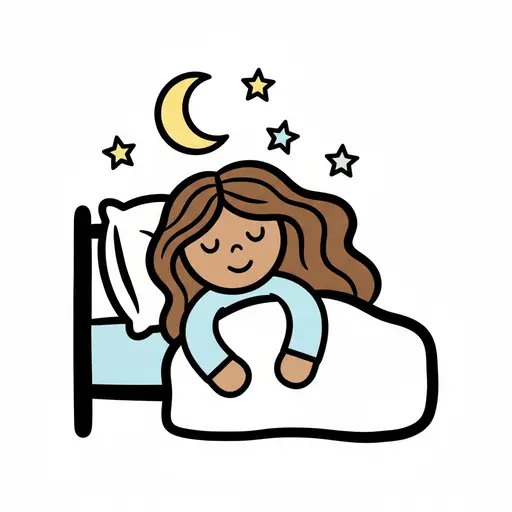
Bedtime
A girl with long wavy hair sleeps peacefully in her bed under a white duvet, wea...
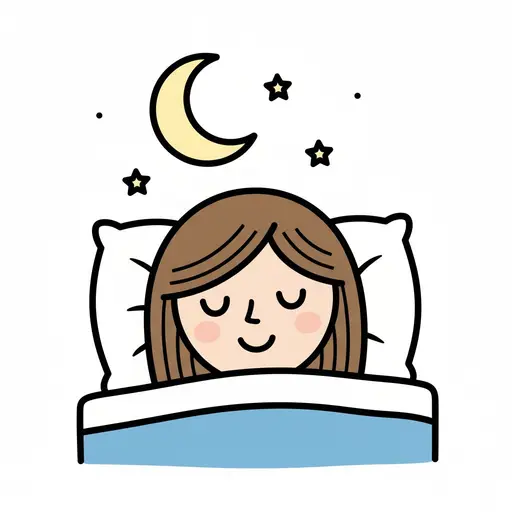
Lights out
Between two white pillows, a girl with long brown hair sleeps peacefully under a...
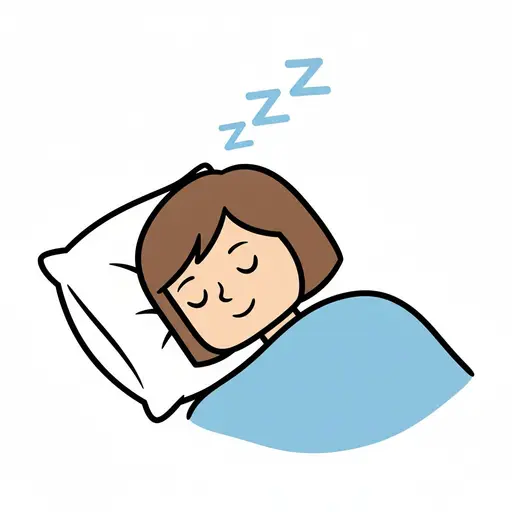
Sleep
A woman sleeps with her head on a white pillow under a blue blanket, and the let...
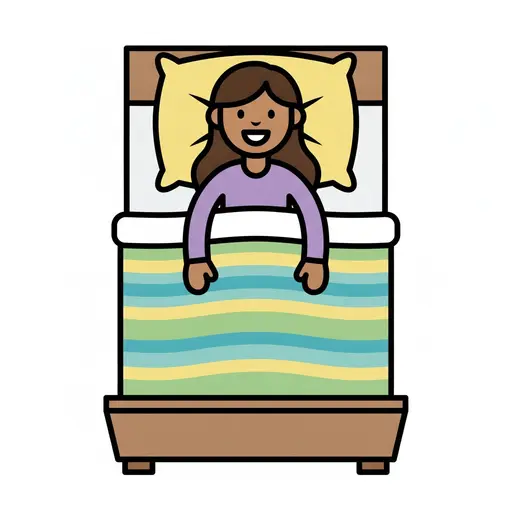
Bed
A smiling girl lies in a bed with a yellow pillow and a striped duvet in green, ...
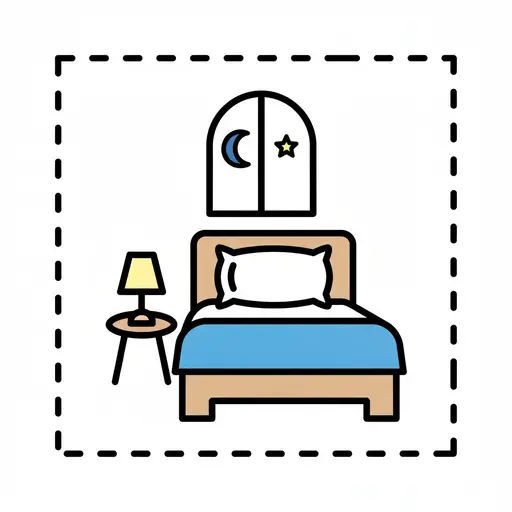
Bedroom
A bedroom scene with a made bed, a bedside table with a lamp, and a window showi...
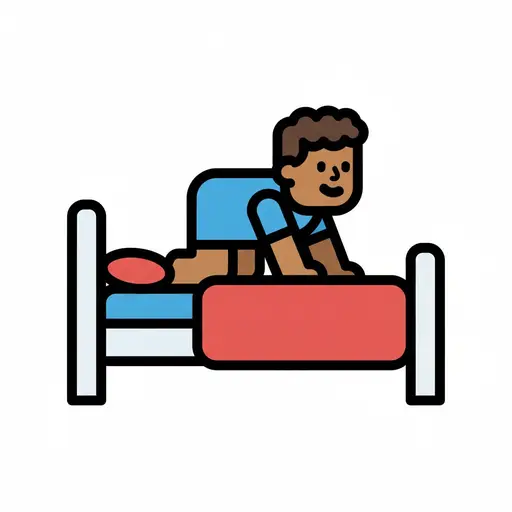
Crawl into bed
An illustration of a boy crawling into a bed.
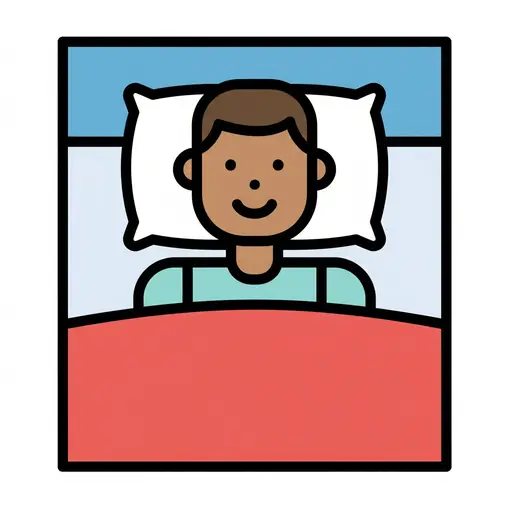
Lie in bed
A boy resting with his head on the pillow in bed.

Night Diaper
A diaper icon with a moon, a star, and 'zzz' symbols, indicating a night diaper.
Take the visual supports with you
In Routined you build schedules from these pictures, add timers and voice instructions, and your child follows the day on their own.


* 14-day free trial included for new users.