Turn off the computer
Turning off the screen breaks an absorbing activity, and the abrupt end often stirs resistance. A picture and a warning make the transition softer. See how the support works below.
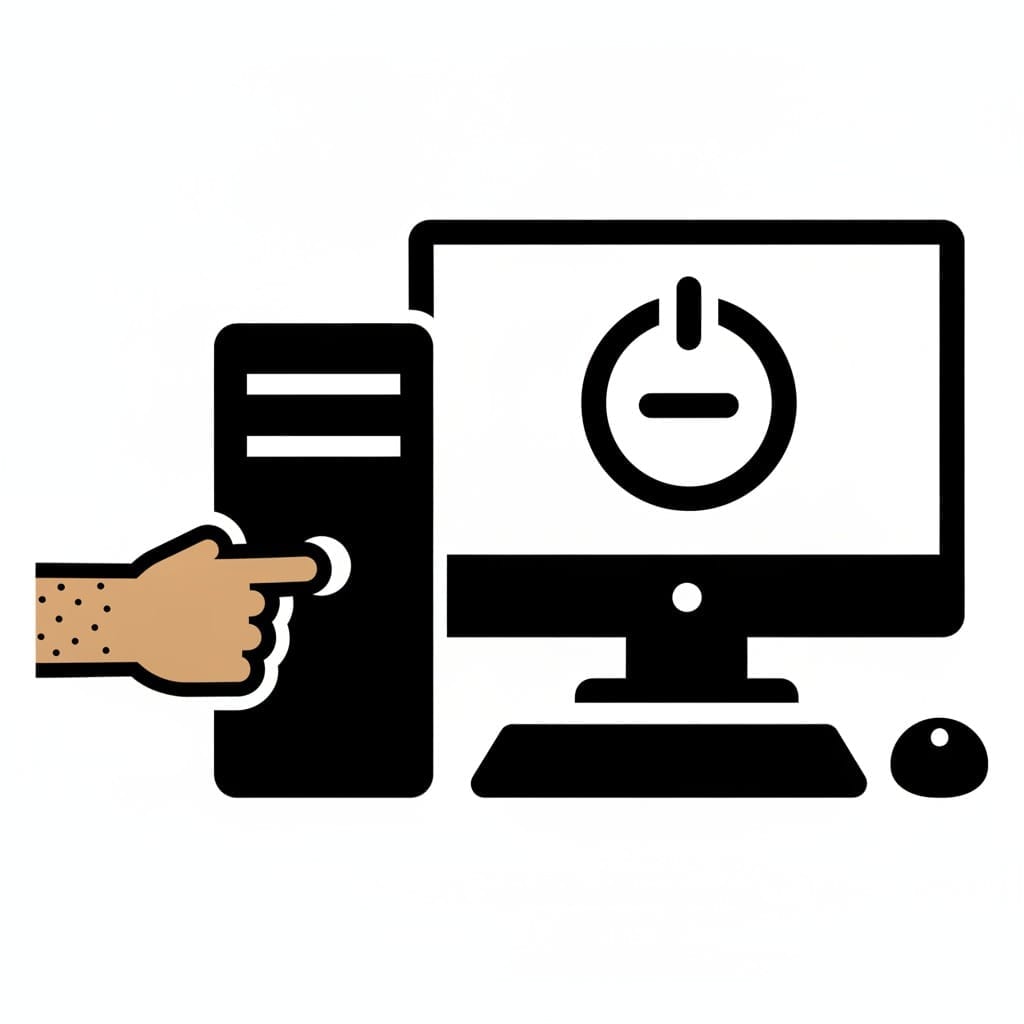 ♂
♂Turn off the computer
A hand presses the power button on a computer with a monitor.
 ♂
♂Boy switching off the computer
A boy reaches for the power button on a desktop computer tower while the monitor shows a grey cross.
About this visual support
Screens are built to capture attention and hold it, and that is exactly why they are so hard to leave. When a child is playing or watching something they are often completely absorbed, and suddenly being asked to switch off can feel like being interrupted in the middle of something important. The abrupt end, without warning, is a common source of conflict.
Visual support makes the end predictable. When the child knows in advance that screen time ends at a certain time or after a certain episode, and can see it on a picture, turning it off becomes a planned part rather than a surprise. The picture of the next step also helps the brain redirect, so there is something to move on to.
A tip: give a warning a few minutes before, ideally tied to something clear like a timer, so the child has time to finish what they are doing. Being allowed to land softly reduces the resistance. In the Routined app you can add screen time with a clear end time and a picture of what comes after, so the transition away from the computer becomes calmer.
Use this image in a schedule
Build your own visual schedule with this image and download it as a print-ready PDF. Completely free.

More similar visual supports
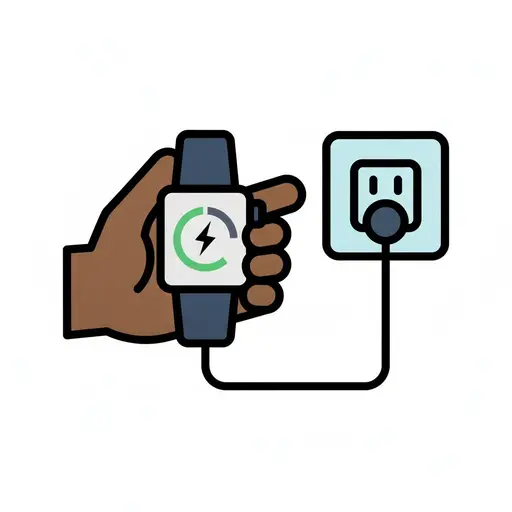
Charge the smartwatch
A hand plugs a smartwatch into a charger at the wall socket.

Weekend evening routine
A woman relaxes with her phone next to a calendar showing Saturday and Sunday an...
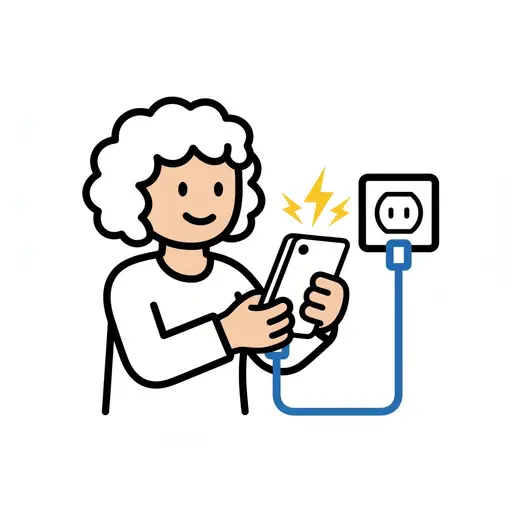
Charge device
A person holds a phone connected by a cable to a wall socket.
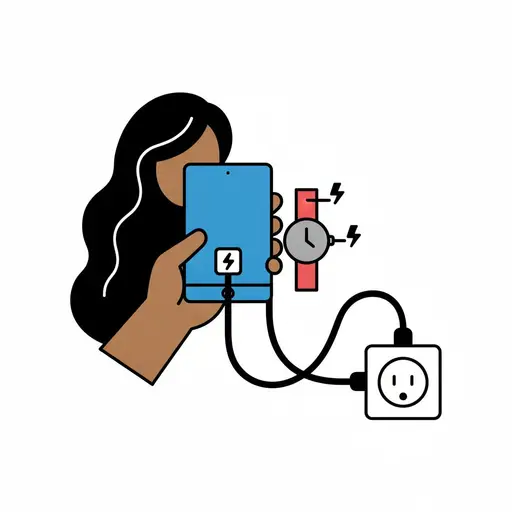
Charge tablet and watch
A hand holds a tablet that is charging, and next to it a watch charges from the ...
Charge your devices
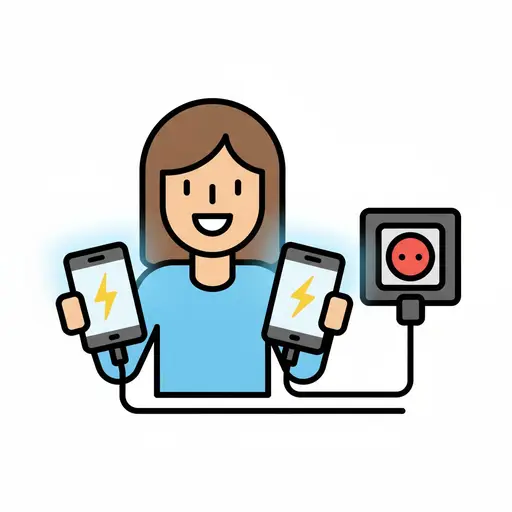
A child holds two devices connected by cables to a wall socket.
Turn off screens
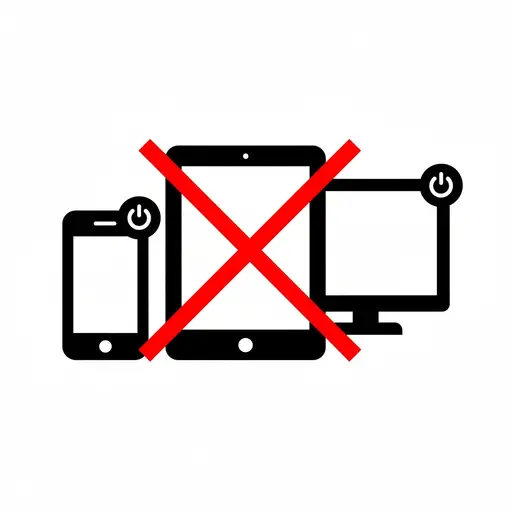
A phone, a tablet and a monitor with a red cross over them, showing that the scr...
Shut down phone
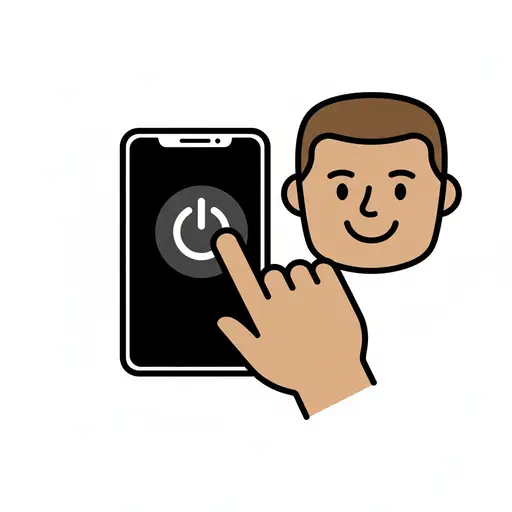
A boy presses the power button to shut down a phone.

Turn off the phone
A hand holding a smartphone showing a moon and star on the screen, with a large ...
Take the visual supports with you
In Routined you build schedules from these pictures, add timers and voice instructions, and your child follows the day on their own.


* 14-day free trial included for new users.