Go home and eat lunch
Breaking off what you are doing, getting home and sitting down to lunch is a shift that clashes with low energy and hunger. A picture shows the way from activity to food. See how the support works below.
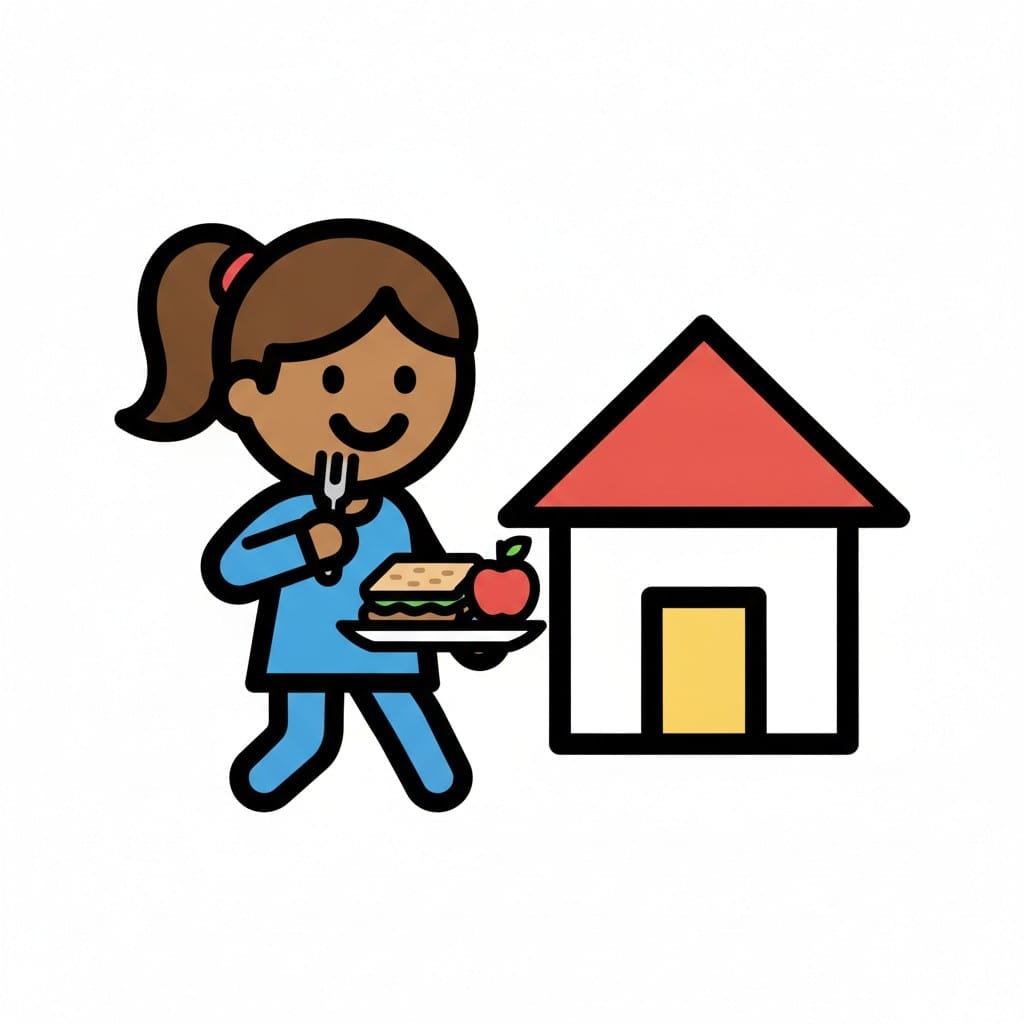 ♀
♀Go home and eat lunch
A child carries a plate of food toward a house.
About this visual support
Going home to eat lunch sounds simple, but it contains several transitions that clash: breaking off what you are doing, heading home and landing at the table. When hunger and tiredness also lower patience, this kind of change often becomes a point where the day grinds.
Visual support makes the way from activity to food visible. When the child sees the steps, finish, go home, wash hands, eat, the transition becomes a sequence to follow rather than a sudden stop. It helps the brain let go of the last thing and aim at the next, and a picture of the food can also stir the appetite and make the walk home more appealing.
A tip: talk about lunch before you break off the activity, and show the picture, so the child knows what is coming and that the interruption leads to something good. Knowing what comes lowers resistance. In the Routined app you can place the walk home and lunch as two clear steps, so the transition gets a direction.
Use this image in a schedule
Build your own visual schedule with this image and download it as a print-ready PDF. Completely free.

More similar visual supports
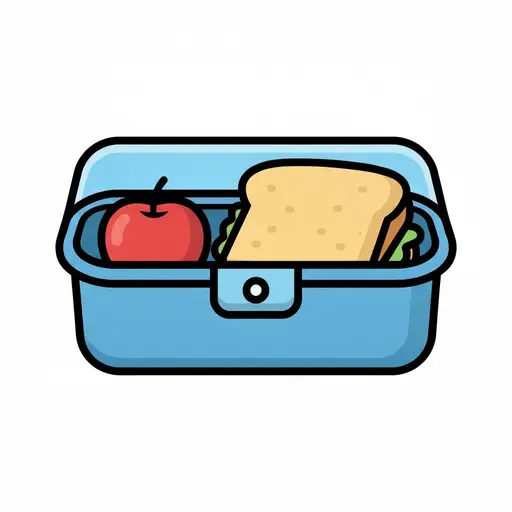
Lunch box
An open blue lunch box holding a sandwich and a red apple.
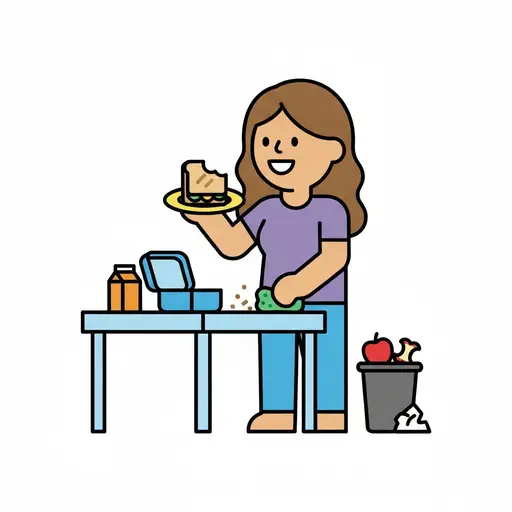
Eat lunch
A smiling person holds up a plate with a half-eaten sandwich and wipes the table...
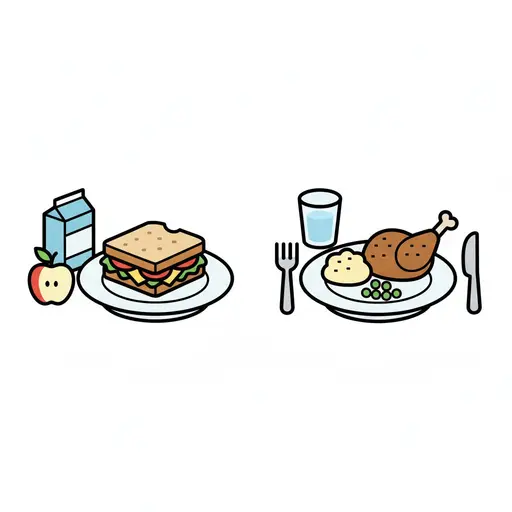
Lunch and dinner
On the left a sandwich with milk and an apple, on the right a plate of chicken, ...
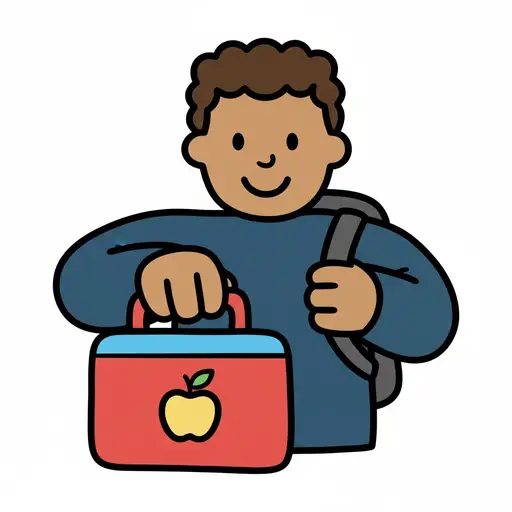
Take the lunchbox
A smiling boy with curly brown hair wearing a grey backpack and holding a red lu...
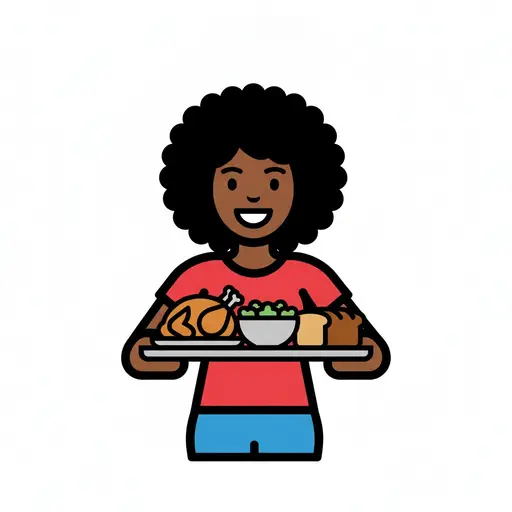
Bring food
A girl carries a tray of food including chicken, a bowl and bread.
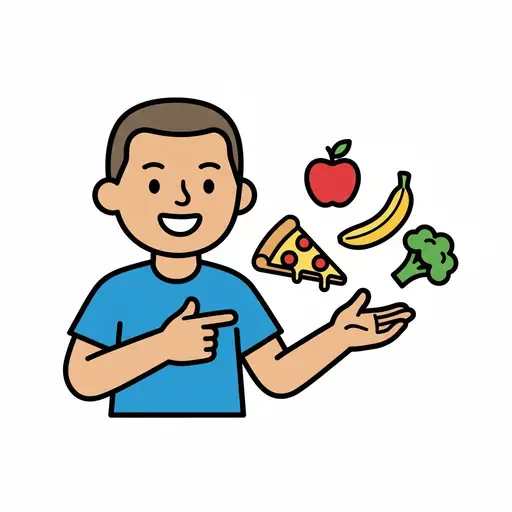
Choose food
A boy points with one hand while various food items like an apple, a banana, bro...
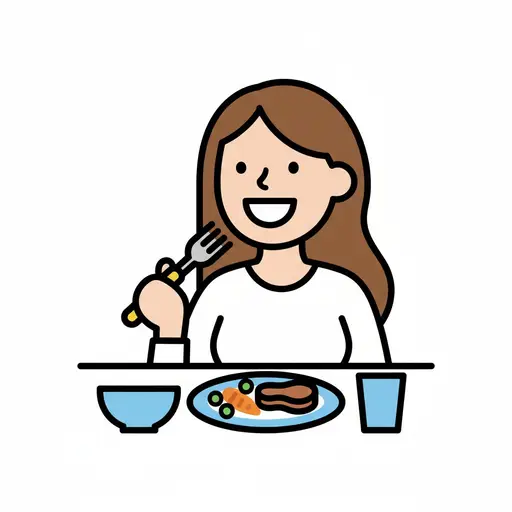
Dinner time
A girl sits at a table eating food from a plate with a fork.
Eat
A person eating a piece of toast.
Take the visual supports with you
In Routined you build schedules from these pictures, add timers and voice instructions, and your child follows the day on their own.


* 14-day free trial included for new users.