Do Art
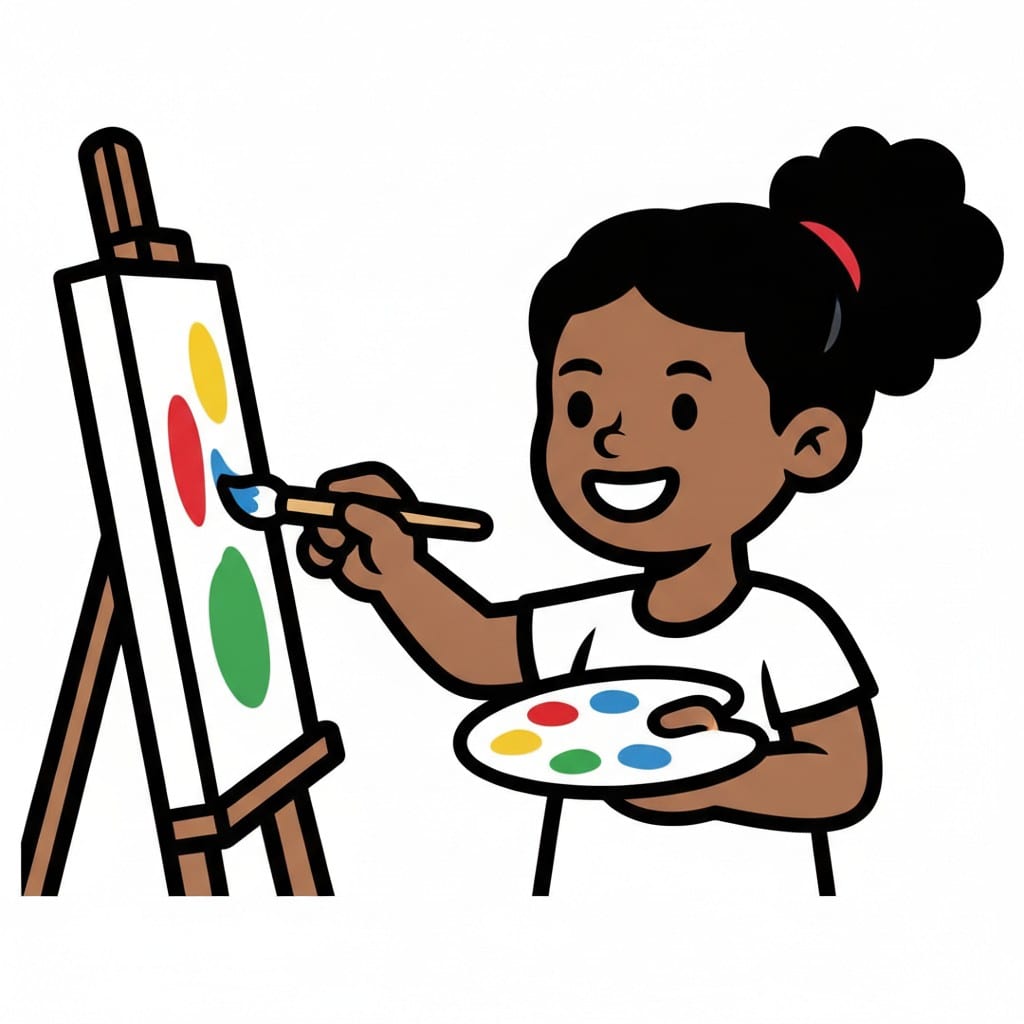
Handling brush, paint and easel takes hand control and precision, and a smear or an accidental stroke can frustrate a child who wants to succeed. The visual support below shows the grips so the hand gets support from the start.
 ♀
♀Paint on easel
A girl paints colorful dots on a canvas on an easel with a brush while holding a palette.
About this visual support
Art with real materials is physically demanding in a way that is easy to forget. The brush has to be held at the right angle, dipped just enough and moved with a controlled hand, or the paint runs, drops land wrong or the stroke turns wider than intended. For a child who has a clear picture of what they want to make, the gap between the idea and what the hand can actually manage can become a source of frustration.
Visual support can back the motor side by showing how the material is handled, step by step. When a picture shows how the brush is held, how much paint to load and in what order the surface is built up, the hand gets a model to copy. That removes some of the guesswork and lets the child aim their effort at the picture itself rather than at wrestling with the tool.
A concrete tip: show a picture of wiping the brush between colours, so the most common source of mess and muddy browns gets built into the routine. Keep a cloth or sponge within reach as its own station. In the Routined app you can lay out the steps in the order that suits you, from preparing the paint to rinsing the brush once the artwork is done.
Use this image in a schedule
Build your own visual schedule with this image and download it as a print-ready PDF. Completely free.

More similar visual supports
Creative
A girl holds a brush and palette next to her own drawing.
Creative Girl
A girl paints colorful dots on a canvas on an easel while holding a palette.
Create
A smiling person sits on a stool holding a paint palette and paints a rainbow on...
Creative project time
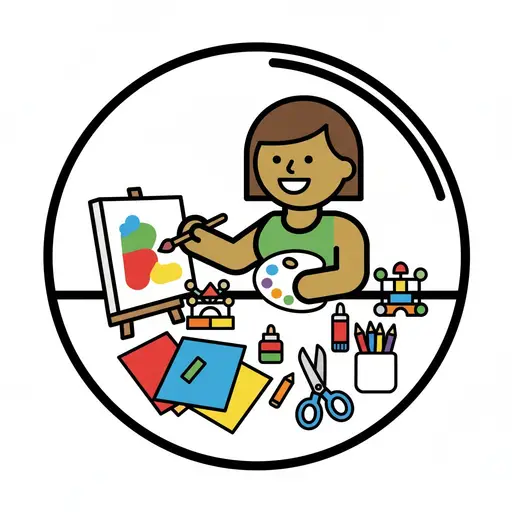
A girl paints on an easel surrounded by craft supplies like scissors, glue and p...
Creative Time
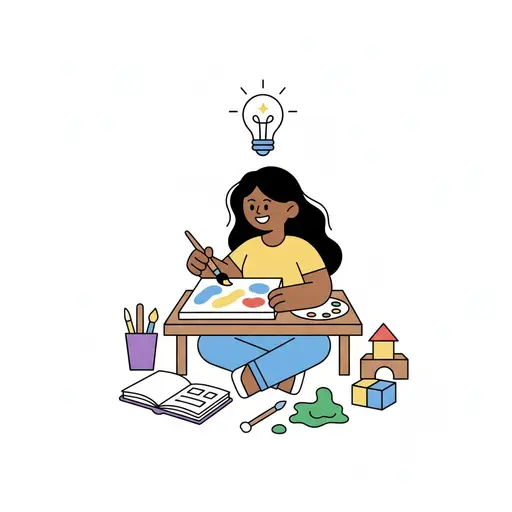
A girl sits at a small table and paints with a brush among craft supplies and bl...
Art
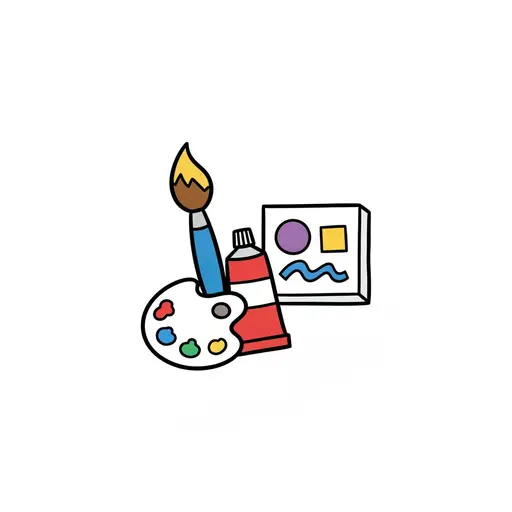
A brush, a palette, a paint tube and a painting with shapes.
Arts and crafts
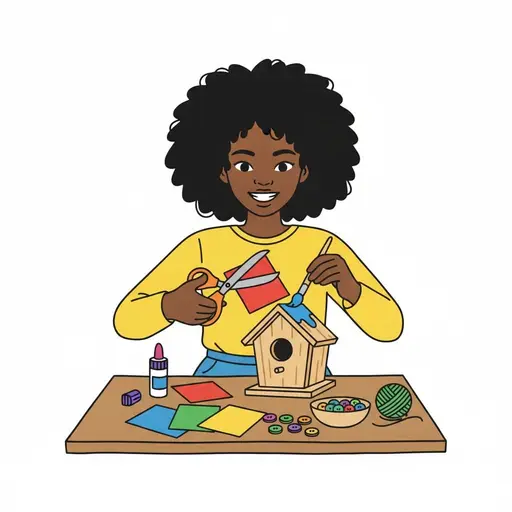
A girl cuts red paper and paints a birdhouse at a table with buttons and yarn.

Be Creative
A girl smiles and imagines various colorful shapes and a light bulb.
Take the visual supports with you
In Routined you build schedules from these pictures, add timers and voice instructions, and your child follows the day on their own.


* 14-day free trial included for new users.