Not an Activity
A no-sign says only what may not happen, never what the child should do instead. That empty space is hard to fill alone. The pictures below pair the stop with a clear alternative to move on to.
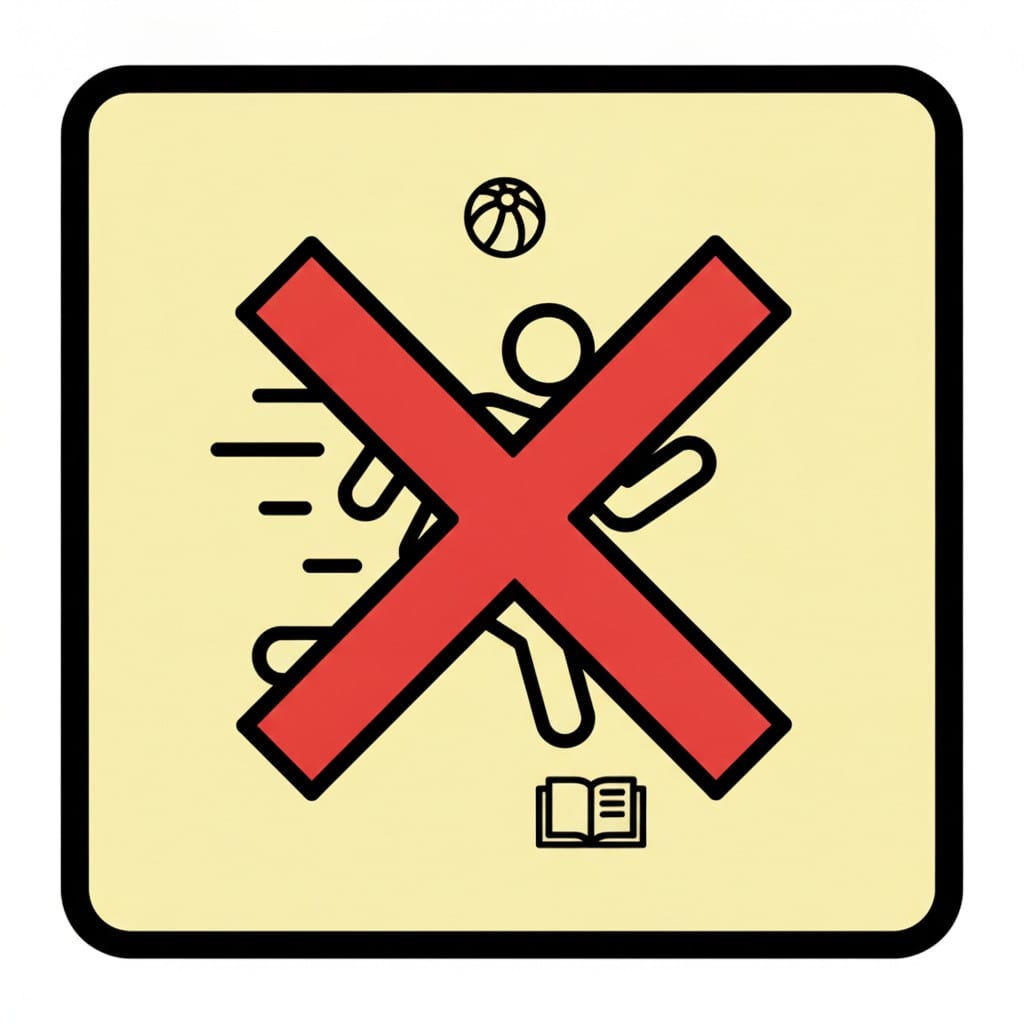
Not allowed
A crossed-out symbol with a red X over a play figure, showing that the activity is not allowed.
About this visual support
A stop without direction leaves the child hanging. The symbol for a ban, the red line or the raised hand, states clearly what may not happen, but says nothing about the way forward. What remains is a child who knows something is wrong but not what to do instead, and that gap easily breeds frustration on both sides.
Visual support works best when the stop has company. When the picture of what is not allowed sits beside a picture of a clear alternative, the message becomes whole: not this, but this is fine. The boundary then becomes understandable rather than just a closed door.
One concrete tip is to always place an alternative picture right after the stop picture, such as a calm activity or a different place, so the child has somewhere to turn. A no then becomes a signpost rather than a dead end. In the Routined app you can link stop and alternative into a pair that clearly belong together.
Use this image in a schedule
Build your own visual schedule with this image and download it as a print-ready PDF. Completely free.

More similar visual supports
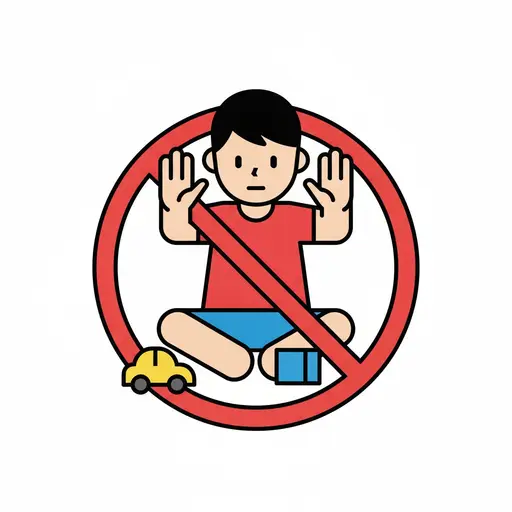
Stop playing
A child sits among toys inside a red prohibition circle.
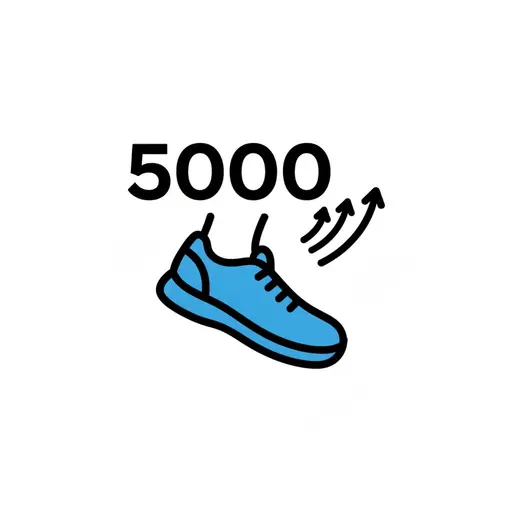
5000 Steps
A blue sneaker with the number 5000 and arrows showing movement.
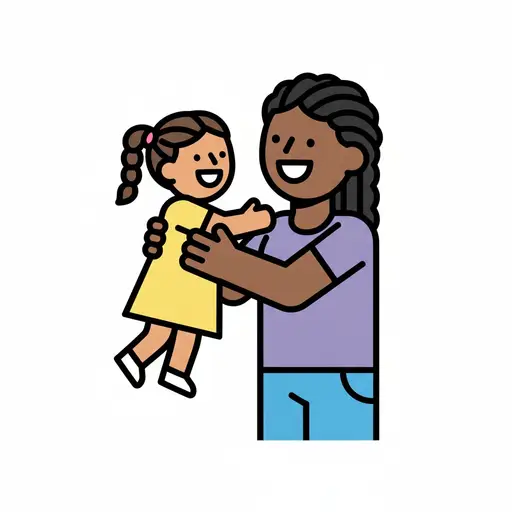
A parent picks up the child
An adult happily lifts a child up in their arms.
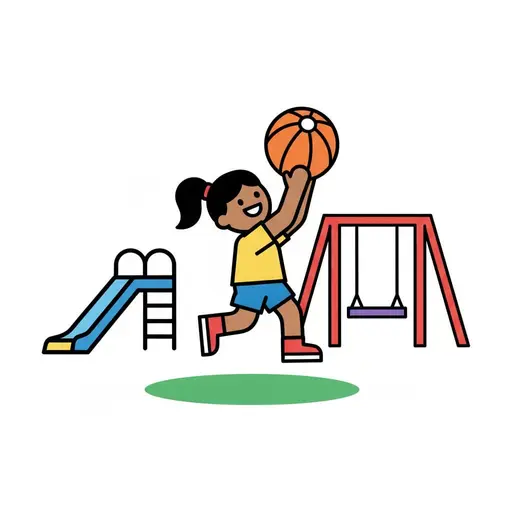
Active play
A girl jumps with a basketball in a playground with a slide and swings.

Activities
A child surrounded by icons for a book, paint palette, ball and building block.

Activity
Inside a dashed circle a girl runs along holding a paintbrush in one hand and a ...
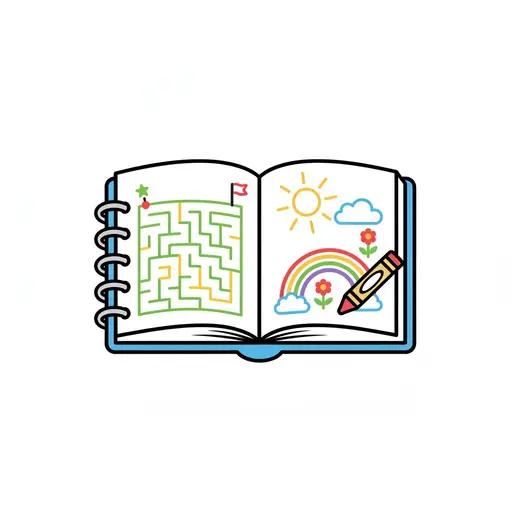
Activity book
An open activity book showing a maze on one page and a drawing of a sun, rainbow...
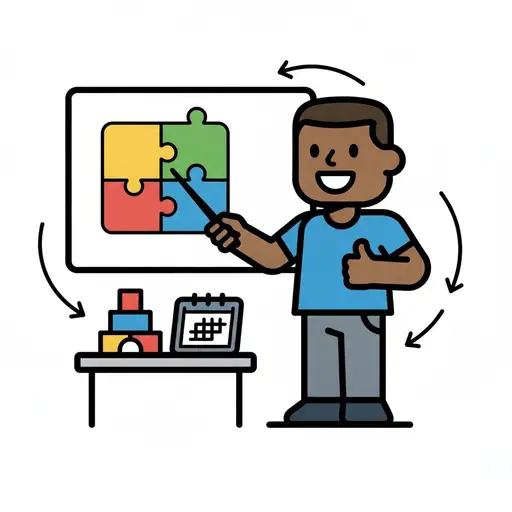
Activity Training
A man in a blue t-shirt points a stick at a whiteboard showing a four-piece puzz...
Take the visual supports with you
In Routined you build schedules from these pictures, add timers and voice instructions, and your child follows the day on their own.


* 14-day free trial included for new users.